
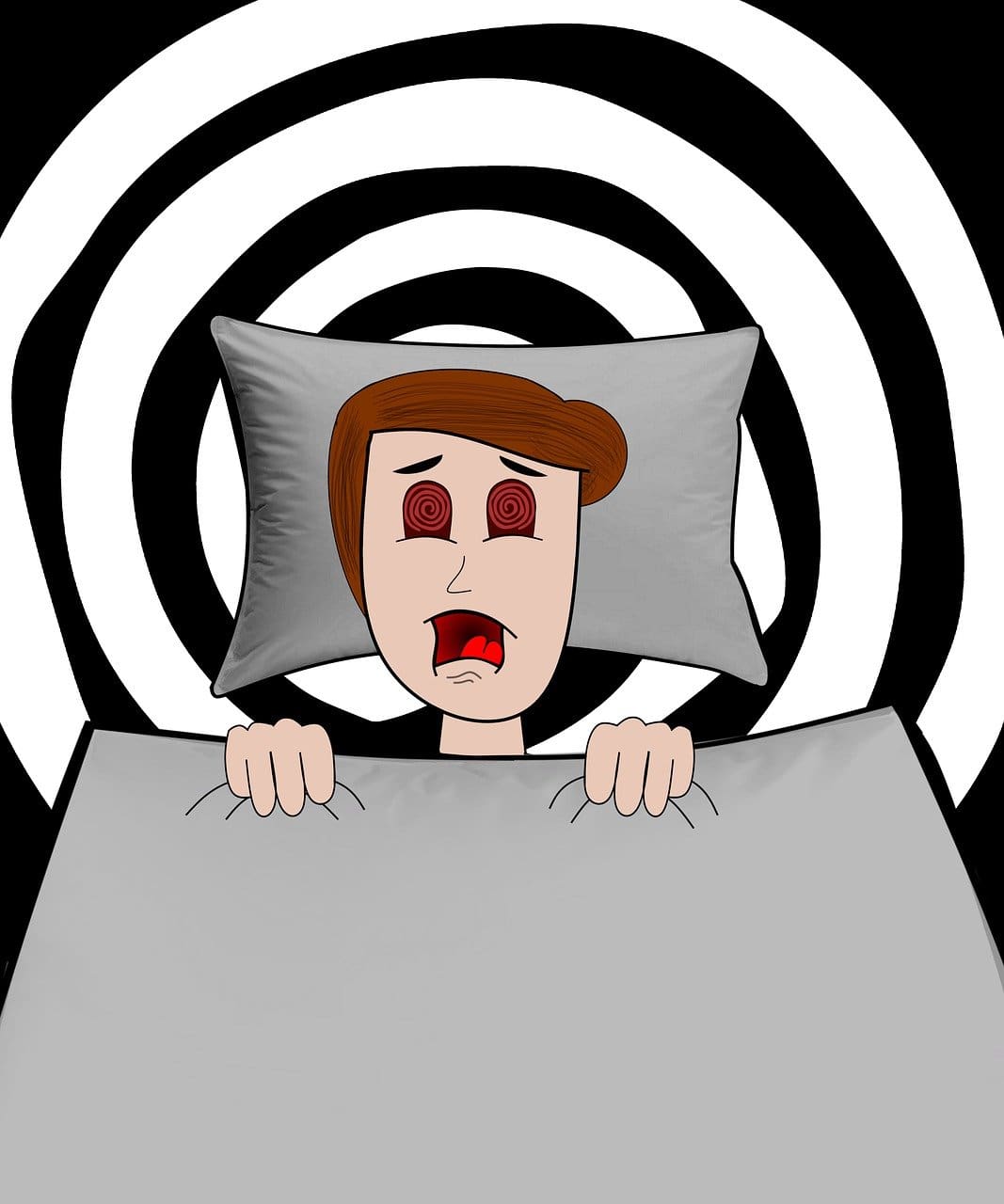
Have you ever woken up from a peaceful slumber only to find yourself unable to move or speak? This perplexing phenomenon, known as sleep paralysis, can be a rather frightening experience for those who have encountered it. The causes behind this bizarre occurrence are as fascinating as they are unsettling. From disrupted sleep patterns to underlying medical conditions, understanding what triggers sleep paralysis is critical in demystifying this strange and often unnerving phenomena. So, let’s delve into the realm of sleep science and unlock the secrets behind the causes of sleep paralysis.
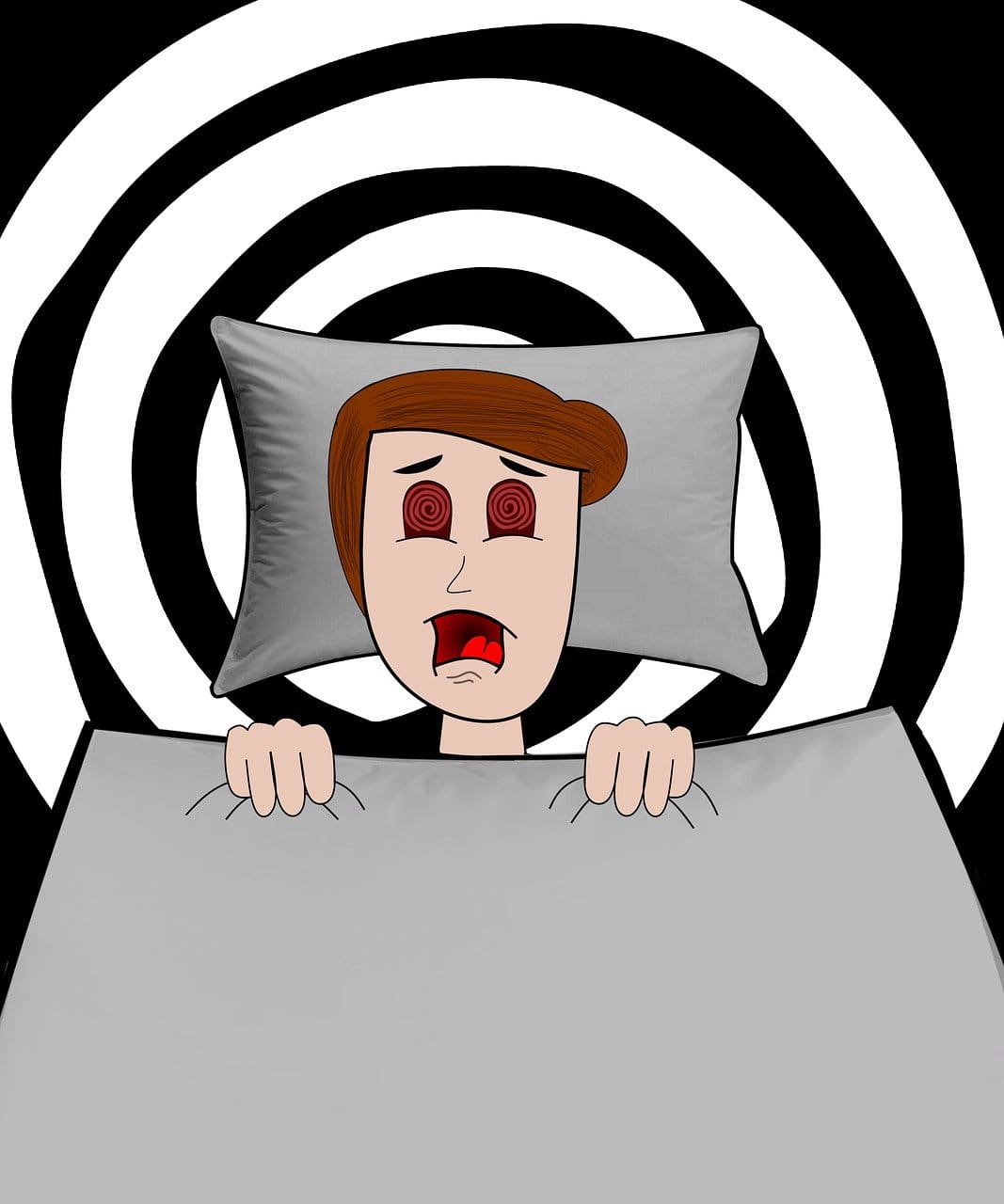
Sleep paralysis
Overview
Sleep paralysis is a phenomenon that occurs when you are temporarily unable to move or speak while falling asleep or upon waking up. It is often accompanied by a feeling of pressure on your chest and a sense of impending doom. Sleep paralysis can be a frightening and unsettling experience, but understanding its causes can help alleviate some of the fear associated with it.
Definition
Sleep paralysis is a state of consciousness during the transition between sleep and wakefulness, where your mind is awake but your body remains in a paralyzed state. This temporary loss of muscle control can lead to a sense of helplessness and vulnerability.
Prevalence
Global incidence
Sleep paralysis is a relatively common phenomenon, with studies suggesting that up to 40% of people may experience it at least once in their lifetime. The incidence varies across different cultures and countries, with some regions reporting higher rates than others. However, it is important to note that sleep paralysis can occur in anyone, regardless of age or geographic location.
Age and gender differences
Sleep paralysis can occur at any age, although it is more prevalent in young adults, especially those in their late teens and early twenties. There seems to be no significant gender difference in the occurrence of sleep paralysis, with both males and females experiencing it at similar rates.
Neurological Factors
Rapid Eye Movement (REM) sleep
Sleep paralysis is closely linked to the REM sleep stage, which is characterized by rapid eye movements, vivid dreams, and muscle atonia (temporary paralysis). During REM sleep, your brain actively inhibits the voluntary muscles in your body to prevent you from acting out your dreams. Sometimes, this muscle paralysis persists even when you are awake, resulting in sleep paralysis.
Disruption in sleep-wake cycle
Sleep paralysis often occurs when there is an interruption or disturbance in the normal sleep-wake cycle. This disruption can be caused by irregular sleep patterns, such as staying up late or having an inconsistent sleep schedule. Shift work, jet lag, and other factors that disrupt your body’s internal clock can also increase the likelihood of experiencing sleep paralysis.
Brain connectivity
Research suggests that sleep paralysis may be associated with abnormalities in the brain’s connectivity and communication during sleep. Specifically, disruptions in the connectivity between different regions of the brain, such as the prefrontal cortex and the motor cortex, can contribute to the occurrence of sleep paralysis.
Genetics
Family history
There appears to be a genetic component to sleep paralysis, as it tends to run in families. If you have a close family member who has experienced sleep paralysis, you may be more likely to experience it yourself. However, the specific genes involved in sleep paralysis have yet to be identified.
Genetic predisposition
While the exact genetic factors contributing to sleep paralysis remain unclear, studies have shown that certain genetic variations may increase susceptibility to sleep disorders in general. Genetic predispositions, combined with environmental factors, may influence the likelihood of experiencing sleep paralysis.
Sleep Disorders
Narcolepsy
Sleep paralysis is commonly associated with narcolepsy, a neurological disorder characterized by excessive daytime sleepiness and sudden loss of muscle tone (cataplexy). People with narcolepsy often experience sleep paralysis as they transition between wakefulness and sleep.
Insomnia
Insomnia, a sleep disorder characterized by difficulty falling asleep or staying asleep, can also increase the risk of experiencing sleep paralysis. Insufficient sleep or poor sleep quality can disrupt the normal sleep-wake cycle and make sleep paralysis more likely to occur.
Sleep apnea
Sleep apnea, a condition where breathing repeatedly stops and starts during sleep, has been linked to an increased risk of sleep paralysis. The intermittent loss of airflow in sleep apnea can lead to fragmented sleep and disruptions in the REM sleep stage, contributing to the occurrence of sleep paralysis.
Mental Health Conditions
Anxiety disorders
Anxiety disorders, such as generalized anxiety disorder and panic disorder, have been associated with an increased likelihood of experiencing sleep paralysis. The heightened levels of anxiety and stress can disrupt normal sleep patterns, making sleep paralysis more common.
Post-traumatic stress disorder (PTSD)
Individuals with post-traumatic stress disorder (PTSD) may be more prone to sleep paralysis. Traumatic experiences can trigger the development of sleep disturbances and disrupt the normal sleep-wake cycle, ultimately leading to sleep paralysis.
Depression
Depression has also been linked to sleep paralysis, with studies suggesting that individuals with depression are more likely to experience episodes of paralysis during sleep. The relationship between sleep paralysis and depression is complex, as both conditions can influence each other and exacerbate symptoms.
Stress and Trauma
Physical and emotional stress
High levels of physical and emotional stress can increase the likelihood of experiencing sleep paralysis. Stress triggers the release of stress hormones, which can disrupt normal sleep patterns and increase the risk of sleep paralysis episodes.
Traumatic events
Sleep paralysis is commonly associated with traumatic events, such as accidents, assault, or witnessing a frightening incident. Trauma can significantly impact your mental health and sleep patterns, making sleep paralysis more prevalent in individuals who have experienced traumatic events.
Sleep Deprivation
Lack of quality sleep
Sleep deprivation, whether due to a demanding schedule or sleep disorders, can contribute to the occurrence of sleep paralysis. When you do not get enough restful sleep, your brain can struggle to transition between sleep stages smoothly, increasing the likelihood of experiencing sleep paralysis.
Irregular sleep patterns
Having irregular sleep patterns, such as constantly changing your sleep schedule or not getting sufficient sleep on a regular basis, can disrupt the sleep-wake cycle. These irregularities can increase the risk of experiencing sleep paralysis, as your body and brain struggle to maintain a consistent sleep routine.
Medications and Substance Abuse
Certain medications
Some medications, such as those used to treat psychiatric disorders, can increase the risk of sleep paralysis. These medications can affect the neurotransmitters and brain chemicals involved in regulating sleep, potentially leading to disruptions in the sleep-wake cycle and an increased likelihood of experiencing sleep paralysis.
Drug and alcohol abuse
Substance abuse, including the use of drugs and alcohol, can disrupt normal sleep patterns and increase the likelihood of experiencing sleep paralysis. These substances can interfere with the brain’s ability to transition between sleep stages smoothly, leading to sleep paralysis episodes.
Sleep Position and Environment
Sleeping on the back
Sleeping on your back has been associated with a higher risk of experiencing sleep paralysis. This position can increase the likelihood of airway obstruction and contribute to disrupted breathing during sleep, which can trigger episodes of sleep paralysis.
Uncomfortable sleeping conditions
Sleeping in uncomfortable or unfamiliar environments, such as during travel or in a noisy room, can contribute to the occurrence of sleep paralysis. These conditions can disrupt the quality of your sleep and increase the likelihood of experiencing sleep paralysis.
In conclusion, sleep paralysis can occur due to a variety of factors, including neurological factors, genetics, sleep disorders, mental health conditions, stress and trauma, sleep deprivation, medications and substance abuse, as well as sleep position and environment. Understanding these underlying causes can help individuals better manage and alleviate the episodes of sleep paralysis, ultimately promoting a healthier and more restful sleep experience.