
Have you ever woken up in the middle of the night, unable to move or speak? This disorienting phenomenon is known as sleep paralysis, a temporary inability to perform voluntary muscle movements during the transition between sleep and wakefulness. And as intriguing as it is, the experience of sleep paralysis can vary greatly depending on one’s age and gender. In this article, we will explore how these factors can influence the occurrence and intensity of sleep paralysis, shedding light on a common yet mysterious phenomenon that has intrigued people for centuries.
Definition of Sleep Paralysis
Sleep paralysis is a phenomenon that occurs during the transition between wakefulness and sleep, or during the process of waking up. It is characterized by a temporary inability to move or speak, accompanied by a feeling of pressure on the chest or a sense of being held down. This state can be accompanied by vivid hallucinations and a sense of impending doom. Sleep paralysis occurs due to a disruption in the normal REM (rapid eye movement) sleep cycle, which is the phase of sleep associated with vivid dreaming.
Explanation of Sleep Paralysis
During REM sleep, our muscles are generally paralyzed to prevent us from acting out our dreams. This paralysis is controlled by a complex interplay of neurotransmitters in the brain. However, in the case of sleep paralysis, this paralysis continues even as the individual is transitioning into wakefulness or is already awake. As a result, the individual is aware of their surroundings but unable to move or speak.
Common Symptoms of Sleep Paralysis
The most common symptoms of sleep paralysis include a temporary inability to move or speak, a feeling of pressure on the chest, and a sense of being held down. Individuals may also experience hallucinations, which can be visual, auditory, or tactile in nature. These hallucinations often evoke intense fear or unease. Other symptoms may include a rapid heartbeat, difficulty breathing, and a sense of impending doom. Sleep paralysis episodes typically last for a few seconds to a couple of minutes.
Prevalence of Sleep Paralysis
Statistics on the Occurrence of Sleep Paralysis
Sleep paralysis is a relatively common phenomenon, with studies suggesting that approximately 7.6% to 60% of the population has experienced at least one episode in their lifetime. The prevalence rates vary across different populations and geographic regions. Research has shown that sleep paralysis is more common in individuals with psychiatric or sleep disorders, such as narcolepsy, insomnia, and anxiety disorders.
Factors Influencing the Frequency of Sleep Paralysis
Several factors can influence the frequency of sleep paralysis episodes. These include sleep deprivation, irregular sleep schedules, disrupted sleep patterns, and high levels of stress and anxiety. Additionally, certain medications, substance use, and sleep disorders can increase the likelihood of experiencing sleep paralysis. It is important to note that the frequency and severity of sleep paralysis episodes can vary greatly among individuals.
Age and Sleep Paralysis
Impact of Age on the Likelihood of Experiencing Sleep Paralysis
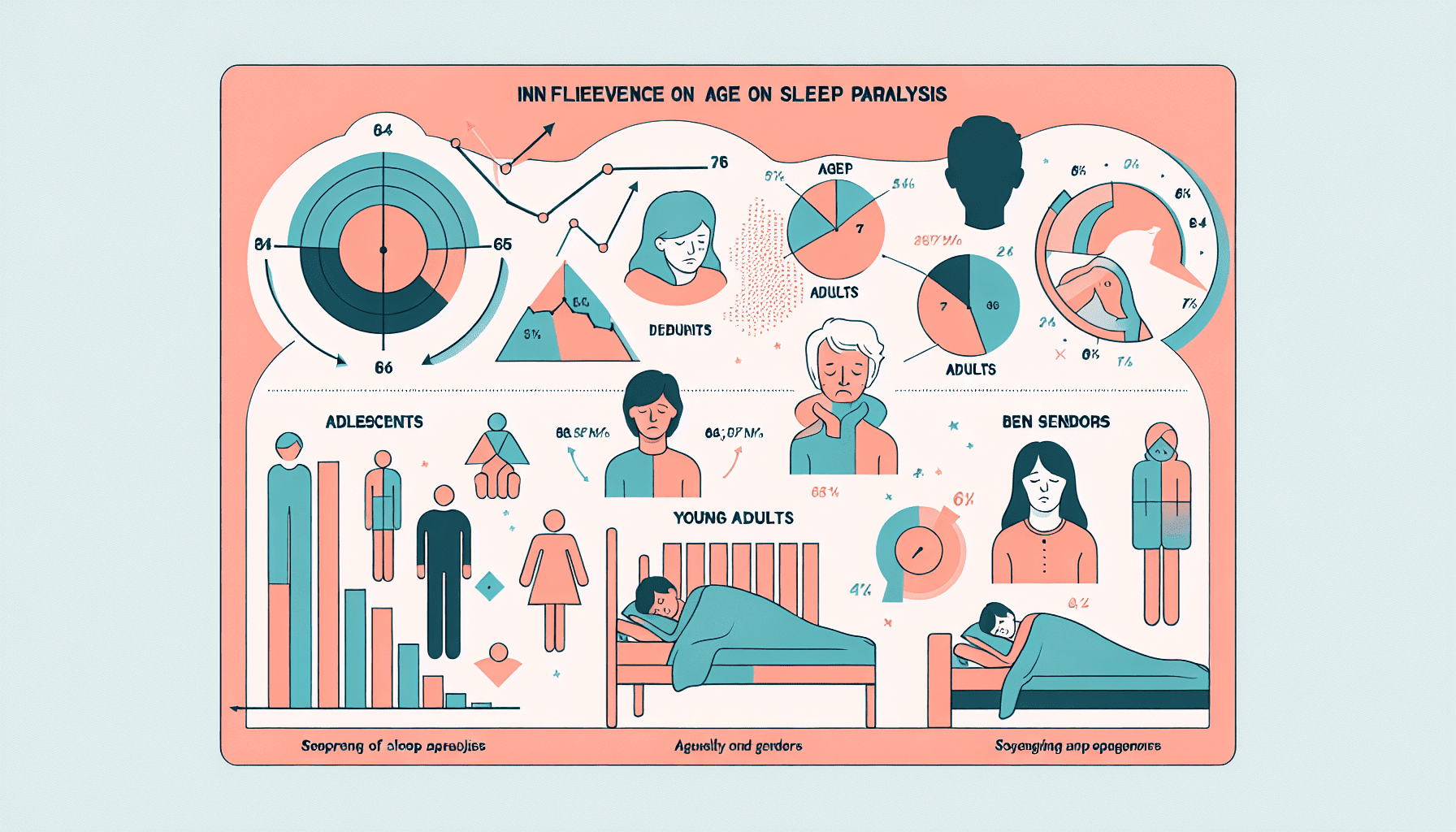
Age has been found to have a significant impact on the likelihood of experiencing sleep paralysis. Research has shown that sleep paralysis tends to occur more frequently during adolescence and young adulthood, with the prevalence peaking between the ages of 16 and 25. The occurrence of sleep paralysis then gradually decreases with age, becoming less common in older adults.
Developmental Factors Related to Sleep Paralysis in Different Age Groups
In children and adolescents, sleep paralysis is often associated with other sleep disorders, such as night terrors or sleepwalking. It is believed that the immaturity of the sleep-wake cycle and the rapid developmental changes during these stages contribute to an increased susceptibility to sleep paralysis. In contrast, sleep paralysis in adults and the elderly is more commonly associated with sleep disorders like narcolepsy or the presence of comorbid psychiatric conditions.
Sleep Paralysis in Children and Adolescents
Children and adolescents who experience sleep paralysis may find it particularly distressing due to their limited understanding of the phenomenon. They may report feelings of being trapped or attacked, which can lead to fear and anxiety surrounding sleep. It is essential for parents and caregivers to provide reassurance and education about sleep paralysis to alleviate these concerns and promote healthy sleep habits.
Sleep Paralysis in Adults and the Elderly
Sleep paralysis in adults and the elderly is often associated with other underlying sleep disorders, such as narcolepsy or insomnia. In older adults, sleep paralysis may also be influenced by age-related changes in sleep architecture and a higher prevalence of comorbid medical conditions. It is important for healthcare professionals to assess and address any underlying sleep disorders or medical conditions when managing sleep paralysis in this age group.
Gender and Sleep Paralysis
Gender Differences in Sleep Paralysis Prevalence
Research has indicated that sleep paralysis is more common among females compared to males. However, the reasons for this gender difference are not yet fully understood. It is possible that hormonal factors, societal expectations, and differences in coping mechanisms play a role in this variation. Further research is needed to explore the underlying mechanisms contributing to the gender disparity in sleep paralysis.
Hormonal Factors Influencing Sleep Paralysis
Hormonal fluctuations throughout the menstrual cycle may influence the occurrence of sleep paralysis in females. Some studies suggest that sleep paralysis episodes may be more frequent during the premenstrual phase and may be related to changes in progesterone levels. However, more research is needed to establish a definitive link between hormonal factors and sleep paralysis.
Psychosocial Aspects and Sleep Paralysis Among Different Genders
Psychosocial factors, such as stress, anxiety, and coping strategies, may also contribute to gender differences in sleep paralysis prevalence. Females are more likely to experience higher levels of stress and anxiety, which can disrupt sleep patterns and increase the likelihood of sleep paralysis episodes. Additionally, societal expectations and gender-related roles and responsibilities may impact how individuals perceive and report sleep paralysis experiences.
Biological Factors Involved in Sleep Paralysis
Neurochemical Mechanisms Contributing to Sleep Paralysis
Sleep paralysis is believed to involve disruptions in the normal functioning of neurotransmitters and other neurochemical substances in the brain. Researchers have suggested that an imbalance in the release and regulation of these substances during the sleep-wake transition may contribute to the development of sleep paralysis. However, further studies are needed to fully understand the neurochemical mechanisms involved.
Role of Neurotransmitters in Sleep Paralysis
Serotonin, a neurotransmitter involved in regulating mood, emotions, and sleep-wake cycles, has been implicated in sleep paralysis. It is thought that abnormalities in serotonin levels or receptor function may contribute to the occurrence of sleep paralysis. Additionally, gamma-aminobutyric acid (GABA), another neurotransmitter that plays a role in inhibiting neuronal activity, may also be involved in sleep paralysis by affecting muscle tone and the control of movement during sleep.
Genetic Factors and Sleep Paralysis
Genetic factors may contribute to an individual’s susceptibility to sleep paralysis. Studies have identified specific gene variants that may be associated with an increased risk of experiencing sleep paralysis. However, the precise genetic mechanisms underlying sleep paralysis are not yet fully understood. Further research is necessary to unravel the complex interaction between genetics and sleep paralysis.
Psychological Factors Involved in Sleep Paralysis
Relationship between Anxiety and Sleep Paralysis
Anxiety is closely associated with sleep paralysis, as individuals experiencing high levels of stress and anxiety are more prone to sleep disturbances. The fear and uncertainty associated with sleep paralysis can trigger or exacerbate symptoms of anxiety. Likewise, anxiety disorders, such as panic disorder or generalized anxiety disorder, have been found to coexist with sleep paralysis in some cases. Effective management of anxiety can help alleviate sleep paralysis symptoms.
Impact of Stress on Sleep Paralysis
Stress is a significant contributing factor to sleep paralysis episodes. Psychological and environmental stressors can disrupt sleep patterns and increase the likelihood of experiencing sleep paralysis. Moreover, stress can exacerbate existing sleep disorders, such as narcolepsy or insomnia, which are often associated with sleep paralysis. Developing healthy coping strategies and stress management techniques may help reduce the occurrence of sleep paralysis.
Psychiatric Disorders Associated with Sleep Paralysis
Several psychiatric disorders have been linked to sleep paralysis, suggesting a bidirectional relationship between these conditions. Sleep paralysis can occur as a symptom of psychiatric disorders such as post-traumatic stress disorder (PTSD), depression, or anxiety disorders. Conversely, experiencing sleep paralysis can also contribute to the development or worsening of these psychiatric conditions. It is important to address both the sleep paralysis and the underlying psychiatric disorder in treatment.

Cultural Factors and Sleep Paralysis
Cross-cultural Differences in Sleep Paralysis Experiences
Sleep paralysis experiences can vary across different cultures and are influenced by cultural beliefs, superstitions, and interpretations. In some cultures, sleep paralysis may be attributed to supernatural entities or malevolent spirits, leading to cultural-specific explanations and rituals. Additionally, the cultural perception and interpretation of sleep and dreams can shape individuals’ experiences and attitudes toward sleep paralysis.
Superstitious Beliefs and Cultural Interpretations of Sleep Paralysis
Superstitious beliefs surrounding sleep paralysis are prevalent in many cultures. These beliefs often involve concepts of witchcraft, demonic possession, or supernatural creatures responsible for the sleep paralysis experience. Cultural interpretations and folk remedies may be sought to prevent or alleviate sleep paralysis, reflecting the influence of cultural beliefs and practices on individuals’ responses to this phenomenon.
Sleep Disorders Related to Sleep Paralysis
Narcolepsy as a Cause of Sleep Paralysis
Narcolepsy, a chronic neurological disorder characterized by excessive daytime sleepiness and sudden bouts of sleep, is strongly associated with sleep paralysis. People with narcolepsy often experience sleep paralysis as a symptom of their condition, occurring either upon falling asleep or waking up. The disruption in the normal sleep-wake cycle in narcolepsy can lead to a higher occurrence of sleep paralysis episodes.
Other Sleep Disorders Linked to Sleep Paralysis
In addition to narcolepsy, other sleep disorders may be linked to sleep paralysis. Insomnia, a sleep disorder characterized by difficulty falling asleep or staying asleep, has been associated with an increased risk of experiencing sleep paralysis. Other sleep disorders, such as sleep apnea or restless leg syndrome, may also contribute to the occurrence of sleep paralysis due to their impact on sleep quality and disturbances in the sleep-wake cycle.

Effects of Sleep Paralysis
Impact on Sleep Quality and Overall Well-being
Sleep paralysis can have a significant impact on an individual’s sleep quality and overall well-being. The fear and distress associated with sleep paralysis episodes can lead to increased anxiety around sleep and a disruption in sleep patterns. Consequently, sleep quality may be compromised, resulting in daytime tiredness, reduced cognitive functioning, and impaired overall well-being.
Potential Consequences on Mental Health and Daily Functioning
Frequent or severe sleep paralysis episodes can have negative consequences on mental health and daily functioning. The fear and anxiety triggered by sleep paralysis can contribute to the development or exacerbation of mental health conditions, such as anxiety disorders or depression. Additionally, the disruption of sleep can affect an individual’s ability to concentrate, perform daily tasks, and maintain healthy relationships. Seeking appropriate treatment and management strategies is essential for minimizing these potential consequences.
Treatment and Management of Sleep Paralysis
Non-pharmacological Approaches for Reducing Sleep Paralysis Episodes
Several non-pharmacological approaches may aid in reducing the frequency and severity of sleep paralysis episodes. Maintaining a consistent sleep schedule, practicing good sleep hygiene, and minimizing stress and anxiety can promote healthy sleep patterns and minimize the occurrence of sleep paralysis. Relaxation techniques, such as deep breathing exercises or progressive muscle relaxation, may also help alleviate symptoms associated with sleep paralysis.
Pharmacological Interventions for Sleep Paralysis Management
In some cases, pharmacological interventions may be recommended to manage sleep paralysis, particularly if it is associated with an underlying sleep disorder like narcolepsy. Medications such as selective serotonin reuptake inhibitors (SSRIs) or tricyclic antidepressants may be prescribed to regulate sleep patterns and reduce the frequency of sleep paralysis episodes. However, the use of medication should be assessed and monitored by a healthcare professional to ensure appropriate treatment and minimize potential side effects.
In conclusion, sleep paralysis is a relatively common phenomenon that can significantly impact an individual’s sleep quality and overall well-being. Age, gender, and various biological, psychological, and cultural factors can influence the occurrence and experience of sleep paralysis. Understanding the complex interplay of these factors is crucial for effective management and treatment. By addressing underlying sleep disorders, managing stress and anxiety, and adopting healthy sleep practices, individuals experiencing sleep paralysis can find relief and improve their overall sleep health.