Have you ever experienced the sensation of being fully conscious but unable to move or speak? This is known as sleep paralysis, a phenomenon that affects countless individuals around the world. In this article, we will explore the fascinating role that sleep paralysis plays in sleep walking and other parasomnias. By understanding the connection between these experiences, we can gain valuable insights into the mysterious world of sleep disorders and potentially find ways to alleviate their impact on our lives. So, grab a cup of tea, get cozy, and let’s embark on this intriguing journey together!
What is Sleep Paralysis?
Definition
Sleep paralysis is a temporary inability to move or speak that occurs when falling asleep or waking up. During these episodes, you may feel fully conscious but are unable to control your voluntary muscles. It can be a frightening experience, as you may also perceive a sense of pressure on your chest and have hallucinations.
Symptoms
The key symptom of sleep paralysis is the inability to move or speak despite being awake. Other common symptoms include a sensation of pressure on the chest, shortness of breath, and a feeling of being watched or accompanied by a presence in the room. Sleep paralysis episodes usually last for a few seconds to a couple of minutes, but the distress they cause can be significant.
Causes
The exact cause of sleep paralysis is not fully understood, but it is thought to be related to disruptions in the transition between different stages of sleep. It often occurs during the rapid eye movement (REM) stage of sleep when vivid dreaming occurs. Sleep paralysis can be triggered by sleep deprivation, irregular sleep schedules, and certain sleep disorders such as narcolepsy. Psychological factors like stress, anxiety, and depression may also contribute to its occurrence.
Sleep Walking and Parasomnias
Overview
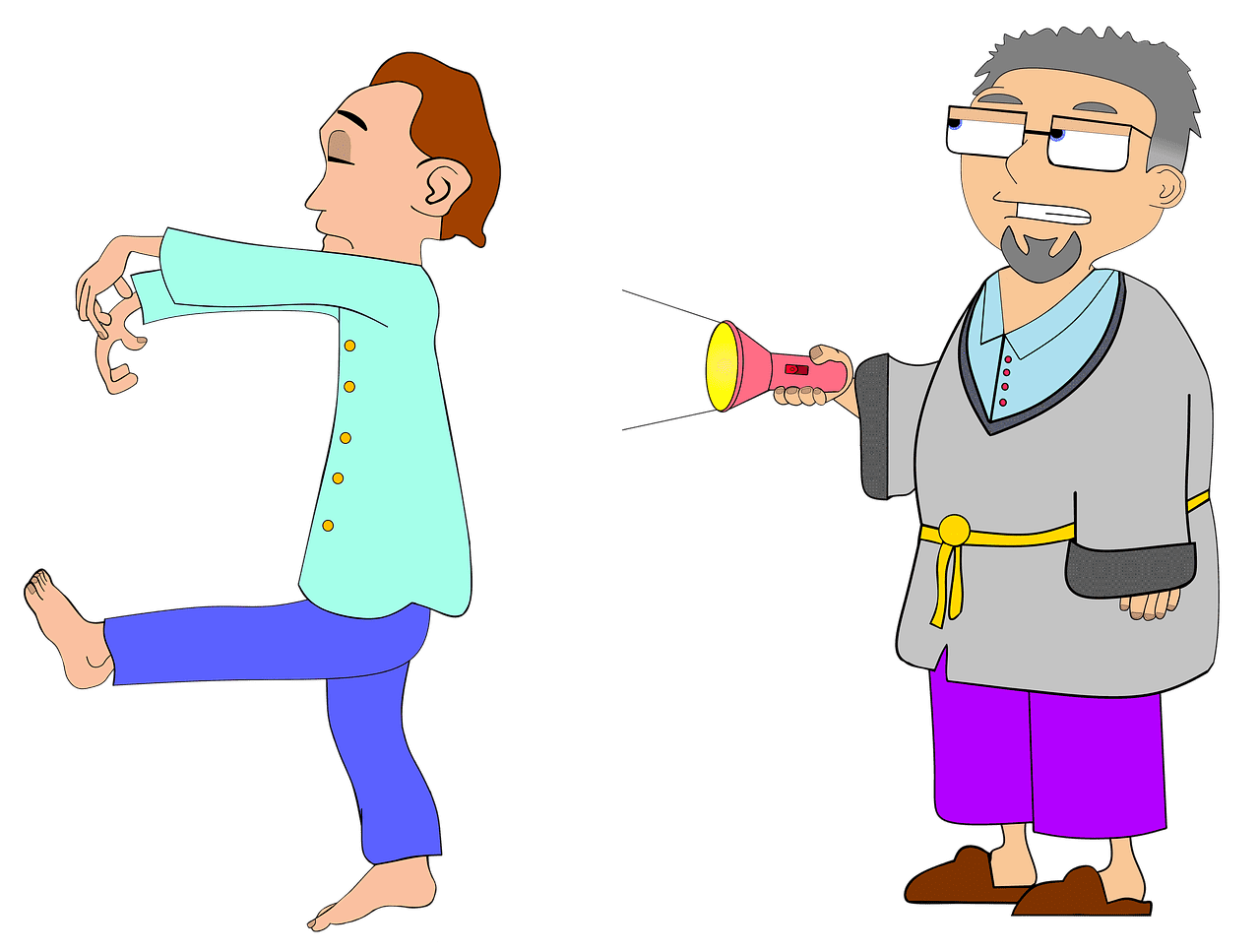
Sleep walking, also known as somnambulism, is a type of parasomnia characterized by complex behaviors and movements during sleep. Parasomnias are a group of sleep disorders that involve abnormal behaviors, movements, emotions, perceptions, or dreams. Sleep walking is more common in children but can also occur in adults.
Types of Parasomnias
Parasomnias encompass a range of sleep disorders beyond sleep paralysis and sleep walking. Some common types of parasomnias include night terrors, sleep talking, and sleep-related eating disorder. Night terrors are intense episodes of fear or screaming during sleep, often accompanied by rapid heart rate and sweating. Sleep talking involves talking or making sounds during sleep, while sleep-related eating disorder involves uncontrollable eating during sleep.
Prevalence and Impact
Parasomnias, including sleep walking, are relatively common, with prevalence rates varying across age groups. Sleep walking is more prevalent in children, with estimates ranging from 10% to 30% of children experiencing at least one episode. In adults, the prevalence is lower, around 1% to 4%. Despite being considered benign, parasomnias can have a significant impact on individuals, causing distress, sleep disruption, and potential safety risks.

Link between Sleep Paralysis and Sleep Walking
Commonalities
Sleep paralysis and sleep walking share some commonalities, particularly in terms of their occurrence during sleep and the potential distress they cause. Both conditions involve disruptions in the normal sleep-wake cycle and can result in a sense of being trapped or unable to control one’s own body. They can also share similar risk factors, as we will explore in the next section.
Shared Risk Factors
Certain factors increase the risk of experiencing both sleep paralysis and sleep walking. Sleep deprivation, irregular sleep schedules, and inadequate sleep hygiene are known risk factors for both conditions. Additionally, individuals with a family history of sleep disorders, such as narcolepsy or parasomnias, may be more prone to experiencing sleep paralysis or sleep walking. Psychological factors, such as stress, anxiety, and depression, can also contribute to the occurrence of both conditions.
Sleep Paralysis and Nightmares
Relationship
Sleep paralysis and nightmares often co-occur and can contribute to a vicious cycle of sleep disruption and anxiety. Nightmares are vivid, disturbing dreams that can evoke intense fear, anxiety, and a sense of danger. During sleep paralysis episodes, individuals may experience hallucinations that can be terrifying and include elements often seen in nightmares. The combination of sleep paralysis and nightmares can lead to increased anxiety surrounding sleep and further disruptions in sleep quality.
Mechanisms
The precise mechanisms underlying the relationship between sleep paralysis and nightmares are not fully understood. However, it is believed that disruptions in the normal sleep-wake cycle, particularly during the REM stage of sleep, play a role. The altered brain activity during REM sleep, coupled with increased arousal levels, may contribute to the development of both nightmares and sleep paralysis.
The Neurological Basis of Sleep Paralysis and Parasomnias
Brain Structures and Functions
Several brain structures and functions are implicated in sleep paralysis and parasomnias. The transition between different sleep stages involves complex interactions between the thalamus, a relay station for sensory information, and the cortex, which controls conscious awareness. Dysfunction in these brain areas can disrupt the smooth transition between sleep stages, leading to episodes of sleep paralysis and other parasomnias.
Neurotransmitters Involved
Neurotransmitters, such as gamma-aminobutyric acid (GABA) and serotonin, play a crucial role in regulating sleep-wake cycles and maintaining normal sleep. Imbalances or abnormalities in these neurotransmitter systems have been associated with sleep paralysis and parasomnias. GABA is involved in inhibiting neural activity and promoting sleep, while serotonin modulates mood and arousal. Disruptions in the balance of these neurotransmitters can contribute to the development of sleep disorders.
Genetic Factors
Genetic factors also contribute to the risk of developing sleep paralysis and parasomnias. Certain genetic variations may predispose individuals to these conditions, although the specific genes involved are still being investigated. Research suggests a hereditary component to sleep paralysis, with a higher prevalence observed among individuals with a family history of the condition. However, the interplay between genetic and environmental factors in the development of sleep paralysis and parasomnias requires further exploration.
Psychological Factors and Sleep Paralysis
Role of Stress
Stress, both acute and chronic, can significantly impact sleep and increase the risk of sleep paralysis. When you are under stress, your body is in a heightened state of arousal, making it harder to relax and fall asleep. Stressful events or situations can disrupt the normal sleep-wake cycle and contribute to sleep disturbances, including sleep paralysis. Managing stress through relaxation techniques and lifestyle changes can help alleviate the occurrence of sleep paralysis.
Effects of Anxiety and Depression
Anxiety and depression are common mental health conditions that can negatively affect sleep quality and increase the risk of sleep paralysis. Anxiety disorders can contribute to heightened arousal and hypervigilance, making it difficult to relax and fall asleep. Depression can disrupt sleep patterns, leading to irregular sleep cycles and an increased likelihood of experiencing sleep paralysis. Treating underlying anxiety and depression through therapy and appropriate interventions can help improve sleep and reduce the occurrence of sleep paralysis.

Diagnostic Procedures for Sleep Paralysis and Parasomnias
Polysomnography
Polysomnography is a diagnostic test commonly used to assess sleep disorders, including sleep paralysis and parasomnias. It involves monitoring various physiological parameters during sleep, such as brain activity, eye movements, heart rate, and muscle activity. By analyzing these measurements, sleep specialists can identify abnormalities in sleep patterns and determine the presence of sleep disorders.
Actigraphy
Actigraphy is a non-invasive method of monitoring sleep and wake patterns over an extended period. It involves wearing a small device, usually on the wrist, that measures movement and light exposure. Actigraphy can provide valuable information about sleep duration, quality, and patterns, aiding in the diagnosis of sleep paralysis and parasomnias.
Questionnaires and Interviews
Questionnaires and interviews are commonly used in the assessment of sleep disorders to gather subjective information about symptoms, sleep quality, and daytime functioning. Sleep specialists may use specific questionnaires that assess the frequency and severity of sleep paralysis or other parasomnias. These assessments help in obtaining a comprehensive understanding of an individual’s sleep-related experiences and aid in the diagnosis and treatment planning.
Treatment Approaches for Sleep Paralysis and Associated Parasomnias
Pharmacological Interventions
Pharmacological interventions may be considered for individuals with severe or frequent episodes of sleep paralysis or other parasomnias. Medications such as selective serotonin reuptake inhibitors (SSRIs), benzodiazepines, or hypnotics may be prescribed to regulate sleep patterns, reduce anxiety, and improve overall sleep quality. However, medication should only be utilized under the guidance of a healthcare professional.
Psychotherapy
Psychotherapy, particularly cognitive-behavioral therapy for insomnia (CBT-I), can be an effective treatment approach for sleep paralysis and associated parasomnias. CBT-I focuses on addressing the psychological factors that contribute to sleep disturbances and aims to modify thoughts, behaviors, and sleep-related habits. Through therapy, individuals can learn relaxation techniques, develop healthier sleep routines, and reframe negative thoughts and beliefs about sleep, leading to improved sleep quality and a reduction in sleep paralysis episodes.
Sleep Hygiene Practices
Adopting good sleep hygiene practices is essential for managing sleep paralysis and associated parasomnias. Establishing a regular sleep schedule, creating a comfortable sleep environment, and practicing relaxation techniques before bed can promote better sleep quality. Avoiding stimulating activities and substances, such as caffeine and electronics, close to bedtime can also aid in preventing sleep disturbances. Good sleep hygiene habits can contribute to a healthier sleep-wake cycle, reducing the occurrence of sleep paralysis and other parasomnias.

Relieving Sleep Paralysis and Preventing Parasomnia Episodes
Sleep Positioning
Adjusting your sleep position may help reduce the occurrence of sleep paralysis and parasomnia episodes. Sleeping on your side instead of your back can minimize the likelihood of experiencing sleep paralysis, as sleeping on your back is associated with a higher incidence of the condition. Experimenting with different sleeping positions and using supportive pillows or devices can promote better sleep posture and potentially alleviate sleep paralysis episodes.
Stress Reduction Techniques
Managing stress is crucial for minimizing the occurrence of sleep paralysis and associated parasomnias. Incorporating stress reduction techniques into your daily routine, such as meditation, deep breathing exercises, yoga, or engaging in hobbies, can help promote relaxation and improve overall sleep quality. Taking time for self-care, practicing mindfulness, and finding healthy outlets for stress can contribute to a more peaceful and restorative sleep.
Sleep Environment Modifications
Creating a sleep environment that promotes relaxation and tranquility can aid in relieving sleep paralysis and preventing parasomnia episodes. Ensure that your sleep environment is dark, quiet, and at a comfortable temperature. Use blackout curtains, earplugs, or white noise machines to reduce external disruptions. Removing electronic devices from the bedroom and establishing a soothing bedtime routine can create a sleep-conducive environment and minimize the potential triggers for sleep paralysis and parasomnias.
The Influence of Lifestyle and Habits on Sleep Paralysis and Parasomnias
Impact of Diet and Exercise
Maintaining a healthy diet and engaging in regular physical activity can positively impact sleep quality and reduce the risk of sleep paralysis and parasomnias. A balanced diet that includes essential nutrients and avoids heavy meals close to bedtime can support better sleep patterns. Regular exercise, preferably earlier in the day, can also alleviate stress and promote more restful sleep. Incorporating healthy lifestyle habits can contribute to overall well-being and improve sleep-related experiences.
Substance Use and Sleep Disorders
Substance use, especially alcohol and recreational drugs, can disrupt sleep patterns and exacerbate sleep disorders such as sleep paralysis and other parasomnias. These substances can interfere with the normal sleep-wake cycle, alter brain chemistry, and contribute to fragmented sleep. Limiting or avoiding the use of substances known to affect sleep can help prevent the occurrence and severity of sleep-related disruptions.
In conclusion, sleep paralysis is a perplexing sleep disorder that can be intertwined with sleep walking and other parasomnias. Understanding the definitions, symptoms, and causes of sleep paralysis is crucial in comprehending its relationship to other sleep-related conditions. While the exact neurological and psychological mechanisms are still being elucidated, various treatment approaches and lifestyle modifications can alleviate sleep paralysis episodes and promote better sleep hygiene. By holistically addressing the physical, mental, and environmental factors influencing sleep, you can enhance your sleep quality and minimize the impact of sleep paralysis and associated parasomnias on your well-being.