
Imagine trying to navigate the challenges of parenting while also grappling with sleep paralysis, a condition that leaves you temporarily unable to move or speak upon waking up. In this article, we explore the psychological impact that parenting with sleep paralysis can have, as well as strategies to manage and cope with the condition. From understanding the fears and anxieties that arise from experiencing sleep paralysis to finding supportive communities and seeking professional help, this article aims to provide valuable insights and guidance for parents facing this unique challenge.
Understanding Sleep Paralysis
Definition and explanation of sleep paralysis
Sleep paralysis is a phenomenon in which a person becomes temporarily unable to move or speak while transitioning between sleep and wakefulness. It typically occurs either when falling asleep or upon waking up. During sleep paralysis, the brain shuts off the signals that control muscle movement, causing the individual to feel paralyzed. This experience can be accompanied by vivid hallucinations, a sense of pressure on the chest, and a feeling of being trapped or suffocated.
Causes of sleep paralysis
Sleep paralysis can be caused by various factors, including disrupted sleep patterns, irregular sleep schedules, sleep deprivation, and certain sleep disorders such as narcolepsy. Stress, anxiety, and mental health conditions like depression can also contribute to the occurrence of sleep paralysis episodes. Additionally, individuals who have a family history of sleep paralysis may be more prone to experiencing it themselves.
Symptoms and experiences during sleep paralysis
During sleep paralysis, individuals may experience a range of symptoms and sensations. These can include visual or auditory hallucinations, such as seeing shadowy figures or hearing strange sounds. The feeling of pressure on the chest or a sense of suffocation is also commonly reported. Emotions during sleep paralysis episodes can vary from fear and anxiety to a feeling of helplessness. It is important to note that while sleep paralysis can be a frightening experience, it is generally not considered harmful and typically lasts only a few seconds to a couple of minutes.
Effects of Sleep Paralysis on Parenting
Challenges faced by parents with sleep paralysis
Parenting is a demanding role, and experiencing sleep paralysis can add an extra layer of challenge. Parents with sleep paralysis may find themselves facing difficulties in meeting their children’s needs, especially when experiencing significant sleep disruptions. The unpredictability of sleep paralysis episodes can make it challenging to maintain consistent routines and provide the necessary care and attention to children.
Impact on parenting abilities
The impact of sleep paralysis on parenting abilities can vary depending on the frequency and severity of the episodes experienced. Sleep deprivation resulting from disturbed sleep patterns can lead to increased irritability, decreased patience, and difficulty concentrating – all factors that can affect a parent’s ability to effectively engage with their children. Furthermore, the fear and anxiety associated with sleep paralysis may lead to heightened stress levels, making it harder to provide a calm and nurturing environment for children.
Struggles in meeting children’s needs
Parents with sleep paralysis may find it challenging to meet their children’s physical and emotional needs, particularly during periods of exhaustion. Engaging in activities that require physical energy, such as playing games or outdoor activities, may become more difficult. Additionally, the emotional toll of sleep paralysis can make it harder to respond to children’s emotional cues and support their emotional development effectively.
Psychological Impact of Sleep Paralysis
Anxiety and fear
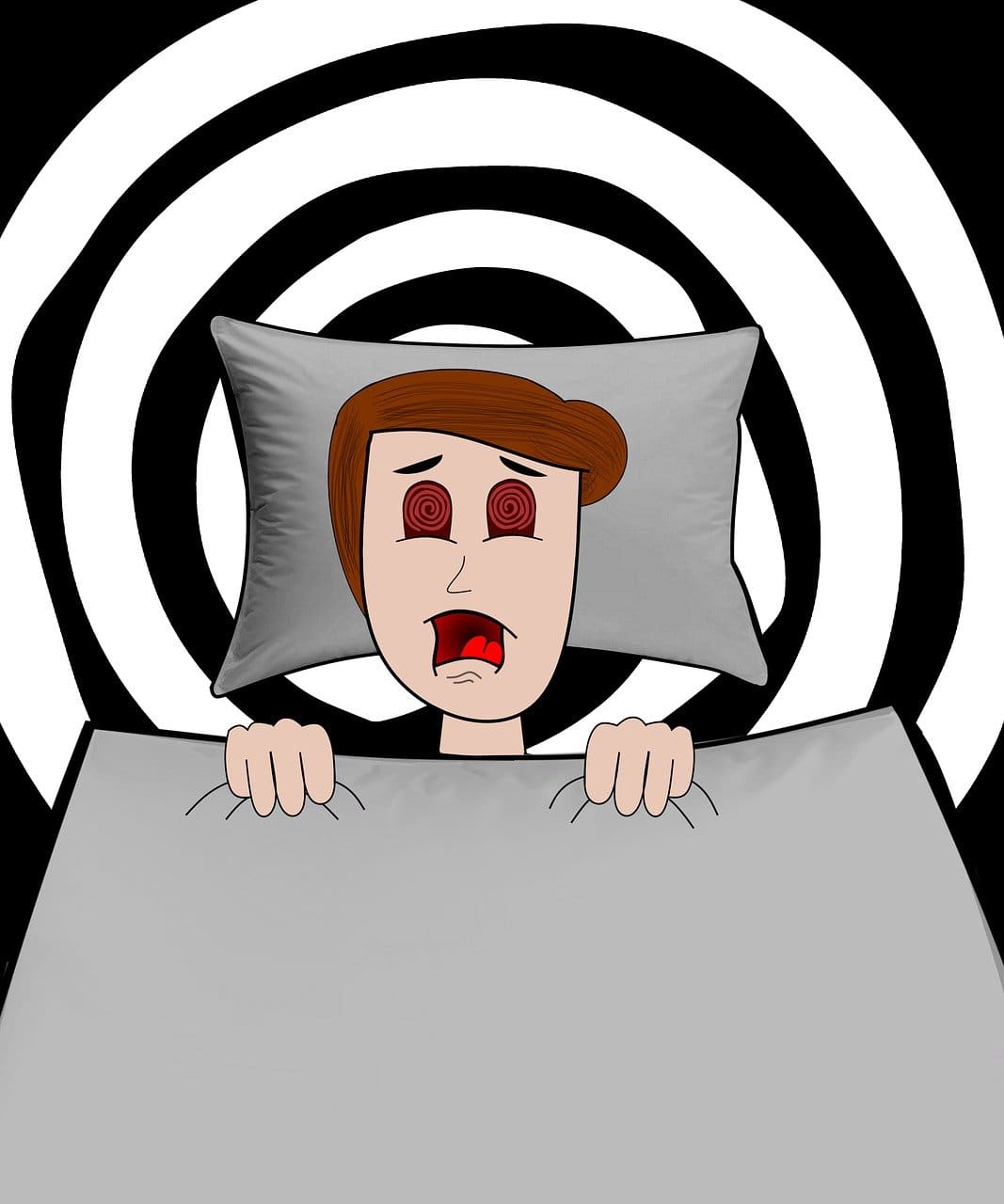
Sleep paralysis episodes can evoke intense feelings of anxiety and fear. The hallucinations and physical sensations that accompany sleep paralysis can be distressing, leaving parents feeling overwhelmed and frightened. The anticipation of future episodes can also lead to heightened anxiety, creating a constant sense of unease around sleep.
Effects on mental health
Sleep paralysis can have a significant impact on an individual’s overall mental health. The disrupted sleep patterns and constant worry about experiencing another episode can contribute to increased levels of stress and anxiety. Over time, this chronic stress can take a toll on mental health, potentially leading to symptoms of depression, mood disorders, and exacerbation of existing anxiety disorders.
Psychological toll on parents
Parenting already comes with its own set of challenges, and experiencing sleep paralysis can further exacerbate mental and emotional strain. The fear and anxiety associated with sleep paralysis can lead to feelings of guilt and frustration, as parents may feel that their condition is preventing them from being the best caregivers they can be. Additionally, the sleep deprivation resulting from sleep paralysis can intensify feelings of exhaustion, making it difficult to engage in self-care practices and maintain overall mental well-being.
Importance of Self-Care for Parents
Recognizing the need for self-care
It is crucial for parents with sleep paralysis to recognize the importance of self-care in managing the psychological impact of their condition. Prioritizing self-care allows parents to prioritize their own well-being, ensuring they have the physical and emotional resources necessary to care for their children effectively. Recognizing when self-care is needed and taking steps to incorporate it into daily routines is an essential aspect of managing the challenges of sleep paralysis while parenting.
Practicing relaxation techniques
Engaging in relaxation techniques can be particularly beneficial for parents with sleep paralysis. Deep breathing exercises, meditation, and mindfulness practices can help alleviate stress and anxiety. These techniques promote a sense of calm and relaxation, providing parents with a valuable tool to manage the psychological impact of sleep paralysis.
Seeking support from others
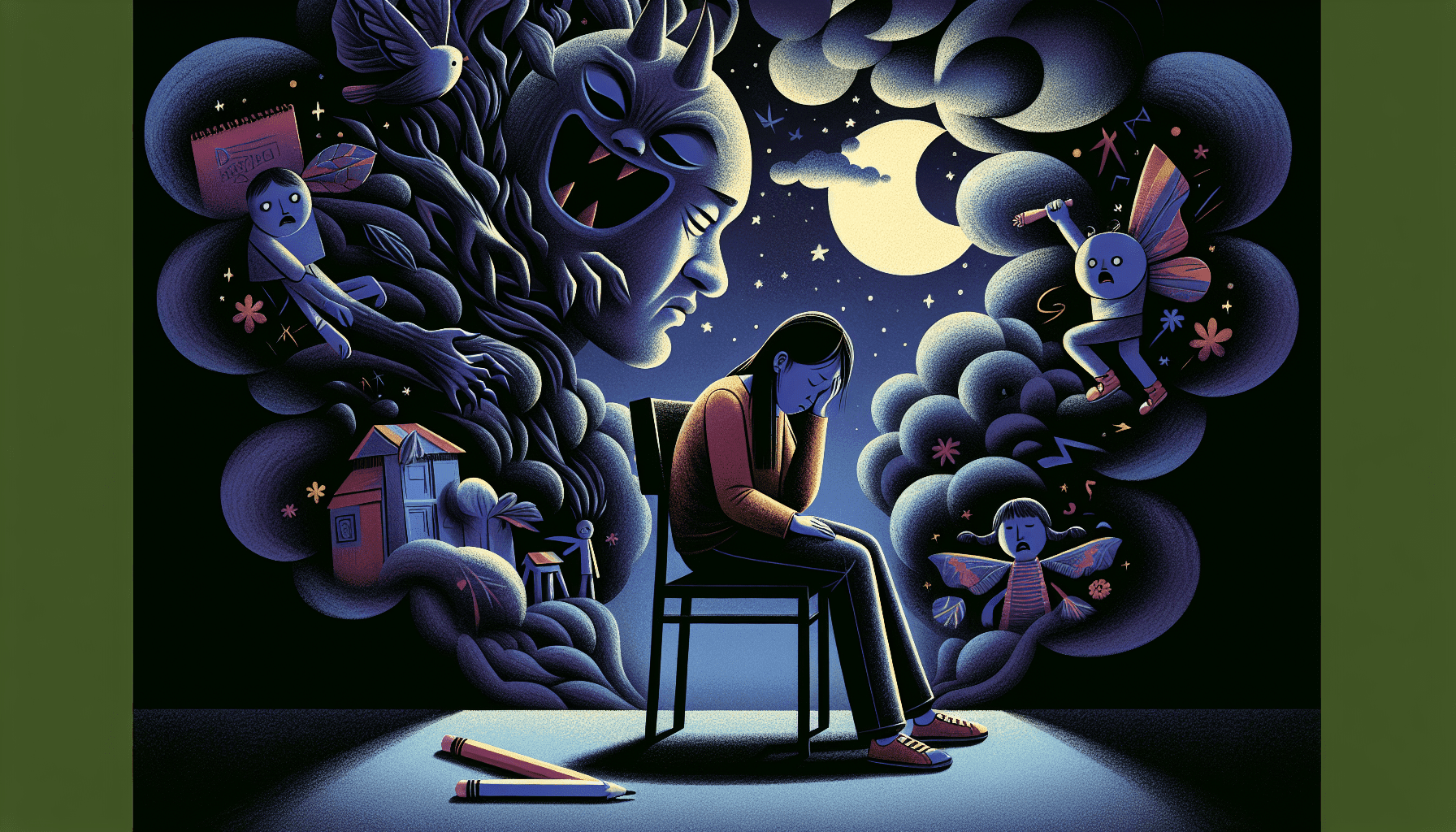
Parenting can be isolating at times, and facing the challenges of sleep paralysis alone can exacerbate feelings of stress and anxiety. Seeking support from others, whether it be family, friends, or support groups, can provide invaluable emotional support and a sense of understanding. Discussing experiences, fears, and concerns with others who may have similar experiences can help alleviate the psychological burden of sleep paralysis.
Communicating with Children about Sleep Paralysis
Age-appropriate explanations
When discussing sleep paralysis with children, it is essential to tailor the information to their age and developmental level. Younger children may benefit from simple explanations, such as explaining that the body sometimes has trouble waking up or falling asleep. Older children can be provided with more detailed explanations about the brain’s processes during sleep paralysis and reassured that it is a common phenomenon that many individuals experience.
Addressing children’s fears and concerns
Children may have fears and concerns about their parent experiencing sleep paralysis. It is important to create a safe space for children to express their emotions and ask questions. Answering their inquiries honestly and reassuring them that sleep paralysis is not dangerous can help alleviate their concerns. Encouraging open communication can also foster a sense of security and trust within the parent-child relationship.
Reassuring children during sleep paralysis episodes
If a child witnesses a parent experiencing sleep paralysis, it is crucial to reassure them and explain what is happening. Assure children that the parent is not in any physical danger and that the episode will pass. Providing children with tangible coping strategies, such as engaging in a comforting activity or calling for help if needed, can help empower them to navigate their own emotions during these episodes.
Establishing Healthy Sleep Habits
Creating a consistent bedtime routine
Establishing a consistent bedtime routine can be beneficial for both parents and children. Engaging in relaxing activities such as reading, listening to calming music, or taking a warm bath before bed can help signal to the body that it is time to wind down. Following a routine can promote more restful sleep and reduce the likelihood of sleep paralysis episodes.
Promoting a sleep-friendly environment
Creating a sleep-friendly environment is vital for ensuring quality sleep. This includes keeping the bedroom cool, dark, and quiet, as well as having a comfortable mattress and pillows. Minimizing electronic devices in the bedroom and implementing a technology-free zone can also contribute to improved sleep quality for both parents and children.
Encouraging healthy sleep patterns in children
Parents play a crucial role in promoting healthy sleep patterns in their children. Setting consistent bedtimes and wake-up times, ensuring they receive the recommended amount of sleep for their age, and establishing a calming pre-bedtime routine are all essential factors in fostering healthy sleep habits. By prioritizing their children’s sleep, parents can also indirectly improve their own sleep quality and potentially reduce the occurrence of sleep paralysis episodes.

Seeking Professional Help
Consulting a healthcare professional
If sleep paralysis episodes are significantly impacting daily life and parenting abilities, it may be beneficial to consult a healthcare professional. A doctor or sleep specialist can provide a comprehensive evaluation and offer guidance tailored to the specific needs of parents with sleep paralysis. They can address any underlying sleep disorders or recommend strategies to manage sleep paralysis more effectively.
Exploring therapy options
Therapy, such as cognitive-behavioral therapy (CBT), can be an effective tool in managing the psychological impact of sleep paralysis. CBT can help individuals identify and modify unhelpful thoughts and behaviors surrounding sleep paralysis, reducing anxiety and improving overall mental well-being. Seeking therapy can provide parents with the support and coping mechanisms necessary to navigate the challenges of sleep paralysis while parenting.
Considering medication under medical guidance
In some cases, medication may be prescribed to manage sleep disorders associated with sleep paralysis or to alleviate anxiety symptoms. It is crucial to consult with a healthcare professional before considering medication as a treatment option. They can assess the benefits and potential risks of medication and provide guidance on the most appropriate course of action.
Supportive Networks and Resources
Finding support groups for parents with sleep paralysis
Connecting with other parents who experience sleep paralysis can be immensely helpful in managing the psychological impact of the condition. Support groups provide an opportunity to share experiences, exchange coping strategies, and offer mutual support. Online platforms or local community organizations may facilitate finding support groups specifically tailored for parents with sleep paralysis.
Online communities and forums
Engaging with online communities and forums dedicated to sleep disorders and parenting can also provide a valuable source of support and information. These platforms allow parents to connect with individuals facing similar challenges, ask questions, and access resources related to sleep paralysis.
Educational resources on sleep paralysis
Educating oneself about sleep paralysis can contribute to a better understanding of the condition and its management. Books, articles, and reputable online sources can provide comprehensive information on sleep paralysis, including potential causes, coping strategies, and tips for parenting with the condition. By educating themselves, parents can become better equipped to manage the psychological impact of sleep paralysis and support their overall well-being.
Strategies for Coping with Sleep Paralysis
Developing a sleep schedule
Maintaining a regular sleep schedule can be beneficial in minimizing sleep disruptions and reducing the frequency of sleep paralysis episodes. Going to bed and waking up at consistent times can help regulate the body’s sleep-wake cycle, promoting more restful sleep. It may also be helpful to avoid caffeine and stimulating activities close to bedtime.
Maintaining a healthy lifestyle
Prioritizing a healthy lifestyle can have a positive impact on sleep quality and overall well-being. Engaging in regular exercise, eating a balanced diet, and managing stress levels through practices such as meditation or yoga can contribute to better sleep and a reduced frequency of sleep paralysis episodes.
Using relaxation techniques during episodes
When experiencing sleep paralysis, employing relaxation techniques can help manage anxiety and regain control over emotions. Deep breathing exercises, visualization, and muscle relaxation techniques can aid in calming the mind and body. By practicing these techniques during episodes, parents can navigate the experience with increased composure and reduce the psychological toll.
Creating a Safe Sleep Environment
Optimizing bedroom conditions for quality sleep
Ensuring that the bedroom provides an optimal sleep environment is crucial for individuals with sleep paralysis. This includes keeping the room cool, dark, and free from distractions or sources of stress. Investing in comfortable bedding, such as a supportive mattress and pillows, can also contribute to better sleep quality and reduce the likelihood of sleep paralysis episodes.
Reducing stressors in the sleep environment
Identifying and addressing potential stressors in the sleep environment can help reduce anxiety levels and promote more restful sleep. This may involve minimizing noise, creating a clutter-free space, or implementing relaxation techniques such as aromatherapy or soothing sounds.
Implementing safety measures for sleep paralysis episodes
To alleviate potential distress during sleep paralysis episodes, parents can implement safety measures in their sleep environment. For example, positioning furniture and objects in a way that minimizes the risk of injury during episodes can provide reassurance and promote a sense of safety. Additionally, keeping a comforting object nearby, such as a stuffed animal or a security blanket, can help provide emotional support during these episodes.
In conclusion, parenting with sleep paralysis can present unique challenges that impact both the physical and psychological well-being of parents. Understanding the causes and symptoms of sleep paralysis is crucial in managing its effects on parenting abilities. It is important for parents to prioritize self-care and seek support from others to mitigate the psychological impact of sleep paralysis. By implementing healthy sleep habits, seeking professional help when necessary, and utilizing coping strategies, parents can navigate the challenges of sleep paralysis while providing a nurturing environment for their children.