
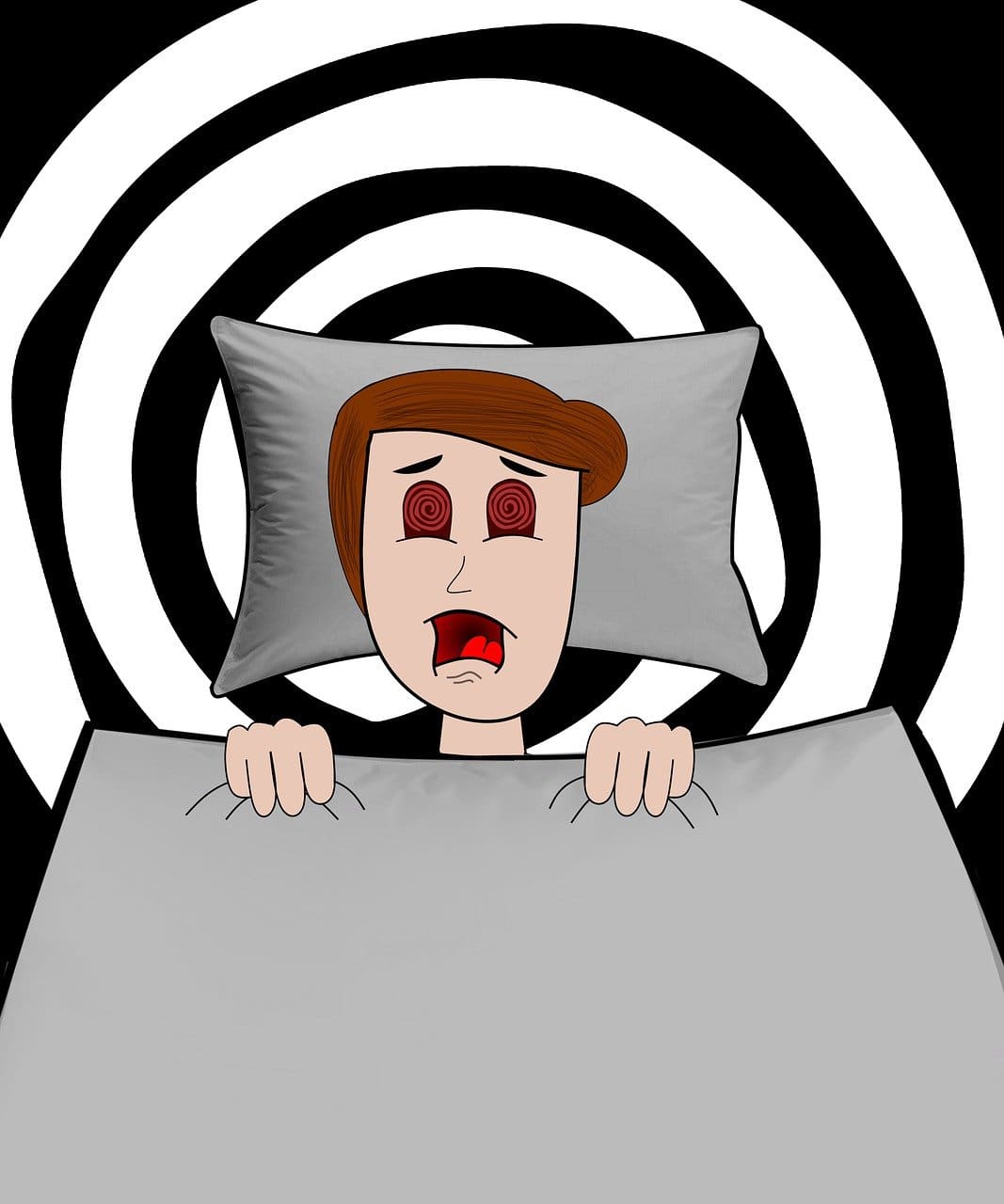
Imagine waking up in the middle of the night, unable to move or speak, with a heavy weight pressing down on your chest. You try to scream for help, but no sound escapes your lips. This terrifying experience is known as sleep paralysis, and it affects people from various cultures around the world. In this article, we will explore the diverse cultural beliefs surrounding sleep paralysis, from the ancient folklore of the Japanese to the tales of supernatural beings in many African cultures. Join us as we unravel the mysteries and uncover the shared beliefs that connect us all in this nocturnal phenomenon.
Africa
Folklore and supernatural beliefs
In many African cultures, sleep paralysis is often attributed to supernatural forces and spiritual entities. It is believed that during sleep paralysis, an individual’s soul is vulnerable to spirits or demons who can paralyze them. These entities are thought to possess the sleepers and cause the terrifying experiences associated with sleep paralysis. Folklore stories and traditions are passed down through generations, sharing cautionary tales about the dangers of encountering these supernatural beings during sleep.
The role of ancestors and spirits
The belief in the presence and influence of ancestors and spirits is deeply rooted in African culture. In some African communities, sleep paralysis is considered to be a form of communication between the living and the spiritual realm. It is believed that during sleep, individuals may be visited by their deceased loved ones or ancestral spirits. Sleep paralysis experiences are seen as an opportunity for guidance, warnings, or even messages from the spiritual world.
Witchcraft and sorcery
In certain African societies, sleep paralysis is associated with witchcraft and sorcery. It is believed that witches or sorcerers have the ability to induce paralysis as a means to harm or control their victims. This belief is often fueled by cultural fears and superstitions surrounding witchcraft practices, leading to the attribution of sleep paralysis to these dark forces. Rituals and protective measures are often employed to ward off witches or sorcerers and prevent sleep paralysis.
Religious interpretations
Religion plays a significant role in shaping the cultural beliefs surrounding sleep paralysis in Africa. In many African countries, Christianity, Islam, and traditional African religions coexist, each providing its unique interpretation of sleep paralysis. Some religious interpretations view sleep paralysis as a spiritual test or a consequence of straying from one’s faith. Others attribute the experiences to a battle between good and evil, with divine intervention or prayers being the key to overcoming sleep paralysis.
Asia
Folklore and myths
Asian cultures are rich in folklore and myths that offer explanations for sleep paralysis. These myths often involve supernatural beings or creatures, such as ghosts, demons, or malevolent spirits, believed to be responsible for sleep paralysis experiences. These stories serve as cautionary tales and provide cultural context for understanding sleep paralysis within the Asian community.
Spirit possession
Throughout Asia, spirit possession is a deeply ingrained belief, and it is also associated with sleep paralysis. It is believed that during sleep paralysis episodes, individuals may attract or be possessed by spirits, leading to the paralysis. Some cultures practice rituals or seek the assistance of spiritual practitioners to cleanse or release these spirits, allowing the affected individuals to regain control of their bodies.
Karma and reincarnation
In many Asian cultures, the belief in karma and reincarnation shapes the interpretation of sleep paralysis experiences. It is believed that sleep paralysis may be a result of past actions or unresolved karma from previous lives. These experiences are seen as opportunities for individuals to cleanse their karma or learn important life lessons to progress on their spiritual journey.
Religious perspectives
Religion, such as Buddhism, Hinduism, Taoism, or Islam, heavily influences the cultural beliefs regarding sleep paralysis in Asia. Depending on the religious traditions and teachings, sleep paralysis may be seen as a spiritual encounter, a punishment, or a test of faith. Religious practices, such as meditation, prayer, or recitation of sacred texts, are often employed as protective measures or means to cope with and overcome sleep paralysis.
Europe
Witchcraft and demonic encounters
In European folklore and history, sleep paralysis is often associated with witchcraft and demonic encounters. It was commonly believed that witches or demons would visit individuals during their sleep, causing paralysis and tormenting them through various means. These beliefs contributed to the association of sleep paralysis with evil forces, leading to fear and the development of protective rituals and remedies.
Supernatural entities
Apart from witches and demons, European folklore also mentions other supernatural entities linked to sleep paralysis experiences. Creatures such as fairies, shadow people, or hags are often depicted as being responsible for the paralysis and accompanying hallucinations. These folk beliefs reflect the cultural understanding of sleep paralysis and provide explanations that were passed down through generations.
Folk beliefs and superstitions
Across Europe, various folk beliefs and superstitions have shaped the understanding of sleep paralysis. Some cultures believe that certain behaviors or actions before sleep can trigger sleep paralysis, such as sleeping in a certain position or eating specific foods. Talismans, amulets, or religious symbols are used as protective measures to ward off evil spirits or prevent sleep paralysis episodes.
Psychological interpretations
While supernatural beliefs have historically influenced the understanding of sleep paralysis in Europe, modern perspectives have embraced psychological interpretations. Sleep paralysis is now acknowledged as a natural phenomenon related to the body’s sleep-wake cycle and the temporary disconnection between the brain and body during REM sleep. Psychological explanations, such as sleep disorders or hallucinations, offer a more scientific understanding of sleep paralysis in Europe.
North America
Native American beliefs
Native American cultures have diverse beliefs regarding sleep paralysis. In some tribes, sleep paralysis is seen as a spiritual encounter with supernatural beings or ancestral spirits. These experiences may be perceived as opportunities for communication, visions, or initiation into higher levels of consciousness. Native American cultures also emphasize the importance of dreams, and sleep paralysis is often considered to be a gateway to the dream realm.
The influence of Hollywood
The influence of Hollywood and popular culture has played a significant role in shaping the understanding of sleep paralysis in North America. Movies, television shows, and books have often portrayed sleep paralysis as a terrifying experience caused by malevolent entities or paranormal phenomena. This depiction has led to increased awareness and interest in sleep paralysis, but it has also perpetuated fear and misconceptions surrounding the phenomenon.
Religious interpretations
Religious interpretations of sleep paralysis in North America vary depending on individual beliefs and cultural backgrounds. Christian interpretations may view sleep paralysis as spiritual warfare or demonic presence, often encouraging prayer and reliance on religious faith for protection. Other religious perspectives may attribute sleep paralysis to spiritual experiences or connections with higher powers.
Psychological perspectives
Psychological perspectives on sleep paralysis are also prevalent in North America. It is recognized as a sleep disorder caused by the temporary inability to move or speak during the transition between sleep and wakefulness. Scientific explanations involving the brain’s mechanisms during REM sleep play a significant role in understanding and treating sleep paralysis in North America.
South America
Spiritual beliefs and shamanism
South American cultures, particularly indigenous communities, have deep spiritual beliefs associated with sleep paralysis. Shamans, spiritual leaders, or medicine men play an essential role in understanding and addressing sleep paralysis experiences. It is believed that during sleep paralysis, individuals may connect with spirits or embark on spiritual journeys facilitated by the guidance of shamans.
Cultural rituals and practices
Various cultural rituals and practices are employed in South America to address sleep paralysis. These rituals often involve the use of plants, such as sacred herbs or hallucinogens, to induce or enhance altered states of consciousness. Through these practices, individuals aim to navigate and interact with the spiritual realms during sleep paralysis experiences.
Supernatural entities
In South American folklore, sleep paralysis is associated with encounters with supernatural entities. These entities may take the form of spirits, demons, or shape-shifters and are believed to be responsible for the paralysis and vivid hallucinations experienced during sleep paralysis episodes. These beliefs are deeply ingrained in cultural storytelling and mythologies.
Religious interpretations
Religious interpretations of sleep paralysis in South America are multifaceted, reflecting the diverse spiritual traditions across the continent. Indigenous beliefs often attribute sleep paralysis to the presence of spirits or ancestral energies. Christianity, brought by European colonizers, has also influenced interpretations, viewing sleep paralysis as spiritual warfare or demonic influence. These religious interpretations provide guidance and rituals to protect against or cope with sleep paralysis experiences.
Oceania
Dreamtime and indigenous mythology
In Oceania, particularly among indigenous communities, sleep paralysis is often associated with the concept of Dreamtime. Dreamtime is a belief system that emphasizes the spiritual significance of dreams and their connection to the ancestral realm. Sleep paralysis is viewed as a portal to the Dreamtime, allowing individuals to communicate with their ancestors, receive messages, or gain spiritual insights.
Ancestral spirits and totems
Ancestry and connection to the spirit world hold great importance in Oceania. Sleep paralysis experiences are often attributed to the presence of ancestral spirits or totems, who may interact with individuals during these episodes. These encounters are seen as significant, emphasizing the spiritual connection between the living and the ancestral realm.
Witchcraft and curses
Witchcraft and curses are also factors influencing the cultural beliefs about sleep paralysis in Oceania. It is believed that witches or individuals possessing negative energy have the power to induce sleep paralysis and inflict harm. Traditional remedies or rituals are utilized to counteract these negative influences, restore harmony, and protect against sleep paralysis.
Psychological explanations
While traditional beliefs play a significant role in Oceania, modern perspectives have embraced psychological explanations for sleep paralysis. The temporary paralysis during REM sleep and the accompanying hallucinations are understood as natural phenomena related to brain activity. These psychological interpretations provide an alternative understanding alongside traditional cultural beliefs about sleep paralysis.
Middle East
Jinn and supernatural entities
In Middle Eastern cultures, sleep paralysis is often attributed to the presence of jinn or supernatural entities. Jinn are believed to be spiritual beings created by God from smokeless fire and have the ability to interact with humans. Sleep paralysis is seen as the result of encounters with jinn, who may cause paralysis, whisper into the individual’s ear, or even possess them.
Religious interpretations
Religious interpretations greatly influence the understanding of sleep paralysis in the Middle East. Islamic teachings provide insights into sleep paralysis, often referencing the influence of jinn and the importance of spiritual protection, such as recitation of prayers or seeking refuge in God’s name. These religious interpretations offer guidance and methods to counteract the negative effects of sleep paralysis.
Evil eye and black magic
In the Middle East, the belief in the evil eye and black magic is prevalent. Sleep paralysis is sometimes attributed to the effects of the evil eye or the influence of black magic cast by individuals with negative intentions. Rituals, such as protective amulets, prayers, or recitations, are employed to ward off these negative energies and prevent sleep paralysis episodes.
Cultural rituals and protections
Cultural rituals and protections against sleep paralysis are common in the Middle East. These rituals often involve the use of incense, talismans, or recitation of sacred texts as a means to seek spiritual protection and ward off malevolent entities. These practices provide individuals with a sense of security and the belief that they can overcome or prevent sleep paralysis.
Indigenous Cultures
Dream realms and spiritual journeys
In various indigenous cultures around the world, sleep paralysis is seen as a gateway to the dream realms and spiritual journeys. It is believed that during sleep paralysis, individuals have the opportunity to communicate with the spirit world, receive guidance or messages, and embark on soul-searching or transformative experiences.
Communication with ancestors
For indigenous cultures, sleep paralysis is often associated with communication with ancestors. It is believed that ancestors can visit individuals during sleep paralysis episodes, offering support, guidance, or even warnings. These experiences are seen as an integral part of the spiritual connection between the living and their ancestors.
Power animals and spirit guides
Indigenous cultures often attribute sleep paralysis experiences to encounters with power animals or spirit guides. These entities are believed to assist and protect individuals during their spiritual journeys or provide insights and teachings. The presence of these guides is seen as a blessing, offering guidance and wisdom during sleep paralysis episodes.
Shamanic interpretations
Shamanic interpretations of sleep paralysis are prevalent in indigenous cultures. Shamans, as spiritual leaders and healers, often guide individuals in understanding and navigating sleep paralysis experiences. They interpret these encounters within the context of the spiritual world, assisting individuals in harnessing the transformative potential of sleep paralysis for personal growth and healing.
Modern Perspectives
Scientific explanations
Modern scientific explanations offer insights into the physiological and neurological processes underlying sleep paralysis. It is understood as a natural phenomenon occurring during REM sleep when the body experiences temporary muscle atonia to prevent acting out dreams. The brain’s extended alertness during wakefulness causes a temporary overlap between the REM sleep and waking states, resulting in the feeling of being awake but unable to move.
Psychiatric disorders and sleep disorders
Sleep paralysis experiences are often associated with psychiatric disorders, such as anxiety or post-traumatic stress disorder (PTSD). These mental health conditions can contribute to the frequency or severity of sleep paralysis episodes. Additionally, sleep disorders, such as narcolepsy or sleep deprivation, have been linked to a higher likelihood of experiencing sleep paralysis.
Sleep paralysis support groups
Across different cultures, sleep paralysis support groups have emerged to provide individuals with a safe space to share their experiences and find understanding and support. These groups foster a sense of community and empowerment, enabling individuals to cope with the challenges of sleep paralysis and share tips for managing and mitigating its impact on sleep quality and overall well-being.
Cross-cultural influences
As cultural exchanges and globalization continue to shape the world, cross-cultural influences on the understanding of sleep paralysis have become more prevalent. With increased access to information and diverse perspectives, individuals are exposed to different cultural beliefs and interpretations of sleep paralysis. This global exchange of knowledge fosters a broader understanding of sleep paralysis beyond individual cultural contexts.
Conclusion
Cultural beliefs about sleep paralysis vary significantly across different regions of the world. These beliefs are deeply rooted in folklore, religious teachings, and spiritual traditions unique to each culture. While some cultures attribute sleep paralysis to supernatural forces and spiritual encounters, others embrace psychological or scientific explanations. Cultural rituals, protections, and practices are employed to address sleep paralysis and its associated challenges. As the world becomes more interconnected, cross-cultural influences contribute to a more comprehensive understanding of sleep paralysis, acknowledging the rich diversity of beliefs and interpretations across different societies.