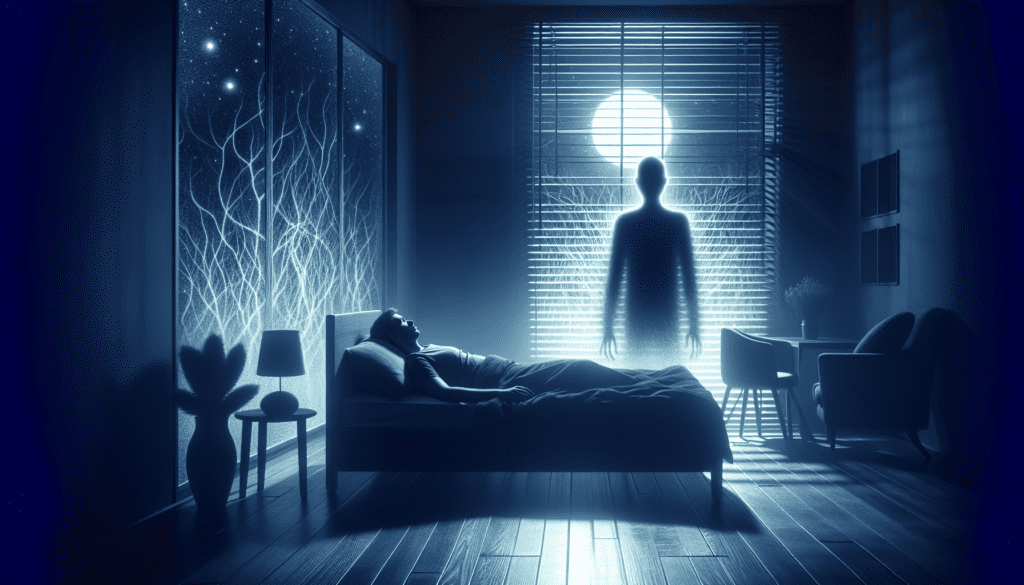
Have you ever experienced the unsettling phenomenon of sleep paralysis? If so, you are likely aware of the distress it can cause while trying to sleep. In this article, we will explore the effect of sleep paralysis on sleep quality and its potential impact on your overall well-being. Sleep paralysis, although a temporary condition, can leave lasting effects on your sleep patterns, and understanding how it affects you is crucial for maintaining a good night’s rest. So, let us delve into the world of sleep paralysis and uncover its influence on your sleep quality.

Overview of Sleep Paralysis
Definition of Sleep Paralysis
Sleep paralysis is a temporary condition that occurs during the transitional stages between wakefulness and sleep. It is characterized by the inability to move or speak, often accompanied by hallucinations and a feeling of pressure on the chest. During these episodes, the mind is awake while the body remains in a state of paralysis. Although sleep paralysis can be a frightening experience, it is not considered to be a harmful or dangerous condition. Many people who experience sleep paralysis find comfort in knowing that it is a common phenomenon that can be explained and managed.
Prevalence of Sleep Paralysis
Sleep paralysis is more common than many people realize. Studies have shown that around 8% of the general population experiences sleep paralysis at some point in their lives. It is most common in adolescents and young adults, and tends to occur more frequently in individuals who have irregular sleep patterns or certain sleep disorders. While sleep paralysis can be a sporadic occurrence for some individuals, others may experience it more frequently, even multiple times a week.
Causes of Sleep Paralysis
The exact causes of sleep paralysis are not completely understood, but it is believed to be related to disruptions in the normal sleep cycle and REM (rapid eye movement) sleep. During REM sleep, our brains are highly active and dreaming occurs. Normally, our muscles are temporarily paralyzed during REM sleep, a mechanism called REM atonia, to prevent us from physically acting out our dreams. With sleep paralysis, there is a disruption or mismatch between brain activity and muscle function, resulting in the inability to move. Stress, sleep deprivation, irregular sleep schedules, and certain sleep disorders such as narcolepsy have been associated with an increased risk of experiencing sleep paralysis.
Symptoms of Sleep Paralysis
Inability to Move or Speak
The most recognizable symptom of sleep paralysis is the inability to move or speak despite being conscious. It feels as though your body is completely paralyzed, leaving you unable to act on your thoughts or even shout for help. This sensation of being trapped within your own body can be quite distressing and can often lead to feelings of panic or confusion.
Feeling of Pressure on the Chest
Another common symptom experienced during sleep paralysis is a feeling of pressure or weight on the chest. This can be described as a heavy or crushing sensation that makes it difficult to breathe or take deep breaths. It can often be accompanied by a sense of suffocation, adding to the overall anxiety and fear associated with sleep paralysis.
Hallucinations
Hallucinations are also frequently reported during episodes of sleep paralysis. These hallucinations can take various forms, ranging from vivid and terrifying visual images to auditory or tactile sensations. It is not uncommon for individuals to perceive the presence of someone in the room, hear strange noises, or feel the touch of something or someone on their body. These hallucinations, combined with the inability to move, can create an intense sense of dread and vulnerability.
Understanding Sleep Quality
Definition of Sleep Quality
Sleep quality refers to the overall subjective experience of the sleep period, taking into consideration factors such as duration, depth, interruptions, and the feeling of restfulness upon waking. It is not simply the number of hours slept that determines sleep quality, but rather the perceived satisfaction and effectiveness of the sleep experience. Good sleep quality is essential for physical and mental well-being, as it allows the body and brain to recover, recharge, and perform at their optimal levels.
Factors Affecting Sleep Quality
Several factors can influence sleep quality, including environmental conditions, lifestyle habits, and underlying medical or psychological conditions. The sleeping environment, such as noise levels, temperature, and comfort of the bed, can greatly impact sleep quality. Lifestyle factors such as regular exercise, diet, and alcohol or caffeine consumption can also have a significant effect. Additionally, conditions like insomnia, sleep apnea, or psychiatric disorders can disrupt sleep quality and lead to various sleep disturbances.
Relationship Between Sleep Paralysis and Sleep Quality
Impact of Sleep Paralysis on Sleep Architecture
Sleep paralysis can disrupt the normal sleep architecture and lead to fragmented sleep. As episodes of sleep paralysis occur during REM sleep, it can cause awakenings or arousal from this sleep stage, resulting in sleep fragmentation and a decreased overall sleep quality. The frequent interruptions to the sleep cycle can also lead to daytime sleepiness and fatigue.
Disruption of Sleep Cycles
Sleep paralysis can disrupt the natural progression of sleep cycles, preventing individuals from reaching the restorative and essential deep stages of sleep. The inability to transition smoothly between sleep stages can result in a decrease in sleep efficiency, leaving individuals feeling less rested and more tired and groggy upon waking. This disruption can have a cumulative effect over time and lead to chronic sleep deprivation.
Effect on Sleep Efficiency
Sleep efficiency refers to the proportion of time spent asleep out of the total time spent in bed. Sleep paralysis episodes, with their associated awakenings and discomfort, can significantly impact sleep efficiency. Individuals who experience frequent episodes of sleep paralysis may spend more time lying awake or struggling to fall back asleep, leading to a decreased sleep efficiency. This can contribute to feelings of frustration and a sense of unrefreshing sleep.

Effects of Sleep Paralysis on Sleep Disorders
Association with Insomnia
Sleep paralysis has been associated with an increased risk of developing insomnia. The fear and anxiety surrounding sleep paralysis episodes can create a cycle of sleep disruption and anxiety, causing individuals to develop a fear of falling asleep. This fear, known as somniphobia, can lead to bedtime anxiety and difficulties in initiating sleep. The resultant sleep disturbances can further exacerbate the occurrence of sleep paralysis episodes.
Correlation with Sleep Apnea
There have been observations of a connection between sleep paralysis and sleep apnea, a sleep disorder characterized by repeated pauses in breathing during sleep. Sleep apnea can lead to fragmented sleep and awakenings during the night, making individuals more susceptible to experiencing sleep paralysis. Additionally, the physiological changes associated with sleep apnea, such as fluctuations in oxygen levels and heart rate, may contribute to the occurrence of sleep paralysis episodes.
Impact on Restless Legs Syndrome
Restless legs syndrome (RLS) is a sensorimotor disorder characterized by an irresistible urge to move the legs, often accompanied by uncomfortable sensations. Research has suggested a possible comorbidity between RLS and sleep paralysis, with individuals who experience RLS symptoms being more likely to also experience sleep paralysis episodes. The presence of RLS symptoms can further disrupt sleep and contribute to the overall reduction in sleep quality.
Psychological Impact of Sleep Paralysis on Sleep Quality
Anxiety and Fear of Sleep Paralysis Episodes
Sleep paralysis can have a significant psychological impact on individuals, often leading to feelings of anxiety, fear, and dread surrounding sleep. The unpredictable nature of sleep paralysis episodes and the accompanying hallucinations can create a sense of vulnerability and helplessness. These intense emotional reactions can contribute to sleep disturbances and overall poor sleep quality.
Effect on Sleep Anxiety Disorder
Sleep anxiety disorder, also known as somniphobia, is a condition characterized by an excessive fear and worry about the experience of sleep. Sleep paralysis can play a significant role in the development or exacerbation of sleep anxiety disorder. The fear of experiencing sleep paralysis episodes and the associated sensations can lead to heightened anxiety and avoidance behaviors, perpetuating the cycle of poor sleep quality and anxiety.
Connection with Post-Traumatic Stress Disorder
Sleep paralysis has also been closely linked to post-traumatic stress disorder (PTSD). Traumatic experiences, especially those involving sleep disturbances or nightmares, can trigger the onset or worsening of sleep paralysis. For individuals with PTSD, sleep paralysis can serve as a distressing reminder of the trauma and further disrupt sleep quality, leading to a negative impact on overall well-being.

Management and Coping Strategies
Improving Sleep Hygiene
Good sleep hygiene practices can greatly improve sleep quality and reduce the occurrence of sleep paralysis episodes. Some helpful tips include maintaining a consistent sleep schedule, creating a comfortable sleep environment, avoiding stimulating activities or substances before bed, and practicing relaxation techniques. Establishing a regular bedtime routine and optimizing sleep conditions can promote better sleep quality and reduce the frequency of sleep paralysis episodes.
Using Relaxation Techniques
Relaxation techniques, such as deep breathing exercises, progressive muscle relaxation, and guided imagery, can be effective in managing anxiety and promoting relaxation before sleep. These techniques can help reduce the stress and tension associated with sleep paralysis, allowing individuals to approach sleep with a calmer and more peaceful mindset. Incorporating regular relaxation practices into the nightly routine can contribute to improved sleep quality and a reduction in sleep paralysis symptoms.
Seeking Professional Help
If sleep paralysis episodes significantly affect sleep quality or cause distressing psychological symptoms, seeking professional help may be beneficial. Sleep specialists, psychologists, or psychiatrists with expertise in sleep disorders can provide guidance and support in managing sleep paralysis and any related psychological effects. They may recommend therapies such as cognitive-behavioral therapy for insomnia (CBT-I) or medications to alleviate associated symptoms and improve overall sleep quality.
Impact of Sleep Paralysis on Daytime Functioning
Excessive Daytime Sleepiness
Sleep paralysis can cause excessive daytime sleepiness, as the fragmented sleep and the anxiety surrounding the episodes can lead to a decreased feeling of restfulness upon waking. Individuals may struggle to maintain alertness and may experience episodes of drowsiness and fatigue throughout the day. This excessive daytime sleepiness can interfere with daily activities, work performance, and overall quality of life.
Fatigue and Reduced Alertness
People who experience sleep paralysis often report feeling fatigued and less alert during the day. The disrupted sleep patterns and the anxieties associated with sleep paralysis can lead to a decrease in overall energy levels, making it difficult to stay focused and engaged. Reduced alertness can impact cognitive functioning, memory, and the ability to perform tasks effectively, affecting both personal and professional life.
Impact on Cognitive Performance
Sleep paralysis can have a negative impact on cognitive performance, including attention, memory, and problem-solving abilities. The lack of quality sleep and the resulting daytime sleepiness can impair cognitive function, leading to difficulties with concentration, learning, and decision-making. This can affect academic or work performance and contribute to feelings of frustration and decreased self-esteem.

Research and Studies on Sleep Paralysis
Advancements in Sleep Paralysis Research
In recent years, there has been an increased focus on researching sleep paralysis, leading to advancements in understanding its underlying mechanisms and potential treatments. Researchers have been studying the neurological and physiological aspects of sleep paralysis, exploring the role of genetics, brain activity, and sleep architecture in its occurrence. These studies aim to shed light on the complex nature of sleep paralysis and pave the way for more effective interventions.
Findings on Treatment Methods
Various treatment methods have been explored for managing sleep paralysis symptoms. Cognitive-behavioral therapy (CBT) has shown promising results in helping individuals cope with the anxiety and fear associated with sleep paralysis. CBT focuses on modifying negative thought patterns and implementing relaxation techniques to reduce psychological distress. Additionally, medications such as selective serotonin reuptake inhibitors (SSRIs) and benzodiazepines have been used in some cases to help alleviate symptoms.
Effectiveness of Medications
While medications can provide symptomatic relief for some individuals experiencing sleep paralysis, their effectiveness varies from person to person. SSRIs, commonly used in the treatment of anxiety and depression, have shown some success in reducing the frequency and intensity of sleep paralysis episodes. However, it is important to note that medications should be used under the guidance of a healthcare professional, as they may have side effects and can interact with other medications.
Conclusion
Summary of Sleep Paralysis Effects on Sleep Quality
Sleep paralysis can have a significant impact on sleep quality, with its associated symptoms and disruptions to sleep architecture. The inability to move or speak, hallucinations, and feelings of anxiety can lead to fragmented sleep, decreased sleep efficiency, and daytime sleepiness. Sleep paralysis has also been associated with the development or exacerbation of various sleep disorders, such as insomnia, sleep apnea, and restless legs syndrome.
Importance of Awareness and Support
Raising awareness about sleep paralysis is crucial to help individuals understand and manage their experiences. Education about the causes, symptoms, and coping strategies can empower those affected by sleep paralysis to take control of their sleep and overall well-being. Support from healthcare professionals, such as sleep specialists and psychologists, can provide guidance and assistance in managing sleep paralysis and any associated psychological effects.
Future Directions for Research
Continued research into the underlying mechanisms and treatment options for sleep paralysis is essential to improve understanding and provide effective interventions. Further studies can help identify risk factors, develop targeted therapies, and promote early detection and prevention strategies. By expanding our knowledge of sleep paralysis, we can strive to enhance sleep quality and overall mental health for individuals affected by this condition.