
In this article, you will learn how to identify potential triggers of sleep paralysis in your daily routine. By being aware of common factors that can contribute to episodes of sleep paralysis, you can take proactive steps to minimize their occurrence and improve your overall sleep quality. From stress and sleeping positions to certain medications and lifestyle choices, understanding what may trigger sleep paralysis can help you take control of your sleep health and enjoy more peaceful nights.
How To Recognize Potential Sleep Paralysis Triggers In Your Daily Life
Have you ever experienced the terrifying sensation of waking up unable to move, speak, or even breathe? You may have had an episode of sleep paralysis. It can be a frightening experience, but knowing your triggers can help you avoid or minimize these occurrences. In this article, we’ll discuss how to recognize potential sleep paralysis triggers in your daily life.
Understanding Sleep Paralysis
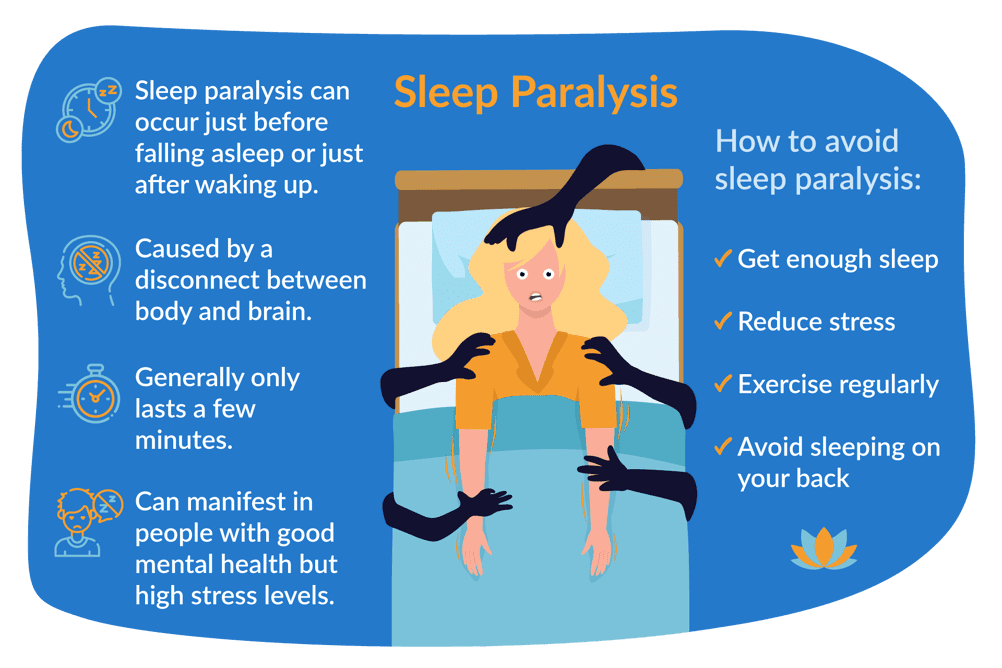
Before we dive into identifying triggers, let’s first understand what sleep paralysis is. Sleep paralysis is a phenomenon in which a person temporarily experiences an inability to move, speak, or react while falling asleep or waking up. It can be accompanied by hallucinations and a feeling of pressure on the chest. While the exact cause of sleep paralysis is not fully understood, it is believed to occur when one’s brain and body aren’t in sync during the transition between sleep stages.
What Happens During Sleep Paralysis?
During a typical night’s sleep, your body cycles through different stages, including REM (Rapid Eye Movement) and NREM (Non-Rapid Eye Movement) sleep. Sleep paralysis usually occurs during the REM stage when your muscles are typically paralyzed to prevent you from acting out your dreams. However, during sleep paralysis, you may become conscious while your body remains in this state of muscle atony, causing you to feel trapped and unable to move.

Identifying Potential Triggers
Now that we have a basic understanding of sleep paralysis, let’s explore some common triggers that can bring on an episode of sleep paralysis. By recognizing these triggers, you can take steps to minimize their impact on your sleep quality.
Stress and Anxiety
Stress and anxiety are two of the most common triggers for sleep paralysis. When you are under significant stress or experiencing anxiety, your body’s stress response can disrupt your sleep patterns and increase your chances of experiencing sleep paralysis. This is because high levels of stress can trigger the release of certain neurotransmitters in your brain that interfere with the quality of your sleep.
Sleep Deprivation
Not getting enough sleep can also increase your risk of experiencing sleep paralysis. When you are sleep-deprived, your body may struggle to transition smoothly between sleep stages, making it more likely that you will become conscious while your muscles are still paralyzed. Additionally, sleep deprivation can lead to increased feelings of grogginess and disorientation upon waking, making it harder to snap out of a sleep paralysis episode.
Irregular Sleep Schedule
Maintaining a consistent sleep schedule is essential for good sleep hygiene. If you frequently shift your sleep times or stay up late, you may disrupt your body’s internal clock, leading to sleep disturbances like sleep paralysis. Your body thrives on routine, so it’s essential to establish regular sleep and wake times to promote healthy sleep patterns and reduce the likelihood of experiencing sleep paralysis.

Tracking Your Triggers
To better understand your personal sleep paralysis triggers, consider keeping a sleep diary. Note down any potential triggers like stressful events, changes in your sleep schedule, or feelings of anxiety. By tracking these factors, you can start to identify patterns and determine which triggers are most likely to lead to sleep paralysis episodes.
How to Create a Sleep Diary
Creating a sleep diary is simple and can provide valuable insights into your sleep patterns and potential triggers. Here’s how you can get started:
- Note the Date and Time: Record the date and time when you go to bed and when you wake up.
- Track Your Activities: Write down any activities or events that may have impacted your sleep, such as stressful situations or changes in your routine.
- Record Your Sleep Quality: Rate your sleep quality on a scale of 1 to 10, with 1 being poor and 10 being excellent.
- Document Any Sleep Paralysis Episodes: If you experience sleep paralysis, note the date, time, and any potential triggers that preceded the episode.
By maintaining a detailed sleep diary, you can gain a better understanding of how your daily habits and experiences affect your sleep quality.

Implementing Healthy Sleep Habits
In addition to tracking your triggers, adopting healthy sleep habits can help reduce your risk of experiencing sleep paralysis. Here are some tips to improve your sleep hygiene:
Stick to a Consistent Sleep Schedule
Try to go to bed and wake up at the same time every day, even on weekends. Consistency helps regulate your body’s internal clock and promotes better sleep quality.
Create a Relaxing Bedtime Routine
Establishing a calming bedtime routine can signal to your body that it’s time to wind down and prepare for sleep. Avoid stimulating activities close to bedtime, such as using electronic devices or consuming caffeine.
Create a Comfortable Sleep Environment
Make sure your bedroom is conducive to sleep by keeping it dark, quiet, and cool. Invest in a comfortable mattress and pillows to ensure proper support while you sleep.
Manage Stress and Anxiety
Find healthy ways to cope with stress and anxiety, such as exercise, deep breathing techniques, or meditation. Prioritizing self-care can help reduce your overall stress levels and improve your sleep quality.
Seek Professional Help
If you continue to experience frequent episodes of sleep paralysis despite implementing these strategies, consider seeking advice from a healthcare professional. A doctor or sleep specialist can help assess your situation and recommend appropriate treatment options.
Conclusion
Sleep paralysis can be a frightening and disruptive experience, but by identifying your triggers and implementing healthy sleep habits, you can reduce the likelihood of experiencing episodes. Remember that everyone’s experience with sleep paralysis is unique, so it’s essential to pay attention to your body’s signals and adjust your lifestyle accordingly. By taking proactive steps to improve your sleep hygiene, you can enjoy more restful and uninterrupted nights of sleep. Sweet dreams!
