

Have you ever woken up in the middle of the night unable to move a muscle, with a sense of dread looming over you? You might have experienced sleep paralysis, a fascinating phenomenon that has been surrounded by folklore and myths for centuries. In this article, we will take a closer look at the intriguing tales that have emerged from different cultures across the world, shedding light on the mysterious world of sleep paralysis. Beware, for you are about to embark on a journey into the realms of the unknown!
Sleep Paralysis: Understanding the Phenomenon
Sleep paralysis is a fascinating and often misunderstood phenomenon that occurs during sleep. It is characterized by a temporary inability to move or speak, usually lasting a few seconds to a few minutes. Although it can be a frightening experience, understanding sleep paralysis can help alleviate some of the fear and anxiety associated with it. In this article, we will explore the definition, common symptoms, and scientific explanation behind sleep paralysis.
Defining sleep paralysis
Sleep paralysis is a state in which a person is temporarily unable to move or speak while falling asleep or waking up. It occurs when the transition between sleep stages is disrupted, leading to a dissociation of the mind and body. During sleep paralysis, the brain is awake and alert, but the body remains paralyzed. This often results in a sense of immobility and a feeling of pressure on the chest.
Common symptoms of sleep paralysis
The most common symptom of sleep paralysis is the inability to move or speak. This can be accompanied by a feeling of pressure on the chest or a sense of being held down. Many people also report hallucinations during sleep paralysis, seeing or sensing the presence of shadowy figures or supernatural entities in the room. Some individuals may also experience a constricted breathing sensation or a racing heart rate.
Scientific explanation behind sleep paralysis
Sleep paralysis occurs due to a disruption in the normal sleep cycle. During rapid eye movement (REM) sleep, which is the stage of sleep associated with vivid dreaming, the body undergoes muscle atonia, or temporary paralysis. This is a protective mechanism that prevents us from acting out our dreams and potentially harming ourselves or others. In sleep paralysis, this muscle atonia persists even as the mind becomes alert, resulting in the inability to move.
Sleep Paralysis in Folklore and Mythology
Throughout history, sleep paralysis has been the subject of much folklore and mythology. Here, we will delve into the historical references, cultural interpretations, and the tales and legends that have emerged surrounding this intriguing phenomenon.
Historical references to sleep paralysis
References to sleep paralysis can be found in various historical texts and accounts. Ancient civilizations such as the Egyptians and the Greeks believed that sleep paralysis was caused by spiritual forces or malevolent entities. In fact, the term “nightmare” originally referred to the supernatural being believed to cause sleep paralysis.
Cultural interpretations of sleep paralysis
Different cultures around the world have their own unique interpretations of sleep paralysis. In some African cultures, it is believed to be caused by witchcraft or the work of evil spirits. In Japanese folklore, sleep paralysis is attributed to a creature known as the Kanashibari, which is said to sit on the chest of its victims, causing them to be unable to move or speak.
Folktales and legends surrounding sleep paralysis
Sleep paralysis has given rise to a myriad of fascinating folktales and legends. One such tale is that of the Old Hag, a common figure in European folklore. According to the legend, the Old Hag is a malevolent spirit that sits on the chest of sleeping individuals, causing them to experience paralysis and a sense of impending doom. Similar tales exist in various cultures around the world, each with their own unique twist on the sleep paralysis experience.

The Night Hag: A Widespread Myth
One of the most widespread myths surrounding sleep paralysis is that of the Night Hag. This terrifying entity has been reported in numerous cultures and has different characteristics and variations depending on the region.
Origin of the night hag myth
The myth of the Night Hag can be traced back to ancient civilizations, including the Greeks and the Egyptians. These cultures believed that sleep paralysis was caused by malevolent spirits or supernatural beings. The Night Hag is often associated with nightmares and the feeling of being held down during sleep.
Characteristics of the night hag
The Night Hag is typically described as an old woman or a witch-like figure. She is believed to visit sleeping individuals, sitting on their chests and preventing them from moving or speaking. Many who have experienced sleep paralysis report seeing or feeling the presence of this malevolent entity in their room.
Different cultural variants of the night hag
The Night Hag myth has evolved differently in various cultures around the world. In some cultures, she is associated with sleep disturbances and is believed to be responsible for causing nightmares. In others, she is seen as a symbol of impending doom or a punishment for past misdeeds. Despite the cultural variations, the Night Hag remains a terrifying figure associated with sleep paralysis.
The Succubus and Incubus Encounters
In addition to the Night Hag, sleep paralysis experiences are often associated with encounters with supernatural beings known as succubi and incubi. These entities have been a part of folklore and mythology for centuries.
Succubus and incubus in folklore
Succubi and incubi are supernatural entities that are said to visit individuals during sleep, often in the context of a sexual encounter. In various cultures, these beings are believed to steal the life force or energy of their victims. They have been depicted in artwork, literature, and religious texts throughout history.
Describing the experiences with succubi and incubi
Those who have experienced sleep paralysis often report encounters with succubi or incubi. These experiences can range from feeling a presence in the room to vivid sexual dreams accompanied by a sense of paralysis. While some dismiss these encounters as mere hallucinations, others believe them to be real interactions with otherworldly beings.
Psychological explanations for succubus/incubus encounters
From a psychological standpoint, encounters with succubi and incubi during sleep paralysis can be attributed to the mind’s attempt to make sense of the abnormal experience. Hallucinations and vivid dreams are common during sleep paralysis, and the mind may create elaborate narratives involving supernatural beings as a way to explain the paralysis and the presence of shadowy figures.
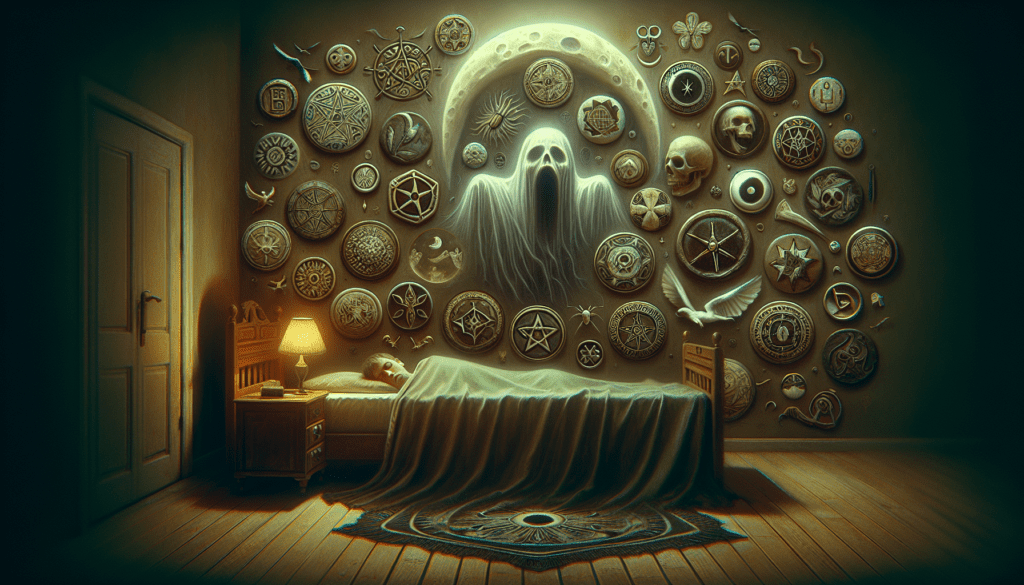
Supernatural Entities Involved in Sleep Paralysis
In addition to the Night Hag, succubi, and incubi, sleep paralysis experiences often involve encounters with various supernatural entities. Shadow people, demons, witches, and spirits are among the commonly reported beings.
Shadow people and their association with sleep paralysis
Shadow people are dark, shadow-like figures that are often associated with sleep paralysis experiences. These entities are said to lurk in the corners of the room or stand at the foot of the bed, watching the paralyzed individual. While some believe these shadow people to be extraterrestrial beings or interdimensional entities, others view them as manifestations of the subconscious mind. Regardless of their origin, shadow people are a common aspect of sleep paralysis experiences.
Demons, witches, and spirits linked to sleep paralysis
In many cultures, sleep paralysis is believed to be caused by the presence of demons, witches, or spirits. These malevolent beings are often associated with nightmares and the feeling of being held down during sleep. The belief in these supernatural entities provides a cultural framework for understanding and making sense of the sleep paralysis experience.
Common aspects of supernatural entities encountered during sleep paralysis
While the specific forms and characteristics of supernatural entities encountered during sleep paralysis may vary across cultures and individual experiences, there are some commonalities. Many report a feeling of dread or malevolence emanating from these entities, as well as a sense of powerlessness and vulnerability. The presence of these supernatural beings adds to the fear and terror that can accompany sleep paralysis.
Cultural Variations in Sleep Paralysis Beliefs
Sleep paralysis beliefs and interpretations vary across different cultures and have been shaped by cultural beliefs, superstitions, and religious perspectives. Here, we will explore some of the cultural variations in sleep paralysis beliefs.
Sleep paralysis myths in East Asia
In East Asian cultures, sleep paralysis is often attributed to supernatural beings or spiritual forces. In Japan, the Kanashibari is believed to cause sleep paralysis by sitting on the chest of its victims. In Chinese culture, it is believed that sleep paralysis is caused by the “Gui Ya,” which is a ghost or spirit that visits sleeping individuals.
Sleep paralysis folklore in Africa
In various African cultures, sleep paralysis is commonly believed to be caused by witchcraft or the work of evil spirits. It is believed that witches or malevolent spirits can induce sleep paralysis as a form of punishment or to control individuals. Rituals and spiritual practices are often employed to protect against these supernatural forces.
Sleep paralysis beliefs in indigenous cultures
Indigenous cultures around the world have their own unique interpretations of sleep paralysis. For example, in some Native American cultures, sleep paralysis is seen as a spiritual awakening or an invitation to connect with the spirit realm. In other indigenous cultures, sleep paralysis is attributed to the presence of ancestral spirits or powerful entities.
Exploring the Psychological Explanation
While folklore and mythology provide cultural interpretations of sleep paralysis, the psychological explanation offers a scientific understanding of the phenomenon. Here, we will explore the various psychological factors that contribute to sleep paralysis.
Neurological factors contributing to sleep paralysis
Sleep paralysis is thought to be largely influenced by neurological factors. It is believed that disruptions in the normal sleep cycle, such as transitioning between sleep stages, can result in the dissociation between the mind and body. Some individuals may be more prone to experiencing sleep paralysis due to inherent neurological vulnerabilities.
Hallucinations and sleep-related disorders
Hallucinations are a common occurrence during sleep paralysis, and these can contribute to the vivid and often terrifying experiences associated with the phenomenon. In some cases, sleep paralysis may be accompanied by other sleep-related disorders, such as narcolepsy or sleep apnea, which can further disrupt the sleep cycle and increase the likelihood of experiencing sleep paralysis.
How stress and sleep deprivation influence sleep paralysis
Stress and sleep deprivation have been identified as contributing factors to sleep paralysis. Psychological stress can disrupt the sleep cycle and increase the frequency of sleep paralysis episodes. Similarly, a lack of quality sleep or consistently disrupted sleep patterns can also increase the likelihood of experiencing sleep paralysis.
Historical and Scientific Documentation of Sleep Paralysis
Sleep paralysis has been documented throughout history, both in medical records and scientific studies. This documentation has contributed to our understanding of the phenomenon and the development of diagnostic criteria.
Early medical records of sleep paralysis
Sleep paralysis has been described in medical literature for centuries. In ancient times, it was often attributed to supernatural causes, but as medical knowledge advanced, a clearer understanding of the condition emerged. Early medical records began to link sleep paralysis to the disruption of the sleep cycle and the phenomenon of muscle atonia during REM sleep.
Scientific studies on the phenomenon
In more recent years, scientific studies have shed further light on sleep paralysis. Researchers have used various methods, including sleep studies and surveys, to investigate the prevalence, characteristics, and associated factors of sleep paralysis. These studies have provided valuable insights into the neurological, psychological, and cultural aspects of sleep paralysis.
Development of diagnostic criteria for sleep paralysis
In the field of sleep medicine, diagnostic criteria have been established to help identify and classify sleep paralysis. These criteria take into account the subjective experiences described by individuals experiencing sleep paralysis, as well as the physical and neurological factors associated with the phenomenon. The development of diagnostic criteria has contributed to improved recognition and understanding of sleep paralysis within the medical community.
Cross-Cultural Interpretations of Sleep Paralysis
Sleep paralysis is not only a universal human experience but also one that is interpreted differently across cultures. Here, we will explore the cross-cultural interpretations of sleep paralysis.
Symbolic interpretations across different cultures
Sleep paralysis is often interpreted symbolically within different cultures. In some societies, it is seen as a spiritual experience or a form of communication with the divine or ancestral spirits. Others interpret sleep paralysis as a reflection of inner psychological struggles or as a manifestation of hidden fears and desires.
Religious and spiritual perspectives on sleep paralysis
Religious and spiritual perspectives play a significant role in shaping the interpretation of sleep paralysis. In some cultures, sleep paralysis is believed to be a result of supernatural forces or the influence of spiritual entities. Religious rituals and practices are often employed to protect against or alleviate the effects of sleep paralysis.
Sleep paralysis in literature and art
Sleep paralysis has captured the imagination of artists, writers, and filmmakers throughout history. It has been depicted in various forms of art and literature, often symbolizing fear, vulnerability, and the unknown. These artistic representations have further contributed to the cultural interpretation and understanding of sleep paralysis.
Conclusion
Sleep paralysis is a phenomenon that has captivated human beings for centuries. From ancient myths and folklore to scientific explanations and cross-cultural interpretations, it is clear that sleep paralysis holds a significant place in human history and culture. By exploring the various aspects of sleep paralysis, we can gain a deeper understanding of this intriguing phenomenon and alleviate some of the fear and uncertainty associated with it. So the next time you find yourself unable to move or speak during sleep, remember that you are not alone in experiencing this fascinating and often misunderstood aspect of the human sleep cycle.