

In this fascinating article, you will explore the intriguing world of sleep paralysis and gain a deeper understanding of the cultural beliefs and folklore that surround this phenomenon. Whether you have experienced sleep paralysis yourself or are simply curious about this mysterious condition, you will discover the various interpretations and explanations that different cultures have attributed to it throughout history. From ancient myths and superstitions to modern scientific theories, this article will take you on a captivating journey through the cultural lens of sleep paralysis. Prepare to uncover the many fascinating tales and beliefs that have woven around this puzzling sleep phenomenon.
Sleep Paralysis
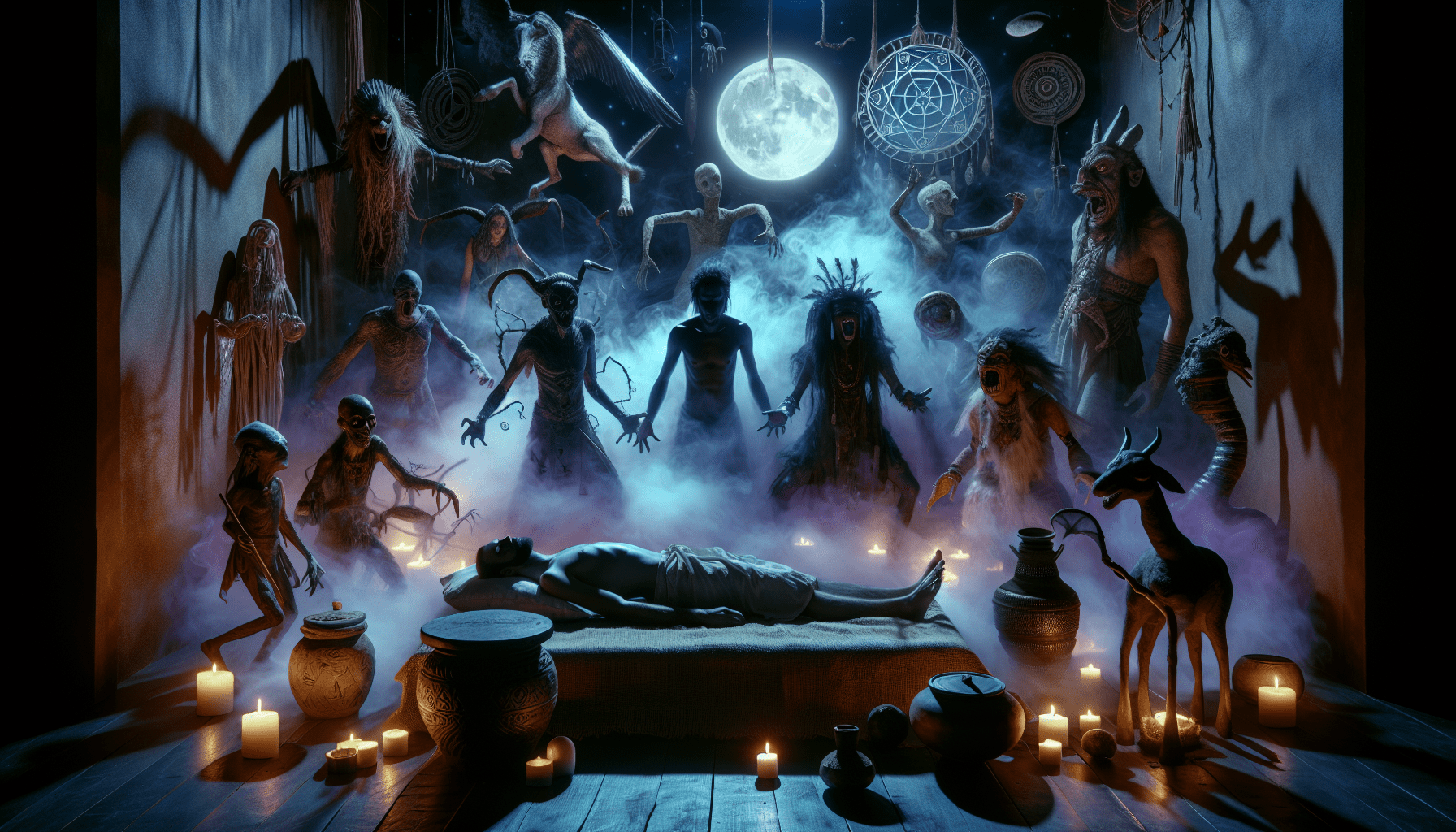
Sleep paralysis is a phenomenon that occurs during sleep, typically when a person is just about to fall asleep or when they are waking up. It is characterized by a temporary inability to move or speak, often accompanied by a feeling of pressure on the chest and a sense of impending doom. This condition can be a frightening experience, as it can give the illusion of being awake but unable to move or call for help.
Definition
Sleep paralysis is a condition that is classified as a sleep disorder. It is a state where the body is temporarily unable to move or speak, despite the person being fully aware of their surroundings. This paralysis is believed to occur as a result of a disruption in the transition between sleep stages, particularly during rapid eye movement (REM) sleep, which is the stage of sleep associated with dreaming.
Symptoms
The primary symptom of sleep paralysis is the temporary inability to move or speak. However, individuals may also experience hallucinations, which can be visual, auditory, or tactile in nature. These hallucinations can vary widely, ranging from seeing shadowy figures or experiencing a sense of presence in the room to hearing strange voices or feeling a sensation of being touched.
Sleep paralysis can also be accompanied by feelings of fear, panic, and a sense of impending doom. The experience can be distressing, and individuals may report a racing heart, rapid breathing, and sweating during an episode.
Cultural Beliefs
Sleep paralysis is not only a medical phenomenon but is also deeply rooted in various cultural beliefs and folklore around the world. Many cultures have their own explanations for this phenomenon, attributing it to supernatural forces or spiritual awakenings.
Sleep Paralysis across Cultures
Sleep paralysis is not unique to one culture or region but is experienced across different societies around the world. However, the interpretations and cultural beliefs surrounding sleep paralysis can vary significantly from one culture to another.
Demons and Supernatural Creatures
In many cultures, sleep paralysis is associated with demons or supernatural creatures. These entities are believed to be responsible for holding the person down during the episode, causing the feeling of paralysis. In some cultures, such as in parts of Africa and the Caribbean, it is believed that these supernatural entities are a physical manifestation of evil spirits or demons trying to possess the individual.
Spiritual Awakening and Enlightenment
In contrast, some cultures view sleep paralysis as a sign of spiritual awakening or enlightenment. It is believed that during an episode of sleep paralysis, the individual’s consciousness is temporarily disconnected from their physical body, allowing them to explore the spiritual realm or receive messages from the divine.
Visits from Ancestors or Ghosts
In certain cultures, sleep paralysis is seen as an opportunity for ancestors or ghosts to communicate with the living. Some believe that during an episode, deceased loved ones may visit the individual to offer guidance or give warnings. This belief can bring comfort to those who experience sleep paralysis, as it offers a positive interpretation of what can be a distressing experience.
Folklore and Mythology
The cultural beliefs surrounding sleep paralysis have had a profound influence on folklore and mythology. These beliefs have given rise to various tales and legends that seek to explain and make sense of the phenomenon.
Influence of Cultural Beliefs on Folklore
Cultural beliefs surrounding sleep paralysis have often been intertwined with folklore and mythology. These stories serve as a way to convey cultural values, explain natural phenomena, and provide explanations for the unexplained. Folklore and mythology offer narratives that can help individuals make sense of their experiences and provide a cultural framework for understanding sleep paralysis.
Sleep Paralysis in Folklore
In many folklore traditions, sleep paralysis is associated with malevolent creatures or spirits who prey on vulnerable individuals while they sleep. These beings are often depicted as supernatural creatures, such as witches, demons, or vampires, who feed off the sleeping person’s energy or induce terror for their own satisfaction.
Famous Folklore Characters Associated with Sleep Paralysis
Famous folklore characters associated with sleep paralysis include the succubus and the incubus. These entities are believed to be demons or spirits that visit individuals during sleep paralysis, often with a sexual or seductive intent. The succubus is said to visit men, while the incubus visits women, and their presence is associated with feelings of suffocation and helplessness.
Historical Perspectives
Sleep paralysis has been documented throughout history, and various cultures have sought to explain this phenomenon long before the advent of modern science. Historical accounts and beliefs offer fascinating insights into how sleep paralysis has been perceived and understood in different epochs.
Historical Accounts of Sleep Paralysis
There are historical accounts of sleep paralysis dating back centuries. Ancient civilizations, such as Egypt and Greece, described experiences similar to sleep paralysis in their written records. These accounts often attributed the phenomenon to supernatural beings or deities, which reflects the prevailing beliefs of the time.
Explanations in Ancient Cultures
In ancient cultures, such as those of the Greeks and Romans, sleep paralysis was often believed to be caused by torment from the gods or supernatural forces. It was seen as a punishment or a warning, and rituals and offerings were performed to appease the gods and seek protection from these episodes.
Medical and Scientific Explanations
While cultural beliefs and folklore have shaped our understanding of sleep paralysis, modern science has provided us with medical explanations for this phenomenon. These explanations focus on the neurological factors and sleep disorders associated with sleep paralysis.
Neurological Factors
Neurological factors play a crucial role in the occurrence of sleep paralysis. It is believed that there is a disruption in the normal functioning of the brain during the transition between sleep stages, causing a temporary disconnection between the brain and the body’s motor functions. This disruption can be influenced by various factors, including stress, sleep deprivation, and underlying neurological conditions.
REM Sleep and Muscle Atonia
Sleep paralysis is closely associated with rapid eye movement (REM) sleep, the stage of sleep characterized by vivid dreaming. During REM sleep, the brain sends signals to inhibit the activation of the muscles, resulting in a state of muscle atonia or temporary paralysis to prevent acting out dreams. In sleep paralysis, this paralysis continues even after waking up, leading to the sensation of being unable to move.
Sleep Disorders and Sleep Paralysis
Sleep disorders, such as narcolepsy and sleep apnea, have been found to be associated with an increased risk of sleep paralysis. These disorders can disrupt the normal sleep cycle, including REM sleep, and can increase the frequency and intensity of sleep paralysis episodes. Additionally, certain medications and substance abuse can also contribute to the occurrence of sleep paralysis.
The Influence of Media
Media, including movies, TV shows, and literature, have played a significant role in shaping cultural beliefs and perceptions surrounding sleep paralysis. The depiction of sleep paralysis in popular media has often perpetuated existing cultural ideas or created new narratives.
Depiction of Sleep Paralysis in Movies and TV Shows
Sleep paralysis has been featured in various movies and TV shows, often portrayed as a terrifying experience caused by supernatural forces. These portrayals can feed into the existing cultural beliefs surrounding sleep paralysis and reinforce the notion that it is a paranormal or malevolent phenomenon.
Impact of Media on Cultural Beliefs
The portrayal of sleep paralysis in the media has the power to influence and shape cultural beliefs. When media sources depict sleep paralysis as something supernatural or frightening, it can contribute to the perpetuation of these beliefs within society. Conversely, media can also play a role in dispelling myths and providing accurate information about the condition, leading to a better understanding of sleep paralysis.
Cross-Cultural Understanding
The exploration of cultural beliefs and folklore surrounding sleep paralysis allows for a deeper understanding of the diversity of human experiences and perspectives. It is essential to respect and appreciate different beliefs to promote cross-cultural understanding and empathy.
Respecting and Appreciating Different Beliefs
By acknowledging and respecting different cultural beliefs, we can foster a sense of inclusivity and open-mindedness. Recognizing that cultural interpretations of sleep paralysis vary can help promote tolerance and understanding across cultures, leading to a more harmonious global society.
Exploring Similarities and Differences
Despite the diversity in cultural beliefs surrounding sleep paralysis, there are often underlying similarities that can be found. Exploring these similarities can help us identify common threads in human experiences and recognize our shared humanity. By acknowledging both the similarities and differences, we can work towards enriching our understanding of sleep paralysis and other cultural phenomena.
Personal Experiences and Testimonies
Personal stories and experiences of individuals who have encountered sleep paralysis can provide valuable insights into the impact of the phenomenon on their lives. Sharing these stories can help create a supportive community and validate the experiences of those who have gone through sleep paralysis.
Sharing Personal Stories
By sharing personal stories of sleep paralysis, individuals can find solace in knowing that they are not alone in their experiences. It creates a sense of community and allows for the exchange of coping strategies and emotional support. Personal testimonies also contribute to raising awareness and reducing the stigma surrounding sleep paralysis.
Community Support and Validation
The sharing of personal experiences within a community of individuals who have had similar encounters with sleep paralysis can provide a sense of validation. It helps individuals realize that their experiences are real and valid, fostering a supportive environment where individuals can seek advice and gain a deeper understanding of their own experiences.
Coping Strategies and Treatment
Dealing with sleep paralysis can be challenging, but there are various coping strategies and treatment options available to help individuals manage their symptoms and reduce the frequency of episodes.
Education and Awareness
Education and awareness about sleep paralysis are essential to demystify the phenomenon and debunk myths surrounding it. By understanding the scientific explanations and debunking supernatural beliefs, individuals can develop a more rational and less fear-inducing perspective on sleep paralysis. Education can also provide individuals with strategies to cope with the anxiety and fear that may accompany episodes of sleep paralysis.
Seeking Medical Help
For individuals who experience frequent or severe episodes of sleep paralysis, seeking medical help is crucial. A healthcare professional can conduct a thorough evaluation, rule out any underlying medical conditions or sleep disorders, and provide appropriate treatment if necessary. Medications or therapies targeted at underlying sleep disorders may help reduce the occurrence of sleep paralysis episodes.
Alternative Therapies
In addition to medical treatments, alternative therapies can be explored as complementary approaches to managing sleep paralysis. Practices like meditation, relaxation techniques, and maintaining a regular sleep schedule have been found to be beneficial in reducing stress and promoting healthy sleep patterns. Engaging in these activities may help minimize the occurrence of sleep paralysis episodes.
Future Directions
As our understanding of sleep paralysis continues to evolve, there remain opportunities for further research and exploration into this intriguing phenomenon. Bridging the gap between science and culture is an ongoing endeavor that can lead to a more comprehensive understanding and appreciation of sleep paralysis.
Research Opportunities
There is still much to discover about sleep paralysis, and continued research can provide valuable insights into the underlying mechanisms and contributing factors. Exploring the neurological aspects of sleep paralysis, including brain activity and changes in neurotransmitters, may shed light on why some individuals are more prone to experiencing sleep paralysis.
Bridging the Gap between Science and Culture
A significant gap exists between scientific explanations and cultural beliefs surrounding sleep paralysis. Bridging this gap requires ongoing dialogue and collaboration between scientists and cultural experts to promote a deeper understanding and appreciation of different perspectives. By acknowledging the cultural significance and narratives surrounding sleep paralysis, researchers can develop a more comprehensive understanding of the phenomenon.
In conclusion, sleep paralysis is not just a medical condition; it is deeply intertwined with cultural beliefs, folklore, and historical perspectives. Understanding the diverse interpretations of sleep paralysis across different cultures can enhance our cross-cultural appreciation and empathy. While science provides us with medical explanations, cultural beliefs offer alternative perspectives and narratives. By sharing personal experiences, seeking support, and exploring coping strategies, individuals can navigate the challenges posed by sleep paralysis. Continued research and bridging the gap between science and culture will further enhance our understanding of this fascinating phenomenon.