

Have you ever waking up from a deep slumber, only to find yourself unable to move or speak? This unsettling phenomenon, known as sleep paralysis, has affected countless individuals around the world. However, did you know that various cultures have developed unique rituals and practices to ward off this nocturnal torment? From hanging dreamcatchers to reciting ancient chants, these cultural remedies aim to protect against sleep paralysis and bring peace to those caught in its grip. In this article, we will explore some of the fascinating rituals and practices that different cultures employ to combat sleep paralysis, providing insight into the rich diversity of beliefs and traditions that exist worldwide. So, let us embark on this journey and discover the enchanting ways cultures seek to banish the darkness of sleep paralysis.
Overview of Sleep Paralysis and Its Cultural Significance
Sleep paralysis is a phenomenon that occurs when a person is temporarily unable to move or speak while transitioning between sleep and wakefulness. It can be accompanied by a feeling of pressure on the chest and a sense of imminent danger. While sleep paralysis is a well-documented physiological process, it also carries significant cultural significance in various societies around the world. In many cultures, sleep paralysis is seen as a spiritual experience, often connected to supernatural entities or forces. This article will explore the cultural rituals and practices from different parts of the world that are believed to ward off sleep paralysis and ensure a peaceful sleep.
1. African Beliefs and Practices
1.1 Cultural Explanation of Sleep Paralysis
In African cultures, sleep paralysis is often attributed to spiritual causes. It is believed that during sleep, the soul temporarily leaves the body and can be vulnerable to malevolent spirits or entities. These spirits may try to disrupt the individual’s sleep and cause paralysis. Elders and traditional healers in African communities often interpret sleep paralysis as a sign of an imbalance or a spiritual attack.
1.2 Protective Rituals and Practices
To protect against sleep paralysis, African cultures have developed various rituals and practices. One common practice is the use of amulets or charms believed to ward off evil spirits. These protective objects are often worn or placed near the sleeping area. Additionally, prayers, incantations, and blessings are recited before bedtime to invoke spiritual protection. Some communities also engage in cleansing rituals using herbs or smoke, which are believed to purify the sleeping environment and ward off negative spirits.

2. Asian Cultural Rituals and Practices
2.1 Folk Remedies for Sleep Paralysis
In many Asian cultures, sleep paralysis is considered a result of an imbalance of vital energies in the body. Traditional medicine and folk remedies play a significant role in addressing this imbalance. For example, Chinese culture suggests consuming herbal teas or supplements that promote relaxation and balance the body’s energy flow. Similarly, Ayurvedic practices in India recommend specific herbs and oils to be used in massage therapies to induce deep and restful sleep while preventing sleep paralysis.
2.2 Spiritual Practices and Beliefs
Asian cultures also have deep-rooted spiritual practices that aim to ward off sleep paralysis. Meditation and mindfulness techniques are commonly used to calm the mind and enhance spiritual well-being. Practices such as yoga and Tai Chi are believed to strengthen the body’s energy channels and promote better sleep. Alongside these practices, religious rituals and offerings are made to seek protection from malevolent spirits and ensure a peaceful sleep.
3. Indigenous Cultural Beliefs and Rituals
3.1 Connection between Sleep Paralysis and Spirituality
Indigenous cultures view sleep paralysis as a connection to the spirit world and the realm of ancestors. It is seen as an opportunity for spiritual growth and communication. In some tribes, sleep paralysis is interpreted as a visitation from deceased loved ones or spirit guides. This belief system places great importance on nurturing positive relationships with the spirit world and understanding the messages that sleep paralysis experiences may hold.
3.2 Traditional Methods to Prevent Sleep Paralysis
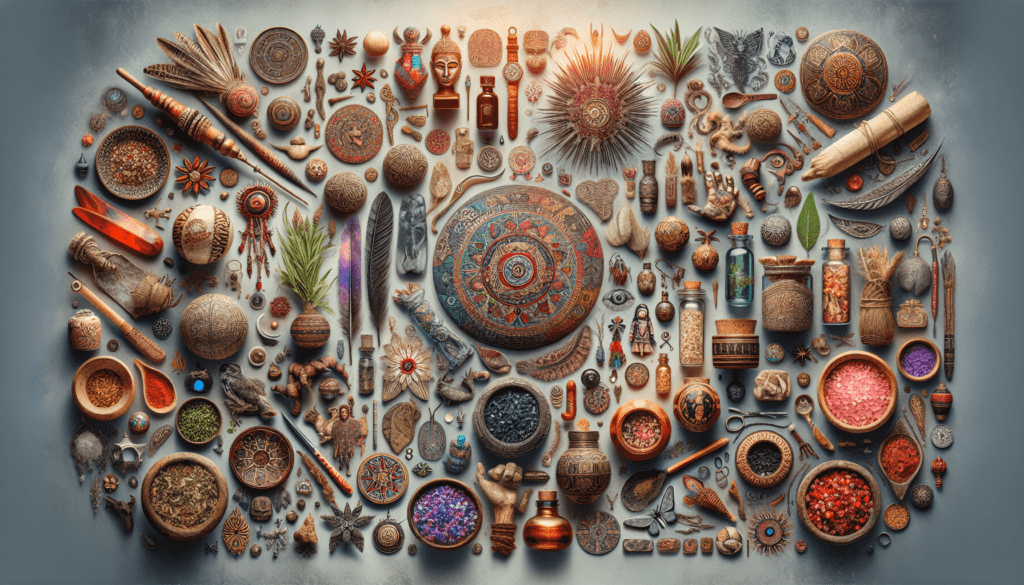
Indigenous communities employ various traditional methods to prevent sleep paralysis and ensure a harmonious sleep experience. These methods often involve rituals, such as smudging with sacred herbs or the use of protective symbols and talismans. Certain indigenous cultures also practice dream incubation, a technique where individuals intentionally invoke specific dreams to guide and protect them during sleep. The emphasis on building a strong connection with the spirit world through ceremonies and rituals is a key element in preventing sleep paralysis.
4. European Folklore and Superstitions
4.1 Folk Beliefs about Sleep Paralysis
Throughout European history, sleep paralysis has been associated with folklore and superstitions. In many European cultures, it is believed that sleep paralysis is caused by supernatural entities such as witches, demons, or spirits. These entities are thought to lurk in the shadows and exert control over the paralyzed individual. These superstitious beliefs have resulted in various rituals and practices aimed at protecting against such entities.
4.2 Protective Rituals Passed Down through Generations
European folklore has passed down protective rituals and practices to ward off sleep paralysis. One common belief is that placing iron objects, such as a horseshoe, under the pillow or near the bed can protect against evil spirits. Additionally, religious symbols like crucifixes are often displayed in bedrooms to offer spiritual protection. Special prayers and invocations are also recited before sleep to seek the assistance of benevolent forces against sleep paralysis.
5. Sleep Paralysis in South American Culture
5.1 Shamanic Perspectives on Sleep Paralysis
In South American cultures that practice shamanism, sleep paralysis is often seen as a bridge between the physical and spiritual realms. Shamanic practitioners interpret sleep paralysis as an opportunity for spiritual awakening and communication with the spirit world. It is believed that during these episodes, individuals can receive insights, healing, and guidance from benevolent spirits.
5.2 Rituals and Traditions to Combat Sleep Paralysis
Shamanic rituals and traditions are employed to combat sleep paralysis in South American cultures. These rituals often involve the use of sacred plants, such as ayahuasca, to induce altered states of consciousness and enhance spiritual experiences during sleep. Shamanic practitioners guide individuals through these states, providing protection and guidance during sleep paralysis. The emphasis on spiritual connection and the use of plant medicines sets South American cultural practices apart in the approach to sleep paralysis.
6. Cultural Practices for a Peaceful Sleep
6.1 Bedtime Rituals
Across cultures, bedtime rituals play a crucial role in ensuring a peaceful sleep and warding off sleep paralysis. These rituals may vary in specific practices but often involve creating a calm and serene environment conducive to rest. Lighting candles, burning incense, and playing relaxing music are common practices to promote tranquility. Creating a consistent bedtime routine also signals to the body and mind that it is time to unwind, facilitating a smooth transition into sleep.
6.2 Mindfulness and Meditation Techniques
Mindfulness and meditation techniques are prevalent in many cultures as a means to cultivate inner peace and ward off disruptive influences during sleep. Practicing mindfulness before bed can help alleviate anxiety and promote a state of relaxation. Similarly, meditation techniques such as visualization or breathwork can be effective in calming the mind and preparing it for a restful sleep. Cultivating these practices can contribute to reducing the likelihood of sleep paralysis episodes.
7. Modern Approaches to Sleep Paralysis
7.1 Psychological Therapies
In modern approaches to sleep paralysis management, psychological therapies have shown promise in alleviating the distress associated with sleep paralysis. Cognitive-behavioral therapy (CBT) can help individuals challenge negative thought patterns and develop coping mechanisms to reduce anxiety related to sleep paralysis. Additionally, therapy aimed at improving overall sleep hygiene can contribute to preventing episodes of sleep paralysis.
7.2 Sleep Hygiene Practices
Maintaining good sleep hygiene practices is crucial for preventing sleep paralysis. This includes having a consistent sleep schedule, creating a comfortable sleep environment, and practicing relaxation techniques before bed. Avoiding stimulants such as caffeine or electronic devices close to bedtime can also promote healthy sleep patterns. These modern techniques, when integrated into daily routines, can complement cultural rituals for preventing sleep paralysis.
8. Integrating Cultural Rituals for Prevention
8.1 Combining Cultural Practices with Modern Approaches
Integrating cultural rituals and practices with modern approaches to sleep paralysis management can be an effective strategy. Combining psychological therapies, such as CBT, with cultural practices like meditation or the use of protective objects can create a holistic approach to prevention. These integrated approaches acknowledge the cultural significance of sleep paralysis while incorporating evidence-based practices to reduce its impact on individuals.
8.2 Culturally Sensitive Approaches to Sleep Paralysis Management
It is essential to approach the management of sleep paralysis with cultural sensitivity. Recognizing and validating the significance of cultural beliefs and rituals is crucial in providing holistic care. Healthcare professionals should engage in open and respectful conversations with individuals from different cultural backgrounds to understand their beliefs and practices. By doing so, healthcare providers can collaboratively develop management plans that honor cultural values and integrate evidence-based approaches.
10. Conclusion
Sleep paralysis holds diverse cultural significance around the world, with each culture developing unique rituals and practices to combat it. Whether through amulets and prayers, meditation and mindfulness, or shamanic practices, cultural beliefs and rituals offer individuals a sense of protection and transcendence over sleep paralysis. Integrating these practices with modern approaches, such as psychological therapies and sleep hygiene practices, provides individuals with a comprehensive toolkit to manage sleep paralysis and promote peaceful sleep. By respecting cultural practices and embracing their wisdom, we can enhance our understanding of sleep paralysis and foster a more inclusive approach to its management.