
Imagine waking up in the middle of the night, unable to move or speak. Your mind is awake, but your body remains paralyzed. This terrifying phenomenon is known as sleep paralysis, and it has become a recurring nightmare in my life. Each episode leaves me feeling trapped and helpless, questioning the boundaries between dreams and reality. In this article, we will explore the haunting experience of sleep paralysis and the profound impact it has had on my daily existence.
Understanding Sleep Paralysis
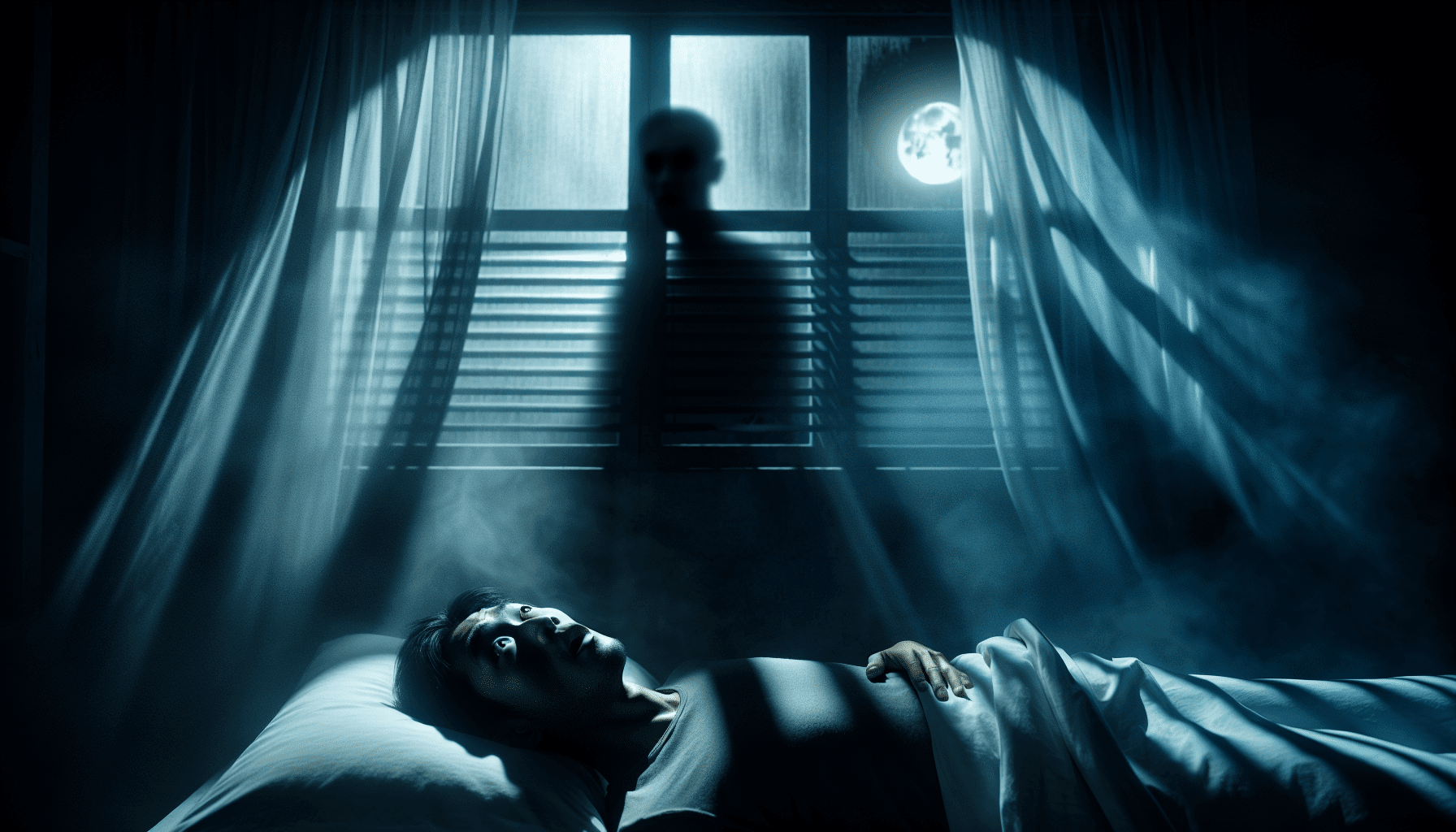
Sleep paralysis is a fascinating phenomenon that occurs when you wake up or fall asleep and find yourself unable to move or speak. It is often accompanied by a temporary loss of muscle control, leaving you feeling trapped and terrified. This state can last from a few seconds to a few minutes, making it a truly distressing experience. But what exactly causes this eerie phenomenon, and how does it relate to sleep disorders?
Definition of sleep paralysis
Sleep paralysis is a condition in which a person is temporarily unable to move or speak while transitioning between sleep and wakefulness. It occurs during two distinct states of sleep: the transition from wakefulness to sleep (hypnagogic) and the transition from sleep to wakefulness (hypnopompic). During these periods, the brain’s normal sleep-wake mechanisms are disrupted, leading to a temporary paralysis of the muscles.
Causes of sleep paralysis
Sleep paralysis can be caused by a variety of factors. One common cause is a disruption in the normal sleep cycle. When we sleep, our brains go through several stages, including rapid eye movement (REM) sleep and non-rapid eye movement (NREM) sleep. During REM sleep, our brains become highly active, and a natural state of muscle atonia, or temporary paralysis, occurs to prevent us from acting out our dreams. If this process is disrupted, sleep paralysis can occur.
Relation to sleep disorders
Sleep paralysis is closely linked to various sleep disorders, including narcolepsy, a condition characterized by excessive daytime sleepiness and sudden sleep attacks. Many individuals with narcolepsy experience sleep paralysis as a symptom of their condition. Other sleep disorders, such as insomnia and sleep apnea, can also increase the likelihood of experiencing sleep paralysis. Understanding the relationship between sleep paralysis and these disorders can help shed light on its underlying causes.
My Personal Experience with Sleep Paralysis
Now that we have a clearer understanding of sleep paralysis, let’s delve into my personal experience with this unsettling phenomenon. For as long as I can remember, sleep paralysis has been a recurring aspect of my life, affecting both my sleep patterns and overall well-being.
First encounter with sleep paralysis
My first encounter with sleep paralysis was truly terrifying. I woke up one night, completely unable to move or call out for help. Panic set in as I struggled to free myself from this strange paralysis. It felt as if an invisible force was holding me down, suffocating me with fear. Eventually, the episode passed, leaving me shaken and anxious about going back to sleep.
Frequency of episodes
Over the years, I have experienced sleep paralysis episodes with varying frequency. Some months are relatively free from episodes, while others seem to be plagued by nightly visits from this eerie state. It is an unpredictable and unwelcome companion that disrupts my sleep and leaves me feeling drained and anxious.
Emotional and physical effects
The emotional and physical effects of sleep paralysis cannot be overstated. The fear and anxiety that accompany each episode are overwhelmingly intense. It can be difficult to shake off the feeling of being trapped and defenseless, even after the paralysis subsides. Additionally, the disrupted sleep caused by sleep paralysis can lead to excessive daytime sleepiness, poor concentration, and reduced overall productivity. It truly takes a toll on both the mind and body.
Contributing Factors to Sleep Paralysis
Sleep paralysis can be influenced by numerous factors, ranging from sleep patterns and disturbances to stress and anxiety. Identifying these contributing factors can help shed light on why sleep paralysis occurs and provide insights into potential prevention and management strategies.
Sleep patterns and disturbances
Irregular sleep patterns and disturbances can significantly increase the likelihood of experiencing sleep paralysis. Disruptions in the natural sleep-wake cycle, such as frequently changing sleep schedules or experiencing jet lag, can throw off the balance of REM and NREM sleep, leading to an increased risk of sleep paralysis. Additionally, poor sleep hygiene, such as sleeping in an uncomfortable environment or experiencing frequent awakenings throughout the night, can also contribute to the occurrence of sleep paralysis.
Stress and anxiety
It is no surprise that stress and anxiety can play a significant role in the occurrence of sleep paralysis. High levels of stress can lead to disrupted sleep patterns, impacting the overall quality of sleep and increasing the likelihood of experiencing sleep paralysis. Anxiety, in particular, can intensify the fear and distress associated with sleep paralysis episodes, creating a vicious cycle of stress and sleep disturbance.
Sleep disorders and medications
Sleep disorders, such as narcolepsy, insomnia, and sleep apnea, are closely linked to sleep paralysis. Individuals with these conditions may be more prone to experiencing sleep paralysis as a symptom or side effect of their underlying disorder. Additionally, certain medications used to treat sleep disorders, such as antidepressants or certain sleep aids, can increase the likelihood of sleep paralysis episodes. Understanding the connection between sleep disorders and sleep paralysis is crucial for effective management and treatment.
The Physiology of Sleep Paralysis
To truly understand sleep paralysis, it is essential to explore the underlying physiological mechanisms at play. From the role of REM sleep and muscle atonia to disturbances in sleep cycles and brain activity, there is much to uncover about the science behind this eerie phenomenon.
REM sleep and muscle atonia
During REM sleep, our brains become highly active, and vivid dreaming occurs. To prevent us from acting out our dreams, a state of muscle atonia, or temporary paralysis, is induced. This natural mechanism ensures that we remain still and safe while we dream. However, in the case of sleep paralysis, this muscle atonia persists even as the mind begins to wake up, leading to a state of temporary paralysis.
Disturbances in sleep cycles
Sleep paralysis often occurs when there is a disruption in the normal sleep cycle, particularly during the transitions between wakefulness, REM sleep, and NREM sleep. This can lead to an imbalance in the timing and duration of these sleep stages, increasing the likelihood of experiencing sleep paralysis. Understanding the delicate balance of sleep cycles can help shed light on why sleep paralysis occurs and how it can be managed.
Brain activity during sleep paralysis
Research has indicated that certain regions of the brain, such as the amygdala and the frontal cortex, may be more active during sleep paralysis episodes. These areas are associated with emotional processing and consciousness, providing insights into the intense emotions and vivid hallucinations often experienced during these episodes. Further studies are needed to fully understand the complex interplay between brain activity and sleep paralysis.

The Psychological Impact of Sleep Paralysis
Sleep paralysis not only has physiological implications but also profound psychological effects. The intense fear and anxiety experienced during episodes, the impact on overall sleep quality, and the potential implications on daily life warrant a closer examination of the psychological impact of sleep paralysis.
Fear and anxiety during episodes
One of the most overwhelming aspects of sleep paralysis is the fear and anxiety that accompanies each episode. The feeling of being trapped and defenseless can trigger a fight-or-flight response, leading to panic and distress. The vivid hallucinations that often occur during sleep paralysis can further intensify these emotions, creating a truly terrifying experience.
Impact on quality of sleep
Sleep paralysis can significantly impact the quality of sleep, leading to daytime sleepiness, fatigue, and reduced cognitive function. The disrupted sleep caused by these episodes can make it challenging to achieve restful sleep, leaving individuals feeling exhausted and unrefreshed, even after a full night’s rest. This can have a profound impact on daily functioning and overall well-being.
Psychological effects on daily life
The psychological effects of sleep paralysis can extend beyond the moments of paralysis themselves. The fear and anxiety associated with sleep paralysis can spill over into daily life, affecting mood, concentration, and overall mental well-being. The ongoing anticipation of future episodes can create a sense of unease and vulnerability, making it challenging to fully engage in everyday activities.
Coping Mechanisms and Treatment Options
While sleep paralysis may seem like an insurmountable obstacle, there are coping mechanisms and treatment options available to help navigate this challenging experience. By creating a consistent sleep routine, practicing relaxation techniques, and seeking medical interventions or therapy, individuals can find relief and regain control over their sleep and overall well-being.
Creating a consistent sleep routine
Establishing a consistent sleep routine is crucial for improving the overall quality of sleep and minimizing the occurrence of sleep paralysis episodes. This includes going to bed and waking up at the same time each day, creating a relaxing sleep environment, and implementing pre-sleep rituals that promote relaxation, such as reading a book or taking a warm bath. By prioritizing regular sleep patterns, individuals may experience a reduction in the frequency and intensity of sleep paralysis episodes.
Relaxation techniques and stress management
Managing stress and anxiety is vital for minimizing the occurrence of sleep paralysis. Incorporating relaxation techniques into daily routines, such as deep breathing exercises, meditation, or yoga, can help reduce overall stress levels and promote a more restful sleep. Additionally, implementing stress management strategies, such as engaging in hobbies, seeking social support, and practicing self-care, can empower individuals to better cope with the emotional toll of sleep paralysis.
Medical interventions and therapy
In severe cases of sleep paralysis or when an underlying sleep disorder is present, medical interventions and therapy may be necessary. Consultation with a healthcare professional specializing in sleep disorders can provide invaluable insights and potential treatment options. This may include medication to regulate sleep patterns, therapy to address underlying psychological factors, or referrals to sleep clinics for further evaluation and monitoring.
Alternative Explanations and Supernatural Beliefs
Sleep paralysis has long been surrounded by alternative explanations and supernatural beliefs. From historical interpretations to cultural beliefs, these explanations have contributed to the mystique and fear surrounding this phenomenon. However, it is essential to distinguish fact from fiction and rely on scientific understanding when exploring sleep paralysis.
Historical interpretations of sleep paralysis
Throughout history, sleep paralysis has been interpreted through various cultural and religious lenses. Ancient civilizations often attributed sleep paralysis to demonic possession or other supernatural forces. These interpretations shaped societal beliefs and, in turn, influenced individuals’ experiences with sleep paralysis. While these historical interpretations offer insights into the human fascination with sleep paralysis, they must be understood within their cultural and historical context.
Cultural and supernatural explanations
Even today, cultural and supernatural explanations for sleep paralysis persist in some communities. Some cultures believe that sleep paralysis is caused by malevolent spirits or ghosts, while others associate it with witchcraft or supernatural beings. These cultural beliefs can influence individuals’ perception of and response to sleep paralysis, highlighting the importance of respecting diverse perspectives while also encouraging a scientific understanding of the phenomenon.
Distinguishing fact from fiction
While alternative explanations and supernatural beliefs exist, it is crucial to distinguish fact from fiction when exploring sleep paralysis. Scientific research has provided valuable insights into the physiological and psychological mechanisms underlying sleep paralysis, leaving little room for supernatural explanations. By embracing the scientific understanding of sleep paralysis, individuals can gain a more accurate and empowering perspective on their experiences.
Seeking Support and Sharing Experiences
Navigating sleep paralysis can be an isolating experience, but it doesn’t have to be. Seeking support and sharing experiences with others who have gone through similar challenges can provide comfort, validation, and a sense of community in the face of this perplexing phenomenon.
Joining online support groups
Online support groups and forums dedicated to sleep paralysis can be valuable resources for individuals seeking support, information, and personal anecdotes. Connecting with others who have firsthand experience with sleep paralysis allows for the sharing of coping strategies, validation of feelings, and a sense of solidarity. These communities offer a safe space for individuals to express their concerns, ask questions, and find solace in knowing that they are not alone.
Sharing stories with others
Sharing personal experiences with sleep paralysis can be a cathartic and empowering way to make sense of the phenomenon. Engaging in open conversations with trusted friends, family members, or healthcare professionals about the challenges and fears associated with sleep paralysis can provide much-needed support and understanding. By breaking the silence surrounding sleep paralysis, individuals can combat the sense of isolation often associated with this condition.
Benefits of connecting with fellow sufferers
Connecting with fellow sufferers of sleep paralysis can provide numerous benefits. It allows for the exchange of coping mechanisms, treatment strategies, and emotional support. By engaging with others who have faced similar challenges, individuals can learn from one another’s experiences, gain a sense of empowerment, and foster a strong support network. The power of shared experiences and understanding cannot be underestimated when it comes to navigating the complexities of sleep paralysis.
Empowering Myself with Knowledge
Navigating sleep paralysis requires a proactive approach to understanding sleep disorders, the science behind sleep paralysis, and taking control of one’s well-being. By embracing a journey of self-education, individuals can arm themselves with knowledge and empower themselves in their quest for better sleep and overall well-being.
Learning about sleep disorders and treatments
Educating oneself about various sleep disorders, their causes, and potential treatments is a crucial step in understanding the broader context of sleep paralysis. By learning about conditions such as narcolepsy, insomnia, and sleep apnea, individuals can gain insights into the potential underlying factors contributing to their sleep paralysis. This knowledge can inform treatment decisions and promote a proactive approach to managing sleep health.
Understanding the science behind sleep paralysis
Exploring the scientific literature and research surrounding sleep paralysis can provide invaluable insights into the physiological and psychological mechanisms at play. Learning about the role of REM sleep, muscle atonia, and disturbances in sleep cycles can deepen one’s understanding of why sleep paralysis occurs and how it can be managed. Equipped with this knowledge, individuals are empowered to make informed decisions and seek appropriate treatment options.
Taking control of my own well-being
Ultimately, the journey of understanding sleep paralysis is about taking control of one’s own well-being. By actively seeking support, engaging in healthy sleep habits, and exploring treatment options, individuals can reclaim their sleep and overall quality of life. Though sleep paralysis may remain a part of their lives, armed with knowledge and support, individuals can find ways to minimize its impact and live fulfilling lives.
Conclusion
Embracing the journey towards better sleep, while living with sleep paralysis, requires perseverance, understanding, and connection. By grasping the complexities of sleep paralysis, acknowledging its impact on mental and physical well-being, and seeking support and knowledge, individuals can navigate the challenges it presents. With awareness and community, individuals can empower themselves to live fulfilling lives, despite the eerie and enigmatic nature of sleep paralysis.