
If you have ever experienced the unsettling and terrifying sensation of being awake but unable to move or speak, you may have encountered sleep paralysis. This phenomenon can be distressing and disruptive to one’s sleep, but fear not, because there are a variety of effective sleep aids available to help manage sleep paralysis. By exploring different methods and techniques, you can find the perfect solution to ensure a peaceful and uninterrupted night’s rest.

Understanding Sleep Paralysis
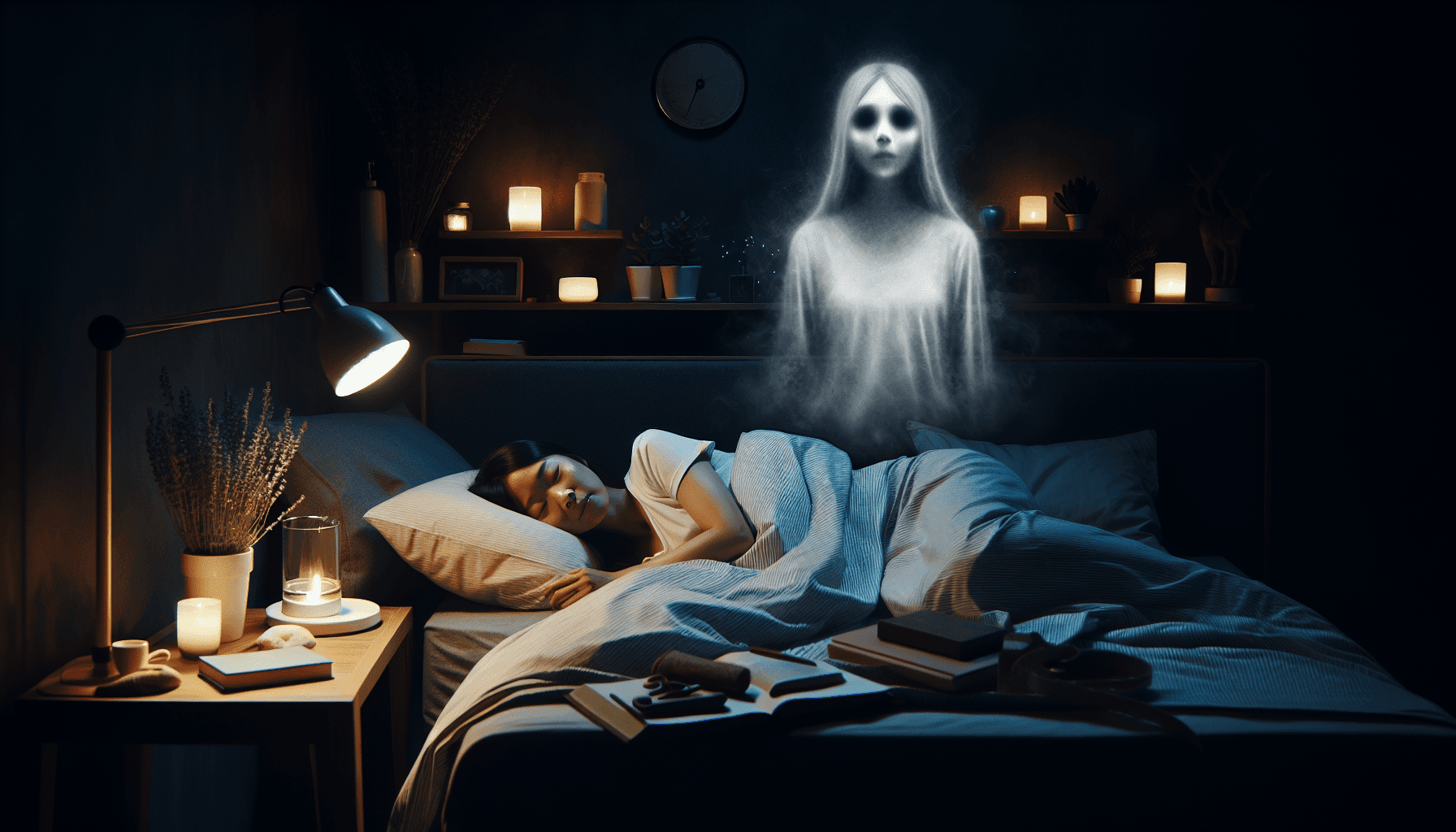
Sleep paralysis is a phenomenon in which a person is temporarily unable to speak or move either when falling asleep or upon waking up. It can be a terrifying experience, as it may be accompanied by hallucinations and a feeling of pressure on the chest. Sleep paralysis is often associated with certain sleep disorders, such as narcolepsy, but it can also occur in otherwise healthy individuals.
Causes of Sleep Paralysis
There are several factors that can contribute to the occurrence of sleep paralysis. One possible cause is disrupted sleep patterns, such as irregular sleep schedules or insomnia. In addition, sleep paralysis can be triggered by sleep deprivation and excessive stress. Certain medications and substances, such as antidepressants and stimulants, may also increase the likelihood of experiencing sleep paralysis.
Symptoms of Sleep Paralysis
The main symptom of sleep paralysis is the temporary inability to move or speak. This can last from a few seconds to several minutes, causing immense distress and panic. Some individuals may also experience hallucinations during sleep paralysis, which can range from auditory to visual sensations. The feeling of pressure on the chest or a suffocating sensation is another common symptom of sleep paralysis.
Non-Medical Sleep Aids
If you experience sleep paralysis, there are several non-medical sleep aids you can try to manage and prevent its occurrence. Maintaining a regular sleep schedule is crucial, as it helps regulate your body’s internal clock and promotes better sleep quality. Creating a relaxing sleep environment, with dim lighting and comfortable bedding, can also enhance your chances of experiencing uninterrupted sleep. Using white noise or sound machines can drown out disturbing sounds and promote a peaceful atmosphere conducive to sleep.
Practicing relaxation techniques, such as deep breathing exercises or progressive muscle relaxation, can significantly reduce stress and anxiety levels before bedtime. Avoiding stimulants, such as caffeine and nicotine, in the hours leading up to bedtime can also improve your sleep quality and reduce the likelihood of experiencing sleep paralysis.
Over-The-Counter Sleep Aids
If non-medical sleep aids prove ineffective in managing sleep paralysis, you may consider trying over-the-counter sleep aids. Melatonin supplements are a popular choice for promoting better sleep. Melatonin is a hormone that regulates the sleep-wake cycle, and taking it as a supplement can help establish a more regular sleep pattern. Valerian root supplements are another option, as they have been used for centuries as a natural sleep aid. Valerian root has sedative properties and can help improve sleep quality.
Magnesium supplements have also shown promise in promoting better sleep. This essential mineral helps relax muscles and calm the nervous system, making it an effective sleep aid. Chamomile tea is a soothing herbal remedy that can promote relaxation and help with sleep. Its mild sedative properties make it an excellent choice for those struggling with sleep paralysis. Lastly, lavender essential oil can be used in aromatherapy to create a relaxing sleep environment and induce a deep sense of calm.
Prescription Sleep Aids
In severe cases of sleep paralysis, prescription sleep aids may be necessary to manage the condition effectively. Benzodiazepines are a type of medication commonly prescribed for sleep disorders. They work by depressing the central nervous system, promoting relaxation and reducing anxiety. Non-benzodiazepine hypnotics, such as zolpidem or eszopiclone, are another option. These medications act similarly to benzodiazepines but have a lower risk of dependence and tolerance.
Selective melatonin receptor agonists, such as ramelteon, can also be prescribed to regulate the sleep-wake cycle and improve sleep quality. Tricyclic antidepressants, although primarily used to treat depression, can also help manage sleep paralysis by regulating neurotransmitter levels in the brain. Serotonin-norepinephrine reuptake inhibitors (SNRIs) are another class of antidepressants that can be prescribed for sleep paralysis, as they help regulate mood and sleep patterns.
Natural Remedies and Supplements
If you prefer a more natural approach to managing sleep paralysis, there are several remedies and supplements that may be worth considering. Kava kava, an herbal supplement derived from a plant native to the South Pacific, has been used for centuries to promote relaxation and reduce anxiety. Passionflower is another herbal remedy that can help treat anxiety and insomnia, making it an excellent sleep aid for those experiencing sleep paralysis. 5-HTP, a compound naturally produced by the body, has been found to improve sleep quality and regulation. Taking 5-HTP as a supplement can help reduce the occurrence of sleep paralysis.
Ginkgo biloba, a popular herbal supplement, has been shown to improve blood flow and cognitive function. It may also have a positive impact on sleep quality and potentially reduce the frequency of sleep paralysis. Ashwagandha, an adaptogenic herb widely used in Ayurvedic medicine, is known for its stress-relieving properties. Regular consumption of ashwagandha can help promote better sleep and reduce the occurrence of sleep paralysis.
Lifestyle Changes for Sleep Paralysis Management
Making certain lifestyle changes can also contribute to managing sleep paralysis effectively. Regular exercise has been proven to improve sleep quality and overall well-being. Engaging in physical activity during the day can regulate your sleep-wake cycle and reduce stress and anxiety levels. Managing stress and anxiety is crucial, as these factors can trigger sleep paralysis. Incorporating stress management techniques, such as meditation or journaling, into your daily routine can help reduce the occurrence of sleep paralysis.
Avoiding alcohol and caffeine, especially before bedtime, can significantly improve your sleep quality. These substances can disrupt your sleep patterns and increase the likelihood of experiencing sleep paralysis. Improving sleep hygiene is another essential aspect of managing sleep paralysis. This includes creating a comfortable sleep environment, sticking to a regular sleep schedule, and practicing relaxation techniques before bed. Establishing a relaxing bedtime routine can signal to your body that it is time to unwind and prepare for sleep.
Cognitive Behavioral Therapy for Sleep Paralysis
Cognitive Behavioral Therapy (CBT) is a therapeutic approach often used to manage sleep disorders, including sleep paralysis. Through CBT, individuals can identify triggers and thought patterns that contribute to sleep paralysis episodes. Understanding these triggers can help develop coping strategies to reduce their impact. Relaxation techniques, such as deep breathing exercises or imagery rehearsal therapy, can be taught during CBT sessions to help individuals manage stress and anxiety associated with sleep paralysis. Working with a therapist trained in CBT can provide the necessary guidance and support to effectively manage sleep paralysis.
Alternative Therapies for Sleep Paralysis
In addition to conventional treatments, alternative therapies have shown promise in managing sleep paralysis. Acupuncture, an ancient Chinese therapy, involves the insertion of thin needles into specific points on the body to restore balance and promote healing. Chiropractic care, which focuses on the alignment of the spine and nervous system, can also help manage sleep paralysis by addressing underlying musculoskeletal issues. Hypnosis has been used as a therapeutic technique to relax the mind and facilitate better sleep. Yoga and meditation, with their focus on relaxation and mindfulness, can promote better sleep and overall well-being. Aromatherapy, through the use of essential oils, can create a soothing sleep environment and alleviate stress and anxiety.
Medical Interventions for Sleep Paralysis
In some cases, medical interventions may be necessary to effectively manage sleep paralysis. Continuous Positive Airway Pressure (CPAP) is a common treatment for sleep apnea, a condition that can contribute to sleep paralysis. By providing a steady flow of air through the throat, CPAP can prevent airway collapse and promote uninterrupted breathing during sleep. Oral devices, such as mandibular advancement devices or tongue-retaining devices, can also be used to maintain an open airway and reduce the occurrence of sleep paralysis.
In rare cases, surgery may be recommended to address anatomical abnormalities that contribute to sleep paralysis. This can include procedures to correct a deviated septum or remove obstructions in the airway. Medication for underlying conditions, such as narcolepsy or anxiety disorders, may also be prescribed to manage sleep paralysis. Consulting with a sleep specialist is essential to determine the most appropriate medical intervention based on your individual needs.
Seeking Professional Help
If sleep paralysis continues to significantly impact your daily life, seeking professional help is recommended. Consulting with a sleep specialist can provide valuable insights and guidance in managing sleep paralysis. They can conduct a comprehensive evaluation, diagnose underlying sleep disorders, and recommend appropriate treatments. Visiting a psychiatrist or psychologist can also be beneficial, as they can address any underlying mental health conditions that may be contributing to sleep paralysis.
Joining a support group can provide a sense of community and understanding, as you connect with others who have experienced similar challenges with sleep paralysis. Participating in sleep studies can help identify any underlying factors contributing to your sleep paralysis episodes and guide treatment options. Exploring alternative therapies, such as those mentioned earlier, can also provide additional avenues for managing sleep paralysis.
In conclusion, understanding sleep paralysis and implementing effective sleep aids can significantly improve the quality of sleep and manage the occurrence of sleep paralysis episodes. With the right combination of non-medical sleep aids, over-the-counter sleep aids, prescription sleep aids, natural remedies and supplements, lifestyle changes, cognitive behavioral therapy, alternative therapies, and medical interventions, it is possible to alleviate the distress caused by sleep paralysis and achieve restful nights of sleep. In cases where sleep paralysis persists or significantly impacts daily life, seeking professional help is highly recommended to receive appropriate diagnosis and treatment.