

Have you ever experienced the terrifying sensation of being unable to move or speak while falling asleep or waking up? Sleep paralysis is a relatively common phenomenon that can be unsettling and distressing. This article will explore the connection between sleep paralysis and anxiety, as well as provide strategies to prevent and treat it.
Understanding Sleep Paralysis
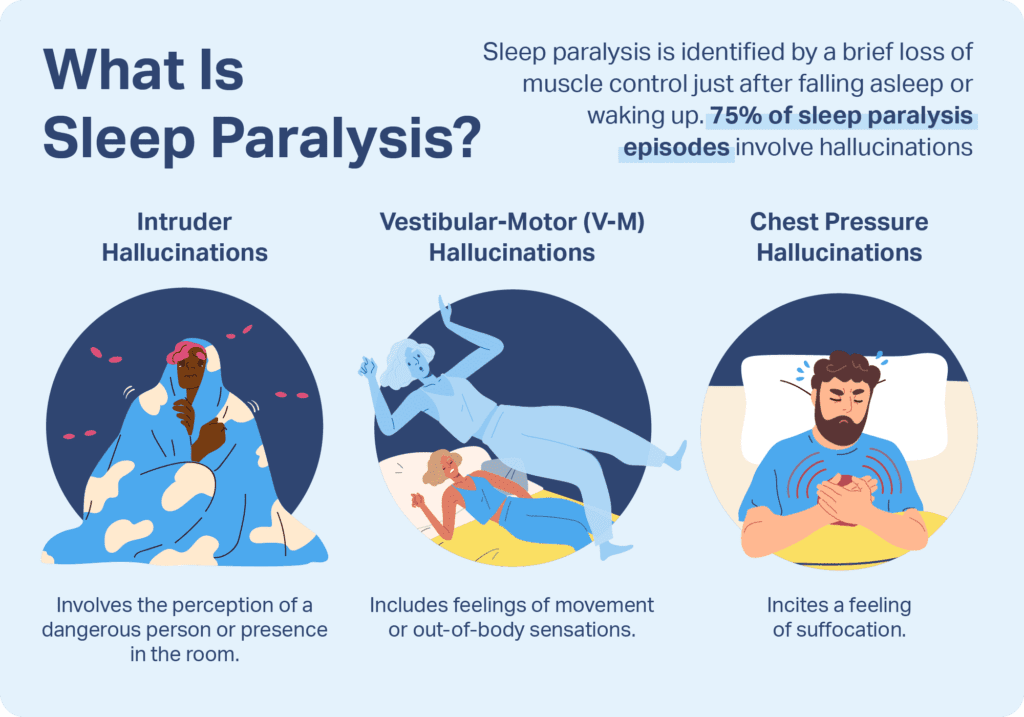
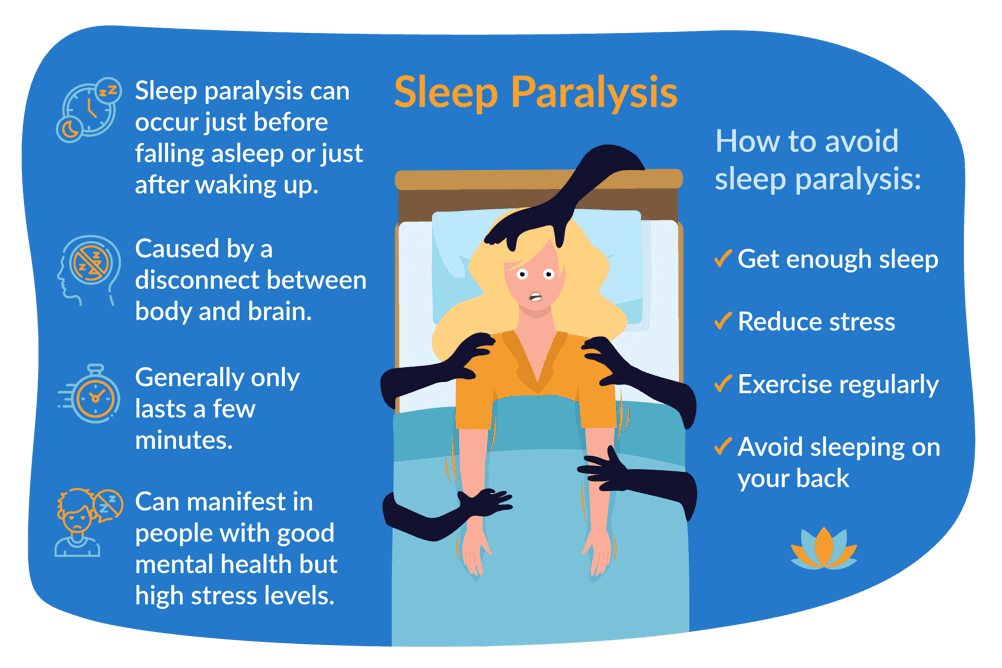
Sleep paralysis is a temporary inability to move or speak that occurs when you are either falling asleep or waking up. During this state, you are conscious and aware of your surroundings, but your muscles are paralyzed, making it impossible to move. This can last for several seconds to a few minutes, leaving you feeling trapped and helpless.
What Causes Sleep Paralysis?
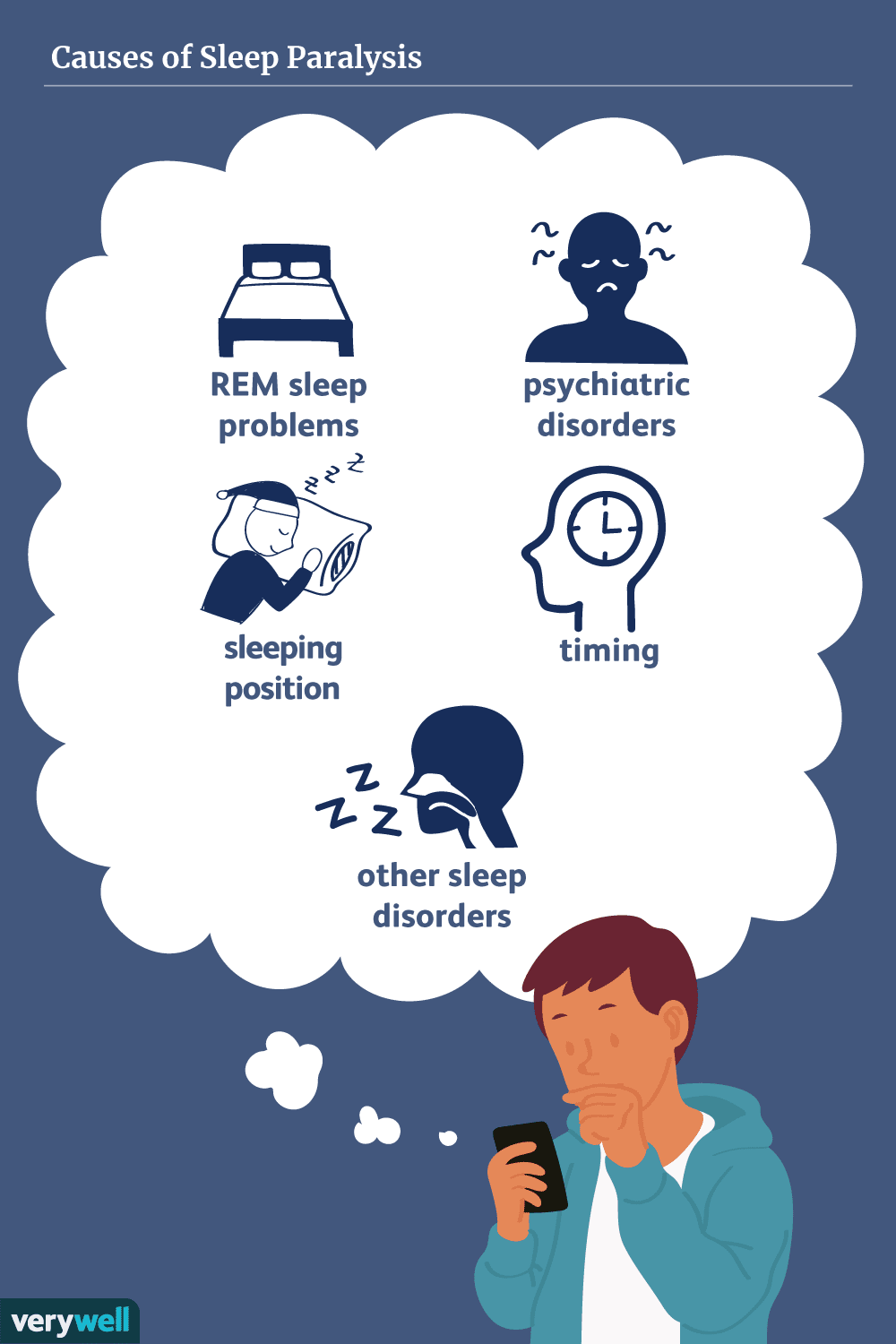
Sleep paralysis occurs when there is a disruption in your REM (Rapid Eye Movement) sleep cycle. During REM sleep, your brain is active, but your body is in a state of muscle relaxation to prevent you from acting out your dreams. In sleep paralysis, this muscle relaxation continues while you are conscious, leading to the sensation of being paralyzed.
Common Symptoms of Sleep Paralysis
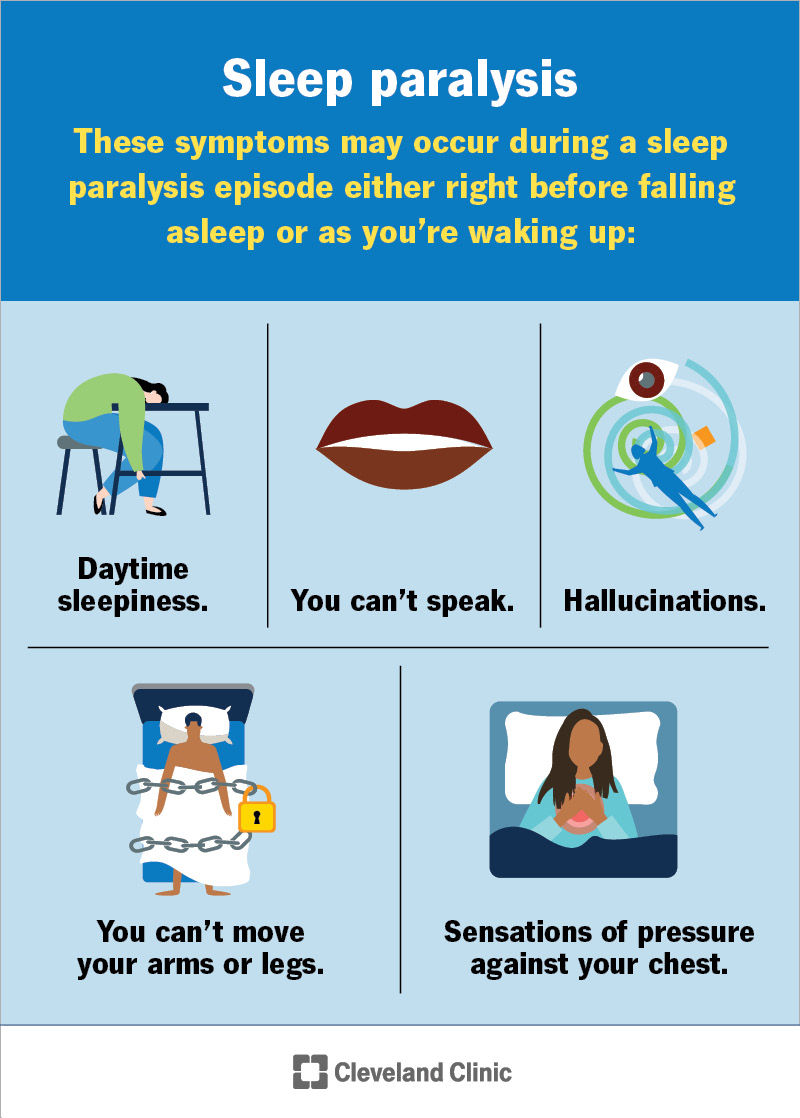
Some common symptoms of sleep paralysis include:
- Inability to move or speak
- Feeling of pressure on the chest
- Hallucinations (visual or auditory)
- Sense of impending doom
- Difficulty breathing
The Connection Between Sleep Paralysis and Anxiety
Anxiety is a common mental health condition characterized by excessive worry, fear, and apprehension. It can manifest in physical symptoms such as racing heart, sweating, and muscle tension. Research suggests that there is a strong connection between sleep paralysis and anxiety, with anxiety disorders being a common risk factor for experiencing sleep paralysis.
How Anxiety Can Trigger Sleep Paralysis
Anxiety can trigger or exacerbate sleep paralysis in several ways. When you are anxious, your body is in a state of heightened arousal, making it more difficult to relax and fall asleep. This can disrupt your sleep cycle and increase the likelihood of experiencing sleep paralysis. Additionally, anxiety can lead to fragmented sleep, increasing the chances of waking up during REM sleep and experiencing sleep paralysis.
Impact of Sleep Paralysis on Anxiety
Experiencing sleep paralysis can be a terrifying and distressing event, leading to increased anxiety and fear of falling asleep. This can create a vicious cycle, where anxiety triggers sleep paralysis, and sleep paralysis exacerbates anxiety, creating a negative feedback loop. It is essential to address both anxiety and sleep paralysis to break this cycle and improve your overall well-being.
Strategies to Prevent Sleep Paralysis
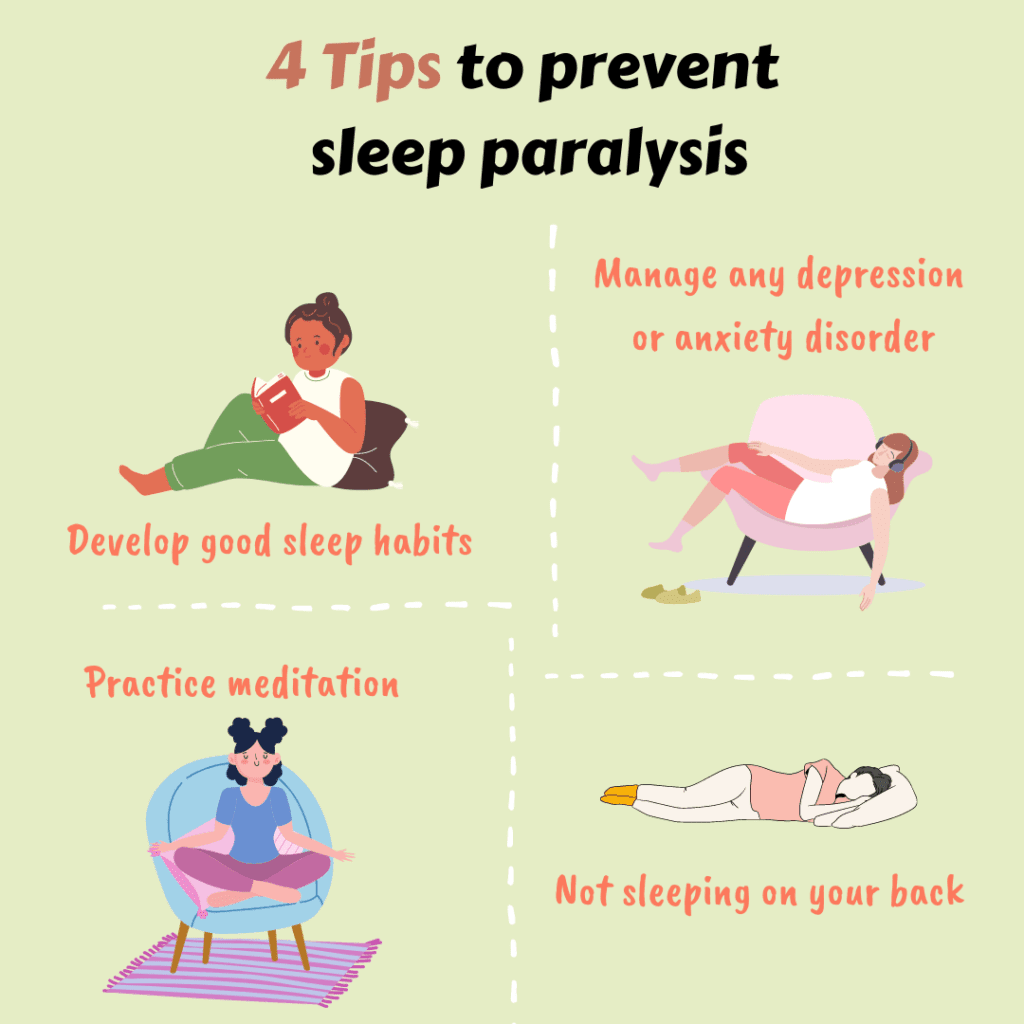
While sleep paralysis can be a frightening experience, there are strategies you can implement to reduce the likelihood of experiencing it. These strategies focus on improving sleep quality, reducing anxiety, and creating a relaxing bedtime routine.
Maintain a Consistent Sleep Schedule
Establishing a regular sleep schedule can help regulate your circadian rhythm and improve the quality of your sleep. Aim to go to bed and wake up at the same time every day, even on weekends, to ensure consistent rest.
| Monday | Tuesday | Wednesday | Thursday | Friday | Saturday | Sunday |
|---|---|---|---|---|---|---|
| 10pm | 10pm | 10pm | 10pm | 10pm | 11pm | 11pm |
Create a Relaxing Bedtime Routine
Developing a relaxing bedtime routine can signal to your body that it is time to wind down and prepare for sleep. This can include activities such as reading a book, taking a warm bath, or practicing relaxation techniques like deep breathing or meditation.
Limit Exposure to Screens Before Bed
The blue light emitted from screens can disrupt your circadian rhythm and make it harder to fall asleep. Limit your exposure to screens, such as smartphones, tablets, and computers, at least an hour before bedtime to improve the quality of your sleep.
Treatment Options for Sleep Paralysis
If you are experiencing frequent episodes of sleep paralysis that are affecting your daily life, it is essential to seek treatment. Treatment options for sleep paralysis often focus on improving sleep quality, reducing anxiety, and addressing any underlying health conditions.
Cognitive Behavioral Therapy (CBT)
Cognitive Behavioral Therapy is a therapeutic approach that helps you identify and change negative thought patterns and behaviors that contribute to anxiety and sleep disturbances. CBT can be an effective treatment for both anxiety disorders and sleep paralysis, helping you to modify your beliefs and behaviors around sleep.
Medication
In some cases, medication may be prescribed to help manage anxiety and sleep disturbances. This may include antidepressants, anti-anxiety medications, or sleep aids that can help regulate your sleep cycle and reduce the likelihood of experiencing sleep paralysis.
Stress Management Techniques
Learning stress management techniques such as deep breathing, progressive muscle relaxation, and mindfulness meditation can help reduce anxiety and promote relaxation. These techniques can be practiced regularly to help you cope with stress and improve your sleep quality.
Lifestyle Changes to Improve Sleep Quality
Making lifestyle changes can significantly impact the quality of your sleep and reduce the likelihood of experiencing sleep paralysis. Incorporating healthy habits into your daily routine can improve your overall well-being and promote restful sleep.
Regular Exercise
Engaging in regular physical activity can help reduce anxiety, improve sleep quality, and promote relaxation. Aim to incorporate at least 30 minutes of moderate exercise into your daily routine, such as walking, jogging, or yoga, to reap the benefits of physical activity on your sleep.
Healthy Diet
Eating a well-balanced diet rich in fruits, vegetables, whole grains, and lean proteins can support your overall health and improve your sleep quality. Avoid consuming caffeine, alcohol, and heavy meals close to bedtime, as they can disrupt your sleep cycle and increase the likelihood of experiencing sleep paralysis.
Relaxation Techniques
Practicing relaxation techniques such as deep breathing, progressive muscle relaxation, and guided imagery can help calm your mind and body before bedtime. These techniques can reduce anxiety, promote relaxation, and prepare you for restful sleep.
Conclusion
Sleep paralysis can be a frightening and distressing experience, especially when it is linked to anxiety. By understanding the connection between sleep paralysis and anxiety, implementing strategies to prevent sleep paralysis, and seeking treatment options, you can improve your sleep quality and overall well-being. Remember to prioritize self-care, practice relaxation techniques, and make lifestyle changes to promote restful sleep and reduce the likelihood of experiencing sleep paralysis. If you continue to experience sleep paralysis despite these interventions, consult with a healthcare professional for further evaluation and treatment. Take care of yourself and prioritize your mental and physical health to break the cycle of anxiety and sleep paralysis.