The Cultural Symbolism Of Sleep Paralysis Hallucinations
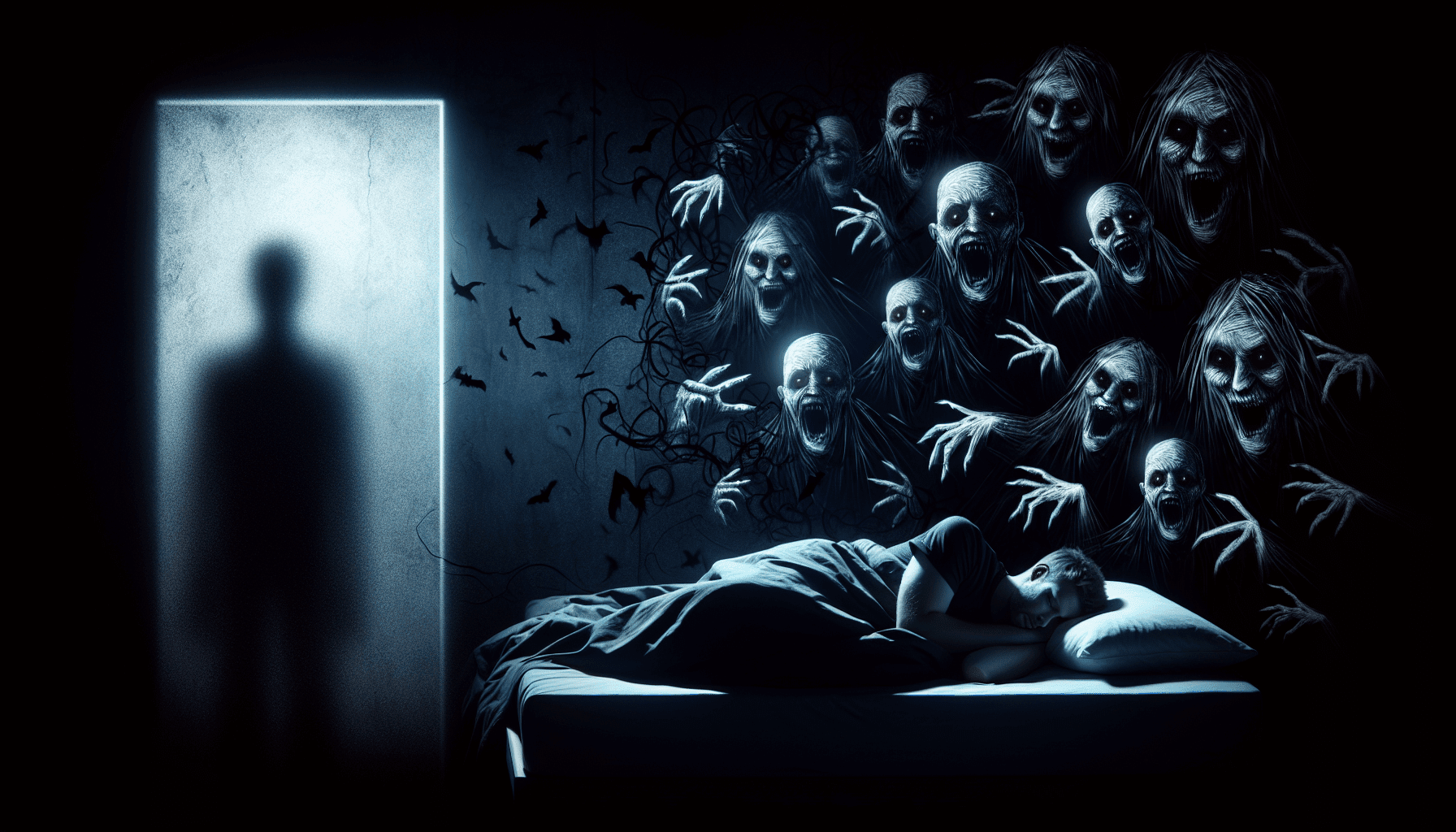
Have you ever experienced the terrifying phenomenon of sleep paralysis hallucinations? Many people around the world have reported feeling unable to move while experiencing vivid and often frightening hallucinations during the transition between sleep and wakefulness. In this article, we will explore the cultural symbolism of sleep paralysis hallucinations and how different cultures interpret and understand this phenomenon.
Understanding Sleep Paralysis
Sleep paralysis is a phenomenon in which an individual experiences a temporary inability to move or speak while falling asleep or waking up. This can be accompanied by vivid hallucinations that are often frightening or unsettling. It is believed to occur when someone is in a state between wakefulness and sleep, during REM (rapid eye movement) sleep.
What Causes Sleep Paralysis?
Sleep paralysis is believed to be caused by disrupted REM sleep patterns. During REM sleep, our bodies are typically paralyzed, which is a protective measure to prevent us from acting out our dreams. However, in the case of sleep paralysis, this paralysis persists even as we wake up, leading to the sensation of being unable to move.
How Common Is Sleep Paralysis?
Sleep paralysis is more common than you might think, with studies suggesting that up to 8% of the population may experience it at some point in their lives. It can occur in people of all ages and backgrounds, although it is more common in individuals with certain sleep disorders or mental health conditions.
Cultural Perspectives On Sleep Paralysis Hallucinations
Different cultures around the world have their own interpretations and beliefs surrounding sleep paralysis hallucinations. While some view it as a purely scientific phenomenon, others ascribe spiritual or supernatural meanings to it. Let’s take a look at how various cultures understand and interpret sleep paralysis hallucinations.
Western Culture
In Western cultures, sleep paralysis hallucinations are often viewed through a scientific lens, with explanations focusing on disrupted sleep patterns and the effects of stress or sleep deprivation. Many people in Western societies may seek medical or psychological help for recurring episodes of sleep paralysis.
African Cultures
In many African cultures, sleep paralysis hallucinations are often seen as spiritual phenomena. Some believe that it is the result of malevolent spirits or demons trying to harm or possess the individual. Rituals and traditional healers may be consulted to help ward off or protect against these spiritual attacks.
Asian Cultures
In Asian cultures, sleep paralysis hallucinations are often viewed through a mix of scientific and spiritual beliefs. Some believe that it is caused by disturbances in the flow of energy or chi in the body, while others see it as a form of psychic attack or spiritual intervention. Practices such as acupuncture or meditation may be recommended to help balance the body’s energy and prevent future episodes.
Indigenous Cultures
Indigenous cultures around the world have their own unique perspectives on sleep paralysis hallucinations. Some view it as a visit from ancestors or spirits, while others see it as a test of one’s spiritual strength or abilities. Rituals, ceremonies, and traditional medicines may be used to help navigate and understand these experiences.
Common Hallucinations And Their Symbolism
During episodes of sleep paralysis, individuals often report seeing or sensing various hallucinations that can range from innocuous to terrifying. These hallucinations can be influenced by cultural beliefs, personal experiences, and psychological factors. Let’s explore some common hallucinations and their potential symbolic meanings.
Shadow People
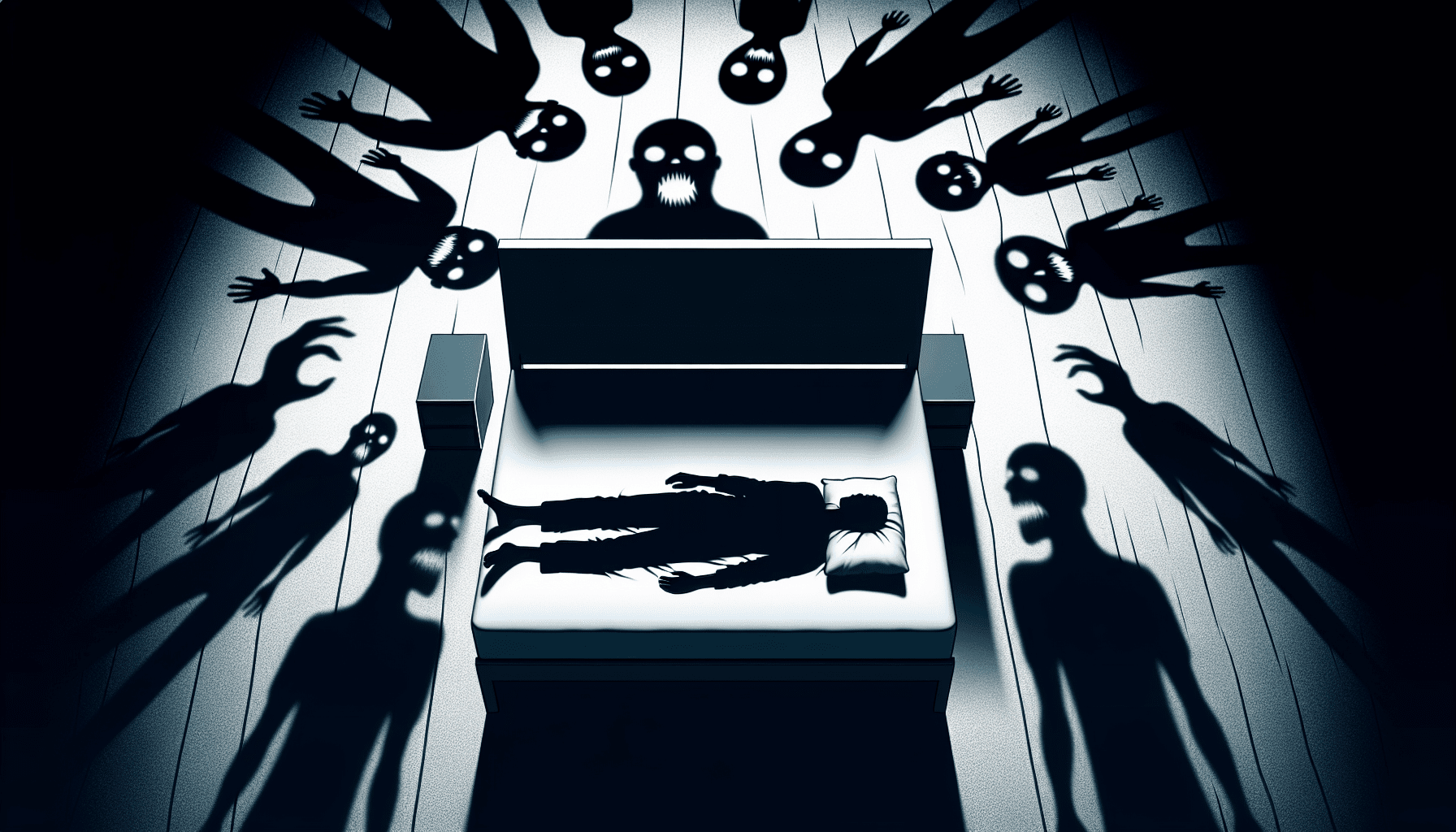
One of the most common hallucinations reported during sleep paralysis is the presence of shadowy figures or entities known as “shadow people.” These shadowy figures are often perceived as malevolent or threatening, with some individuals describing feeling a sense of impending doom or danger.
Symbolically, shadow people in sleep paralysis hallucinations may represent repressed fears, anxieties, or negative emotions that are manifesting in a visual form. They may also symbolize the feeling of being watched or pursued by unseen forces, reflecting a sense of vulnerability or powerlessness.
Intruders Or Attackers
Another common hallucination during sleep paralysis involves the perception of intruders or attackers in the room. These entities may appear as menacing figures or threatening presences that evoke feelings of fear or helplessness.
Symbolically, intruders or attackers in sleep paralysis hallucinations may represent feelings of vulnerability, violation, or invasion of personal boundaries. They may reflect a sense of being overwhelmed or threatened by external forces, whether real or imagined.
Alien Abductions
Some individuals report experiencing hallucinations of alien abductions during episodes of sleep paralysis. These hallucinations often involve being taken aboard a spaceship or surrounded by extraterrestrial beings who perform experiments or procedures on the individual.
Symbolically, alien abductions in sleep paralysis hallucinations may represent feelings of powerlessness, invasion of privacy, or being subjected to external control. They may reflect a fear of the unknown or a sense of being manipulated or manipulated by unseen forces.
Coping Strategies And Treatment Options
Dealing with sleep paralysis hallucinations can be a frightening and unsettling experience, but there are coping strategies and treatment options available to help manage and alleviate symptoms. Whether you are seeking relief from recurring episodes of sleep paralysis or looking to understand and navigate this phenomenon, there are approaches that can help.
Improve Sleep Hygiene
One of the key factors in managing sleep paralysis is improving your overall sleep hygiene. This includes establishing a regular sleep schedule, creating a calming bedtime routine, and ensuring that your sleep environment is conducive to restful sleep. Avoiding stimulants such as caffeine or electronic devices before bedtime can also help promote better sleep quality.
Reduce Stress And Anxiety
Stress and anxiety can exacerbate episodes of sleep paralysis, so finding ways to manage and reduce these factors can be beneficial. Engaging in relaxation techniques such as deep breathing, meditation, or yoga can help calm the mind and body, making it easier to fall asleep and stay asleep.
Seek Professional Help
If you are experiencing frequent or distressing episodes of sleep paralysis, it may be helpful to seek professional help from a doctor or mental health professional. They can help assess your symptoms, provide a diagnosis, and recommend treatment options such as therapy, medication, or lifestyle changes.
Explore Alternative Therapies
In addition to traditional treatment approaches, some individuals find relief from sleep paralysis hallucinations through alternative therapies such as acupuncture, hypnotherapy, or energy healing. These practices can help balance the body’s energy, promote relaxation, and address underlying issues that may be contributing to sleep paralysis.
Conclusion
Sleep paralysis hallucinations are a fascinating and complex phenomenon that can have deep cultural and symbolic meanings. By exploring the diverse perspectives and beliefs surrounding sleep paralysis in different cultures, we gain a deeper understanding of this mysterious and often terrifying experience. Whether you view sleep paralysis as a scientific anomaly, a spiritual encounter, or a psychological phenomenon, it is clear that it continues to captivate and intrigue those who experience it. By learning more about the cultural symbolism of sleep paralysis hallucinations, we can begin to unravel the mysteries of the mind and explore the rich tapestry of human consciousness.