
Have you ever experienced sleep paralysis?
If you’ve ever woken up in the middle of the night unable to move or speak, you may have experienced sleep paralysis. This phenomenon occurs when your mind wakes up during REM sleep but your body is still in a state of paralysis. It can be a frightening experience, but did you know that certain neurological conditions can make sleep paralysis even more prevalent and intense? Let’s explore the impact of neurological conditions on sleep paralysis.
Understanding sleep paralysis
Before we delve into the impact of neurological conditions on sleep paralysis, let’s first understand what sleep paralysis is. During REM (rapid eye movement) sleep, your body goes into a state of paralysis to prevent you from acting out your dreams. However, in some cases, you may wake up before this paralysis wears off, leading to a feeling of being unable to move or speak.
The prevalence of sleep paralysis
Sleep paralysis is more common than you might think. Studies have shown that up to 8% of the general population experiences sleep paralysis at some point in their lives. It can occur in people of all ages and backgrounds, but certain factors such as sleep deprivation, irregular sleep schedules, and stress can increase the likelihood of experiencing sleep paralysis.
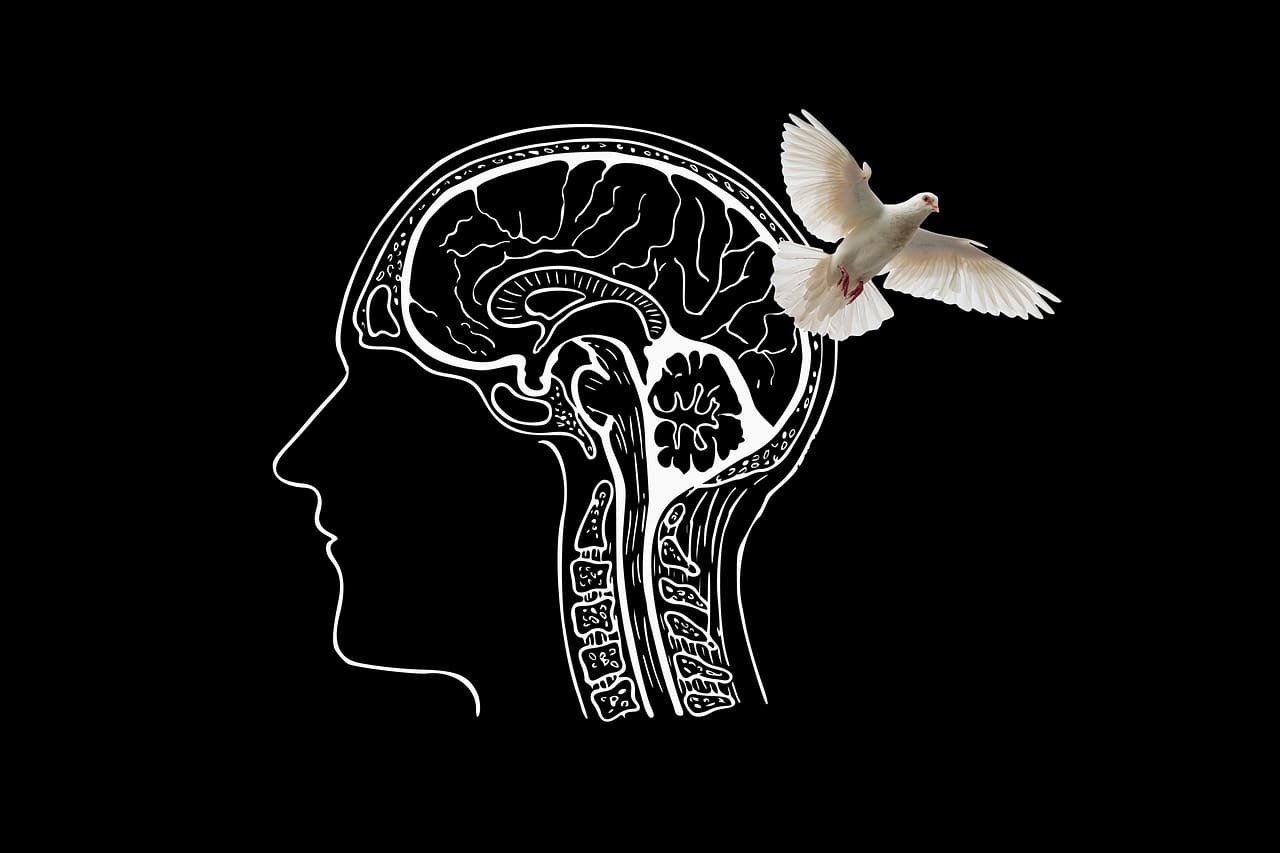
Neurological conditions and their impact on sleep paralysis
Now that we have a basic understanding of sleep paralysis, let’s explore how neurological conditions can affect the frequency and intensity of these episodes.
Narcolepsy
Narcolepsy is a neurological condition characterized by excessive daytime sleepiness and a tendency to fall asleep suddenly. People with narcolepsy often experience sleep paralysis as part of their symptomatology. In fact, up to 50% of individuals with narcolepsy report experiencing sleep paralysis on a regular basis.
If you have narcolepsy, you may find that your episodes of sleep paralysis are more frequent and intense compared to those without the condition. This is because narcolepsy disrupts the normal sleep-wake cycle, leading to fragmented sleep and an increased likelihood of experiencing REM intrusion into wakefulness.
REM sleep behavior disorder (RBD)
REM sleep behavior disorder is a neurological condition in which the paralysis that normally occurs during REM sleep is absent, allowing individuals to physically act out their dreams. While RBD is characterized by movements during sleep rather than paralysis, it can still impact sleep quality and lead to episodes of sleep paralysis.
Individuals with RBD may be more prone to experiencing sleep paralysis due to the disruption of their REM sleep cycle. The absence of normal REM paralysis can cause REM intrusion into wakefulness, leading to a higher likelihood of experiencing sleep paralysis episodes.
Sleep-related movement disorders
Sleep-related movement disorders such as restless legs syndrome (RLS) and periodic limb movement disorder (PLMD) can also impact sleep paralysis. These conditions involve involuntary movements during sleep, which can disrupt the normal sleep cycle and increase the likelihood of experiencing sleep paralysis.
If you have a sleep-related movement disorder, you may find that your episodes of sleep paralysis are linked to periods of increased movement during sleep. The combination of movement disturbances and disrupted sleep can lead to a higher frequency of sleep paralysis episodes.
Managing sleep paralysis in the context of neurological conditions
If you have a neurological condition that predisposes you to sleep paralysis, it’s important to take steps to manage your symptoms and improve your sleep quality.
Establishing a regular sleep schedule
One of the most effective ways to manage sleep paralysis is to establish a regular sleep schedule. Going to bed and waking up at the same time every day can help regulate your body’s internal clock and improve the quality of your sleep. This can reduce the likelihood of experiencing sleep paralysis episodes and improve overall sleep quality.
Creating a relaxing bedtime routine
Creating a relaxing bedtime routine can also help improve your sleep quality and reduce the frequency of sleep paralysis episodes. Activities such as reading, taking a warm bath, or practicing relaxation techniques can help signal to your body that it’s time to wind down and prepare for sleep.
Managing stress and anxiety
Stress and anxiety can exacerbate episodes of sleep paralysis, so it’s important to find healthy ways to manage these emotions. Techniques such as mindfulness meditation, deep breathing exercises, and cognitive-behavioral therapy can help reduce stress and anxiety levels, leading to better sleep quality and fewer episodes of sleep paralysis.
Seeking treatment for underlying neurological conditions
If you have a neurological condition such as narcolepsy, RBD, or a sleep-related movement disorder, seeking treatment from a healthcare provider is essential. Treatment options may include medications, lifestyle modifications, and behavioral therapies designed to manage your symptoms and improve your sleep quality.
Consulting with a sleep specialist
If you continue to experience frequent or intense episodes of sleep paralysis despite trying these strategies, consulting with a sleep specialist may be beneficial. A sleep specialist can help identify the underlying cause of your sleep paralysis and recommend personalized treatment options to address your specific needs.

Conclusion
Sleep paralysis can be a frightening experience, especially when it occurs in the context of neurological conditions. By understanding the impact of these conditions on sleep paralysis and implementing strategies to improve sleep quality, you can manage your symptoms more effectively and reduce the frequency and intensity of episodes. Remember, you are not alone in experiencing sleep paralysis, and there are resources available to help you navigate this challenging phenomenon. Take care of yourself and prioritize your sleep health to support overall well-being.