Welcome to an insightful article on understanding sleep paralysis and how to prevent it. Sleep paralysis can be a frightening experience, leaving you feeling helpless and scared. By learning more about what causes sleep paralysis and simple techniques to prevent it, you can empower yourself to have more restful and peaceful nights. Let’s dive in and explore ways to overcome this common sleep disorder. Have you ever woken up in the middle of the night unable to move or speak, feeling a heavy weight on your chest? You may have experienced sleep paralysis. It can be a frightening and unsettling experience, but understanding what it is and how to prevent it can help you feel more in control and at ease.
What is Sleep Paralysis?
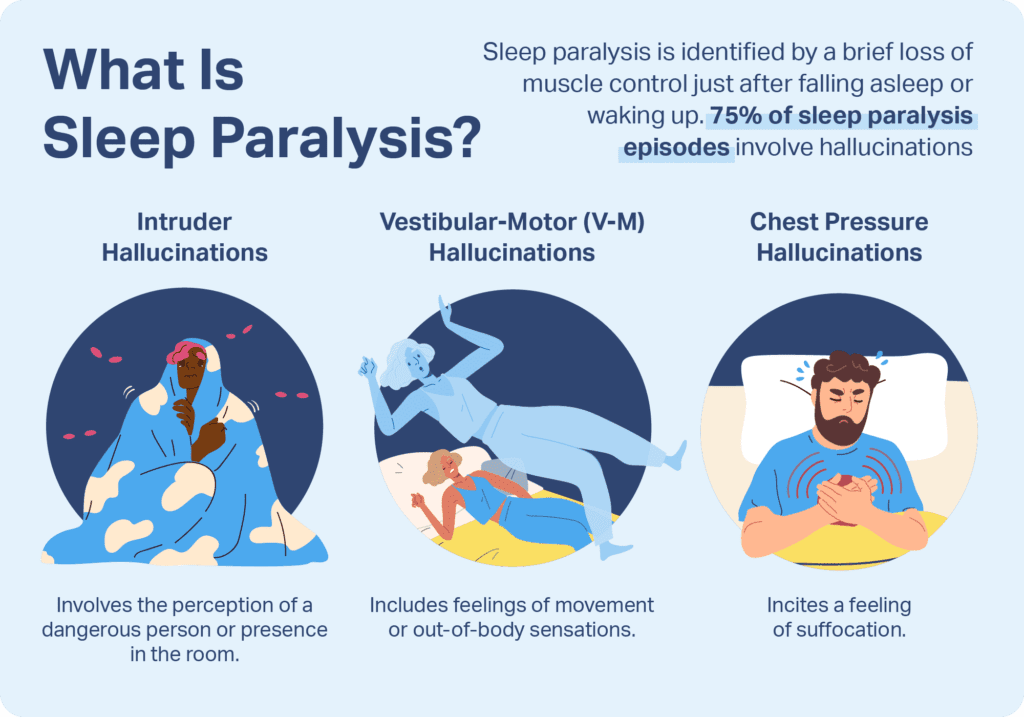
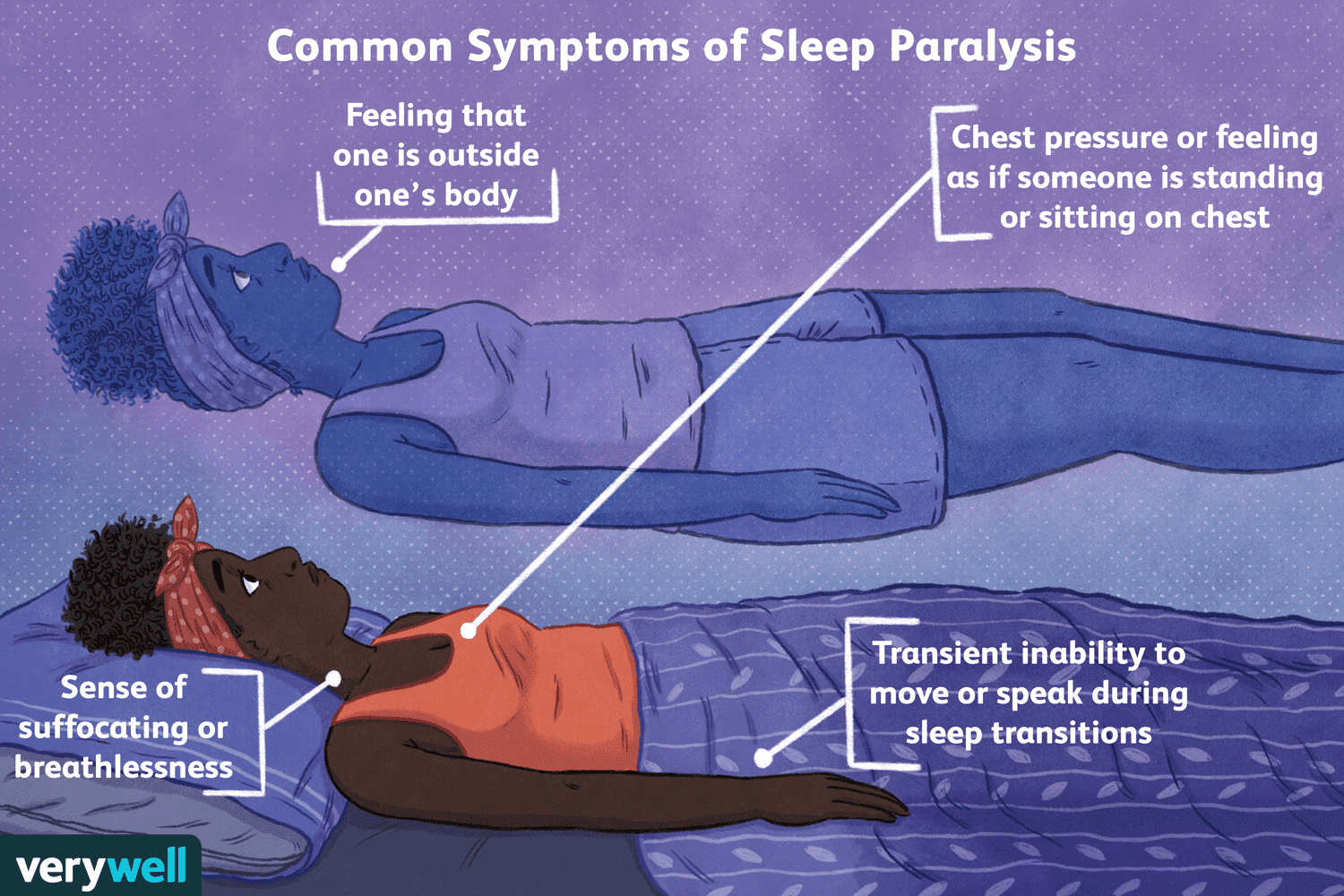
Sleep paralysis is a phenomenon that occurs between wakefulness and sleep, where you are aware of your surroundings but unable to move or speak. It can last anywhere from a few seconds to a few minutes and often occurs when you are falling asleep or waking up. During sleep paralysis, you may also experience hallucinations, feeling as though there is a presence in the room with you.
What Causes Sleep Paralysis?
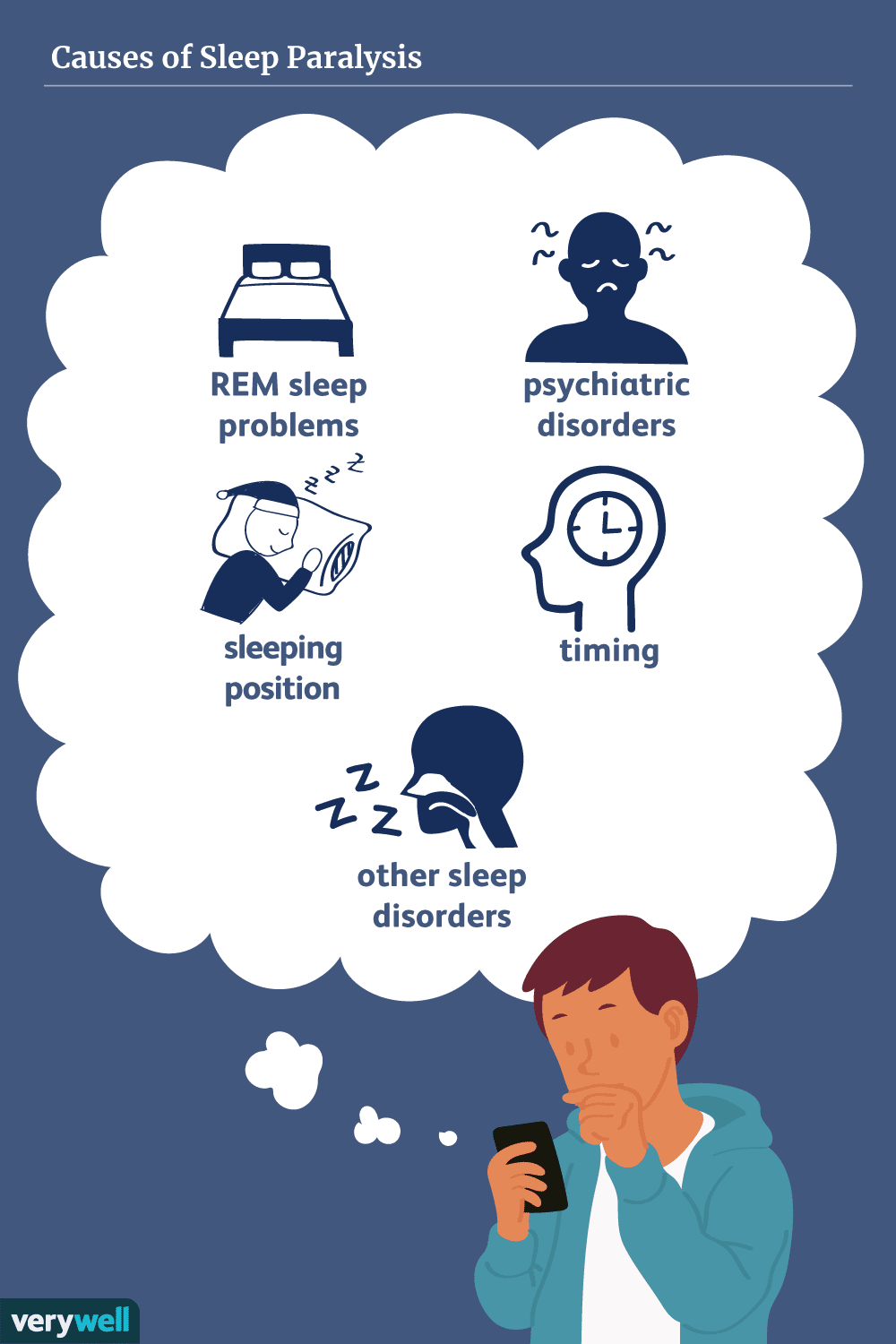
There are several factors that can contribute to sleep paralysis, including:
- Disrupted sleep patterns: Irregular sleep schedules or not getting enough sleep can increase the likelihood of experiencing sleep paralysis.
- Stress and anxiety: High levels of stress can trigger episodes of sleep paralysis, as can anxiety and worry.
- Other sleep disorders: Conditions like narcolepsy or sleep apnea can increase your risk of experiencing sleep paralysis.
- Sleeping on your back: Sleeping in a supine position (on your back) can make you more likely to experience sleep paralysis.
Understanding the potential causes of sleep paralysis can help you take steps to prevent it from happening.
How to Prevent Sleep Paralysis
While there is no foolproof way to prevent sleep paralysis entirely, there are several strategies you can try to reduce your risk of experiencing an episode.
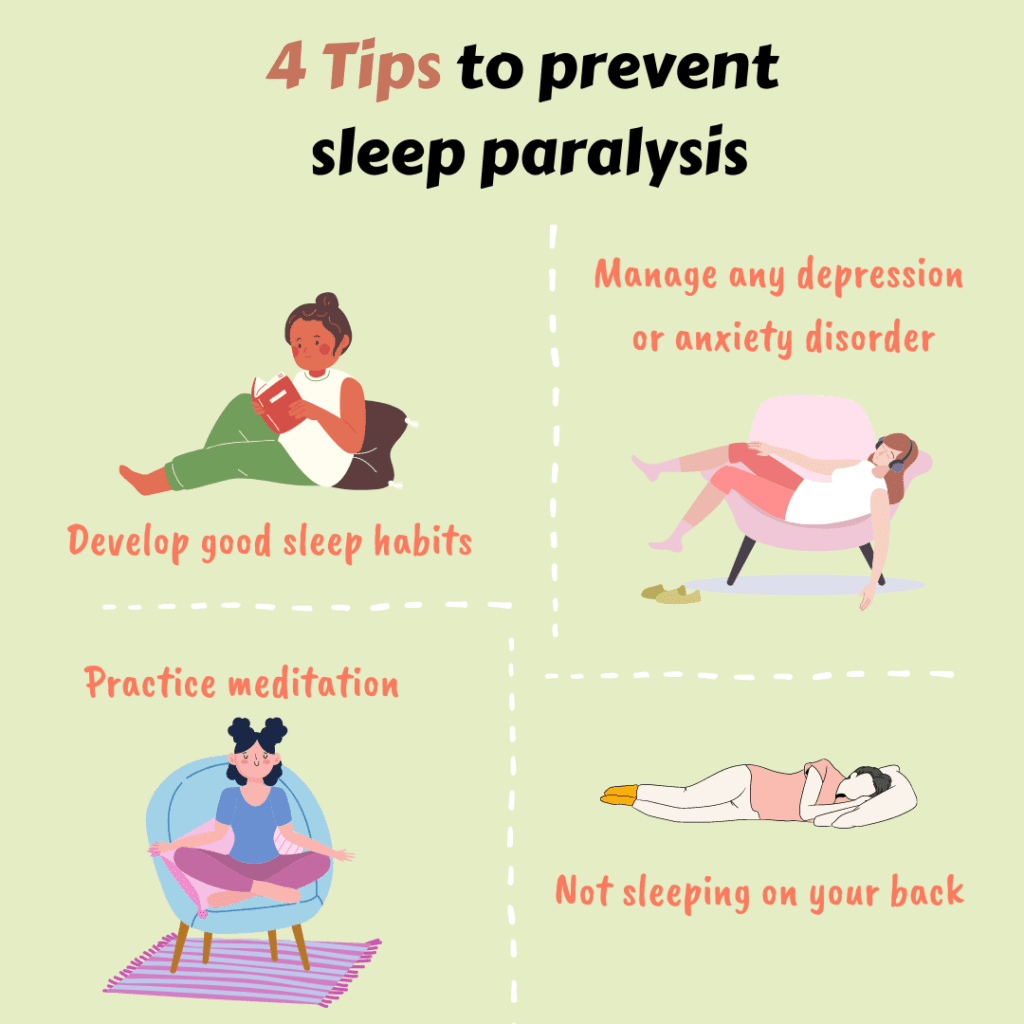
Establish a Regular Sleep Schedule
Maintaining a consistent sleep schedule can help regulate your circadian rhythm and reduce the likelihood of sleep paralysis. Try to go to bed and wake up at the same time every day, even on weekends.
Practice Relaxation Techniques
Stress and anxiety can increase your risk of experiencing sleep paralysis, so practicing relaxation techniques like deep breathing, meditation, or yoga can help calm your mind and body before bedtime.
Avoid Sleeping on Your Back
As mentioned earlier, sleeping on your back can make you more prone to sleep paralysis. Try sleeping on your side or stomach instead to reduce the risk of experiencing an episode.
Create a Comfortable Sleep Environment
Make sure your bedroom is conducive to a good night’s sleep by keeping it dark, quiet, and cool. Invest in a comfortable mattress and pillows to ensure you are getting quality rest.
Limit Caffeine and Alcohol Intake
Both caffeine and alcohol can disrupt your sleep patterns and increase the likelihood of experiencing sleep paralysis. Try to limit your consumption of these substances, especially in the hours leading up to bedtime.
Seek Professional Help
If you are experiencing frequent episodes of sleep paralysis or if they are significantly impacting your quality of life, consider seeking help from a healthcare professional. They can help identify any underlying issues that may be contributing to your sleep paralysis and recommend appropriate treatment options.
Coping with Sleep Paralysis
While it can be a frightening experience, there are ways to cope with sleep paralysis and reduce the anxiety associated with it.
Stay Calm
Remember that sleep paralysis is a temporary and harmless phenomenon. Try to stay calm and remind yourself that it will pass. Focus on slow, deep breathing to help relax your body.
Focus on Movement
During an episode of sleep paralysis, try focusing on moving a small part of your body, like your fingers or toes. This can help break the paralysis and bring you out of the episode more quickly.
Practice Mindfulness
Mindfulness techniques, such as grounding exercises or guided imagery, can help you stay present and connected to reality during an episode of sleep paralysis.
Talk About It
Sharing your experiences with sleep paralysis with friends, family, or a therapist can help you feel less isolated and more supported. It can also help you process any emotions or fears related to the experience.
Conclusion
Sleep paralysis can be a frightening and unsettling experience, but understanding what it is and how to prevent it can help you feel more in control and at ease. By establishing a regular sleep schedule, practicing relaxation techniques, and creating a comfortable sleep environment, you can reduce your risk of experiencing sleep paralysis. If you are struggling to cope with sleep paralysis, consider seeking help from a healthcare professional who can provide guidance and support. Remember that sleep paralysis is a common phenomenon that many people experience, and you are not alone in your struggles.