
Hey there! If you’re curious about sleep paralysis treatment, you’ve come to the right place. In this article, we’ll discuss important information about how sleep paralysis is treated, including common methods and tips for managing episodes. Let’s dive in and learn more about how to cope with this unsettling experience.
What You Need To Know About Sleep Paralysis Treatment
Have you ever experienced the terrifying feeling of being awake but unable to move as you transition between sleep and wakefulness? If so, you may have experienced sleep paralysis. This phenomenon can be frightening and unsettling, but there are treatment options available to help manage and alleviate the symptoms. In this article, we will explore everything you need to know about sleep paralysis treatment to help you navigate this challenging condition.
Understanding Sleep Paralysis
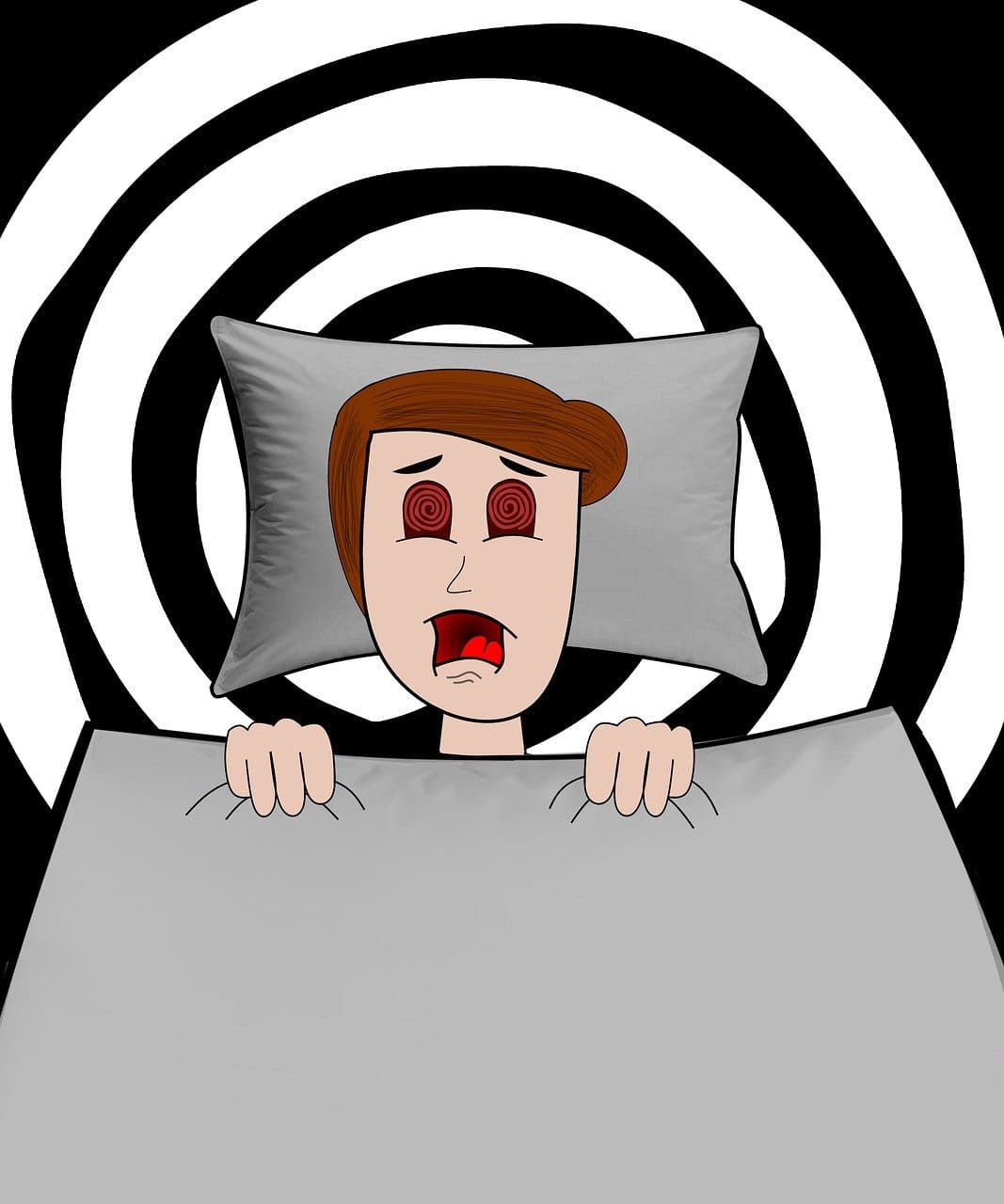
Before diving into the treatment options for sleep paralysis, it’s important to have a basic understanding of what this condition is. Sleep paralysis is a temporary inability to move or speak that occurs either when falling asleep or waking up. During an episode of sleep paralysis, you may feel awake and aware of your surroundings, but you are unable to move or speak. This can last for a few seconds to several minutes and can be accompanied by hallucinations or a sense of pressure on your chest.
Understanding the symptoms and experiences associated with sleep paralysis can help guide your treatment decisions and approach to managing this condition.
Identifying Triggers and Risk Factors
While the exact cause of sleep paralysis is not fully understood, there are certain triggers and risk factors that have been identified. Some common triggers for sleep paralysis include irregular sleep patterns, stress, substance abuse, and mental health conditions such as anxiety and depression. Additionally, certain sleep disorders like narcolepsy and sleep apnea can increase the likelihood of experiencing sleep paralysis.
Identifying your personal triggers and risk factors can help you take proactive steps to manage and potentially prevent episodes of sleep paralysis.
Lifestyle Changes and Sleep Hygiene
One of the first steps in managing sleep paralysis is making positive lifestyle changes and practicing good sleep hygiene. Establishing a regular sleep routine, maintaining a consistent sleep schedule, and creating a relaxing bedtime routine can help improve the quality of your sleep and reduce the frequency of sleep paralysis episodes.
Incorporating relaxation techniques such as deep breathing exercises, meditation, or gentle stretching before bedtime can also help alleviate stress and promote restful sleep. Avoiding caffeine, alcohol, and heavy meals close to bedtime can further support healthy sleep habits and reduce the risk of sleep paralysis.
Medication Options
In some cases, healthcare providers may recommend medication to help manage sleep paralysis symptoms. Medications such as antidepressants, muscle relaxants, or anti-anxiety medications may be prescribed to address underlying mental health conditions or alleviate anxiety and stress that can contribute to sleep paralysis.
It’s important to consult with a healthcare provider before starting any medication regimen, as they can help determine the most appropriate treatment plan based on your individual needs and medical history.

Cognitive-Behavioral Therapy (CBT)
Cognitive-behavioral therapy (CBT) is a therapeutic approach that can be effective in treating sleep paralysis by addressing negative thought patterns and behaviors that may contribute to the condition. In CBT, you work with a therapist to identify and challenge negative beliefs, develop coping strategies for managing stress and anxiety, and improve sleep hygiene practices.
CBT can help you develop skills to cope with the fear and anxiety associated with sleep paralysis, as well as provide tools to improve sleep quality and overall well-being.
Relaxation Techniques and Stress Management
Engaging in relaxation techniques and stress management practices can be beneficial in reducing the frequency and intensity of sleep paralysis episodes. Techniques such as progressive muscle relaxation, guided imagery, and mindfulness meditation can help calm your mind and body, promote relaxation, and improve sleep quality.
Regular exercise, yoga, and tai chi are also effective ways to reduce stress, improve sleep, and enhance overall physical and mental well-being. By incorporating these practices into your daily routine, you can support healthy sleep patterns and reduce the impact of sleep paralysis on your life.

Seeking Support and Education
Dealing with sleep paralysis can be a challenging and isolating experience, but it’s important to remember that you are not alone. Seeking support from friends, family, or a mental health professional can help you cope with the emotional and psychological aspects of this condition and provide you with valuable resources and guidance.
Educating yourself about sleep paralysis and connecting with others who have experienced similar symptoms can also help you feel more empowered and knowledgeable about managing this condition. Online support groups, forums, and resources dedicated to sleep disorders can be valuable sources of information and support as you navigate your treatment journey.
Creating a Safe Sleep Environment
Creating a safe and comfortable sleep environment is crucial for managing sleep paralysis and promoting restful sleep. Ensuring that your bedroom is dark, quiet, and at a comfortable temperature can help you relax and drift off to sleep more easily. Investing in a supportive mattress, pillows, and bedding can also enhance your sleep quality and reduce discomfort during the night.
Limiting screen time before bed and establishing a calming bedtime routine can signal to your body that it’s time to unwind and prepare for sleep. By making your bedroom a peaceful sanctuary for rest and relaxation, you can create an environment that supports healthy sleep habits and minimizes the occurrence of sleep paralysis.
Developing Coping Strategies
Dealing with episodes of sleep paralysis can be distressing and overwhelming, but developing coping strategies can help you manage the fear and anxiety that often accompany these experiences. When faced with an episode of sleep paralysis, try to remind yourself that it is a temporary and harmless phenomenon that will pass on its own.
Focus on regulating your breathing, remaining calm, and trying to gently move your fingers or toes to signal to your body that you are awake. By staying grounded and practicing mindfulness during an episode of sleep paralysis, you can help reduce the intensity of the experience and prevent feelings of panic or dread.
Monitoring and Tracking Symptoms
Keeping a sleep journal or diary can be a valuable tool for monitoring and tracking your sleep paralysis symptoms over time. By recording the frequency, duration, and intensity of your episodes, you can identify patterns, triggers, and any changes in your condition that may warrant further evaluation.
Sharing this information with your healthcare provider can help inform your treatment plan and enable them to make informed recommendations for managing your sleep paralysis. Additionally, tracking your progress and improvements can provide motivation and reassurance as you work towards overcoming this challenging condition.
Conclusion
Managing sleep paralysis can be a complex and multifaceted process, but with the right support, resources, and treatment strategies, you can effectively cope with this condition and improve your quality of sleep and overall well-being. By taking proactive steps to identify triggers, practice good sleep hygiene, seek support, and develop coping strategies, you can navigate the challenges of sleep paralysis and move towards a more peaceful and restful night’s sleep.
Remember, you are not alone in this journey, and there are a variety of treatment options available to help you manage sleep paralysis and reclaim control over your sleep health. By exploring different approaches and finding what works best for you, you can empower yourself to overcome the obstacles of sleep paralysis and enjoy a more peaceful and rejuvenating night’s sleep.