Have you ever experienced the unsettling sensation of being awake but unable to move, as if an invisible weight is pressing down on your body? Sleep paralysis, a phenomenon that affects many individuals, can be both terrifying and bewildering. In this article, we will explore the peculiar connection between sleep paralysis and body image, shedding light on the psychological challenges that come along with this unique experience. By delving into the intersection of these two seemingly unrelated aspects, we hope to provide insight and understanding for those navigating the complexities of sleep paralysis and its impact on body perception.
Understanding Sleep Paralysis
Definition of sleep paralysis
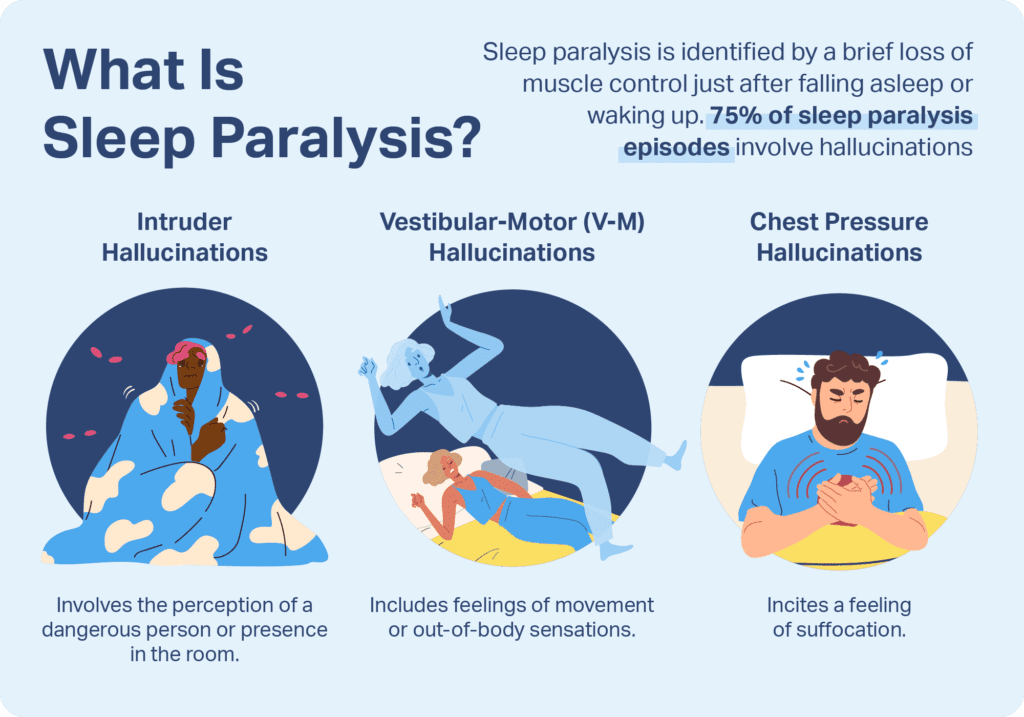
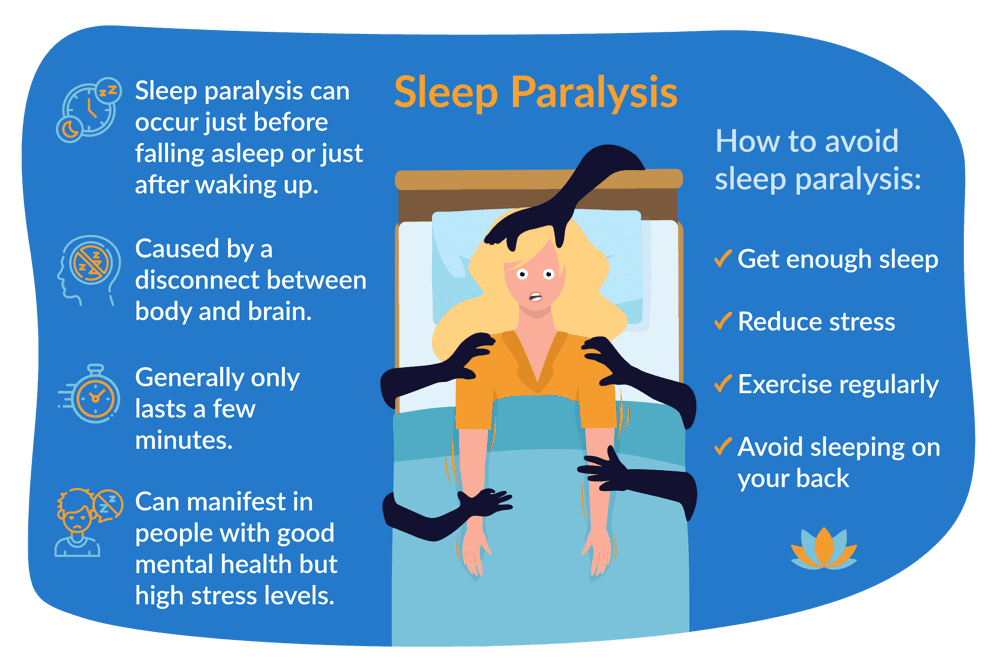
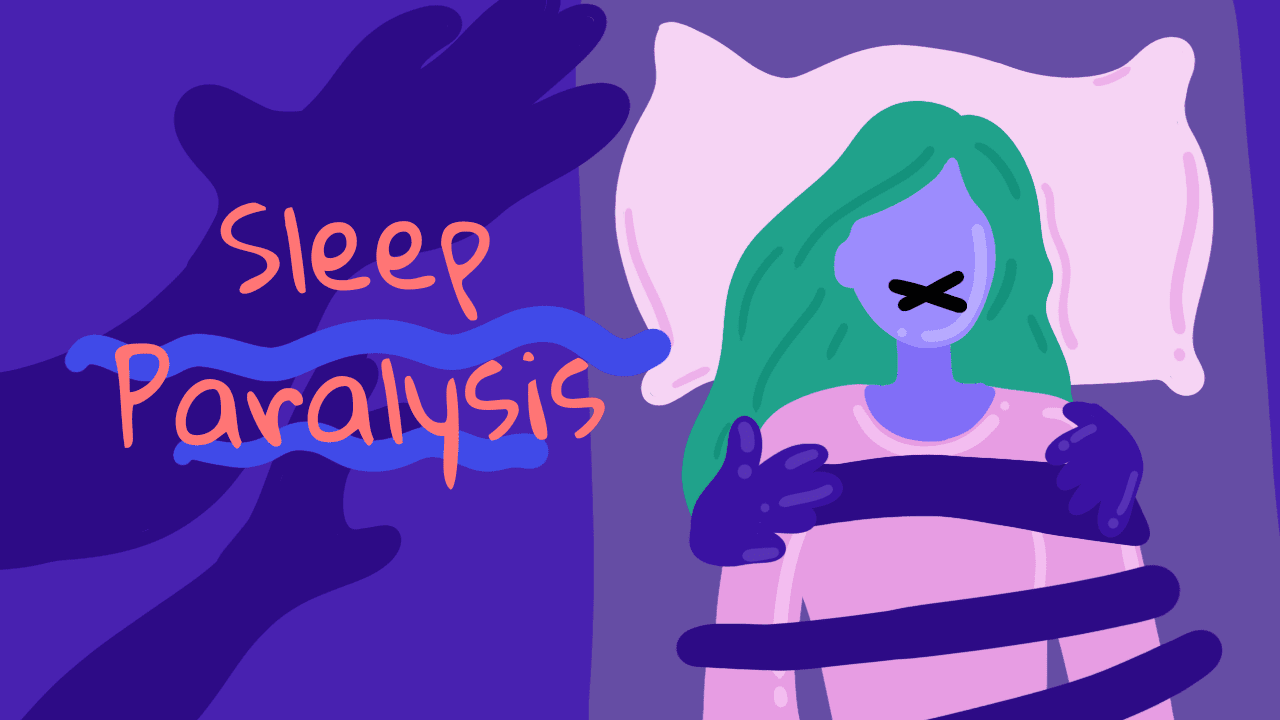
Sleep paralysis is a phenomenon that occurs during the transition between sleep and wakefulness, where an individual is temporarily unable to move or speak. It often begins when a person is waking up or falling asleep and can last for a few seconds to a couple of minutes. During this state, individuals may experience hallucinations or a sense of pressure on their chest, making it difficult to breathe.
Causes of sleep paralysis
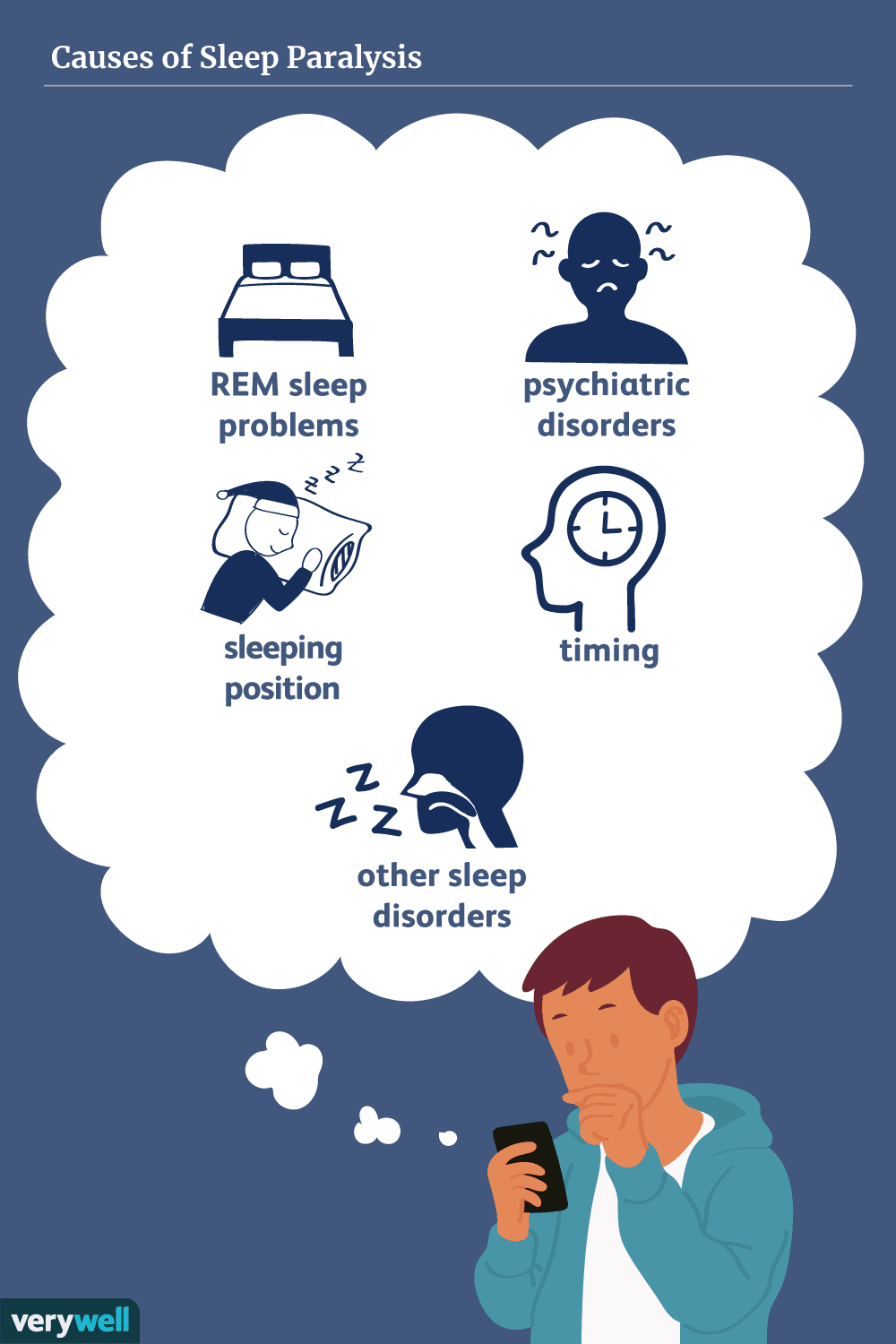
Sleep paralysis can be caused by various factors including sleep deprivation, irregular sleep schedules, and disrupted sleep patterns. Other potential causes include sleep disorders such as narcolepsy or sleep apnea, as well as underlying mental health conditions like anxiety and depression. Additionally, certain medications, substance abuse, and environmental factors such as stress or a traumatic event can contribute to the occurrence of sleep paralysis.
Symptoms of sleep paralysis
The main symptom of sleep paralysis is the temporary inability to move or speak, accompanied by a feeling of being awake and aware of the surroundings. Many individuals also report experiencing hallucinations, ranging from auditory to visual, which can be both vivid and frightening. Physical symptoms such as a sensation of pressure on the chest, difficulty breathing, or a tingling or vibrating sensation throughout the body may also be present during episodes of sleep paralysis.
Body Image and its Impact
Definition of body image
Body image refers to an individual’s perception and evaluation of their own physical appearance. It encompasses thoughts, feelings, beliefs, and attitudes towards one’s body, including its size, shape, and overall attractiveness. Body image can be influenced by societal ideals, cultural factors, family dynamics, and personal experiences.
Factors influencing body image
There are several factors that can influence body image, including media and societal standards of beauty. The portrayal of unrealistic body ideals in the media can lead individuals to compare themselves unfavorably and develop negative perceptions of their own bodies. Family and peers can also play a significant role in shaping body image through their comments and behaviors. Additionally, personal experiences such as bullying or trauma can impact body image, leading to body dissatisfaction and low self-esteem.
The impact of body image on mental health
Body image has a profound impact on mental health and well-being. Negative body image is strongly associated with low self-esteem, depression, anxiety, and eating disorders. The constant preoccupation with appearance and dissatisfaction with one’s body can lead to a distorted perception of self-worth, negatively affecting overall mental health. It is essential to address and challenge negative body image to promote positive self-esteem and psychological well-being.
The Intersection of Sleep Paralysis and Body Image
How sleep paralysis can affect body image
Sleep paralysis can have a significant impact on body image, as it can evoke feelings of helplessness and vulnerability. During episodes of sleep paralysis, individuals may experience hallucinations depicting distorted or unfamiliar images of themselves, which can contribute to negative perceptions of their own bodies. Moreover, the physical sensations, such as pressure on the chest or difficulty breathing, can heighten body-focused anxiety, leading to an increased preoccupation with physical appearance.
Unique challenges faced by individuals with sleep paralysis and body image issues
Individuals who experience both sleep paralysis and body image issues face unique challenges. The combination of these two factors can intensify feelings of distress and exacerbate existing mental health conditions, such as anxiety or depression. The fear and anxiety associated with sleep paralysis episodes may further contribute to body image dissatisfaction and a heightened sense of self-consciousness.
Importance of addressing the intersection
Addressing the intersection of sleep paralysis and body image is crucial for individuals facing these challenges. It is essential to recognize and validate the psychological impact of sleep paralysis on body image and provide support and resources tailored to these specific concerns. By addressing both sleep paralysis and body image, individuals can work towards improved well-being and self-acceptance.
Psychological Challenges Associated with Sleep Paralysis
Anxiety and fear related to sleep paralysis experiences
Sleep paralysis episodes are often accompanied by intense feelings of anxiety and fear. The hallucinations and sensations that occur during these episodes can be incredibly distressing and realistic, leading to heightened levels of fear and panic. The anticipation of future sleep paralysis episodes can also contribute to increased anxiety, making it difficult for individuals to relax and fall asleep.
Impact on self-esteem and self-confidence
Sleep paralysis can negatively impact self-esteem and self-confidence, particularly when individuals feel powerless and vulnerable during episodes. The fear of being judged or misunderstood by others due to their sleep paralysis experiences can lead to a diminished sense of self-worth. Additionally, the body-focused anxiety associated with sleep paralysis may further contribute to feelings of dissatisfaction with one’s physical appearance, leading to decreased self-confidence.
Relationship between sleep paralysis and body dysmorphic disorder
Sleep paralysis has been linked to body dysmorphic disorder (BDD), a mental health condition characterized by preoccupation with perceived flaws in one’s physical appearance. The visual hallucinations experienced during sleep paralysis, often involving distorted or unfamiliar images, can mimic the symptoms of BDD. The distress caused by these experiences can exacerbate body image concerns and contribute to the development or worsening of BDD symptoms.
Coping Strategies for Sleep Paralysis and Body Image Issues
Seeking professional help from therapists or psychologists
Seeking professional help is crucial for individuals dealing with sleep paralysis and body image issues. Therapists or psychologists can provide valuable support, guidance, and evidence-based treatments such as cognitive-behavioral therapy (CBT) or exposure therapy. These interventions can help individuals develop coping strategies, challenge negative thoughts and beliefs, and manage anxiety or body image concerns.
Developing a support system
Building a support system of trusted friends, family members, or support groups can be beneficial for individuals navigating sleep paralysis and body image challenges. Having a safe space to share experiences, seek advice, and receive empathy and understanding can provide emotional support during difficult times. Connecting with others who have similar experiences can also help alleviate feelings of isolation and promote a sense of belonging.
Engaging in self-care practices
Practicing self-care is essential for managing both sleep paralysis and body image issues. Engaging in activities that promote relaxation, such as mindfulness or meditation, can help reduce stress levels and improve sleep quality. Engaging in regular exercise, eating a balanced diet, and prioritizing self-compassion and self-acceptance are also vital components of self-care that can contribute to improved overall well-being.
Promoting Self-Acceptance and Positive Body Image
Enhancing self-compassion and self-esteem
Promoting self-acceptance and positive body image starts with enhancing self-compassion and self-esteem. Practicing self-compassion involves treating oneself with kindness, understanding, and empathy, acknowledging that all individuals have flaws and imperfections. Building self-esteem involves identifying and challenging negative self-talk, focusing on personal strengths and accomplishments, and nurturing a positive self-image.
Challenging societal beauty standards
Challenging societal beauty standards is crucial for fostering a more inclusive and accepting environment. Recognizing that beauty comes in various forms and sizes, and that it is not determined solely by physical appearance, can help individuals develop a more positive and realistic perception of themselves. Promoting diversity and embracing body positivity movements can contribute to reducing body image-related pressures and promoting acceptance.
Practicing gratitude and mindfulness
Practicing gratitude and mindfulness can have a positive impact on mental well-being and body image. Gratitude exercises, such as keeping a gratitude journal or expressing appreciation for one’s body, can shift focus towards positive aspects of oneself and instill a sense of gratitude for what the body can do. Mindfulness techniques, such as body scans or meditation, can help individuals develop a nonjudgmental and accepting attitude towards their bodies.
Educating Others about Sleep Paralysis and Body Image
Raising awareness about sleep paralysis and its psychological impact
Raising awareness about sleep paralysis and its psychological impact is essential for promoting understanding and empathy. Educating others about the symptoms, causes, and prevalence of sleep paralysis can help reduce misconceptions and stigma surrounding the condition. Highlighting the psychological challenges faced by individuals with sleep paralysis, including the intersection with body image, can foster a more compassionate and inclusive society.
Promoting empathy and understanding
Promoting empathy and understanding towards individuals experiencing sleep paralysis and body image issues is crucial. Encouraging open and nonjudgmental conversations, creating safe spaces for individuals to share their experiences, and actively listening to their perspectives can contribute to increased empathy and support. By recognizing the psychological impact of these challenges, we can foster a more supportive and accepting environment.
Debunking myths and misconceptions
Debunking myths and misconceptions surrounding sleep paralysis and body image is important to promote accurate understanding and information. Sharing evidence-based knowledge about the causes, symptoms, and potential treatments of sleep paralysis can dispel misunderstandings and reduce fear and stigma. By challenging false beliefs and providing reliable information, we can contribute to a more informed and compassionate society.
Advocating for Mental Health Support
Promoting accessible mental health resources
Advocating for increased accessibility to mental health resources is crucial for individuals experiencing sleep paralysis and body image challenges. Promoting affordable therapy or counseling options, providing information on helplines or support groups, and advocating for comprehensive mental health coverage can help individuals access the support they need. By prioritizing mental health resources, we can work towards a more inclusive and supportive system.
Encouraging research on sleep paralysis and body image connection
Encouraging further research on the connection between sleep paralysis and body image is essential for expanding our understanding of these complex issues. Studies investigating the psychological impact of sleep paralysis on body image and exploring potential interventions can contribute to the development of targeted treatments and support. By supporting and advocating for research, we can contribute to the advancement of knowledge and support for individuals facing these challenges.
Campaigning for mental health awareness and destigmatization
Campaigning for mental health awareness and destigmatization is crucial for creating a more accepting and supportive society. By engaging in public discussions, sharing personal stories, and promoting accurate information about sleep paralysis and body image, we can reduce the stigma surrounding these issues. Advocating for mental health awareness in schools, workplaces, and communities can help foster an environment that promotes understanding, empathy, and access to mental health support.
Building Resilience and Coping with Sleep Paralysis
Developing coping mechanisms for sleep paralysis episodes
Developing effective coping mechanisms is essential for managing sleep paralysis episodes. Strategies such as creating a calming bedtime routine, ensuring a comfortable sleep environment, and practicing relaxation techniques can help reduce anxiety and promote better sleep quality. It may also be helpful to establish a regular sleep schedule and avoid substances or activities that may disrupt sleep, such as caffeine or excessive screen time before bed.
Exploring relaxation techniques and stress management
Incorporating relaxation techniques and stress management strategies into daily life can help individuals cope with both sleep paralysis and body image issues. Deep breathing exercises, progressive muscle relaxation, or engaging in activities that promote relaxation, such as yoga or mindfulness meditation, can help reduce stress levels and promote overall well-being. Identifying and addressing sources of stress through healthy coping mechanisms can also contribute to better sleep and improved mental health.
Creating a sleep-friendly environment
Creating a sleep-friendly environment is crucial for managing sleep paralysis and ensuring quality sleep. This includes maintaining a comfortable temperature and darkness in the bedroom, using a supportive mattress and pillows, and minimizing noise or distractions. Establishing a regular sleep schedule, avoiding stimulating activities close to bedtime, and implementing relaxation techniques can also contribute to a more conducive sleep environment. Prioritizing good sleep hygiene can help reduce the frequency and severity of sleep paralysis episodes.
Seeking Peer Support and Community
Connecting with others who have similar experiences
Connecting with others who have similar experiences can be invaluable for individuals navigating sleep paralysis and body image issues. Seeking out support groups or online communities specifically dedicated to sleep paralysis or body image can provide a space to share stories, exchange coping strategies, and receive empathy and understanding from individuals who can relate to the challenges faced.
Joining support groups or online communities
Joining support groups or online communities can provide a supportive space for individuals facing sleep paralysis and body image challenges. These groups can offer a sense of belonging and understanding, as well as an opportunity to learn from others’ experiences. Engaging in discussions, asking questions, and sharing personal insights can contribute to a sense of community and provide valuable support during times of distress.
Sharing personal stories and experiences
Sharing personal stories and experiences can help raise awareness, reduce stigma, and provide support to others going through similar challenges. By speaking openly and authentically about sleep paralysis and body image, individuals can contribute to a more understanding and compassionate society. Personal stories can inspire hope, promote resilience, and remind others that they are not alone in their experiences.
In conclusion, navigating the psychological challenges associated with both sleep paralysis and body image can be incredibly challenging. By understanding the intersection of these two factors and implementing coping strategies, promoting self-acceptance, educating others, advocating for mental health support, and seeking peer support and community, individuals can better navigate and overcome these challenges. It is essential to prioritize mental health, promoting empathy and understanding, and fostering a supportive environment for individuals dealing with sleep paralysis and body image concerns.