
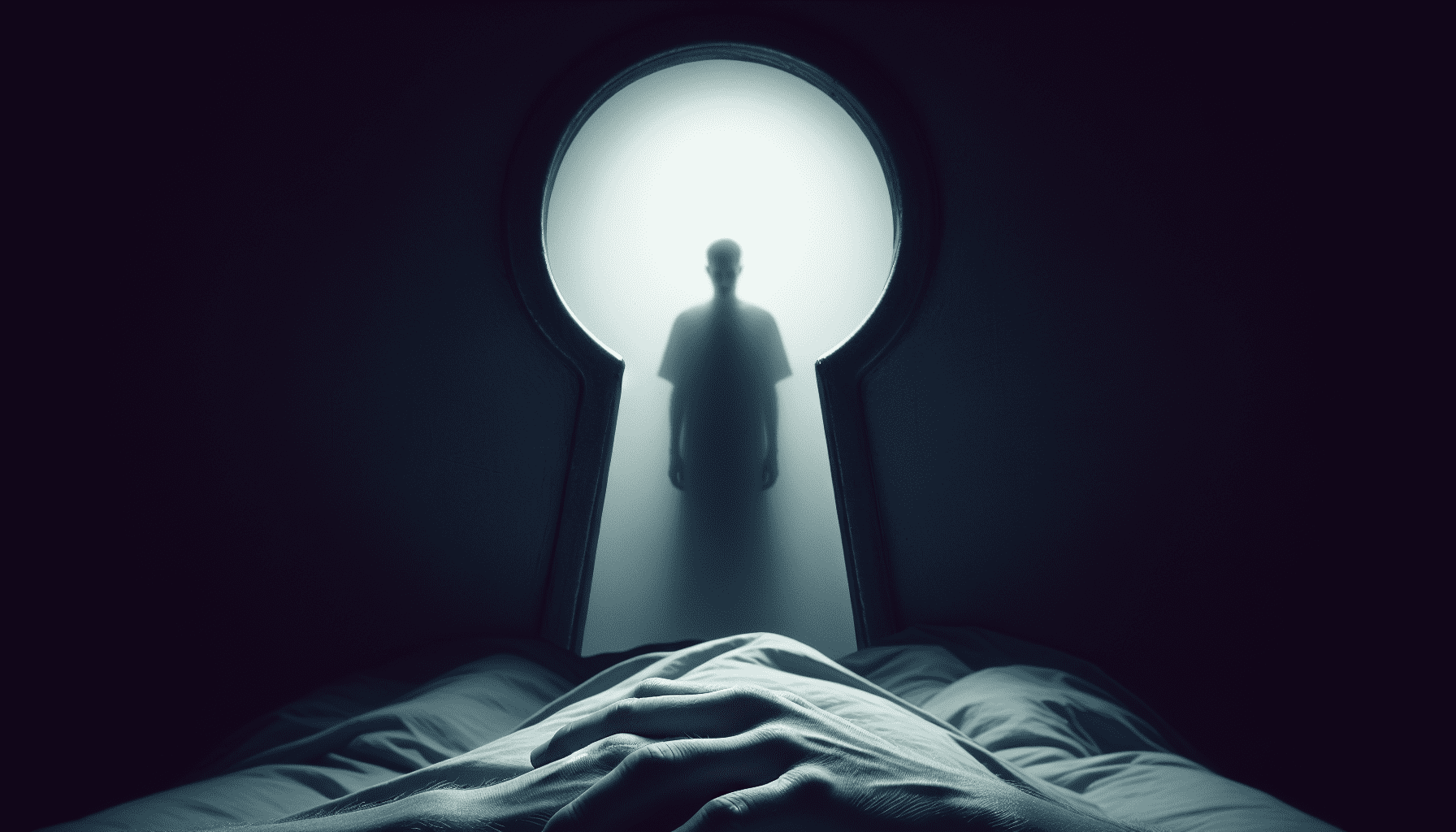
Imagine waking up unable to move or speak, feeling as though you’re trapped in your own body. This is the reality for individuals experiencing sleep paralysis, a phenomenon where the mind is awake, but the body remains paralyzed. The impact of sleep paralysis on daily life and productivity can be significant, causing distress and interrupted sleep patterns. In this article, we will explore the effects of sleep paralysis on everyday activities and discuss strategies to minimize its impact on productivity. So, if you or someone you know has ever experienced this unsettling condition, keep reading to gain valuable insights on navigating daily life with sleep paralysis.

Physical Symptoms
Muscle Weakness
Sleep paralysis can lead to muscle weakness, making it difficult for you to move your body when you wake up. This can be quite alarming and can make you feel helpless. The sensation of being unable to move can be frightening and can trigger panic or anxiety.
Difficulty Breathing
During sleep paralysis, you may also experience difficulty breathing or a feeling of suffocation. This can cause immense stress and make you feel like you can’t catch your breath. It’s important to remember that although it may feel like you are unable to breathe, your body is still functioning normally, and the sensation will pass.
Sensation of Pressure on Chest
Many people with sleep paralysis report feeling a heavy pressure on their chest, as if someone or something is sitting on top of them. This sensation can be extremely distressing and can cause significant discomfort. It’s important to remind yourself that this is just a symptom of sleep paralysis and that it will subside once the episode is over.
Emotional Impact
Anxiety
Experiencing sleep paralysis can be a highly anxiety-inducing experience. The fear and helplessness that accompany this phenomenon can lead to elevated levels of anxiety. The anticipation of future episodes can also contribute to heightened anxiety and distress.
Fear
Sleep paralysis often triggers intense fear and panic, especially due to the hallucinations that can occur during episodes. The feeling of being paralyzed while sensing a presence in the room can be extremely frightening and can leave a lasting impact on your emotional well-being.
Depression
The emotional toll of sleep paralysis can lead to the development or exacerbation of depression. The impact of frequent episodes, disrupted sleep, and the fear of sleeping can take a toll on your overall mood and outlook on life. It’s important to reach out for support if you find yourself struggling with depression as a result of sleep paralysis.
Sleep Quality
Disruption of Sleep Patterns
Sleep paralysis disrupts the natural sleep cycle, causing fragmented and interrupted sleep. This can result in poor sleep quality and leave you feeling tired and groggy throughout the day. The fear of experiencing sleep paralysis can also make falling asleep or staying asleep more difficult.
Insomnia
Insomnia often accompanies sleep paralysis, as the fear and anxiety associated with the condition can make it challenging to fall asleep or stay asleep at night. Insomnia can have a significant impact on your daily life, making it harder to function during the day and affecting your overall well-being.
Excessive Daytime Sleepiness
The disrupted sleep patterns caused by sleep paralysis can lead to excessive daytime sleepiness. Feeling excessively tired and having a constant need to nap can interfere with your ability to focus, concentrate, and engage in daily activities. It can also increase the risk of accidents or errors in tasks that require alertness.

Productivity Loss
Reduced Concentration
Sleep paralysis can significantly impact your ability to concentrate. The disrupted sleep and constant fear of experiencing an episode can make it challenging to focus on tasks at hand. This can lead to decreased productivity and performance in various areas of your life, including work, school, and personal activities.
Difficulty Planning and Organizing
The cognitive effects of sleep paralysis can make it difficult to plan and organize your daily routines. The disrupted sleep patterns and the emotional toll of the condition can impair your ability to think clearly and make decisions, leading to inefficiencies and difficulties in managing your responsibilities.
Decreased Motivation
The emotional and physical exhaustion caused by sleep paralysis can also result in decreased motivation. The constant fear of experiencing an episode and the ongoing impact on your daily life can make it challenging to find the drive and energy to engage in activities that you once enjoyed, leading to a decline in overall productivity.
Impact on Relationships
Irritability and Mood Swings
Sleep paralysis can contribute to increased irritability and mood swings. The disrupted sleep and emotional distress caused by the condition can make you more prone to irritability and can strain your relationships with others. It’s important to communicate your experience and seek understanding from your loved ones.
Difficulty Maintaining Intimacy
The fear and anxiety associated with sleep paralysis can also impact your intimate relationships. The disrupted sleep patterns and emotional toll can make it challenging to engage in and maintain physical intimacy. Open and honest communication with your partner can help alleviate some of the strain this may cause.
Lack of Energy for Social Activities
Sleep paralysis can leave you feeling drained and lacking energy, making it difficult to engage in social activities. The fatigue and anxiety resulting from the condition can lead to a decreased desire to socialize or participate in events. It’s important to communicate your needs with friends and family to ensure understanding and support.
Work Performance
Reduced Efficiency
Sleep paralysis can have a significant impact on your work performance. The disrupted sleep and the emotional burden of the condition can result in reduced efficiency and productivity. The challenges in concentration and decision-making can lead to errors and delays in completing tasks.
Procrastination
The anxiety and fear associated with sleep paralysis can contribute to procrastination. The dread of experiencing an episode or managing the consequences of disrupted sleep can make it tempting to avoid tasks or put them off. This can further exacerbate productivity loss and increase stress levels.
Absence or Tardiness
The fatigue and physical symptoms related to sleep paralysis can lead to increased absences or tardiness at work or other responsibilities. The disrupted sleep patterns and the emotional toll can make it difficult to wake up on time or have the energy to fulfill daily obligations. Open communication with your employer or others who rely on your presence can help reduce the impact.
Physical Health Consequences
Increased Risk of Cardiovascular Disease
Sleep paralysis has been linked to an increased risk of cardiovascular disease. The disruptions in sleep and the impact on stress levels can contribute to hypertension, heart disease, and other cardiovascular conditions. It’s essential to manage the underlying causes of sleep paralysis to minimize the potential long-term health consequences.
Weakened Immune System
The disrupted sleep patterns and chronic stress associated with sleep paralysis can weaken your immune system. This can make you more susceptible to illnesses and infections and can delay your body’s ability to recover. Prioritizing sleep hygiene and managing stress levels are crucial for maintaining a strong immune system.
Weight Gain
Studies have shown a correlation between sleep paralysis and weight gain. The disrupted sleep and increased levels of anxiety and stress can disrupt hormonal regulation and lead to changes in appetite and metabolism. These changes can contribute to weight gain and make it harder to maintain a healthy weight.
Psychological Effects
Confusion and Disorientation
Sleep paralysis can result in confusion and disorientation upon waking up from an episode. The transition from an intense and often terrifying experience to reality can leave you feeling disoriented and unsure of your surroundings. Taking a few moments to reorient yourself and practice grounding techniques can be helpful in easing these sensations.
Hallucinations
Hallucinations are a common occurrence during sleep paralysis. These hallucinations can involve seeing, hearing, or feeling things that are not actually present. These vivid and often disturbing experiences can contribute to increased fear and anxiety associated with sleep paralysis.
Post-Traumatic Stress Disorder
In some cases, sleep paralysis can lead to the development of post-traumatic stress disorder (PTSD). If episodes are frequent, particularly intense, or accompanied by traumatic hallucinations, the emotional impact can be long-lasting and contribute to the development of PTSD. Seeking professional help is essential if you suspect you may be dealing with PTSD as a result of sleep paralysis.
Effect on Mental Health
Increased Risk of Anxiety Disorders
The heightened levels of anxiety experienced during sleep paralysis can increase the risk of developing generalized anxiety disorder or other anxiety disorders. The fear and anticipation of future episodes can also contribute to the maintenance of anxiety symptoms.
Higher Likelihood of Developing Depression
The emotional toll of sleep paralysis, including the fear, disrupted sleep, and impact on daily life, can increase the likelihood of developing or exacerbating symptoms of depression. It’s important to seek support from loved ones and mental health professionals to address any depressive symptoms.
Negative Impact on Overall Well-Being
Collectively, the physical, emotional, and cognitive effects of sleep paralysis can have a negative impact on your overall well-being. The chronic fatigue, anxiety, and disruption of daily life can impede your ability to thrive and enjoy a fulfilling life. Seeking appropriate treatment and coping strategies is crucial for improving your well-being.
Coping Strategies
Maintaining a Consistent Sleep Schedule
Establishing and maintaining a consistent sleep schedule can help regulate your sleep patterns and reduce the occurrence and impact of sleep paralysis. Aim for a regular bedtime and wake-up time, even on weekends or days off, to promote healthy sleep hygiene.
Relaxation Techniques
Practicing relaxation techniques, such as deep breathing exercises, meditation, or progressive muscle relaxation, can help manage anxiety and stress associated with sleep paralysis. Incorporating these techniques into your daily routine can promote relaxation and improve sleep quality.
Seeking Support from Others
Don’t hesitate to reach out for support from loved ones, friends, or mental health professionals. Sharing your experiences and emotions with others can help alleviate some of the emotional burden of sleep paralysis. Additionally, seeking guidance from professionals can provide you with strategies and coping mechanisms tailored to your individual needs.
In conclusion, sleep paralysis can have a significant impact on various aspects of your life, from physical health to emotional well-being and productivity. Understanding the symptoms and effects of sleep paralysis is crucial for seeking appropriate treatment and implementing effective coping strategies. By addressing the physical and emotional challenges of sleep paralysis, you can improve your overall quality of life and regain a sense of control and well-being. Remember, you are not alone, and support is available to help you navigate the challenges of sleep paralysis.