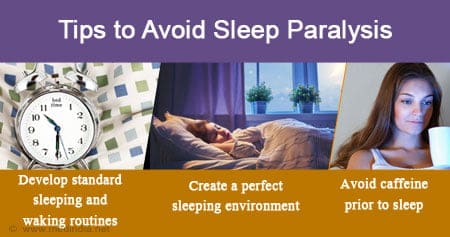
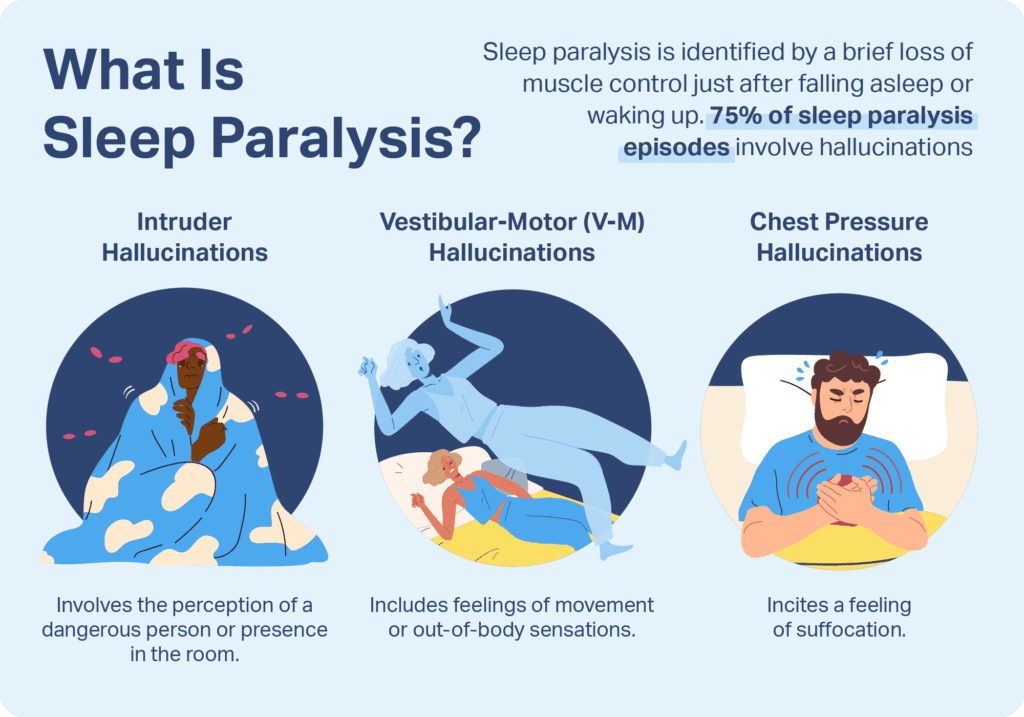
Are you tired of waking up in the middle of the night, unable to move or speak, feeling like a heavy weight is pressing down on your chest? If so, you may be experiencing sleep paralysis, a phenomenon that affects many people. But fear not, because there are ways to improve your sleep posture to prevent this unsettling experience. By making a few simple adjustments to how you position yourself while sleeping, you can greatly reduce the occurrence of sleep paralysis and wake up feeling refreshed and energetic. In this article, we will explore some of the best techniques to improve your sleep posture and put an end to those sleepless nights.
Invest in a supportive mattress
A good mattress is essential for maintaining a healthy sleep posture and preventing sleep paralysis. When choosing a mattress, opt for one that offers medium-firm support. This level of firmness provides the right balance between comfort and support, allowing your body to rest in a natural alignment. A mattress that is too soft can cause your body to sink in, leading to improper spinal alignment and increasing the risk of sleep paralysis. On the other hand, a mattress that is too firm can create pressure points and discomfort.
Consider memory foam mattresses as they contour to the shape of your body, providing excellent support and relieving pressure. These mattresses distribute your body weight evenly, which helps in maintaining a neutral sleep posture and reducing the chances of sleep paralysis. Memory foam also absorbs movement, so if you share the bed with a partner, their movements are less likely to disrupt your sleep.
Use a suitable pillow
Choosing the right pillow is equally important when it comes to improving sleep posture and preventing sleep paralysis. Look for a pillow that aligns your head and neck with the rest of your spine. This alignment is crucial for proper spinal support and to avoid straining the muscles and nerves in your neck.
Consider using a contoured or orthopedic pillow, specifically designed to support the natural curves of your head, neck, and shoulders. These pillows provide extra support and help maintain a neutral sleep posture, reducing the risk of sleep paralysis. Avoid using excessively high or flat pillows, as they can throw off the alignment of your spine and lead to discomfort and muscle strain.
Maintain a neutral spine position
Sleeping in a neutral spine position is vital for preventing sleep paralysis. When sleeping on your back, place a pillow supporting your neck curve to maintain proper alignment and reduce the risk of your head falling back and obstructing your airway. This position also helps relieve pressure on your back and hips.
If you prefer sleeping on your side, place a pillow between your legs to keep your spine aligned and prevent your top leg from pulling your pelvis out of alignment. This can reduce discomfort and potential stress on your muscles and joints, helping to prevent sleep paralysis. Avoid sleeping in a curled-up position, as this can cause strain on your spine and lead to discomfort.
Avoid sleeping on your stomach
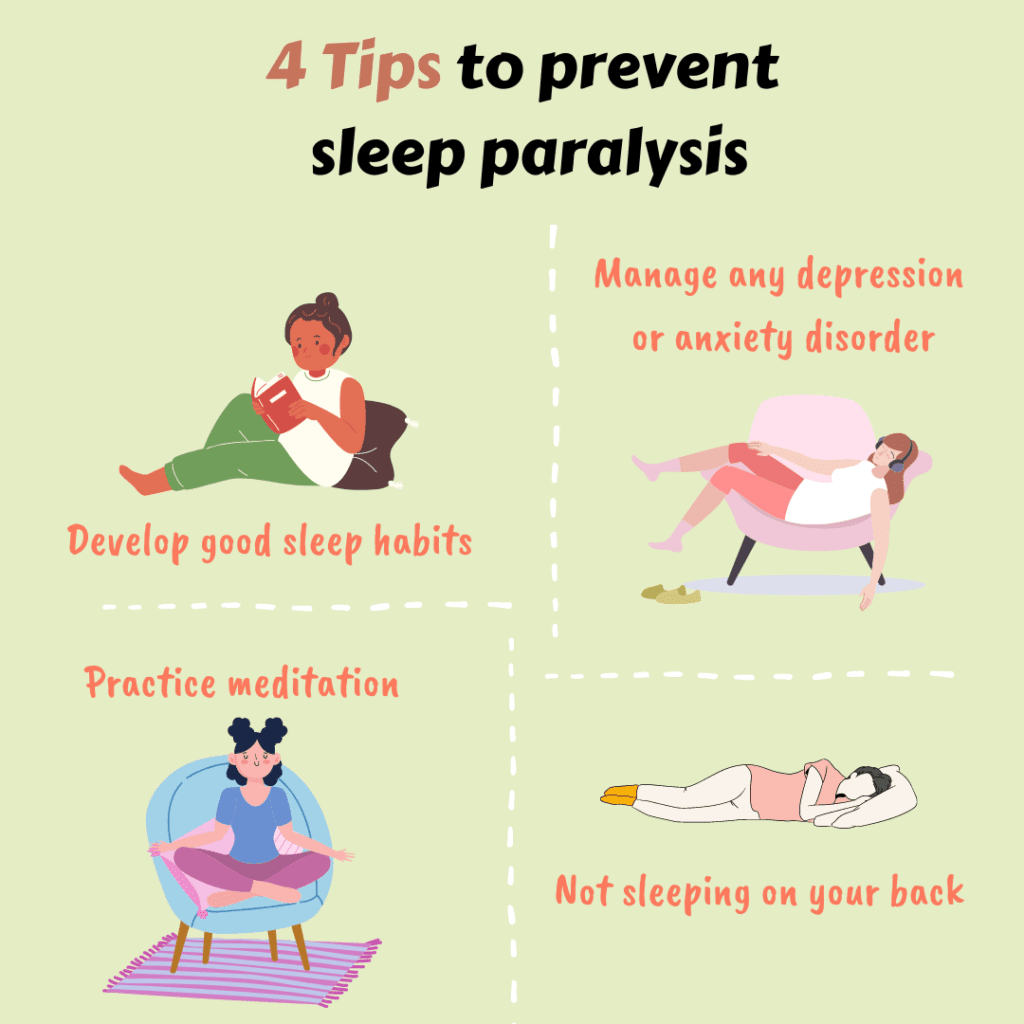
Sleeping on your stomach can strain your neck and spine, increasing the likelihood of sleep paralysis. It can cause your neck to twist unnaturally, putting pressure on the nerves and muscles. If you typically sleep on your stomach, try transitioning to sleeping on your back or side.
To discourage rolling onto your stomach while asleep, consider using a body pillow. Place the body pillow against your back to provide support and act as a physical barrier, preventing you from shifting onto your stomach during the night. Breaking the habit of sleeping on your stomach can significantly improve your sleep posture and reduce the risk of sleep paralysis.
Practice relaxation techniques before bed
Relaxation techniques can help calm your body and mind, preparing you for a restful sleep and reducing the chances of sleep paralysis. Engage in deep breathing exercises to promote relaxation and alleviate stress. Slowly inhale through your nose, filling your diaphragm with air, and exhale through your mouth, releasing any tension or anxiety. Repeat this deep breathing pattern for several minutes before bed.
Another effective relaxation technique is progressive muscle relaxation. Start by focusing on one muscle group at a time, tensing and then relaxing each muscle group. Begin with your toes and work your way up to your head, consciously releasing any tension you may be holding. Progressive muscle relaxation can help relieve physical and mental stress, promoting a more peaceful sleep.
Consider incorporating meditation or mindfulness practices into your bedtime routine. These techniques encourage you to stay present and focused, allowing you to let go of any racing thoughts or worries that may be keeping you awake. By embracing a state of mindfulness, you can calm your mind and create a peaceful internal environment, setting the stage for a restful night’s sleep.
Create a peaceful sleep environment
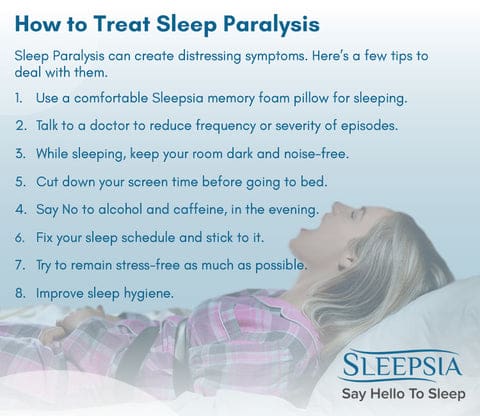
Your sleep environment plays a significant role in promoting healthy sleep posture and preventing sleep paralysis. Ensure that the temperature of your room is comfortable for sleep. A cool and well-ventilated room is ideal for promoting the natural temperature regulation of your body, allowing you to sleep more comfortably.
To block out any unwanted light that may interfere with your sleep, use blackout curtains or an eye mask. These will create a dark environment, promoting melatonin production and ensuring better quality sleep. By eliminating external light sources, you can enhance your sleep posture and reduce the likelihood of experiencing sleep paralysis.
Noise can also disrupt your sleep and prevent you from entering deep, restorative sleep stages. Use earplugs or a white noise machine to reduce noise levels and create a quiet sleep environment. White noise can be calming and help mask any disruptive sounds, ensuring a more peaceful and undisturbed sleep.
Establish a consistent sleep schedule
Maintaining a consistent sleep schedule is crucial for regulating your body’s internal clock and promoting healthy sleep patterns. Go to bed and wake up at the same time every day, even on weekends. This regularity helps your body establish a consistent sleep-wake cycle, making it easier to fall asleep and wake up naturally.
Avoid napping excessively during the day, especially close to your bedtime. Napping for too long or too late in the day can interfere with your nighttime sleep and throw off your sleep schedule. If you feel the need to nap, limit it to a short power nap of around 20 minutes early in the afternoon to avoid disrupting your nighttime sleep.
Creating a pre-sleep routine can signal to your body that it’s time to rest and unwind. Engage in relaxing activities such as reading a book, taking a warm bath, or practicing gentle stretching or yoga. These activities can help prepare your mind and body for sleep, improving your sleep posture and reducing the chances of sleep paralysis.
Engage in regular physical activity
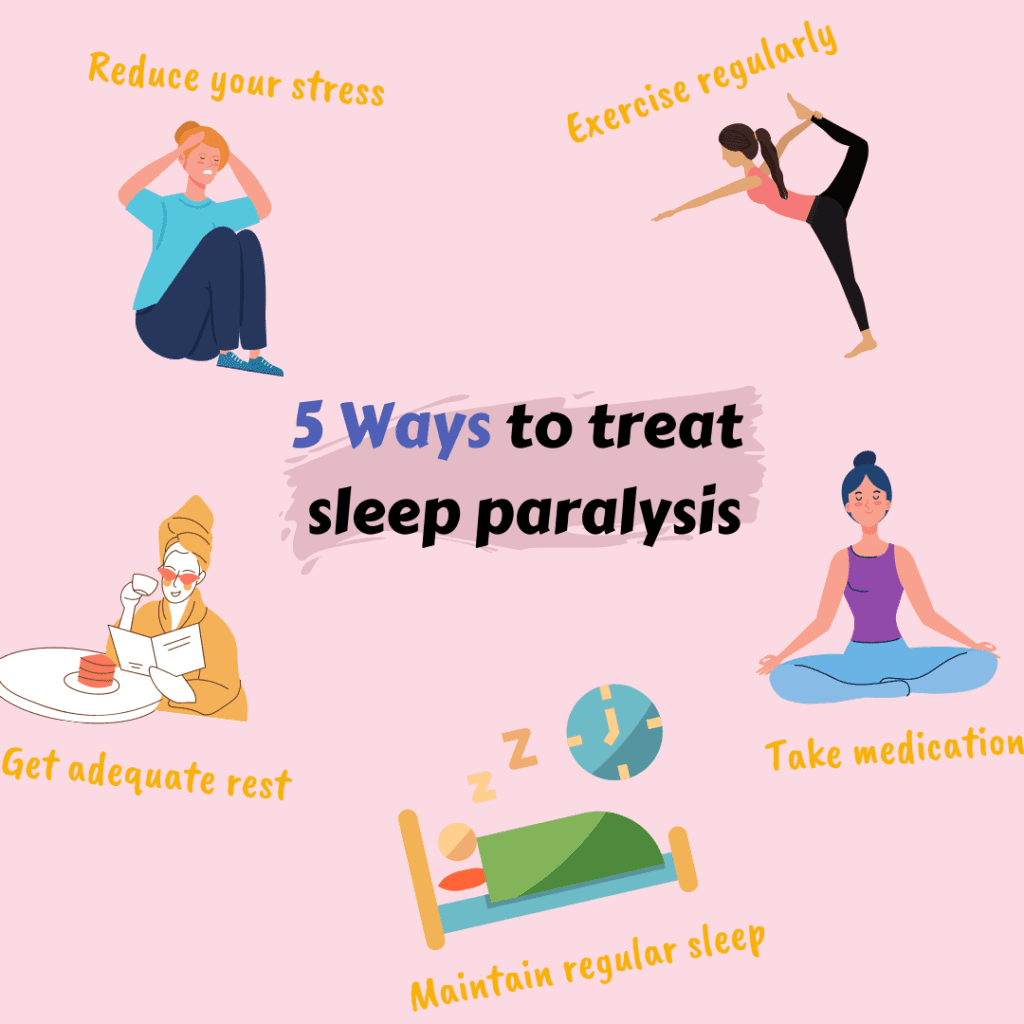
Regular physical activity is beneficial for not only your overall health but also your sleep quality and sleep posture. Engage in moderate exercise, such as walking, jogging, or cycling, for at least 30 minutes most days of the week. Exercise helps regulate your sleep-wake cycle, promotes better sleep efficiency, and increases the time spent in deep sleep stages, reducing the risk of sleep paralysis.
However, avoid intense physical activity close to bedtime. Vigorous exercise can increase your heart rate and alertness, making it harder to fall asleep. Finish your exercise routine at least a few hours before bed to give your body ample time to wind down and prepare for sleep.
Incorporate stretching or yoga into your routine to relax the muscles and promote flexibility. Stretching before bed can help release tension from your body and relieve any muscle tightness, allowing you to adopt a more comfortable sleep posture. Practicing yoga also helps calm the mind, quieting any racing thoughts and promoting a state of relaxation.
Limit caffeine and alcohol intake
What you consume throughout the day can significantly impact your sleep posture and the quality of your sleep. Avoid consuming drinks that contain caffeine in the evening, as caffeine is a stimulant that can interfere with your ability to fall asleep quickly and maintain a deep sleep. Opt for herbal tea or decaffeinated options, which provide a soothing effect and promote relaxation.
Similarly, limit alcohol consumption, particularly in the hours leading up to bedtime. While alcohol may initially make you feel drowsy, it can disrupt your sleep patterns, leading to fragmented and less restorative sleep. Alcohol relaxes the muscles in your throat, increasing the risk of snoring and obstructive sleep apnea. It’s best to avoid alcohol altogether or moderate your intake to ensure better sleep quality and reduce the chances of sleep paralysis.
Seek professional help if needed
If you continue to experience sleep paralysis despite implementing sleep posture improvements and healthy sleep habits, it may be necessary to seek professional help. Consult a healthcare professional who specializes in sleep disorders for a thorough evaluation and personalized guidance. They can provide valuable insights, identify any underlying causes of sleep paralysis, and develop an individualized treatment plan.
In some cases, a sleep study may be recommended to monitor your sleep patterns and evaluate any potential sleep disorders. This can provide a more in-depth understanding of your specific sleep issues and guide appropriate treatment interventions.
Sleep therapy or medication options may be explored if recommended by your healthcare professional. Cognitive-behavioral therapy for insomnia (CBT-I) can be effective in addressing sleep disorders and improving sleep quality. Medications may also be prescribed to help manage specific sleep-related conditions.
Remember, seeking professional help is a proactive step towards understanding and resolving sleep paralysis. With the right guidance and support, you can find strategies and treatments that work for you, enabling you to achieve restful and uninterrupted sleep.