

Imagine waking up in the middle of the night, unable to move or speak, with a sense of impending doom weighing heavily on your chest. This is a terrifying experience known as sleep paralysis, a phenomenon that affects many people around the world. If you have ever had the misfortune of going through this, you know how distressing it can be. But fear not, for there are ways to manage the psychological symptoms of sleep paralysis and regain control over your sleep. In this article, we will explore some helpful tips to help you navigate through this challenging experience and find relief.
Recognizing sleep paralysis
Understanding sleep paralysis
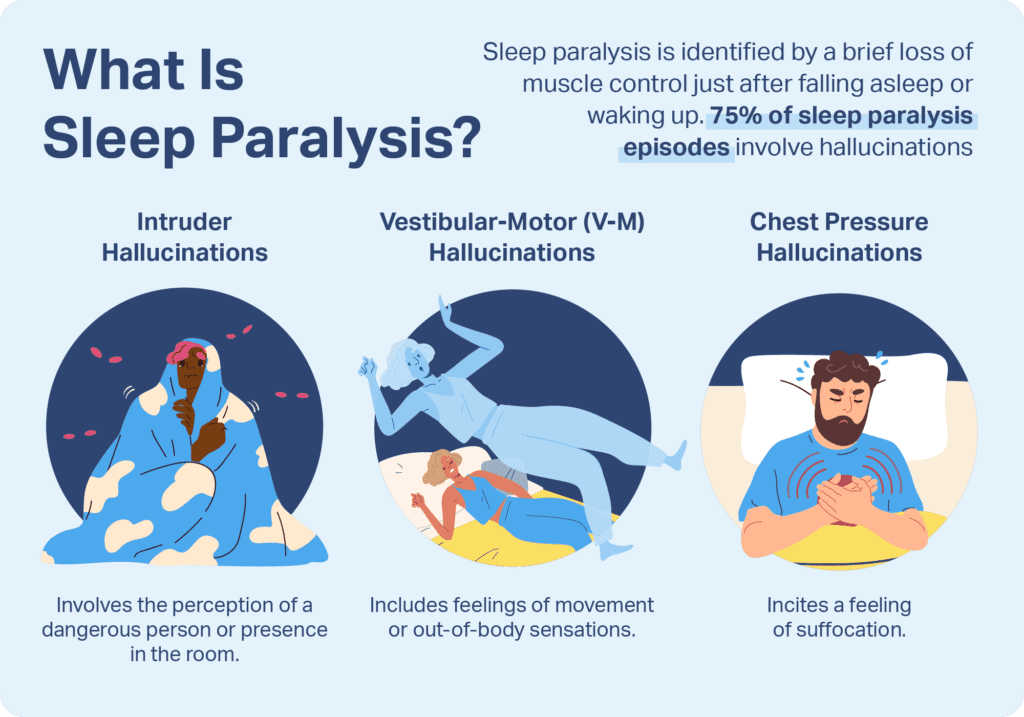
Sleep paralysis is a common sleep disorder characterized by a temporary inability to move or speak while falling asleep or waking up. During episodes of sleep paralysis, the brain is conscious, but the body remains paralyzed, creating a sense of helplessness and fear. It is essential to understand the nature of sleep paralysis to effectively manage its psychological symptoms.
Identifying the symptoms
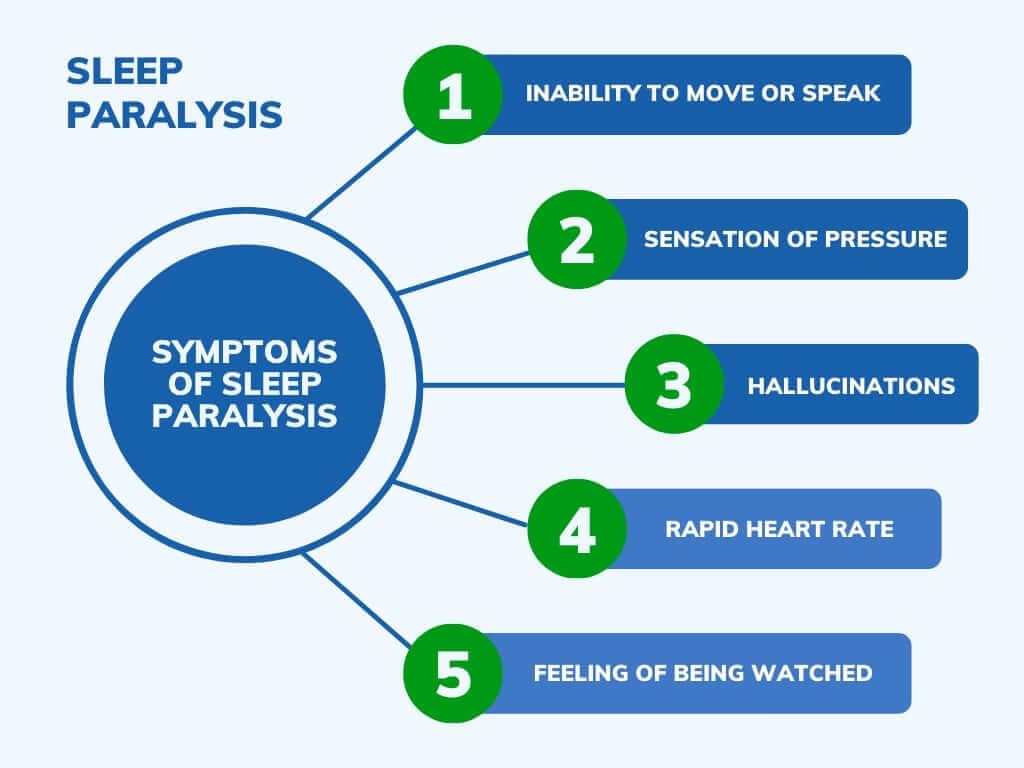
One of the first steps in recognizing sleep paralysis is being aware of its symptoms. These can vary from person to person but often include a feeling of being awake but unable to move, a sense of pressure or weight on the chest, hallucinations, and intense fear or anxiety. By identifying these symptoms, you can begin to understand when sleep paralysis occurs and take steps to manage its psychological impact.
Creating a sleep-friendly environment
Establishing a consistent sleep routine
Developing a regular sleep routine is crucial for promoting healthy sleep patterns and reducing the likelihood of sleep paralysis episodes. Going to bed and waking up at the same time each day helps regulate your body’s internal clock, making it easier to fall asleep and wake up naturally. By establishing a consistent sleep routine, you can improve the overall quality of your sleep and minimize the frequency of sleep paralysis experiences.
Creating a comfortable sleep environment
Your sleep environment plays a significant role in the quality of your sleep. Creating a comfortable and inviting space can help promote relaxation and reduce stress. Ensure your bedroom is cool, dark, and quiet, and invest in a comfortable mattress and pillows that support your body properly. By optimizing your sleep environment, you can create a more sleep-friendly atmosphere that may help alleviate sleep paralysis symptoms.
Managing stress and anxiety
Identifying and addressing triggers
Stress and anxiety are common triggers for sleep paralysis. By identifying the specific factors that contribute to your stress and anxiety, you can take steps to address them directly. Whether it’s work-related issues, relationship challenges, or financial concerns, it is essential to recognize these triggers and find healthy coping mechanisms to manage them effectively.
Practicing relaxation techniques
Relaxation techniques can be powerful tools for reducing stress and anxiety, promoting better sleep, and managing sleep paralysis. Deep breathing exercises, progressive muscle relaxation, and meditation are all effective methods for calming the mind and body. Experiment with different techniques to find what works best for you and make them a regular part of your daily routine.
Seeking professional help if needed
If stress and anxiety are significantly impacting your life and sleep quality, it may be beneficial to seek professional help. Therapists or counselors specializing in sleep disorders and mental health can provide valuable guidance and support. They can help you develop coping strategies, address underlying issues, and manage the psychological symptoms of sleep paralysis effectively.
Improving sleep quality
Maintaining a healthy sleep schedule
Maintaining a consistent sleep schedule is crucial for improving sleep quality. By going to bed and waking up at the same time every day, you can train your body to follow a natural sleep-wake cycle. This consistency helps regulate your circadian rhythm and promotes a more restful sleep, reducing the likelihood of experiencing sleep paralysis.
Adopting a balanced lifestyle
A balanced lifestyle plays a significant role in sleep quality. It is essential to prioritize activities that support physical and mental well-being, including regular exercise, healthy eating habits, and stress management techniques. By adopting a balanced lifestyle, you can improve overall sleep quality and reduce the frequency of sleep paralysis episodes.
Avoiding stimulants and electronics before bed
Stimulants like caffeine, nicotine, and alcohol can interfere with sleep quality and contribute to sleep paralysis. Avoid consuming these substances in the hours leading up to bedtime. Additionally, the blue light emitted by electronic devices such as smartphones, tablets, and computers can disrupt the production of melatonin, a hormone that regulates sleep. Aim to limit screen time before bed to promote better sleep.
Promoting relaxation before sleep
Engaging in calming activities before bed can signal to your body that it’s time to unwind and relax. Consider incorporating activities such as reading a book, taking a warm bath, or practicing gentle yoga stretches into your evening routine. By promoting relaxation before sleep, you can create a conducive environment for uninterrupted rest.
Developing good sleep hygiene
Creating a calming bedtime routine
A calming bedtime routine can help signal to your body that it’s time to wind down and prepare for sleep. Establish a consistent routine that incorporates activities you enjoy and find relaxing. This may include listening to soothing music, practicing mindfulness or journaling, or enjoying a cup of herbal tea. By creating a calming bedtime routine, you can transition from wakefulness to sleep more easily.
Optimizing the bedroom environment
Optimizing your bedroom environment is crucial for promoting good sleep hygiene. Keep your bedroom cool, dark, and quiet to create an optimal sleep environment. Consider using blackout curtains or an eye mask to block out any light, earplugs or white noise machines to drown out unwanted noise, and a comfortable mattress and pillows to support your body. These adjustments can significantly improve sleep quality and reduce sleep paralysis symptoms.
Avoiding napping during the day
While short power naps can be beneficial, especially for individuals who are lacking sleep, regularly napping during the day can disrupt your sleep-wake cycle and contribute to sleep paralysis. If you experience sleepiness during the day, try incorporating brief 20-minute naps rather than longer periods of sleep. This can help improve alertness without interfering with your nighttime sleep.
Limiting exposure to screens in the evening
The blue light emitted by screens inhibits the production of melatonin, making it harder to fall asleep. Limit your exposure to screens, including TVs, smartphones, and tablets, in the evening to promote better sleep. Instead, engage in activities that promote relaxation and prepare your mind and body for rest.
Dietary considerations for better sleep
Avoiding heavy meals before bedtime
Eating heavy meals before bed can disrupt sleep and increase the likelihood of experiencing sleep paralysis. Heavy or spicy foods can cause indigestion or heartburn, making it uncomfortable to sleep. Aim to have your last meal at least a few hours before bedtime to allow your body enough time to digest the food properly.
Choosing sleep-friendly foods and drinks
Certain foods and drinks can have a positive impact on sleep quality. Incorporating sleep-friendly foods such as magnesium-rich foods (leafy greens, nuts, whole grains) and foods high in tryptophan (poultry, eggs, dairy) into your diet can promote better sleep. Additionally, herbal teas like chamomile or lavender can have relaxing effects and aid in sleep.

Exercise and sleep
Incorporating regular physical activity
Regular physical activity has numerous benefits, including improved sleep quality. Engaging in moderate-intensity exercise, such as brisk walking, swimming, or cycling, can help regulate your sleep-wake cycle and reduce the likelihood of sleep paralysis. Aim for at least 30 minutes of exercise most days of the week and avoid vigorous exercise close to bedtime.
Timing exercise appropriately
Timing your exercise routine is essential to avoid interfering with your sleep. Exercising too close to bedtime can increase alertness and make it harder to fall asleep. Aim to finish your workout at least two to three hours before bed to allow your body enough time to wind down and prepare for sleep.
Utilizing relaxation techniques
Deep breathing exercises
Deep breathing exercises can help reduce stress and promote relaxation. Take slow, deep breaths in through your nose, hold for a few seconds, and exhale slowly through your mouth. Focus on the sensations of your breath to bring your attention away from stressful thoughts and into the present moment.
Progressive muscle relaxation
Progressive muscle relaxation is a technique that involves tensing and relaxing different muscle groups in your body. Start by tensing your toes and gradually work your way up, focusing on each muscle group. This technique can help relieve physical tension and promote a state of relaxation in your body and mind.
Meditation and mindfulness practices
Meditation and mindfulness practices involve focusing your attention on the present moment, letting go of any racing thoughts or worries. These techniques can help calm the mind, reduce stress, and improve sleep quality. Spend a few minutes each day in meditation or engage in mindfulness exercises such as body scans or mindful breathing.
Visualization techniques
Visualization techniques involve creating a mental image or scenario that promotes relaxation and tranquility. Picture yourself in a peaceful setting, such as a beach or a forest, and imagine the sights, sounds, and sensations associated with that environment. Visualization can help shift your focus away from stressful thoughts and induce a state of relaxation conducive to sleep.

Seeking support
Talking to friends and loved ones
Sharing your experiences with sleep paralysis with trusted friends and loved ones can provide emotional support and understanding. Expressing your fears and anxieties can help alleviate their impact, and loved ones may offer practical advice or reassurance to help you navigate your sleep paralysis experiences.
Joining support groups or online communities
Joining support groups or online communities centered around sleep disorders can connect you with individuals who share similar experiences. These communities provide a safe space to discuss your concerns, seek advice, and gain insights from others who have successfully managed sleep paralysis. Sharing experiences with like-minded individuals can help you feel less alone and provide valuable information on coping strategies.
Considering professional therapy or counseling
In some cases, sleep paralysis can have a significant impact on mental health and overall well-being. If your psychological symptoms become overwhelming or persistently affect your daily life, seeking professional therapy or counseling is a viable option. A mental health professional can help you explore any underlying issues, develop coping mechanisms, and manage the psychological aspects of sleep paralysis effectively.
Understanding the link between sleep paralysis and mental health
Recognizing the impact on mental well-being
Sleep paralysis can have a profound impact on mental well-being. Frequent episodes can lead to heightened anxiety, fear of sleep, and a sense of helplessness. Over time, these psychological symptoms can contribute to the development or worsening of mental health conditions such as anxiety disorders or depression. Understanding the link between sleep paralysis and mental health is essential for managing both aspects effectively.
Addressing underlying mental health conditions
If you have been diagnosed with an underlying mental health condition, such as anxiety or depression, it is important to address and manage it alongside your sleep paralysis. Working with a mental health professional can help you develop coping strategies specific to your condition and promote overall well-being. Treating any underlying mental health conditions can have a positive impact on sleep quality and reduce the frequency of sleep paralysis episodes.
In conclusion, managing the psychological symptoms of sleep paralysis involves understanding the nature of the disorder, creating a sleep-friendly environment, managing stress and anxiety, improving sleep quality, developing good sleep hygiene, considering dietary adjustments, incorporating exercise and relaxation techniques, seeking support, and addressing any underlying mental health conditions. By implementing these strategies, individuals can reduce the impact of sleep paralysis on their mental well-being and improve their overall sleep quality. Remember, it’s important to consult with a healthcare professional for a comprehensive evaluation and appropriate guidance in managing sleep paralysis.
