
Sleep paralysis is a phenomenon that leaves you temporarily unable to move or speak while transitioning between sleep and wakefulness. However, have you ever wondered if there are any specific risk factors that contribute to experiencing sleep paralysis? This article will explore the various factors that may increase your likelihood of encountering this unsettling sleep disorder. From genetics to certain sleep disorders, understanding these risk factors can provide valuable insight into the occurrence and potential prevention of sleep paralysis. So, let’s delve into the realm of sleep paralysis and unravel the clues together.
Age and Gender
Age
Age can play a role in the development of sleep disorders and sleep deprivation. As you get older, your sleep patterns naturally change, and it becomes more difficult to achieve a restful night’s sleep. Younger individuals, such as teenagers and young adults, may also be more prone to sleep deprivation due to various lifestyle factors and responsibilities. Therefore, it is important to establish good sleep habits early on and ensure that you are getting sufficient sleep for your age.
Gender
Gender can also impact sleep patterns and the likelihood of experiencing sleep disorders. Women, for example, may be more susceptible to certain sleep disorders, such as insomnia, due to hormonal fluctuations throughout their menstrual cycles. Additionally, women may experience more interrupted sleep due to pregnancy and menopause, which can lead to sleep deprivation. Men, on the other hand, may be more prone to sleep apnea and snoring, which can interfere with their quality of sleep.
Sleep Deprivation
Lack of Sleep
Lack of sleep is a common problem faced by many individuals. Whether it’s due to work commitments, lifestyle choices, or simply difficulty falling or staying asleep, not getting enough sleep can have significant consequences on your overall health and well-being. Chronic sleep deprivation can impair cognitive function, weaken the immune system, increase the risk of accidents, and contribute to mood disorders such as anxiety and depression.
Irregular Sleep Patterns
Irregular sleep patterns, such as frequently changing your bedtime or waking up at different times each day, can also disrupt your sleep and contribute to sleep deprivation. Your body thrives on routine, and consistent sleep and wake times help regulate your internal clock. When you have irregular sleep patterns, your body may struggle to establish a consistent sleep-wake cycle, leading to difficulty falling asleep and maintaining a restful sleep throughout the night.
Sleep Disorders
Insomnia
Insomnia is a common sleep disorder characterized by difficulty initiating or maintaining sleep. It can be caused by various factors, including stress, anxiety, poor sleep habits, and certain medications. Insomnia can lead to sleep deprivation and negatively impact your overall quality of life. Treatment for insomnia may involve identifying and addressing the underlying causes, implementing good sleep hygiene practices, and, in some cases, medication or therapy.
Narcolepsy
Narcolepsy is a neurological disorder that affects the brain’s ability to regulate sleep-wake cycles. People with narcolepsy may experience excessive daytime sleepiness, sudden and uncontrollable episodes of falling asleep, fragmented nighttime sleep, and even temporary muscle weakness or paralysis upon waking or falling asleep. Although the exact cause of narcolepsy is unknown, it is believed to involve a combination of genetic and environmental factors. Treatment for narcolepsy may include medication, lifestyle adjustments, and behavioral changes.
Sleep Apnea
Sleep apnea is a sleep disorder characterized by pauses in breathing during sleep. These pauses, known as apneas, can last for a few seconds to a few minutes and may occur multiple times throughout the night. Sleep apnea can significantly disrupt sleep, as it causes your body to briefly wake up to restore normal breathing. Symptoms of sleep apnea can include loud snoring, excessive daytime sleepiness, difficulty concentrating, and morning headaches. Treatment options for sleep apnea may involve continuous positive airway pressure (CPAP) therapy, oral appliances, or, in severe cases, surgery.
Restless Leg Syndrome
Restless Leg Syndrome (RLS) is a neurological disorder characterized by an uncontrollable urge to move the legs, often accompanied by uncomfortable sensations. These sensations are typically worse at rest and can make it difficult to fall asleep or stay asleep. RLS can lead to sleep deprivation and reduced quality of life. Treatment options for RLS may include lifestyle modifications, medication, and managing underlying conditions that may be contributing to the symptoms.
Family History
Family history can play a significant role in the development of sleep disorders and sleep-related problems. Certain sleep disorders, such as narcolepsy and restless leg syndrome, can have a genetic component, meaning that if a close family member has the condition, you may be at an increased risk of developing it as well. Additionally, if you have family members who suffer from sleep disorders or have difficulties with sleep, it may indicate a shared vulnerability or environmental factors that contribute to sleep disturbances.
Mental Health Conditions
Anxiety
Anxiety and sleep disorders often go hand in hand, creating a vicious cycle that can be challenging to break. Anxiety can cause difficulty falling asleep and maintaining a restful sleep, leading to sleep deprivation. On the other hand, sleep deprivation can worsen anxiety symptoms, making it difficult to cope with daily stressors. It is essential to address both anxiety and sleep issues simultaneously, as treating one may improve the other. Therapy, relaxation techniques, and medication can be helpful in managing anxiety-related sleep disturbances.
Depression
Depression and sleep disturbances are strongly linked, and one can exacerbate the other. Sleep problems, such as insomnia or hypersomnia, are common symptoms of depression. Conversely, chronic sleep deprivation or disrupted sleep can increase the risk of developing depression or worsening existing depressive symptoms. Treating depression often involves addressing sleep issues, implementing healthy sleep habits, and, if needed, medication or therapy.
Sleeping Position
While you may not give much thought to your sleeping position, it can have a significant impact on your sleep quality and overall health. Certain sleeping positions, such as sleeping on your back, can exacerbate sleep apnea symptoms and increase the likelihood of snoring. On the other hand, sleeping on your side, especially the left side, can promote better digestion and circulation. It is important to find a sleeping position that is comfortable and supports proper spinal alignment to ensure restful sleep.
Stress and Trauma
High Stress Levels
High stress levels can have a profound impact on your sleep health. When you experience chronic stress, your body produces higher levels of the stress hormone cortisol, which can interfere with your ability to fall asleep and stay asleep. Additionally, stress can trigger racing thoughts, anxiety, and hypervigilance, making it difficult to relax and unwind before bedtime. Employing stress management techniques, such as exercise, meditation, and establishing a relaxing bedtime routine, can help reduce stress levels and improve sleep quality.
Experiencing Traumatic Events
Experiencing traumatic events, such as physical or emotional abuse, accidents, or witnessing violence, can lead to the development of sleep disturbances, including nightmares and sleep paralysis episodes. Sleep disturbances can be a symptom of post-traumatic stress disorder (PTSD) and can significantly impact an individual’s overall well-being. Seeking therapy and support from mental health professionals can be crucial in addressing the effects of trauma on sleep and overall mental health.
Substance Use and Abuse
Alcohol
While alcohol may initially make you feel drowsy and help you fall asleep faster, it can have detrimental effects on the quality of your sleep. Alcohol disrupts the normal sleep cycle, preventing you from achieving the deep, restorative sleep that is essential for optimal health and well-being. It can also worsen snoring and sleep apnea symptoms. Therefore, it is recommended to avoid alcohol close to bedtime and practice moderation if you choose to consume it.
Drug Abuse
Drug abuse, including the misuse of prescription medications or illicit substances, can have severe consequences on sleep health. Stimulants, such as amphetamines, can cause insomnia and hyperarousal, making it difficult to fall asleep. Depressants, such as opioids, can suppress the respiratory system and contribute to sleep apnea or other breathing-related sleep disorders. Substance abuse can also disrupt the natural sleep-wake cycle, leading to irregular sleep patterns and sleep deprivation. Seeking treatment for substance abuse is vital for improving sleep and overall well-being.
Other Sleep-related Factors
Sleep Paralysis Episodes in the Past
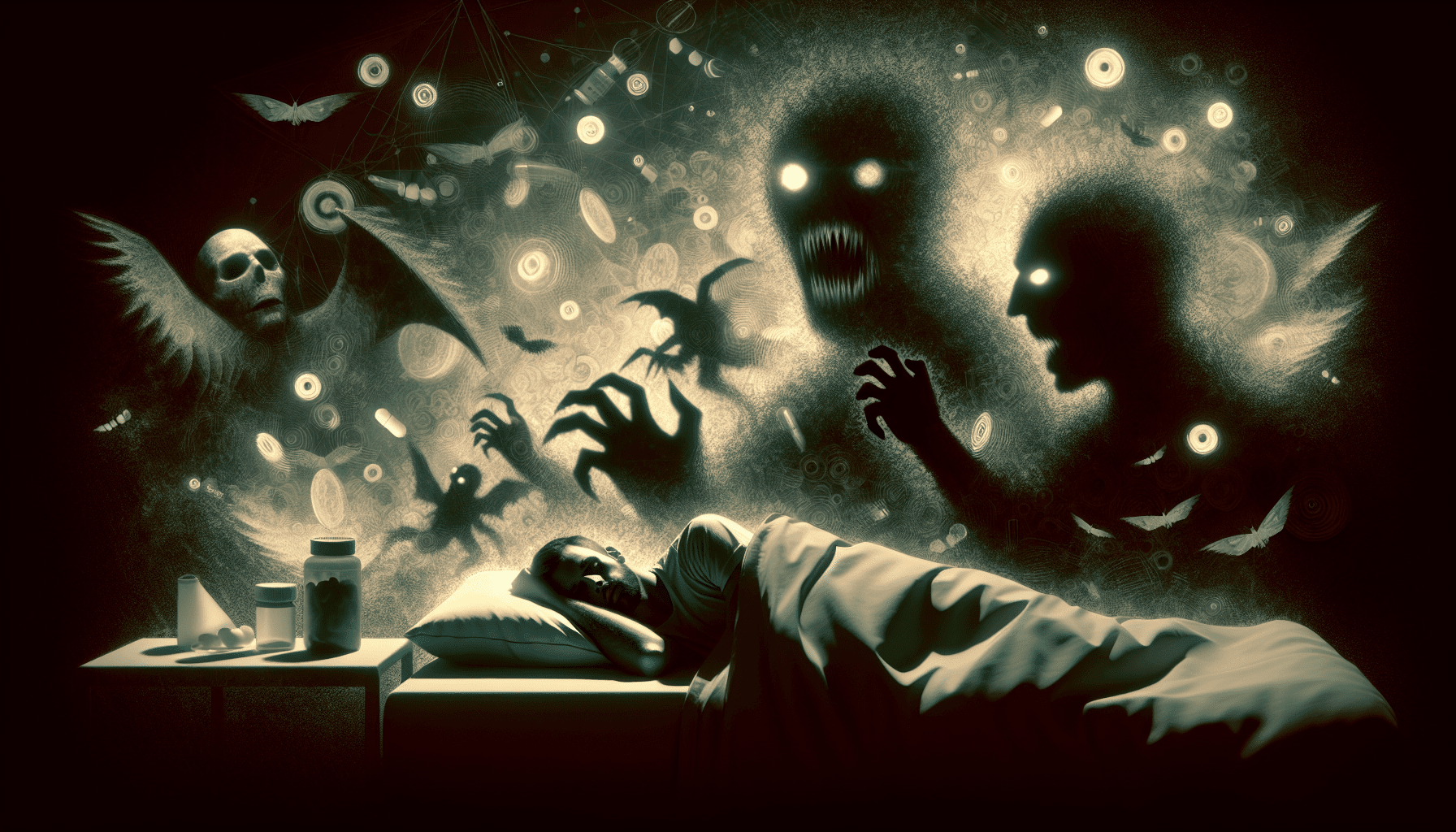
Experiencing sleep paralysis episodes in the past can be a risk factor for future episodes. Sleep paralysis is a phenomenon where the body remains temporarily paralyzed upon waking up or falling asleep. It can be accompanied by hallucinations and intense fear. While the exact cause of sleep paralysis is not fully understood, it is believed to be influenced by disrupted sleep patterns, sleep deprivation, stress, and underlying sleep disorders. Managing these contributing factors and adopting healthy sleep habits can help reduce the occurrence of sleep paralysis.
Poor Sleep Quality
Poor sleep quality encompasses various factors that can negatively affect your sleep. These can include uncomfortable mattress or pillows, excessive noise or light, an uncomfortable sleep environment, and excessive exposure to electronic screens before bedtime. Improving sleep quality involves creating a sleep-friendly environment, establishing a relaxing bedtime routine, and implementing good sleep hygiene practices, such as limiting caffeine intake and avoiding stimulating activities close to bedtime.
Medical Conditions
Obesity
Obesity is a risk factor for several sleep disorders and can contribute to sleep deprivation. Excess weight, especially around the neck and throat area, can narrow the airways and increase the likelihood of snoring and sleep apnea. Additionally, obesity is associated with a higher risk of developing conditions such as restless leg syndrome and insomnia. Maintaining a healthy weight through regular exercise and a balanced diet can help improve sleep quality and reduce the risk of sleep-related medical conditions.
Diabetes
Diabetes and sleep problems often coexist, creating a mutually reinforcing cycle. Poor sleep quality and sleep disorders can affect blood sugar levels and insulin sensitivity, contributing to the development or worsening of diabetes. Conversely, poorly controlled diabetes can lead to symptoms such as frequent urination and increased thirst, which can disrupt sleep. It is essential for individuals with diabetes to prioritize good sleep habits and work with their healthcare team to manage both their diabetes and sleep-related issues.
In conclusion, there are several risk factors that can contribute to the development of sleep disorders and sleep deprivation. Age, gender, family history, mental health conditions, sleep-related factors, stress and trauma, substance use and abuse, and certain medical conditions can all impact your sleep health. Recognizing and addressing these risk factors is essential for promoting restful sleep and overall well-being. By implementing healthy sleep habits, seeking appropriate medical and psychological care, and making lifestyle adjustments, you can improve your sleep quality and enhance your overall quality of life.