

Sleep paralysis is a phenomenon that affects many people, causing a temporary inability to move or speak during the transition between sleep and wakefulness. But what role does fear play in this unsettling experience? In this article, we will explore the connection between fear and sleep paralysis, and how understanding this relationship can help individuals cope with and overcome these episodes. So, get ready to delve into the intriguing world of sleep paralysis and discover the power of fear in shaping our nocturnal encounters.
Overview
Sleep paralysis is a phenomenon characterized by the temporary inability to move or speak upon waking up or falling asleep. It occurs during the transition between wakefulness and sleep, when the body is in a state of muscle atonia, or temporary paralysis. This intriguing condition has fascinated scientists and researchers for centuries, leading to various theories and explanations. In this article, we will explore the definition, causes, prevalence, and the link between fear and sleep paralysis.
Understanding Sleep Paralysis
Sleep paralysis occurs when the brain is unable to properly transition between REM sleep, the stage associated with vivid dreaming, and wakefulness. During REM sleep, the brain sends signals to inhibit muscle movement, preventing us from physically acting out our dreams. However, in the case of sleep paralysis, these signals persist even after waking, resulting in the temporary inability to move or speak.
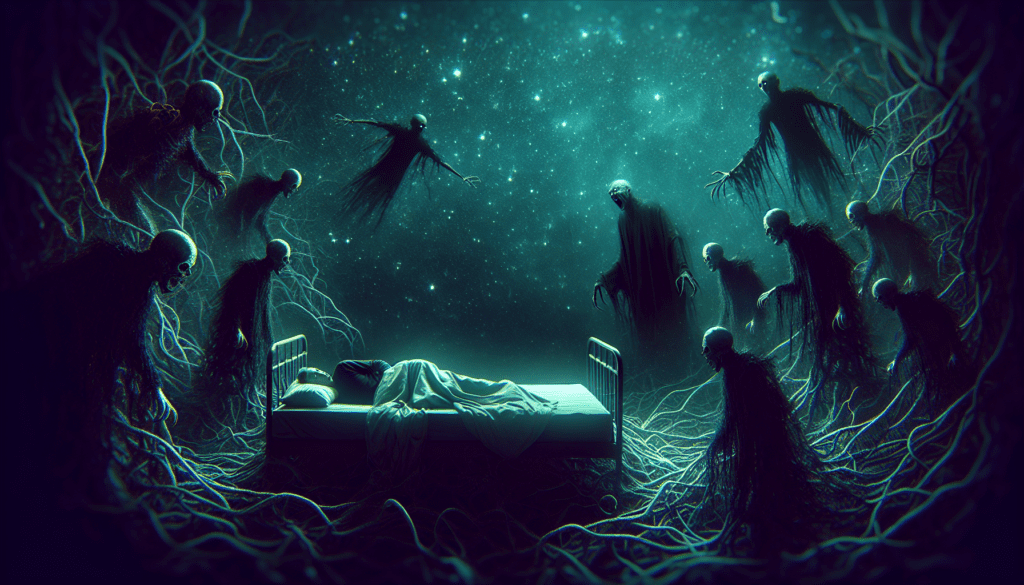
The symptoms and sensations experienced during sleep paralysis can vary from person to person. Some individuals may report a feeling of pressure on their chest or the perception of a presence in the room. Others may experience hallucinations or vivid nightmares. These hallucinations often evoke a sense of fear and terror, contributing to the overall distressing nature of sleep paralysis.
The Fear Factor
Fear is a common experience for many individuals who have encountered sleep paralysis. When faced with the inability to move or speak, feelings of fear and helplessness can quickly arise. The fear experienced during sleep paralysis can be attributed to a combination of factors, including the physical sensations and the cognitive interpretation of the experience.
Neurologically, fear responses during sleep paralysis can be linked to the amygdala, a part of the brain associated with processing emotions, particularly fear. The amygdala becomes hyperactive during sleep paralysis, intensifying emotional reactions and contributing to the sense of terror. This neurological explanation helps shed light on why fear is such a prevalent aspect of sleep paralysis experiences.
Causes of Sleep Paralysis
Sleep paralysis can be caused by a variety of factors, including sleep disorders, genetic predisposition, stress, anxiety, and certain medications. Individuals with sleep disorders such as narcolepsy or insomnia have a higher likelihood of experiencing sleep paralysis. Additionally, sleep deprivation and irregular sleep patterns can increase the risk.
Genetic and familial factors can also play a role in sleep paralysis. Research has found that individuals with a family history of sleep paralysis are more likely to experience it themselves. This suggests a genetic component that contributes to the occurrence of sleep paralysis.
Furthermore, stress, anxiety, and post-traumatic stress disorder (PTSD) have been identified as potential triggers for sleep paralysis. These psychological factors can disrupt sleep patterns and increase the likelihood of experiencing sleep paralysis episodes. Certain substances, such as alcohol or certain medications, can also induce sleep paralysis by affecting sleep cycles and brain activity.
Breaking Down Fear
Fear is an essential and evolutionary response that has helped humans survive throughout history. It triggers the body’s fight-or-flight response, preparing us to either confront a threat or escape from it. From an evolutionary perspective, fear serves as a survival mechanism, alerting us to potential dangers and keeping us safe.
Psychologically, fear can be understood through various theories. The cognitive theory suggests that fear arises from the interpretation and evaluation of a situation. The psychodynamic theory suggests that fear is rooted in unresolved conflicts and repressed emotions. The behavioral theory proposes that fear is learned through conditioning and is influenced by external stimuli.
Fear can have a significant impact on mental health. Chronic fear and anxiety can lead to various mental health disorders, such as generalized anxiety disorder or panic disorder. Fear can also contribute to the development of phobias and other anxiety-related conditions. Therefore, understanding and addressing fear is crucial for maintaining mental well-being.
Fear in Sleep Paralysis Experiences
Fear is a prevalent emotion experienced during sleep paralysis episodes. In fact, fear is considered one of the defining characteristics of sleep paralysis. The helplessness and the presence of frightening hallucinations or visions can evoke intense fear in individuals who experience sleep paralysis.
Hallucinations during sleep paralysis can take on various forms, often involving terrifying figures or supernatural entities. These hallucinations may interact with the individual, further intensifying the fear response. As a result, individuals may develop fear-induced insomnia, anxiety surrounding sleep, or even avoid certain sleeping positions or environments.
It is essential to note that reporting of fear during sleep paralysis experiences may be subject to survivorship bias. Individuals who have had more distressing or fear-inducing episodes may be more likely to share their experiences, leading to an overrepresentation of fear in anecdotal reports. Nonetheless, fear is consistently reported by many who have experienced sleep paralysis.
Fear and Cultural Influences
The interpretation of sleep paralysis experiences can be influenced by cultural background and beliefs. In different cultures, sleep paralysis has been associated with various supernatural phenomena, such as demonic entities, witches, or spirits. These cultural interpretations can shape the individual’s perception of sleep paralysis and contribute to the fear experienced during episodes.
Throughout history, sleep paralysis has been intertwined with folklore and mythology. In some cultures, sleep paralysis has been regarded as evidence of encounters with otherworldly beings or punishments from the spirit realm. These cultural beliefs can amplify fear and contribute to the overall distress experienced during sleep paralysis.
Individuals from different cultural backgrounds may have different fear experiences during sleep paralysis episodes. The cultural framework in which one grows up can influence the way fear is perceived and interpreted, shaping the overall subjective experience of sleep paralysis.
Fear and Sleep Disorders
Fear and sleep disorders often go hand in hand. Sleep disorders, such as insomnia, narcolepsy, or sleep apnea, can disrupt the sleep cycle and lead to the occurrence of sleep paralysis. Similarly, fear-related disorders, such as anxiety disorders and panic disorders, are commonly associated with sleep disturbances and an increased risk of sleep paralysis.
Anxiety and panic disorders often involve heightened levels of fear and can contribute to the fear experienced during sleep paralysis episodes. The increased anxiety and anticipation of sleep paralysis can create a vicious cycle, further exacerbating the fear response. Nightmares and night terrors, which are often associated with fear, can also coexist with sleep paralysis and contribute to the overall distressing nature of these experiences.
Managing Fear and Sleep Paralysis
To effectively manage fear during sleep paralysis episodes, it is crucial to raise awareness and provide education about the condition. By understanding the causes, symptoms, and potential triggers of sleep paralysis, individuals can be better equipped to manage and cope with their experiences. Increased knowledge can help alleviate some of the fear surrounding sleep paralysis.
Relaxation techniques, stress reduction, and establishing healthy sleep hygiene practices can also aid in managing fear during sleep paralysis. Practicing deep breathing exercises, meditation, or mindfulness can help calm the mind and reduce anxiety. Creating a peaceful and comfortable sleep environment can also contribute to a more restful and fear-free sleep.
In some cases, therapeutic interventions may be necessary to address anxiety and fear associated with sleep paralysis. Cognitive-behavioral therapy (CBT) can help individuals challenge and reframe negative thought patterns, reducing anxiety and fear responses. Other therapeutic approaches, such as exposure therapy, can also be beneficial in gradually desensitizing individuals to fear-inducing stimuli.
Conclusion
In conclusion, fear plays a significant role in sleep paralysis experiences. Sleep paralysis is characterized by the temporary inability to move or speak during the transition between wakefulness and sleep. Fear is commonly reported during sleep paralysis episodes and can be attributed to both neurological and psychological factors.
Understanding the causes and prevalence of sleep paralysis is essential for individuals who experience these episodes. Addressing fear is crucial in managing the distress associated with sleep paralysis. By increasing awareness, implementing relaxation techniques, and seeking therapeutic interventions, individuals can take steps towards minimizing fear and improving the overall quality of their sleep and mental well-being.
Further research is needed to explore the complex relationship between fear and sleep paralysis. Investigating cultural influences, the impact of different sleep disorders on fear experiences, and the long-term effects of fear on mental health can contribute to a more comprehensive understanding of sleep paralysis and guide future treatment strategies.