
Shifting Cultural Attitudes Towards Sleep Paralysis Over Time
Have you ever experienced the sensation of being awake but unable to move or speak while falling asleep or waking up? This phenomenon is known as sleep paralysis and has been a subject of cultural interpretation and understanding for centuries. In this article, we will explore the evolving cultural attitudes towards sleep paralysis over time and how different societies have perceived and interpreted this unique experience.
What is Sleep Paralysis?
Before delving into the cultural attitudes towards sleep paralysis, let’s first understand what it is. Sleep paralysis is a temporary inability to move or speak that occurs when falling asleep or waking up. It is often accompanied by hallucinations and a feeling of pressure on the chest. This experience can be extremely frightening and unsettling for those who go through it.
So, what causes sleep paralysis? During the rapid eye movement (REM) stage of sleep, our brains normally paralyze our muscles to prevent us from acting out our dreams. Sleep paralysis occurs when this process is interrupted, leading to a state where our mind is awake, but our body remains in a state of paralysis.
The Struggle of Sleep Paralysis
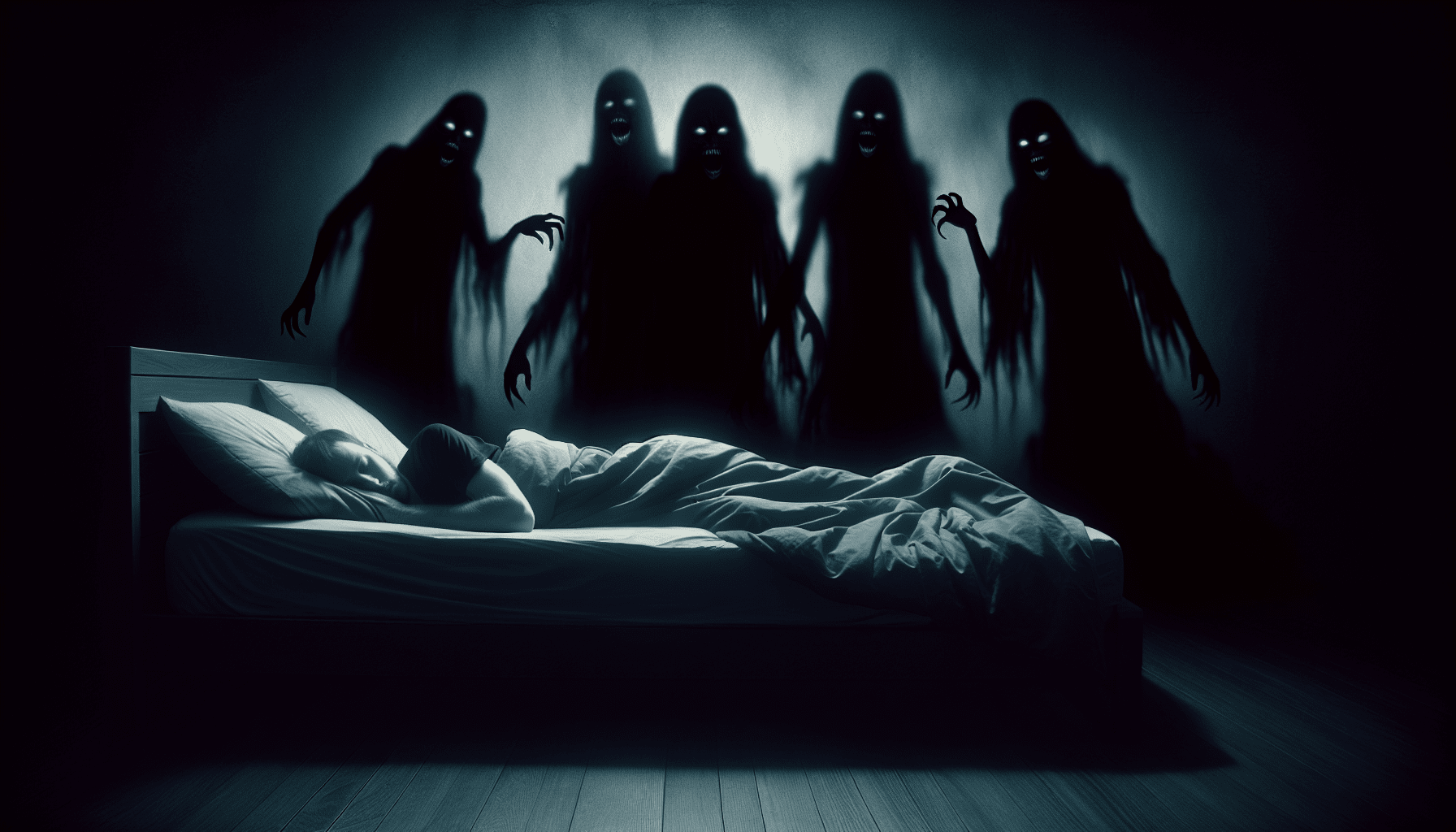
Imagine waking up from a deep sleep, only to find yourself paralyzed and unable to move or speak. This can be an incredibly distressing experience, leading to feelings of fear, confusion, and helplessness. People who experience sleep paralysis often report a sense of impending doom or the presence of a malevolent entity in the room.
Historical Perspectives on Sleep Paralysis
Throughout history, different cultures and societies have had varying interpretations of sleep paralysis. These beliefs have often been influenced by religious, spiritual, and traditional beliefs. Let’s take a closer look at how some cultures have viewed sleep paralysis over time.
Ancient Civilizations
In ancient civilizations such as Egypt and Greece, sleep paralysis was often attributed to supernatural forces. The Egyptians believed that sleep paralysis was caused by evil spirits known as ‘night demons.’ Similarly, in Greek mythology, sleep paralysis was associated with the presence of demons or malevolent spirits.
Medieval Europe
During the Middle Ages in Europe, sleep paralysis was often linked to witchcraft and demonic possession. People believed that witches and demons would visit individuals in their sleep, causing them to become paralyzed. This led to widespread fear and superstition surrounding the phenomenon of sleep paralysis.
Asian Cultures
In many Asian cultures, sleep paralysis has been interpreted in spiritual and supernatural terms. In Japan, sleep paralysis is known as ‘kanashibari,’ which translates to ‘bound or fastened in metal.’ It is believed that during sleep paralysis, the body becomes tied up by invisible ropes, preventing movement. This concept is rooted in traditional Japanese folklore and ghost stories.
Indigenous Beliefs
Indigenous cultures around the world have their own unique interpretations of sleep paralysis. In some Native American tribes, sleep paralysis is seen as a spiritual experience, where individuals receive messages from the spirit world. These messages are believed to offer guidance and insight into one’s life.

Modern Perspectives on Sleep Paralysis
As our understanding of sleep paralysis has evolved over time, so too have cultural attitudes towards this phenomenon. In modern society, sleep paralysis is often viewed through a scientific lens, with explanations rooted in neurology and sleep research. Let’s explore how different cultures and societies today perceive and interpret sleep paralysis.
Scientific Explanations
In contemporary psychology and neuroscience, sleep paralysis is understood as a natural and harmless occurrence related to the sleep-wake cycle. Researchers attribute sleep paralysis to a disruption in the transition between sleeping and waking states, particularly during the REM stage of sleep. This includes factors such as stress, sleep deprivation, and irregular sleep patterns.
Medical Perspectives
From a medical standpoint, sleep paralysis is often seen as a symptom of underlying sleep disorders such as narcolepsy or sleep apnea. Individuals with these conditions may experience episodes of sleep paralysis as a result of disrupted sleep patterns and abnormal neurological activity. Seeking medical evaluation and treatment can help manage and alleviate symptoms of sleep paralysis.
Psychological Implications
Psychologically, sleep paralysis can have a significant impact on an individual’s mental health and well-being. People who experience frequent episodes of sleep paralysis may develop anxiety, depression, and other psychological symptoms due to the distressing nature of the experience. It is important for individuals to seek support from mental health professionals to address any psychological effects of sleep paralysis.
Coping Strategies for Sleep Paralysis
If you or someone you know experiences sleep paralysis, there are coping strategies that can help manage this phenomenon and reduce its impact on daily life. Here are some tips for coping with sleep paralysis:
Establish a Healthy Sleep Routine
Maintaining a regular sleep schedule and practicing good sleep hygiene can help reduce the likelihood of experiencing sleep paralysis. Aim for consistent bedtimes and wake-up times, create a relaxing bedtime routine, and avoid stimulants like caffeine and electronics before bedtime.
Create a Comfortable Sleep Environment
Ensure that your sleep environment is conducive to relaxation and restful sleep. Keep your bedroom dark, quiet, and cool, and invest in a comfortable mattress and pillows. Creating a peaceful sleep environment can help promote better sleep quality and reduce the occurrence of sleep paralysis.
Manage Stress and Anxiety
Stress and anxiety can contribute to sleep paralysis episodes, so it is important to find healthy ways to manage these emotions. Practice relaxation techniques such as deep breathing, meditation, and yoga, and seek support from a therapist or counselor if needed. By reducing stress levels, you may decrease the frequency of sleep paralysis episodes.
Educate Yourself About Sleep Paralysis
Understanding the science behind sleep paralysis can help demystify the experience and alleviate fears surrounding it. Researching reputable sources and speaking with healthcare professionals can provide you with accurate information about sleep paralysis and empower you to cope with it more effectively.
The Cultural Impact of Sleep Paralysis
The cultural perceptions and interpretations of sleep paralysis have had a significant impact on individuals’ experiences and beliefs surrounding this phenomenon. From ancient folklore to modern scientific explanations, cultural attitudes towards sleep paralysis continue to shape how we understand and cope with this unique aspect of human consciousness.
Breaking Down Stigmas
By breaking down stigmas and misconceptions surrounding sleep paralysis, we can promote greater awareness and understanding of this phenomenon. Educating ourselves and others about the scientific basis of sleep paralysis can help dispel myths and superstitions related to this experience, leading to more informed and compassionate attitudes towards those who experience it.
Promoting Cultural Sensitivity
Cultural sensitivity and respect are essential when discussing sleep paralysis from diverse cultural perspectives. Recognizing and honoring the beliefs and traditions of different cultures can help foster greater empathy and understanding of how sleep paralysis is viewed and interpreted around the world. By approaching the topic with an open mind and a willingness to learn, we can promote cultural awareness and inclusivity in our discussions of sleep paralysis.
Encouraging Dialogue and Support
Opening up dialogue about sleep paralysis within communities and society can help create a supportive environment for those who experience this phenomenon. By sharing personal stories, seeking guidance from healthcare professionals, and offering empathy and understanding to others, we can create a sense of solidarity and connection among individuals affected by sleep paralysis. Together, we can work towards raising awareness and acceptance of sleep paralysis in our cultural discourse.
Conclusion
As we reflect on the shifting cultural attitudes towards sleep paralysis over time, it is clear that this phenomenon has been subject to diverse interpretations and beliefs across different societies and periods of history. From ancient folklore to modern science, sleep paralysis remains a fascinating and complex aspect of human experience that continues to intrigue and mystify us.
By fostering greater awareness, understanding, and compassion towards sleep paralysis, we can broaden our perspectives and embrace the diversity of cultural attitudes and interpretations surrounding this phenomenon. Through education, dialogue, and support, we can create a more inclusive and informed discourse on sleep paralysis that celebrates the richness of human beliefs and experiences. Remember, you are not alone in your experience of sleep paralysis, and there are resources and communities available to help you navigate this phenomenon with confidence and resilience.