
Have you ever experienced the terrifying phenomenon known as sleep paralysis? You’re not alone. This article will discuss the top ways you can bring awareness to sleep paralysis and its impact on public health initiatives. Let’s dive in and learn more about this common yet often misunderstood condition.
Understanding Sleep Paralysis
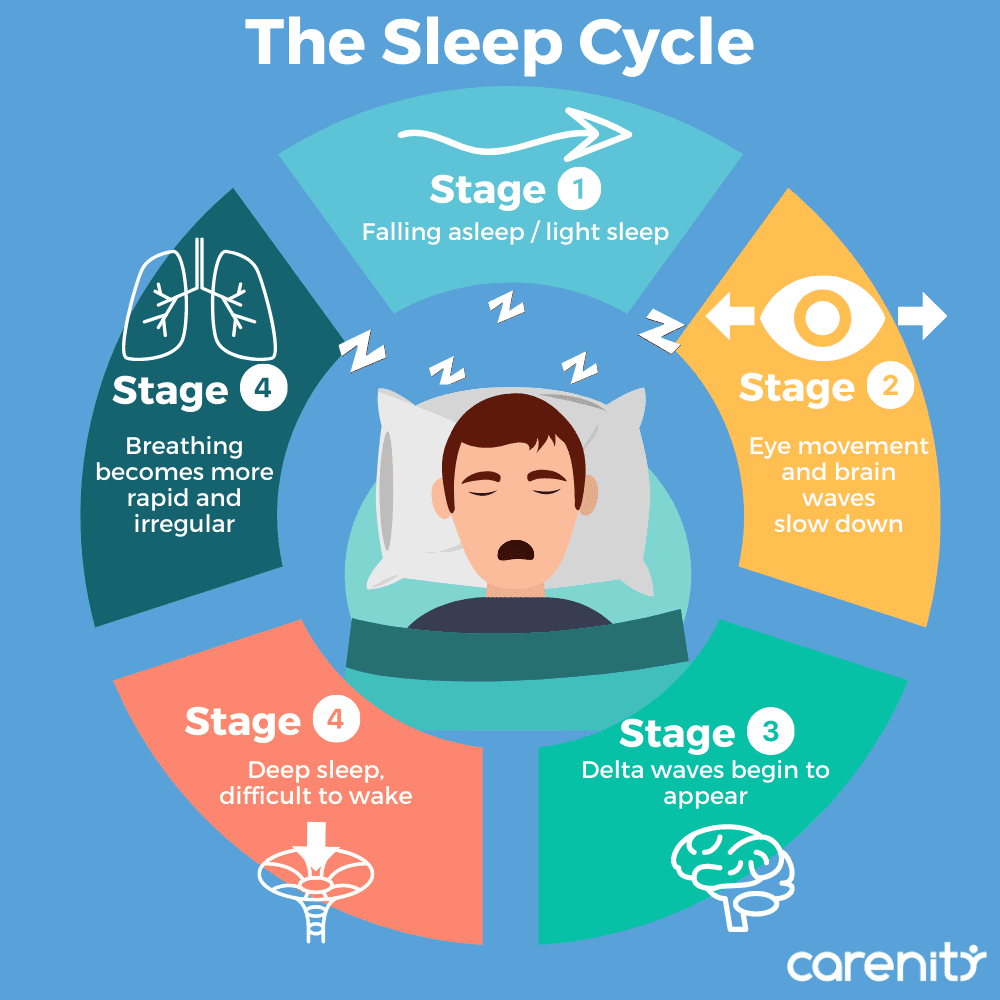
Sleep paralysis is a phenomenon that occurs when a person wakes up during rapid eye movement (REM) sleep and is temporarily unable to move or speak. It can be accompanied by vivid hallucinations and a feeling of extreme pressure on the chest. While sleep paralysis is harmless and typically lasts only a few minutes, it can be a frightening experience for those who have never experienced it before.
Understanding the science behind sleep paralysis is essential in raising awareness about this condition. By educating the public about the causes and symptoms of sleep paralysis, we can reduce the stigma surrounding it and help individuals feel more comfortable discussing their experiences.
Common Symptoms of Sleep Paralysis
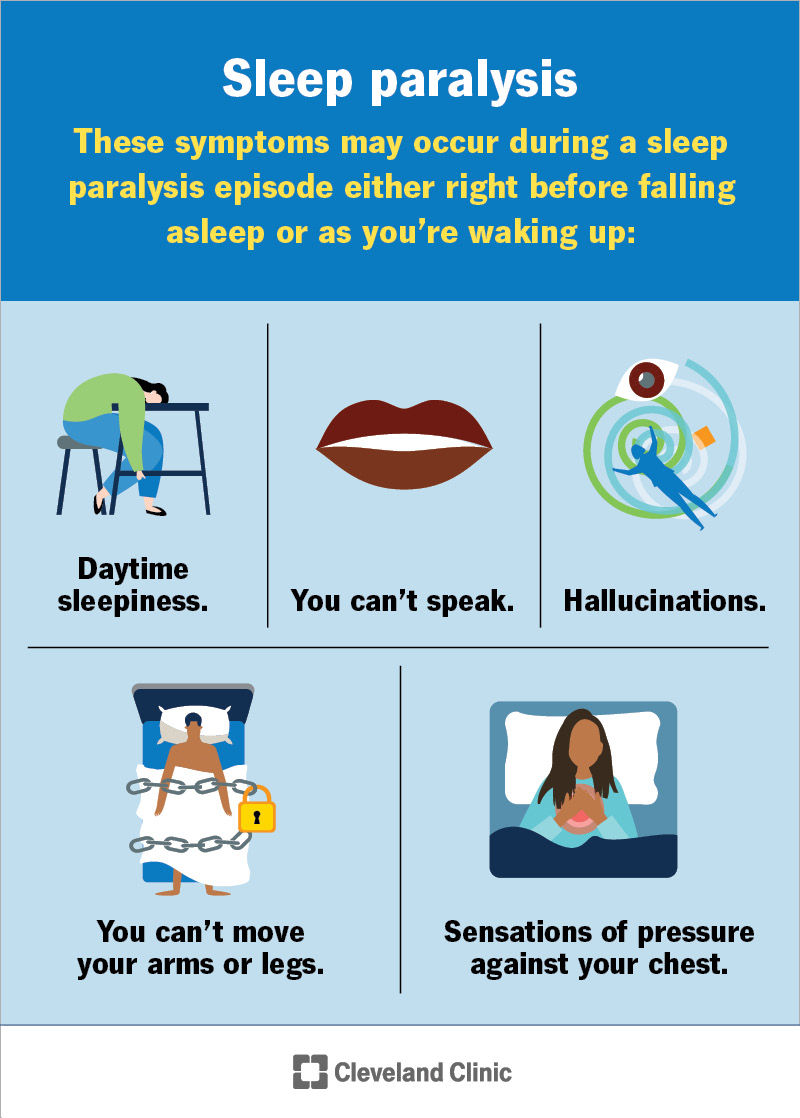
Some common symptoms of sleep paralysis include:
- Inability to move or speak
- Feeling of being held down or restrained
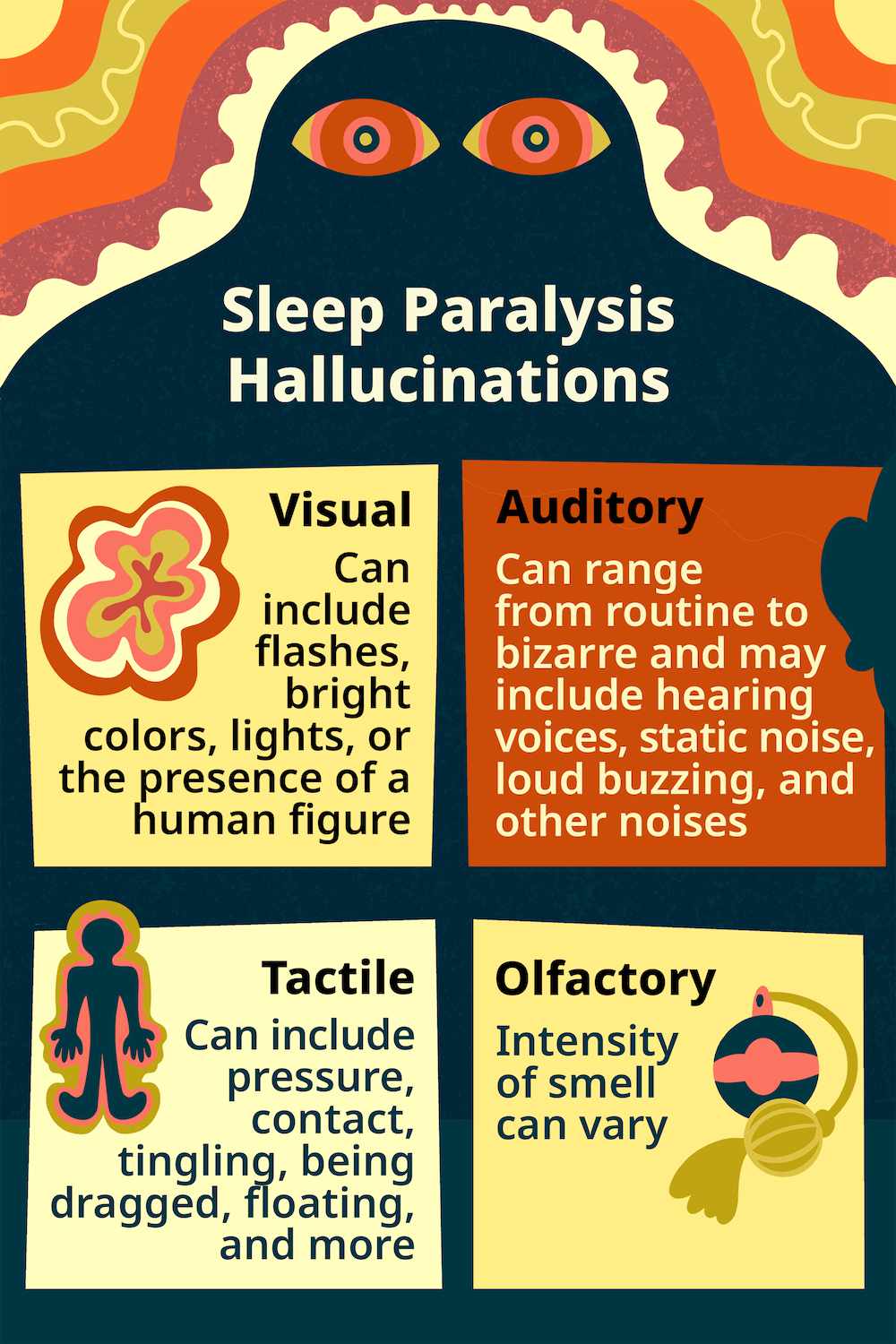
- Hallucinations, such as seeing shadowy figures or hearing voices
- Feeling of extreme fear or dread
By recognizing these symptoms, individuals who experience sleep paralysis can better understand what they are going through and seek support if needed. Public health initiatives can play a critical role in educating the public about these symptoms and encouraging individuals to seek help if they are struggling with sleep paralysis.
Impact on Mental Health
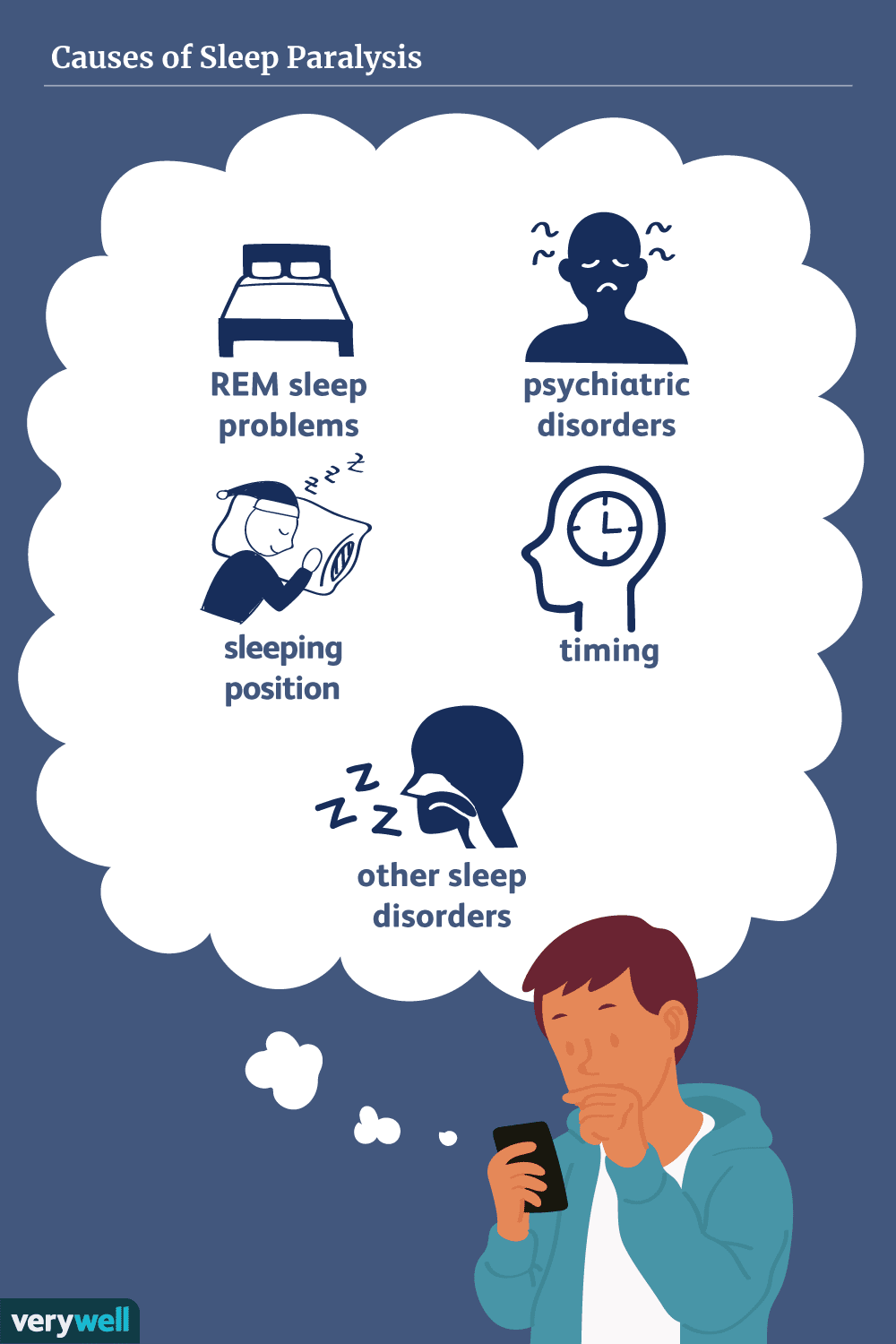
Sleep paralysis can have a significant impact on mental health. Individuals who experience frequent episodes of sleep paralysis may develop anxiety, depression, or other mental health conditions. By integrating sleep paralysis awareness into public health initiatives, we can help individuals access the resources and support they need to cope with the psychological effects of this condition.
Addressing Misconceptions
One of the biggest challenges in raising awareness about sleep paralysis is addressing misconceptions. Many people believe that sleep paralysis is a supernatural or paranormal experience, leading to fear and misunderstanding. By providing accurate information about the science behind sleep paralysis, we can debunk these myths and help individuals understand that it is a common and harmless sleep disorder.
Integrating Sleep Paralysis Awareness into Educational Programs
One effective way to raise awareness about sleep paralysis is to integrate it into educational programs. Schools, colleges, and universities can incorporate information about sleep paralysis into health classes, psychology courses, or sleep hygiene workshops. By educating students about sleep paralysis at a young age, we can promote a better understanding of this condition and help reduce stigma.
| Educational Program | Description |
|---|---|
| Health Classes | Include information about sleep disorders, including sleep paralysis, in health classes to raise awareness and promote healthy sleep habits. |
| Psychology Courses | Teach students about the psychological aspects of sleep paralysis and how it can impact mental health. |
| Sleep Hygiene Workshops | Offer workshops on sleep hygiene that include information about sleep paralysis and strategies for managing sleep disorders. |
Collaborating with Healthcare Providers
Healthcare providers play a crucial role in raising awareness about sleep paralysis and providing support to individuals who experience this condition. By collaborating with healthcare providers, public health initiatives can ensure that accurate information about sleep paralysis is disseminated to the community.
Outreach Programs
Develop outreach programs that engage healthcare providers in raising awareness about sleep paralysis. Provide resources, such as informational brochures or online training modules, that healthcare providers can use to educate their patients about sleep paralysis and its impact on health.
Training Workshops
Offer training workshops for healthcare providers on how to recognize and treat sleep paralysis. Provide evidence-based guidelines for diagnosing and managing this condition, as well as strategies for supporting patients who experience sleep paralysis.
Referral Networks
Establish referral networks that connect individuals who experience sleep paralysis with healthcare providers who specialize in sleep disorders. Ensure that individuals have access to the resources and support they need to manage their condition effectively.
Utilizing Social Media Platforms
Social media platforms are powerful tools for raising awareness about sleep paralysis and reaching a wide audience. Public health initiatives can use social media to share information, resources, and personal stories about sleep paralysis to educate the public and reduce stigma.
Awareness Campaigns
Launch awareness campaigns on social media platforms that highlight the prevalence of sleep paralysis and provide information about its causes and symptoms. Encourage individuals to share their own experiences with sleep paralysis to foster a sense of community and support.
Q&A Sessions
Host live Q&A sessions on social media platforms with sleep experts, healthcare providers, or individuals who have experienced sleep paralysis. Allow the audience to ask questions and receive accurate information about sleep paralysis in real-time.
Infographics and Videos
Create and share infographics and videos that explain the science behind sleep paralysis in an easy-to-understand format. Use visuals to illustrate the symptoms, causes, and treatment options for sleep paralysis to educate the public effectively.
Partnering with Advocacy Groups
Advocacy groups can be valuable partners in raising awareness about sleep paralysis and advocating for better support and resources for individuals who experience this condition. By collaborating with advocacy groups, public health initiatives can amplify their message and reach a broader audience.
Collaborative Campaigns
Collaborate with advocacy groups to launch joint awareness campaigns that raise visibility for sleep paralysis and promote understanding of this condition in the community. Work together to create and distribute educational materials, host events, or lobby for policy changes that benefit individuals with sleep paralysis.
Support Networks
Partner with advocacy groups to establish support networks for individuals who experience sleep paralysis. Create online forums, support groups, or helplines where individuals can connect with others who understand their experiences and provide peer support.
Policy Advocacy
Engage with advocacy groups to advocate for policy changes that improve access to healthcare and support services for individuals with sleep disorders, including sleep paralysis. Work together to raise awareness among policymakers and the public about the importance of addressing sleep paralysis as a public health issue.
Conclusion
In conclusion, integrating sleep paralysis awareness into public health initiatives is crucial for promoting understanding, reducing stigma, and supporting individuals who experience this condition. By educating the public, collaborating with healthcare providers, utilizing social media platforms, and partnering with advocacy groups, we can raise awareness about sleep paralysis and ensure that individuals have access to the resources and support they need to manage their condition effectively. Together, we can make a difference in the lives of those who experience sleep paralysis and promote better mental health and well-being for all.