
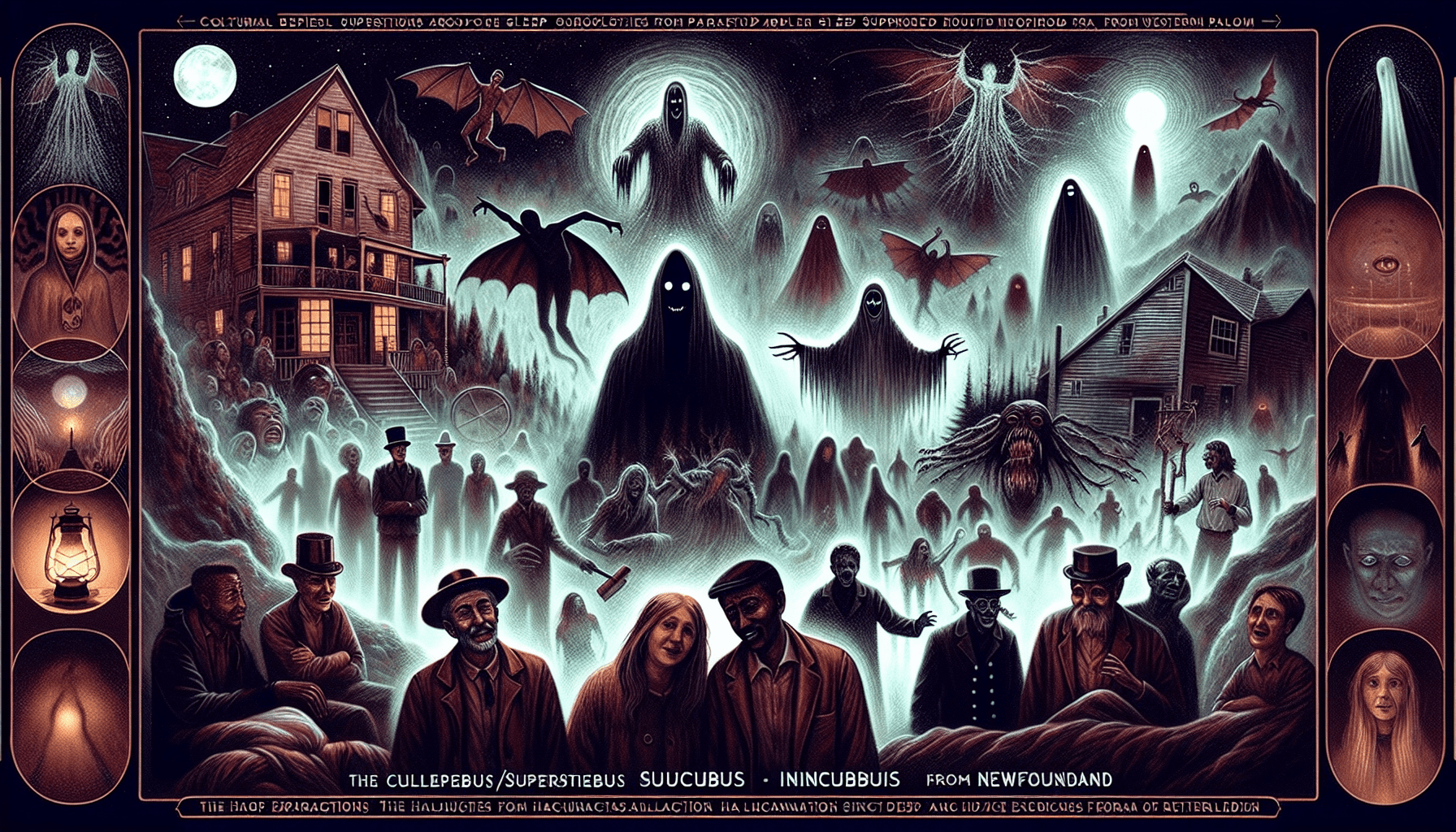
In this article, we will explore the fascinating world of cultural taboos and superstitions surrounding the phenomenon of sleep paralysis. Sleep paralysis is a unique condition that affects individuals all over the world, and various cultures have developed their own beliefs and practices to explain and cope with this mysterious state. From spirits and demons to the evil eye, join us as we uncover the intriguing ways in which different societies interpret and navigate the enigmatic realm of sleep paralysis. Get ready to broaden your understanding of this intriguing nocturnal experience!
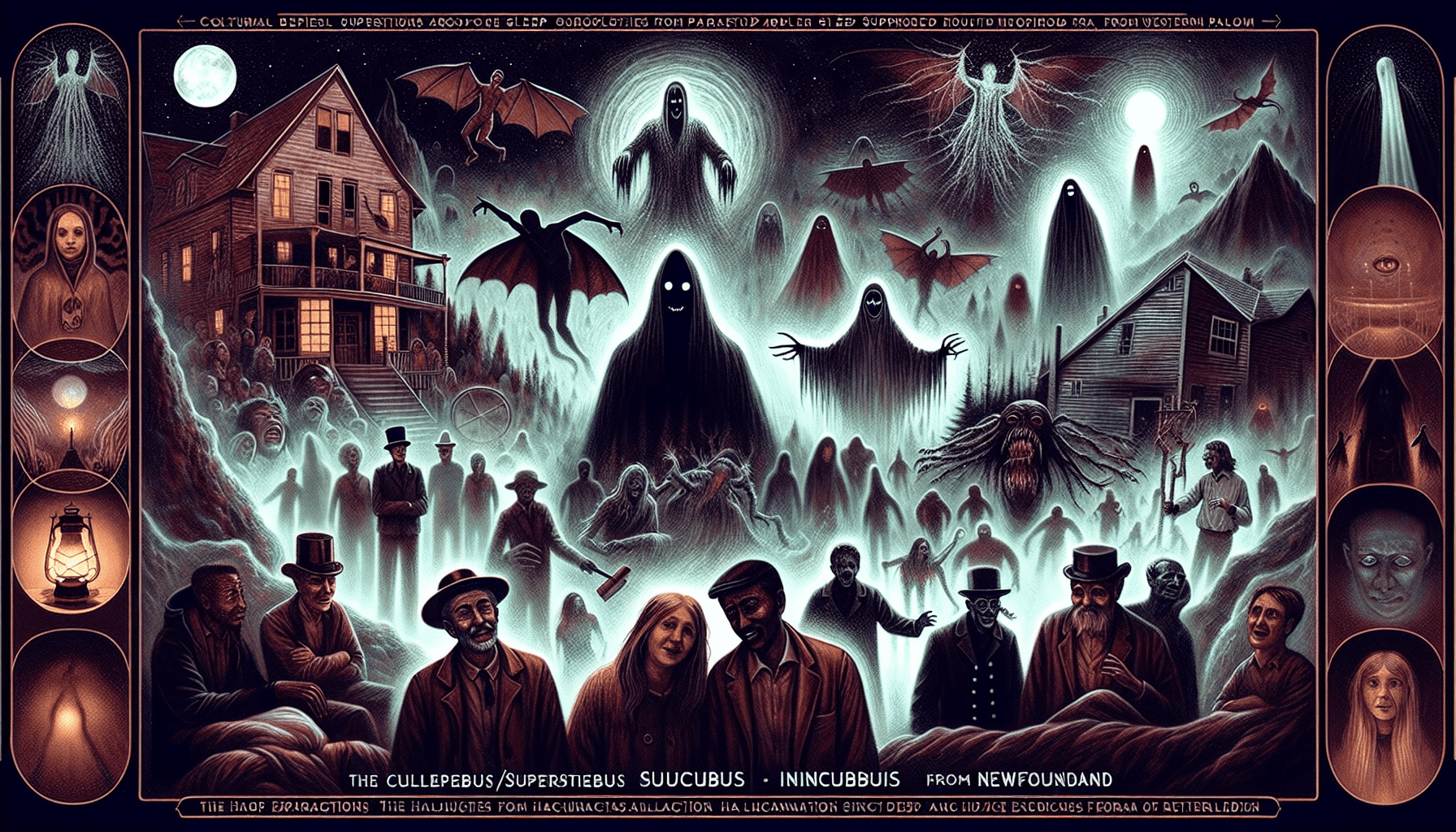
Overview of Sleep Paralysis
Definition
Sleep paralysis is a phenomenon that occurs when you are unable to move or speak while transitioning between sleep and wakefulness. It is a temporary condition that can last a few seconds or minutes, making you feel trapped in your own body. During sleep paralysis, you may also experience hallucinations, a sense of pressure on your chest, and a feeling of impending doom.
Causes
Sleep paralysis is believed to result from a disruption in the transition between different stages of sleep. It commonly occurs during the REM (Rapid Eye Movement) stage of sleep, when dreaming takes place. Certain factors can increase the likelihood of experiencing sleep paralysis, such as sleep deprivation, irregular sleep schedule, stress, and certain sleep disorders like narcolepsy.
Symptoms
The main symptom of sleep paralysis is the inability to move or speak, despite being awake and mentally alert. Other common symptoms include vivid hallucinations, a feeling of pressure on the chest, difficulty breathing, and a sense of terror or impending harm. These experiences can be extremely distressing and often leave the individual feeling shaken and anxious.
Cultural Perceptions of Sleep Paralysis
Eastern Cultures
In many Eastern cultures, sleep paralysis is often attributed to supernatural entities or spiritual experiences. It is commonly believed that during sleep paralysis, evil spirits or ghosts are trying to possess or harm the person experiencing it. Various remedies and rituals are practiced to protect against these malevolent forces, including the use of talismans, recitation of prayers, and seeking guidance from spiritual leaders.
Western Cultures
In Western cultures, sleep paralysis is often viewed through a more scientific and psychological lens. It is commonly recognized as a sleep disorder and is studied and discussed in the field of sleep medicine. However, there are still some who hold onto superstitious beliefs and associate sleep paralysis with paranormal activity or alien encounters.
Indigenous Cultures
Indigenous cultures often have their own unique interpretations of sleep paralysis. In some cultures, it is seen as a spiritual journey or initiation into adulthood, where the individual is tested by supernatural beings. Certain rituals and ceremonies are performed to guide and protect the person going through sleep paralysis, with the belief that they will emerge stronger and wiser from the experience.
Religious and Spiritual Interpretations
Religious Beliefs
Religious beliefs play a significant role in the interpretation of sleep paralysis. In some religions, sleep paralysis is seen as a spiritual battle between good and evil forces, and prayers or religious rituals are used to ward off malevolent spirits. In other religions, it is believed that sleep paralysis is a form of divine communication or visitation, where the individual may have a glimpse into the spiritual realm.
Supernatural Explanations
Supernatural explanations for sleep paralysis are prevalent in many cultures. Some believe that sleep paralysis is caused by witchcraft, black magic, or curses cast upon the individual. Others associate it with demonic possession or attacks by evil spirits. These interpretations often involve rituals, exorcisms, or protective charms to counteract the perceived supernatural influences.
Symbolic Meanings
Sleep paralysis is sometimes interpreted as a symbolic experience with deep personal meaning. It is believed that the hallucinations and sensations during sleep paralysis can provide insight into one’s subconscious mind or represent unresolved emotions and fears. Some cultures encourage individuals to reflect on their experiences and seek personal growth or spiritual enlightenment from them.
Taboos and Myths Surrounding Sleep Paralysis
Misconceptions
Sleep paralysis is shrouded in various myths and misconceptions. One common myth is that it is solely a result of supernatural or paranormal activity. Another misconception is that sleep paralysis is always accompanied by frightening hallucinations. These misconceptions can perpetuate fear and misunderstanding surrounding the condition, leading to further stigmatization and anxiety for those who experience it.
Warnings and Precautions
In certain cultures, sleep paralysis is considered taboo and is seen as a sign of impending danger or bad luck. People may be warned to avoid discussing their experiences or engaging in specific behaviors to prevent further occurrences. These warnings can reinforce the fear and stigma associated with sleep paralysis and limit open dialogue about the condition.
Negative Consequences
The taboos and myths surrounding sleep paralysis can have negative consequences for individuals who experience it. They may feel shame, guilt, or fear, believing that they are somehow responsible for the condition or that it is a punishment for their actions. This can lead to social isolation, anxiety, and even avoidance of seeking medical or psychological help.
Traditional Folklore and Legends
Creature Encounters
Across different cultures, there are numerous folkloric creatures associated with sleep paralysis. In Western cultures, the phenomenon is often linked to the legend of the “Night Hag” or “Old Hag,” a supernatural entity that sits on the sleeper’s chest, causing paralysis and fear. Similarly, various folklore tales in different cultures describe creatures such as demons, witches, or shadowy figures that visit individuals during sleep paralysis.
Protective Talismans
To ward off malevolent entities or protect against sleep paralysis, many cultures have developed talismans and amulets with specific symbols or inscriptions. These talismans are believed to possess spiritual or magical powers that can provide protection and prevent unwanted encounters during sleep paralysis. The use of such items reflects a deep-rooted belief in the power of symbolism and the ability to influence supernatural forces.
Exorcism and Rituals
In cultures where sleep paralysis is associated with possession or negative spiritual influences, exorcism rituals may be performed to free the individual from the perceived entity or force. These rituals often involve the involvement of religious figures or healers who perform specific prayers, chants, or ceremonies to expel the evil or release the person from their paralysis. The purpose of these rituals is to restore balance and protect the individual from further harm.
Cultural Remedies and Coping Mechanisms
Herbal and Natural Remedies
Many cultures have traditional herbal or natural remedies to alleviate symptoms of sleep paralysis. These remedies may include the use of specific herbs, teas, or oils known for their calming or spiritual properties. While the scientific efficacy of these remedies may vary, their use is deeply rooted in cultural beliefs and practices that aim to provide relief and promote a sense of well-being.
Prayer and Meditation
Prayer and meditation are commonly employed as coping mechanisms in various cultures. By engaging in these spiritual practices, individuals seek solace, strength, and protection from sleep paralysis. Prayer and meditation can help individuals feel connected to a higher power, find inner peace, and regain a sense of control over their experiences.
Psychological Approaches
In some cultures, psychological approaches are utilized to cope with sleep paralysis. This may involve counseling, therapy, or support groups where individuals can share their experiences, gain understanding, and develop strategies to manage the psychological impact of sleep paralysis. These approaches aim to normalize the condition, reduce anxiety, and provide individuals with a supportive community of like-minded individuals.
Influence of Media and Film
Horror Movies
Sleep paralysis has long been a subject of fascination and inspiration for horror filmmakers. Many films depict sleep paralysis as a horrifying experience, often associated with malevolent spirits, demon possession, or nightmarish scenarios. While these movies may exaggerate the terrifying aspects of sleep paralysis for entertainment purposes, they contribute to the perpetuation of negative stereotypes and further stigmatize those who experience it.
Urban Legends
Sleep paralysis has also become the basis for various urban legends and myths. These stories often involve supernatural or paranormal elements, heightening the fear and mystery surrounding the condition. Urban legends contribute to the cultural narratives surrounding sleep paralysis and can influence people’s perception of their experiences, causing more distress and confusion.
Modern Interpretations
In recent years, there has been a growing interest in exploring sleep paralysis from a more nuanced and comprehensive perspective in films, documentaries, and literature. These modern interpretations aim to shed light on the psychological and cultural aspects of sleep paralysis, providing a platform for dialogue and understanding. By going beyond the horror genre, these works contribute to a more balanced portrayal of sleep paralysis in popular media.
Scientific Explanations vs. Cultural Beliefs
Neurological Findings
Scientific research has shed light on the underlying neurological processes of sleep paralysis. It is believed to occur due to the temporary dissociation of the brain’s motor cortex and the control mechanisms that regulate muscle movement during REM sleep. This paralysis is a natural occurrence that prevents us from acting out our dreams and potentially causing harm to ourselves. Understanding the neurobiology of sleep paralysis helps dispel supernatural beliefs and provides a scientific perspective on the phenomenon.
Psychological Perspectives
Psychologists and mental health professionals offer valuable insights into the psychological factors that contribute to sleep paralysis. Stress, anxiety, and trauma are often cited as triggers or exacerbating factors. Sleep paralysis can also be influenced by cultural and personal beliefs, as well as specific thought patterns. By exploring these psychological perspectives, individuals can gain a better understanding of their experiences and develop strategies to manage or mitigate sleep paralysis episodes.
Integrating Cultural and Scientific Understandings
While scientific explanations provide a valuable foundation for understanding sleep paralysis, it is essential to recognize and respect the cultural beliefs and interpretations surrounding the phenomenon. Integrating cultural understandings with scientific findings can foster a more holistic and inclusive approach to sleep paralysis. By acknowledging the diverse perspectives and narratives, we can bridge the gap between scientific research and cultural beliefs, promoting empathy, and reducing stigma.
Social Stigma and Discrimination
Cultural Misunderstandings
Due to the lack of awareness and understanding surrounding sleep paralysis, individuals who experience it often face cultural misunderstandings. They may be labeled as mentally ill, demon-possessed, or spiritually troubled, leading to discrimination, exclusion, or even persecution. Challenging these cultural misunderstandings and promoting education is crucial in combating the stigma associated with sleep paralysis.
Stigmatization of Individuals
The stigma associated with sleep paralysis can have significant consequences for those who experience it. It can lead to feelings of shame, embarrassment, and self-blame, further exacerbating the psychological impact of the condition. Stigmatization can also discourage individuals from seeking medical or psychological help, perpetuating a cycle of distress and isolation.
Support and Education Initiatives
To address the social stigma and discrimination faced by individuals with sleep paralysis, it is essential to promote support and education initiatives. This includes raising awareness about sleep paralysis as a legitimate sleep disorder, fostering understanding and empathy, and creating safe spaces for individuals to share their experiences without judgment. By supporting those affected by sleep paralysis, we can challenge stereotypes, promote acceptance, and create a more inclusive society.
Cross-Cultural Comparisons
Similarities and Differences
When comparing the cultural perceptions of sleep paralysis across different regions and communities, both similarities and differences emerge. While some cultures lean towards spiritual or supernatural interpretations, others adopt a more scientific or psychological approach. These variations reflect the diversity of human beliefs and experiences and highlight the importance of cultural context in understanding sleep paralysis.
Common Cultural Themes
Despite the differences, there are common cultural themes that emerge when it comes to sleep paralysis. Many cultures have developed rituals, talismans, or remedies to protect against malevolent spirits or supernatural influences during sleep paralysis. Spiritual practices, such as prayer or meditation, are often utilized to cope with the distress and uncertainty associated with the condition. These common themes illustrate the universal human need for comfort, protection, and meaning-making in the face of challenging experiences.
Transcultural Interpretations
As our globalized world becomes more interconnected, there is an opportunity for transcultural interpretations and understandings of sleep paralysis to emerge. By acknowledging and respecting diverse cultural perspectives, we can foster dialogue, exchange knowledge, and learn from one another. This cross-cultural exchange can enrich our understanding of sleep paralysis, promote empathy and compassion, and challenge stereotypes and misconceptions that surround the condition.
In conclusion, sleep paralysis is a fascinating phenomenon that has been interpreted and understood differently across various cultures throughout history. From supernatural explanations to scientific research, cultural beliefs and perceptions have shaped our understanding of sleep paralysis. It is essential to recognize and respect the diverse narratives and experiences surrounding sleep paralysis, promoting empathy, education, and support for those who experience it. By integrating scientific and cultural understandings, we can bridge the gap between different perspectives and foster a more inclusive and nuanced approach to sleep paralysis.