
Let me tell you about my experience with sleep paralysis. It’s not something I’ve talked about before, but I feel ready to open up and share my story. The feeling of being awake but unable to move or speak is something that can be terrifying, and I hope that by sharing my story, I can help others who may have had similar experiences feel less alone. Thank you for listening to my journey with sleep paralysis. Have you ever woken up unable to move, feeling a weight on your chest, and sensing a presence in the room? If you have experienced these symptoms, you might have had an episode of sleep paralysis. In this article, we will delve into the world of sleep paralysis, exploring its causes, symptoms, and treatment options.
What is Sleep Paralysis?
Sleep paralysis is a phenomenon in which a person is temporarily unable to move, speak, or react during the transition between wakefulness and sleep. It can be a frightening experience for those who go through it, as they may feel intense fear and hallucinations.
If you have ever felt like you were awake but unable to move, or if you have seen or felt a presence in the room while you were unable to move, you may have experienced sleep paralysis.
My Personal Experience with Sleep Paralysis
I remember the first time I experienced sleep paralysis vividly. I woke up in the middle of the night, unable to move, with a sense of dread washing over me. I could hear my own heartbeat pounding in my ears as I felt a heavy weight pressing down on my chest. I tried to scream for help, but no sound came out. It felt like an eternity before I was finally able to move and break free from the paralysis.

Common Symptoms of Sleep Paralysis
During an episode of sleep paralysis, you may experience a variety of symptoms that can be frightening and unsettling. Some of the most common symptoms include:
- Inability to move or speak
- Feeling of pressure on the chest
- Hallucinations (visual, auditory, or tactile)
- Sensation of a presence in the room
- Fear and intense emotions
If you have experienced any of these symptoms, you may have had a sleep paralysis episode.
Coping with Fear and Anxiety
Fear and anxiety are common emotions associated with sleep paralysis, as the experience can be terrifying and disorienting. It is important to remind yourself that sleep paralysis is a normal phenomenon and is not harmful.
One way to cope with fear and anxiety during sleep paralysis is to focus on your breathing. Take slow, deep breaths to help calm your mind and body. You can also try to repeat a calming mantra to yourself, such as “This too shall pass” or “I am safe and in control.”

Causes of Sleep Paralysis
Sleep paralysis occurs when the body is temporarily paralyzed during REM (rapid eye movement) sleep, the stage of sleep in which most dreaming occurs. During REM sleep, the brain sends signals to the body to prevent it from acting out dreams, a phenomenon known as REM atonia.
Sometimes, the transition between REM sleep and wakefulness can be disrupted, leading to sleep paralysis. There are several factors that can contribute to the occurrence of sleep paralysis, including:
- Irregular sleep patterns
- Stress and anxiety
- Sleep disorders such as narcolepsy
- Sleeping on your back
- Family history of sleep paralysis
If you have experienced sleep paralysis, it can be helpful to keep a sleep diary to track your sleep patterns and any potential triggers for your episodes.
Seeking Professional Help
If you are experiencing frequent episodes of sleep paralysis or if your symptoms are interfering with your daily life, it may be helpful to seek professional help. A sleep specialist or therapist can help you understand your symptoms and develop coping strategies to manage them.

Treatment Options for Sleep Paralysis
While there is no specific treatment for sleep paralysis, there are strategies that can be effective in managing the symptoms and reducing the frequency of episodes. Some treatment options for sleep paralysis include:
- Improving sleep hygiene: Establishing a regular sleep schedule, creating a calming bedtime routine, and avoiding stimulants before bed can help improve the quality of your sleep.
- Stress management: Finding ways to reduce stress and anxiety, such as practicing relaxation techniques or therapy, can help decrease the likelihood of experiencing sleep paralysis.
- Sleeping on your side: Sleeping on your side instead of your back can help prevent episodes of sleep paralysis.
- Medication: In some cases, a doctor may prescribe medication to help manage underlying sleep disorders that may be contributing to sleep paralysis.
Importance of Self-Care
Self-care is an important aspect of managing sleep paralysis and promoting overall well-being. Taking care of your physical and mental health can help reduce the frequency and severity of sleep paralysis episodes. Some self-care practices that may be helpful include:
- Regular exercise
- Healthy diet
- Stress reduction techniques
- Mindfulness and meditation
Remember to prioritize self-care and listen to your body’s needs to help improve your sleep quality and overall health.
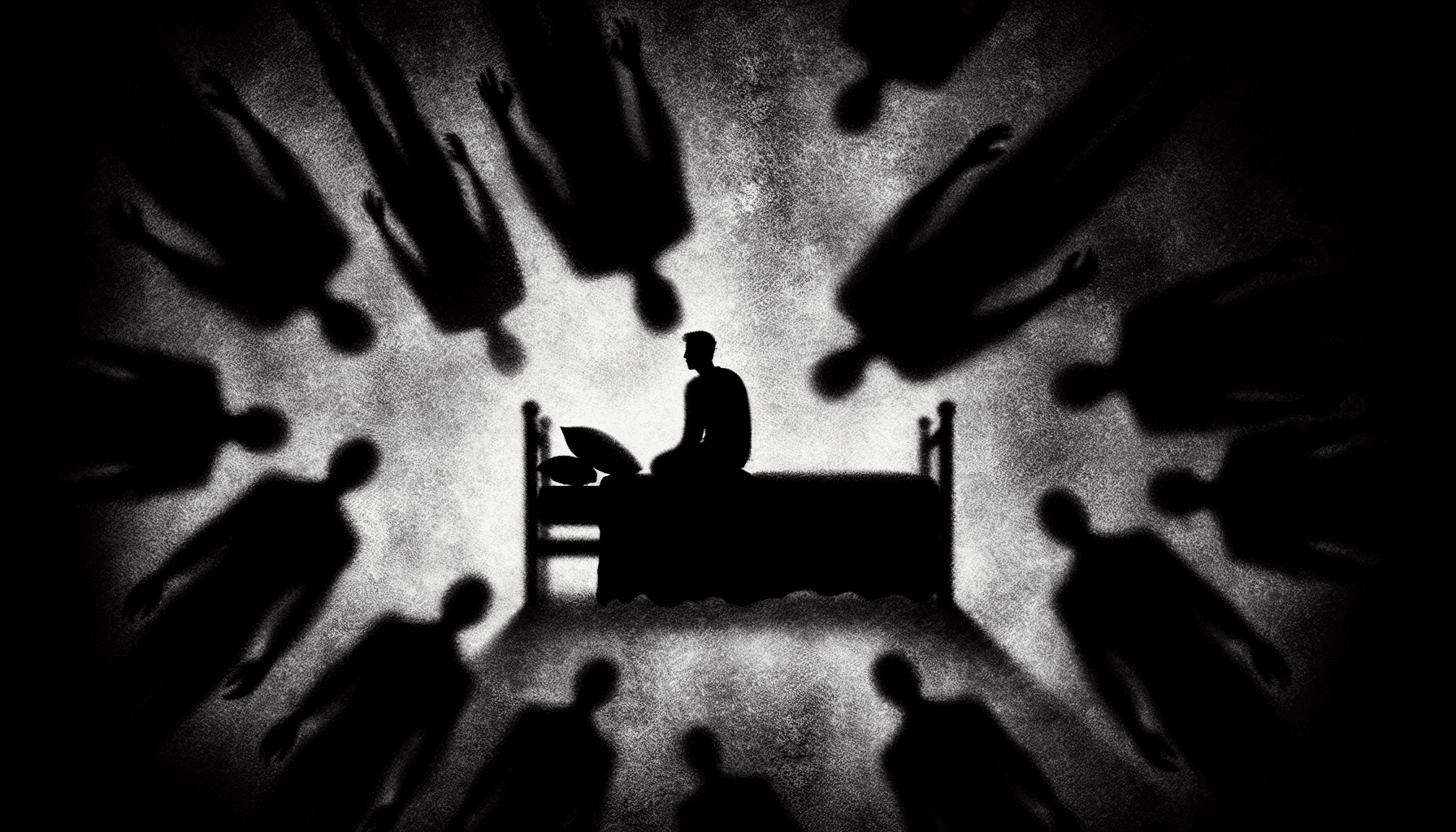
Sharing My Sleep Paralysis Story
Sharing my experience with sleep paralysis has been therapeutic for me, as it has allowed me to connect with others who have gone through similar experiences. By sharing my story, I hope to raise awareness about sleep paralysis and provide support to those who may be struggling with this phenomenon.
If you have experienced sleep paralysis, know that you are not alone. Reach out to friends, family, or a mental health professional for support and guidance. Remember that sleep paralysis is a common occurrence that can be managed with the right tools and strategies.
Conclusion
In conclusion, sleep paralysis is a temporary and harmless phenomenon that can be frightening and disorienting. By understanding the causes, symptoms, and treatment options for sleep paralysis, you can effectively manage the condition and reduce the frequency of episodes. Remember to prioritize self-care, seek professional help if needed, and share your story with others to raise awareness and provide support for those who may be going through similar experiences.
Thank you for taking the time to read my sleep paralysis story. I hope that my experience has shed light on this topic and provided you with valuable information to help you manage your own symptoms. Remember, you are not alone in this journey.