
Understanding Sleep Paralysis in Popular Media
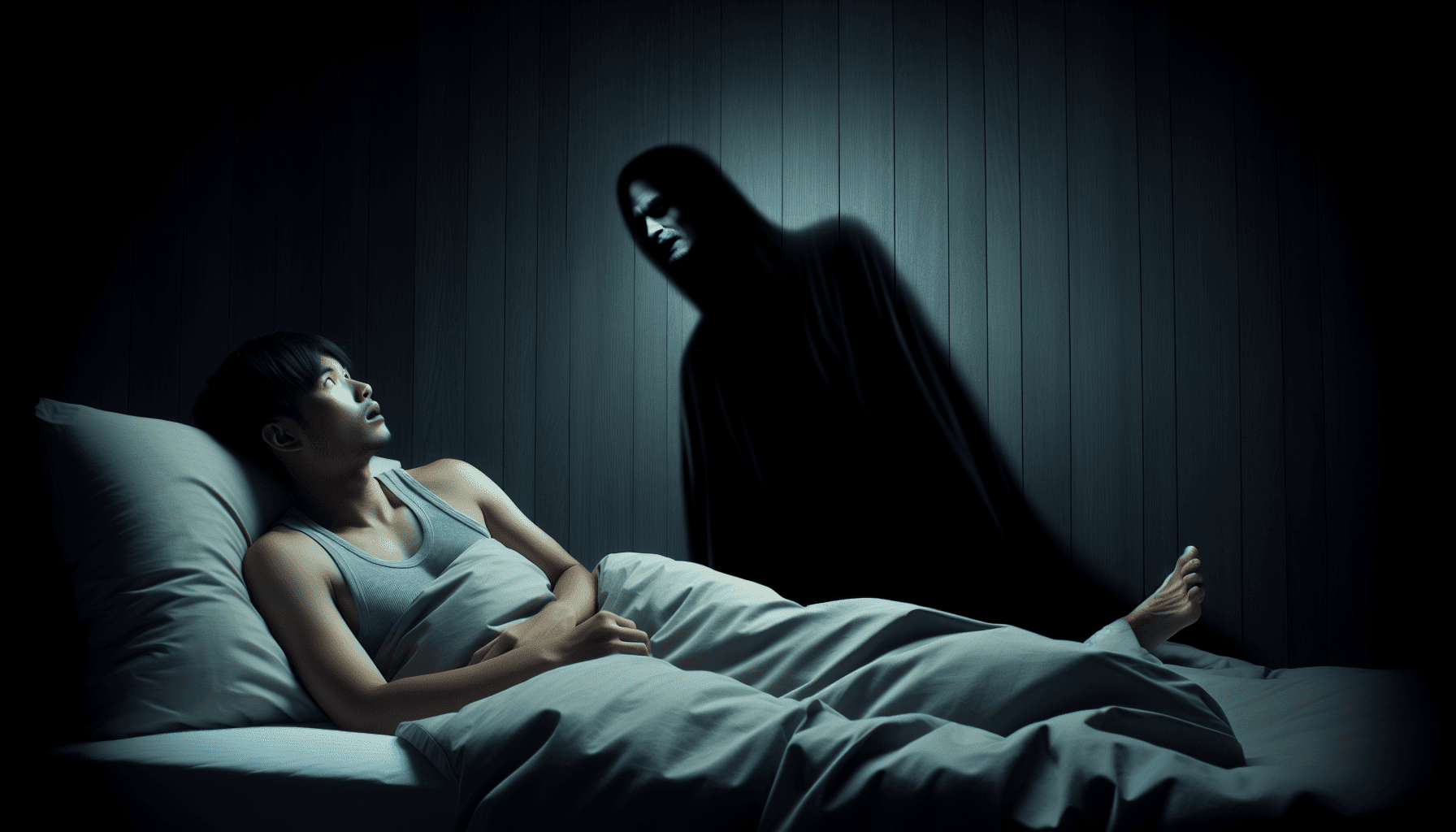
Have you ever woken up in the middle of the night unable to move or speak, feeling a heavy weight on your chest? This terrifying experience is known as sleep paralysis, and it has been a popular topic in movies, TV shows, and books. In this article, we will explore the portrayal of sleep paralysis in popular media and analyze how accurate it is compared to real-life experiences.

What is Sleep Paralysis?
Sleep paralysis is a phenomenon that occurs when a person wakes up during the transition between sleep and wakefulness. During this time, the body is still in a state of paralysis to prevent the acting out of dreams. However, in cases of sleep paralysis, the mind becomes awake while the body remains paralyzed, leading to feelings of terror, helplessness, and sometimes hallucinations.
Portrayal in Movies
In movies, sleep paralysis is often depicted as a terrifying experience where the protagonist is unable to move or speak while being haunted by malevolent entities. One popular example is the movie “The Nightmare” which explores the real-life experiences of individuals who suffer from sleep paralysis. While movies dramatize the experience for entertainment purposes, they also shed light on the psychological impact of sleep paralysis on those who experience it.
Portrayal in TV Shows
Television shows have also tackled the topic of sleep paralysis, with episodes dedicated to exploring the phenomenon. In shows like “American Horror Story” and “The Haunting of Hill House,” sleep paralysis is used as a plot device to create suspense and fear. While these shows may sensationalize the experience, they also raise awareness about a condition that is often misunderstood and overlooked.
Portrayal in Books
Sleep paralysis has been a popular subject in literature, with many books delving into the psychological and supernatural aspects of the phenomenon. Authors like Neil Gaiman and Stephen King have incorporated sleep paralysis into their stories, using it as a tool to explore themes of fear, trauma, and the unknown. By weaving sleep paralysis into their narratives, these authors bring attention to a topic that is both fascinating and frightening.

Myths and Misconceptions
Despite its prevalence in popular media, sleep paralysis is still widely misunderstood, leading to myths and misconceptions about the phenomenon. One common myth is that sleep paralysis is caused by supernatural forces or demonic entities, leading to feelings of fear and unease. In reality, sleep paralysis is a natural occurrence that occurs during the sleep cycle and is not related to the supernatural or paranormal.
Scientific Explanations
Scientists have been studying sleep paralysis for decades, trying to unravel the mysteries behind this perplexing phenomenon. According to research, sleep paralysis is caused by a disruption in the REM (rapid eye movement) stage of sleep, where the brain wakes up before the body. This results in a temporary state of paralysis that can last from a few seconds to a few minutes.

Treatment Options
For those who suffer from frequent episodes of sleep paralysis, seeking treatment from a healthcare professional is crucial. Treatment options may include cognitive-behavioral therapy, medication, or lifestyle changes to improve sleep quality. By addressing the underlying causes of sleep paralysis, individuals can reduce the frequency and severity of episodes and improve their overall quality of life.
Coping Strategies
If you experience sleep paralysis, there are several coping strategies you can try to help manage the symptoms. Some tips include practicing good sleep hygiene, maintaining a regular sleep schedule, and reducing stress and anxiety. By taking proactive steps to improve your sleep quality, you may be able to reduce the likelihood of experiencing sleep paralysis.
Seeking Support
Dealing with sleep paralysis can be a lonely and isolating experience, but it’s important to remember that you are not alone. Seeking support from friends, family, or a support group can help you feel understood and validated in your experiences. Connecting with others who have gone through similar experiences can provide comfort, reassurance, and a sense of community.
Conclusion
In conclusion, sleep paralysis is a complex and multifaceted phenomenon that has captured the attention of popular media. While movies, TV shows, and books may sensationalize the experience for entertainment purposes, they also shed light on the psychological and emotional impact of sleep paralysis on those who experience it. By understanding the science behind sleep paralysis, debunking myths and misconceptions, and seeking support and treatment, individuals can learn to manage and cope with this frightening phenomenon.