
Cultural Variations In The Interpretation Of Sleep Paralysis Sensations
Do you ever experience a terrifying inability to move or speak when waking up or falling asleep? This phenomenon, known as sleep paralysis, is a common experience that varies greatly in interpretation across different cultures around the world.
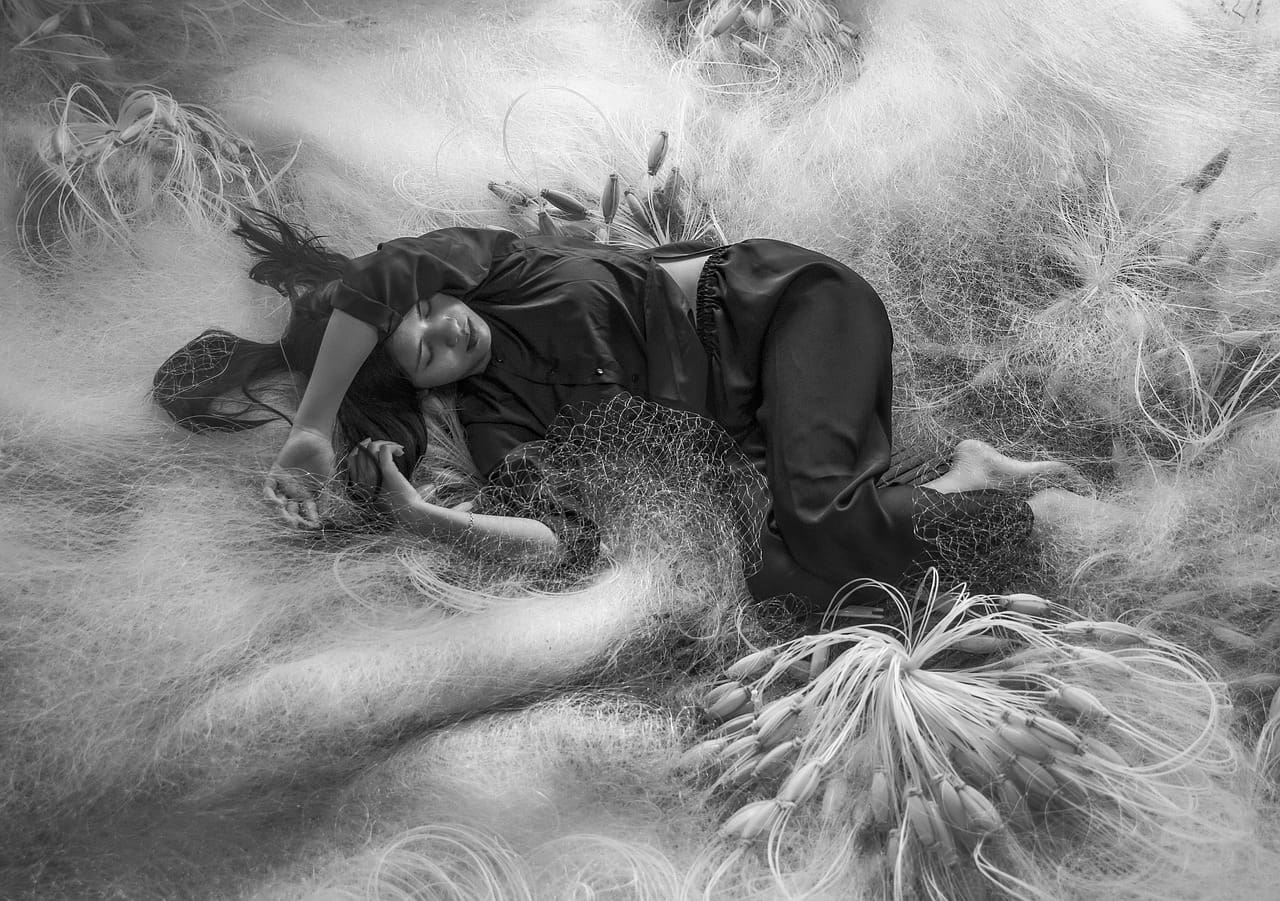
What is Sleep Paralysis?
Sleep paralysis is a phenomenon that occurs when a person wakes up or falls asleep and is unable to move or speak. This temporary inability to move is often accompanied by a feeling of pressure on the chest, as well as hallucinations or a sense of impending doom. While sleep paralysis is a normal occurrence and not harmful in itself, the experience can be incredibly frightening for those who go through it.
A Brief Overview of Sleep Paralysis
When you experience sleep paralysis, your body is essentially temporarily paralyzed during the transition between wakefulness and sleep. This phenomenon can last for a few seconds to a few minutes and can occur during the process of falling asleep or waking up. While the exact causes of sleep paralysis are not fully understood, it is believed to be related to disruptions in the normal sleep cycle.
Cultural Interpretations of Sleep Paralysis Sensations
The interpretation of sleep paralysis sensations varies greatly across different cultures. While some cultures view sleep paralysis as a purely physiological and scientific phenomenon, others attribute it to supernatural or spiritual causes. Let’s explore some of the cultural variations in the interpretation of sleep paralysis sensations.
Western Cultures
In Western cultures, sleep paralysis is often viewed through a scientific and medical lens. It is commonly understood as a temporary disruption in the normal sleep cycle, particularly during the stages of REM (rapid eye movement) sleep. Western explanations for sleep paralysis tend to focus on the physiological aspects of the phenomenon, such as the paralysis of voluntary muscles during sleep transitions.
Eastern Cultures
In contrast, many Eastern cultures have a more spiritual or supernatural interpretation of sleep paralysis sensations. In some Eastern cultures, sleep paralysis is seen as a visitation by malevolent spirits or supernatural entities. These cultures may also believe that sleep paralysis is caused by factors such as karma or spiritual disturbances. The interpretation of sleep paralysis in Eastern cultures often involves rituals or practices to ward off evil spirits.
Indigenous Cultures
Indigenous cultures around the world also have their interpretations of sleep paralysis sensations. In some indigenous communities, sleep paralysis may be viewed as a form of communication with ancestors or spirits. It is not uncommon for indigenous cultures to see sleep paralysis as a sign of spiritual awakening or a message from the spirit world. Rituals and ceremonies are often performed in response to sleep paralysis to ensure protection and spiritual guidance.

Coping Mechanisms for Sleep Paralysis
Dealing with sleep paralysis can be a challenging experience, regardless of cultural beliefs surrounding the phenomenon. Here are some coping mechanisms that may help you navigate through episodes of sleep paralysis:
Understand the Phenomenon
Educating yourself about sleep paralysis and its causes can help demystify the experience and reduce feelings of fear and anxiety. Knowing that sleep paralysis is a common and temporary phenomenon can provide reassurance during episodes.
Improve Sleep Hygiene
Maintaining good sleep hygiene practices, such as sticking to a regular sleep schedule and creating a calming bedtime routine, can help reduce the likelihood of experiencing sleep paralysis episodes. Ensuring that you get enough quality sleep can also aid in preventing sleep disruptions.
Relaxation Techniques
Practicing relaxation techniques, such as deep breathing exercises or progressive muscle relaxation, can help calm your mind and body during episodes of sleep paralysis. Relaxation techniques can also reduce feelings of panic or anxiety that may accompany the experience.
Seek Support
Talking to a trusted friend or mental health professional about your experiences with sleep paralysis can provide emotional support and coping strategies. Sharing your feelings and fears with others can help alleviate the stress and anxiety associated with sleep paralysis.

Conclusion
Sleep paralysis is a phenomenon that transcends cultural boundaries, yet its interpretation varies greatly depending on cultural beliefs and practices. By understanding the cultural variations in the interpretation of sleep paralysis sensations, we can gain insight into the diverse ways in which different societies perceive this intriguing phenomenon. Whether viewed as a medical condition, a supernatural visitation, or a spiritual awakening, sleep paralysis continues to be a topic of fascination and intrigue across the globe. Remember, you are not alone in your experiences with sleep paralysis, and there are coping mechanisms available to help you navigate through these episodes with confidence and ease.
