Welcome to an informative article exploring the impact of sleep paralysis on your physical health. Sleep paralysis, a common phenomenon where you temporarily experience an inability to move or speak while falling asleep or waking up, can have a significant influence on your overall well-being. From increased stress levels to potential disruption of your body’s sleep patterns, understanding how sleep paralysis can affect your physical health is crucial for maintaining a healthy lifestyle. Let’s delve deeper into how this unique sleep disorder can impact you.
The Impact Of Sleep Paralysis On Physical Health
Have you ever woken up in the middle of the night unable to move or speak, feeling like you are stuck in a nightmare but unable to wake up? Chances are you may have experienced sleep paralysis. But did you know that this common sleep disorder can have an impact on your physical health? In this article, we’ll explore the effects of sleep paralysis on your body and overall well-being.
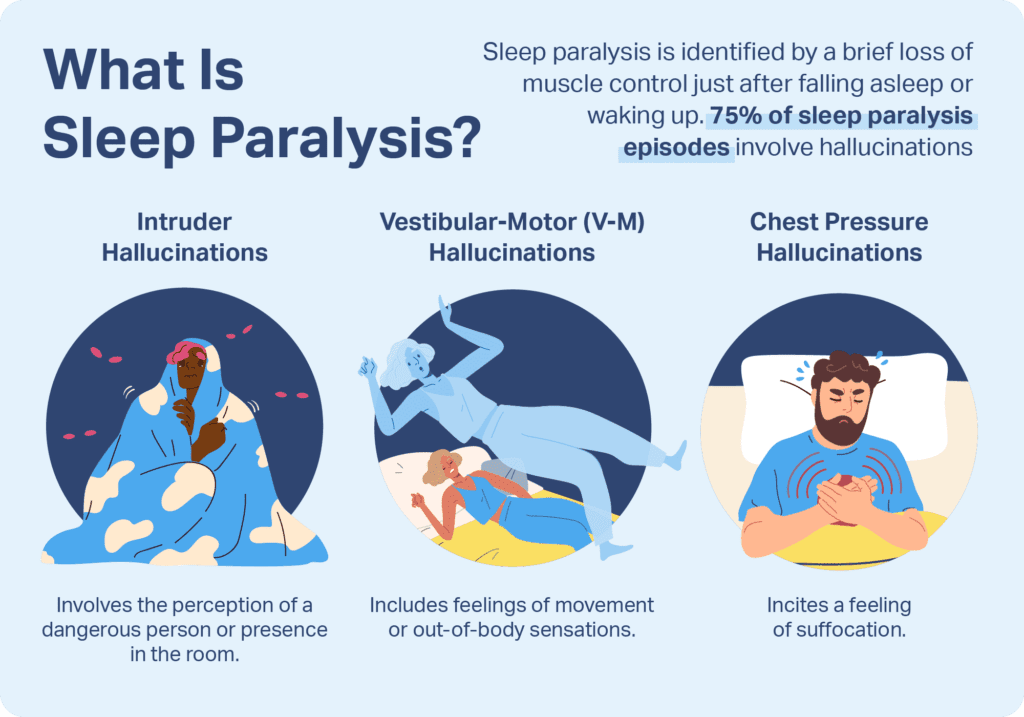
What is Sleep Paralysis?
Let’s first start by understanding what sleep paralysis actually is. Sleep paralysis is a phenomenon in which a person temporarily experiences an inability to move, speak, or react during the transition between sleep and wakefulness. It usually occurs either when falling asleep or waking up. This can be a frightening experience for those who have never encountered it before.
The Physiology Behind Sleep Paralysis
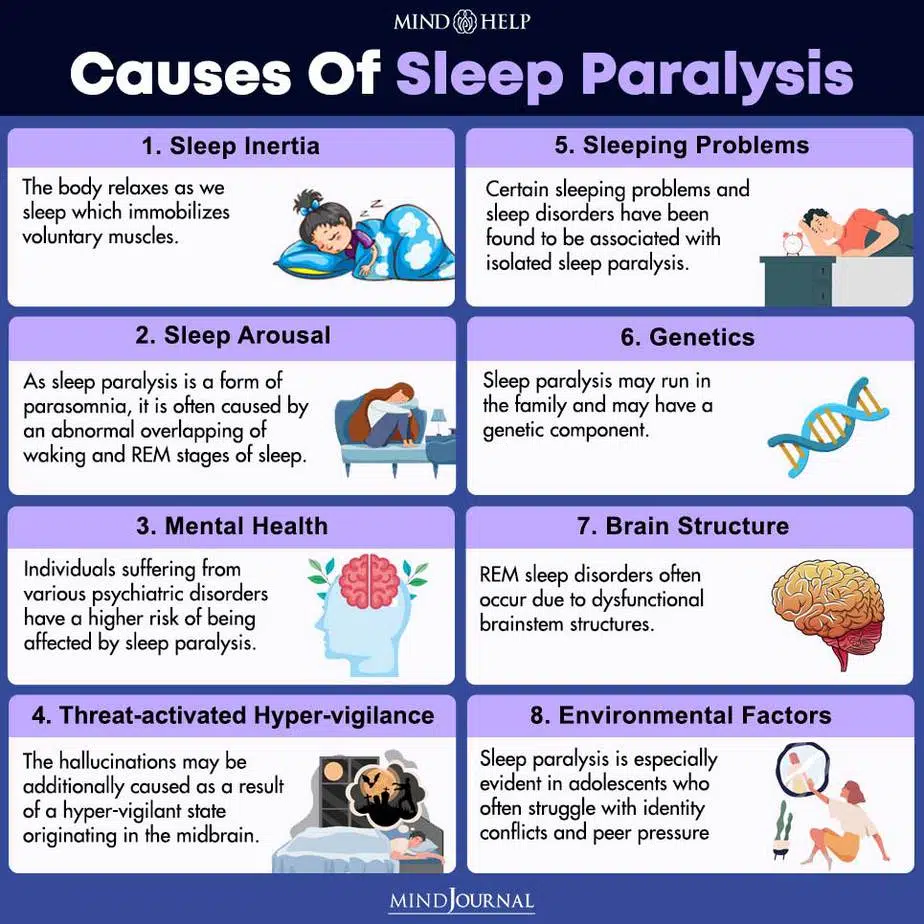
During normal sleep, your body goes through different stages, including REM (rapid eye movement) sleep, which is when most dreaming occurs. Normally, your brain paralyzes your muscles during REM sleep to prevent you from acting out your dreams. In the case of sleep paralysis, this paralysis lingers even after you have woken up, causing you to feel unable to move or speak.
The Physical Effects of Sleep Paralysis
The physical effects of sleep paralysis can vary from person to person. Some individuals may experience mild symptoms that only last for a few seconds, while others may have more severe and prolonged episodes. Some common physical effects of sleep paralysis include:
- Difficulty Breathing: Many individuals report feeling like they are unable to breathe properly during an episode of sleep paralysis, which can lead to feelings of suffocation.
- Heart Palpitations: Due to the fear and panic that can accompany sleep paralysis, some people may experience rapid heart rate or palpitations.
- Muscle Weakness: The feeling of paralysis can cause muscle weakness and in some cases, soreness or discomfort upon waking up.
The Psychological Impact of Sleep Paralysis
In addition to the physical effects, sleep paralysis can also have a significant impact on your mental and emotional well-being. The experience of being unable to move or speak while feeling awake can be extremely distressing and anxiety-inducing. Some psychological effects of sleep paralysis may include:
- Anxiety: The fear and helplessness experienced during an episode of sleep paralysis can lead to increased anxiety and stress.
- Depression: Chronic sleep paralysis can also contribute to feelings of depression and low mood, especially if it disrupts your sleep patterns on a regular basis.
- Insomnia: The fear of experiencing sleep paralysis again can make it difficult for some individuals to fall asleep, leading to insomnia and further sleep disturbances.
Managing Sleep Paralysis Symptoms
If you regularly experience sleep paralysis and it is impacting your physical and mental health, there are a few strategies you can try to help manage your symptoms. Some tips for managing sleep paralysis symptoms include:
- Improving Sleep Hygiene: Establishing a regular sleep routine, creating a comfortable sleep environment, and avoiding caffeine and electronic devices before bedtime can help improve the quality of your sleep.
- Reducing Stress: Engaging in stress-relieving activities such as meditation, deep breathing exercises, or yoga can help reduce anxiety and prevent sleep paralysis episodes.
- Seeking Professional Help: If sleep paralysis is significantly impacting your daily life, consider speaking with a healthcare provider or sleep specialist for further evaluation and recommendations.
The Relationship Between Sleep Paralysis and Other Sleep Disorders
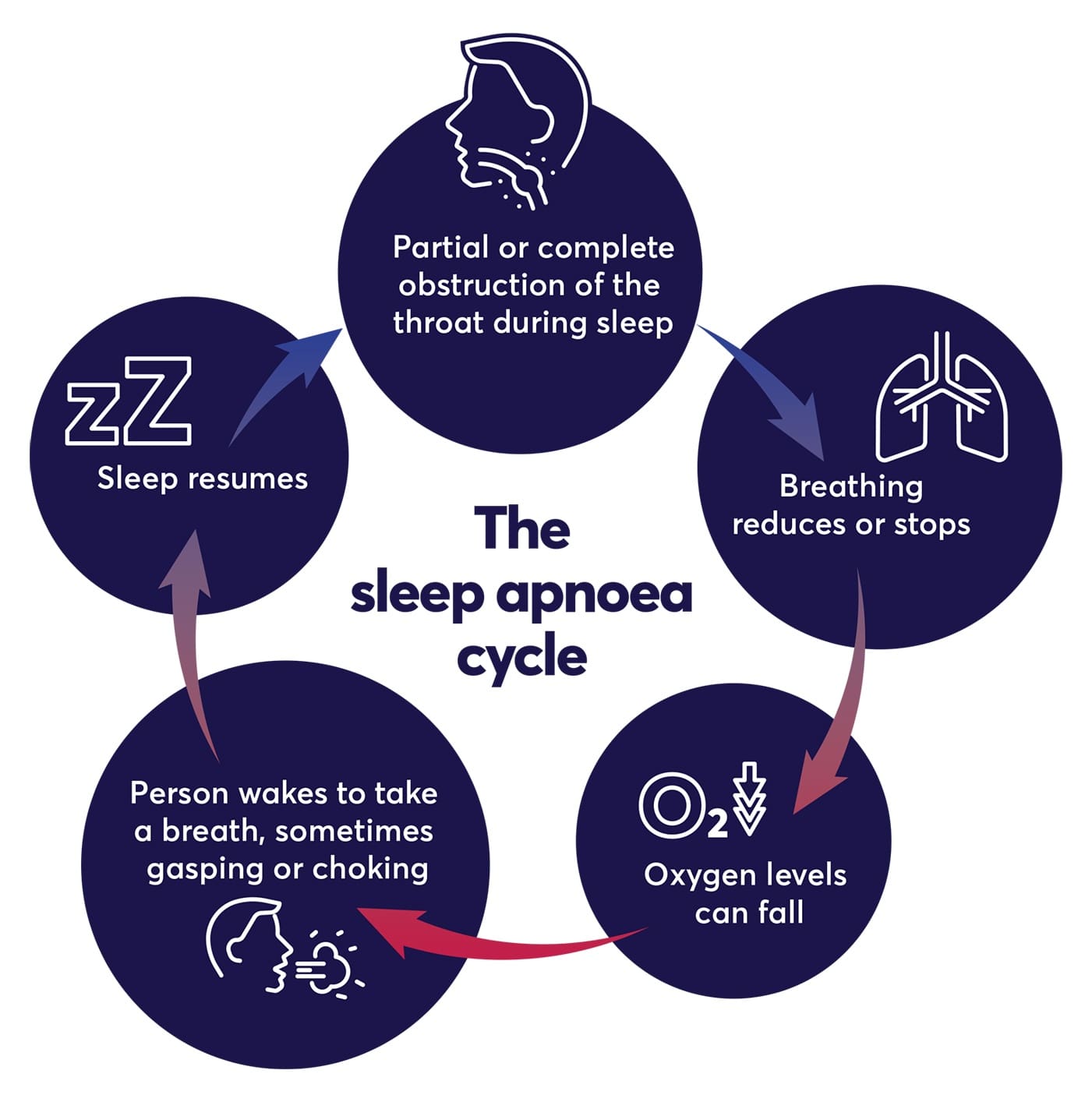
Interestingly, sleep paralysis is often associated with other sleep disorders such as narcolepsy and obstructive sleep apnea. In fact, research has shown that individuals with narcolepsy are more likely to experience sleep paralysis than those without the disorder. Similarly, individuals with obstructive sleep apnea, a condition characterized by pauses in breathing during sleep, may also be at higher risk for sleep paralysis.
:max_bytes(150000):strip_icc()/Health-GettyImages-668621218-cd6e0fc35cd14b77b83f6657739562e1.jpg "The Impact Of Sleep Paralysis On Physical Health")
Tips for Preventing Sleep Paralysis
While there is no foolproof way to prevent sleep paralysis, there are a few lifestyle changes and strategies you can try to reduce your risk of experiencing an episode. Some tips for preventing sleep paralysis include:
- Maintaining a Regular Sleep Schedule: Going to bed and waking up at the same time every day can help regulate your sleep patterns and reduce the likelihood of experiencing sleep paralysis.
- Sleeping on Your Side: Sleeping on your back has been associated with a higher risk of sleep paralysis. Try sleeping on your side to see if it helps decrease the frequency of episodes.
- Avoiding Alcohol and Stimulants: Alcohol, caffeine, and nicotine can disrupt your sleep patterns and increase the likelihood of experiencing sleep paralysis. Avoiding these substances before bedtime may help prevent episodes.
Conclusion
In conclusion, sleep paralysis can have a significant impact on your physical health, as well as your mental and emotional well-being. By understanding the causes and effects of sleep paralysis, you can take steps to manage your symptoms and reduce your risk of experiencing an episode. If you are regularly experiencing sleep paralysis and it is affecting your quality of life, consider seeking professional help to explore treatment options and improve your overall sleep health. Remember, you are not alone in dealing with sleep paralysis, and there are resources available to help you cope with this common sleep disorder.