

Imagine waking up from a deep slumber, unable to move your body or utter a word, all while vivid hallucinations dance around the room. This bewildering phenomenon, known as sleep paralysis, may sound like the stuff of nightmares, but for those who experience it, it can have a significant impact on their daily lives. From the moment you open your eyes in the morning to the way you navigate through the day, this article explores how sleep paralysis affects your daily functioning and offers insights into coping strategies for a restful night’s sleep.
What is Sleep Paralysis
Definition
Sleep paralysis is a temporary condition that occurs when you are unable to move or speak as you transition between sleep and wakefulness. During sleep paralysis episodes, your mind is awake, but your body remains in a state of muscle atonia, or muscle weakness, which prevents you from performing voluntary movements. This can be a frightening and disorienting experience, as it feels as though you are trapped within your own body.
Causes of Sleep Paralysis
Sleep paralysis can be caused by a variety of factors. One common cause is disrupted sleep patterns, such as irregular sleep schedules or sleep deprivation. Other contributing factors include sleep disorders like narcolepsy, certain medications, substance abuse, and certain mental health conditions like anxiety and depression. Stress and anxiety are also known to trigger sleep paralysis episodes in some individuals.
Symptoms of Sleep Paralysis
Inability to move or speak
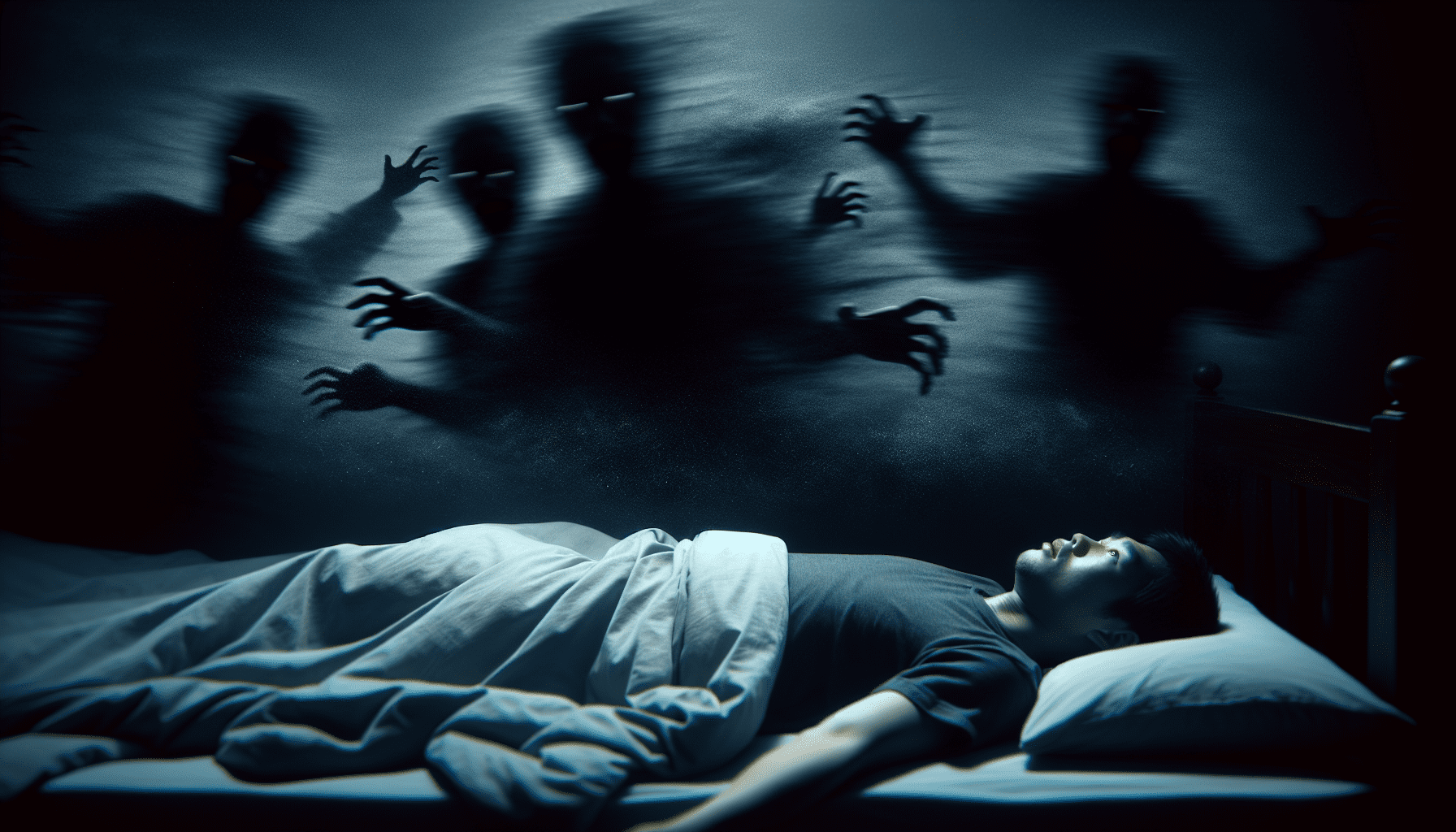
One of the primary symptoms of sleep paralysis is the inability to move or speak. You may find yourself fully conscious and aware of your surroundings, yet unable to control your body or vocalize. This sensation of being completely paralyzed can be extremely distressing and may lead to feelings of panic or fear.
Feeling of pressure on chest
Many individuals with sleep paralysis experience a feeling of pressure on their chest during episodes. This sensation can be accompanied by difficulty breathing or a sense of being suffocated. The pressure on the chest may give the impression of a heavy weight pressing down, further exacerbating the feelings of helplessness.
Hallucinations
Hallucinations are another common symptom of sleep paralysis. These hallucinations can be visual, auditory, or tactile in nature. Visual hallucinations may manifest as shadowy figures, shapes, or menacing entities in the room. Auditory hallucinations often involve hearing voices, whispers, or strange sounds. Tactile hallucinations can include sensations of being touched, grabbed, or even pulled out of bed by unseen forces. These hallucinations can be extremely vivid and can add to the fear and anxiety experienced during sleep paralysis episodes.

Types of Sleep Paralysis
Isolated sleep paralysis
Isolated sleep paralysis refers to a single episode or sporadic occurrences of sleep paralysis. These episodes are not associated with any underlying sleep disorders and are usually unrelated to other medical or psychological conditions. Isolated sleep paralysis can occur at any age and is relatively common.
Recurrent isolated sleep paralysis
Recurrent isolated sleep paralysis is characterized by recurring episodes of sleep paralysis that happen regularly. Unlike isolated sleep paralysis, recurrent episodes may be associated with underlying sleep disorders or other medical conditions. It is important to seek medical evaluation if you experience recurrent episodes of sleep paralysis, as underlying conditions may require treatment.
Episodes associated with narcolepsy
Sleep paralysis is often associated with narcolepsy, a neurological sleep disorder characterized by excessive daytime sleepiness and sudden loss of muscle control. For individuals with narcolepsy, sleep paralysis can be a frequent occurrence and may be one of the earliest signs of the disorder. If you experience sleep paralysis along with excessive daytime sleepiness and other symptoms of narcolepsy, it is essential to consult a sleep specialist for evaluation and diagnosis.
Impact of Sleep Paralysis on Daily Functioning
Daytime sleepiness
One of the most significant impacts of sleep paralysis is the resulting daytime sleepiness. As sleep paralysis can disrupt the natural sleep-wake cycle and prevent restful sleep, individuals often experience excessive daytime sleepiness. This can make it challenging to stay awake and alert during the day, leading to decreased productivity and difficulties in carrying out daily activities.
Reduced cognitive performance
Sleep paralysis can also have a negative impact on cognitive performance. The lack of quality sleep and disrupted sleep patterns associated with sleep paralysis can impair cognitive functions such as memory, concentration, and decision-making. This can affect performance at work or school and may lead to difficulties in completing tasks that require mental focus and clarity.
Impaired mood and emotional functioning
Sleep paralysis can take a toll on emotional well-being as well. The fear and anxiety experienced during episodes can lead to increased levels of stress and emotional distress. The lingering effects of these negative emotions can impact mood, leading to irritability, mood swings, and an overall decrease in emotional well-being.
Effects of Sleep Paralysis on Mental Health
Increased risk of anxiety disorders
Research suggests that sleep paralysis may increase the risk of developing anxiety disorders. The intense fear and panic experienced during episodes can contribute to the development of generalized anxiety disorder, social anxiety disorder, or panic disorder. Individuals who have a history of anxiety may also be more prone to experiencing sleep paralysis.
Association with depression
There is also a significant association between sleep paralysis and depression. The distressing nature of the episodes, coupled with the sleep disruptions and daytime exhaustion, can contribute to the development or worsening of depressive symptoms. It is important for individuals experiencing sleep paralysis and depressive symptoms to seek professional help for proper assessment and treatment.
Impact on overall mental well-being
Sleep paralysis can have a profound impact on overall mental well-being. The combination of fear, anxiety, and disrupted sleep can lead to chronic stress, decreased quality of life, and feelings of helplessness and frustration. It is essential to address the impact of sleep paralysis on mental health to ensure overall well-being and a better quality of life.
Managing Sleep Paralysis
Improving Sleep Hygiene
Practicing good sleep hygiene is essential for managing sleep paralysis. Establishing a relaxing bedtime routine, keeping the bedroom dark and quiet, and avoiding electronic devices before bed can help promote better sleep. Additionally, creating a comfortable sleep environment with a supportive mattress and pillow can improve sleep quality and reduce the likelihood of sleep paralysis episodes.
Adopting a regular sleep schedule
Maintaining a regular sleep schedule is crucial in managing sleep paralysis. Going to bed and waking up at the same time every day helps regulate the sleep-wake cycle, reducing the occurrence of sleep paralysis. Consistency in sleep patterns promotes better overall sleep quality and can minimize the disruption caused by sleep paralysis.
Reducing stress levels
Stress can be a major trigger for sleep paralysis episodes. Engaging in stress-reducing activities such as exercise, meditation, and relaxation techniques can help manage stress levels and potentially minimize the frequency of sleep paralysis. It is also important to identify and address sources of stress in your life, whether through therapy, support groups, or lifestyle changes.
Seeking Professional Help
Consulting a sleep specialist
If sleep paralysis episodes become frequent or significantly impact daily functioning, it is advisable to consult a sleep specialist. A sleep specialist can assess the underlying causes of sleep paralysis, conduct sleep studies if necessary, and develop a personalized treatment plan based on your specific needs. They can also provide guidance on managing any associated sleep disorders or underlying medical conditions.
Exploring treatment options
Treatment options for sleep paralysis depend on the underlying causes and individual circumstances. In some cases, addressing any sleep disorders or physical conditions may alleviate the frequency of sleep paralysis episodes. Additionally, medications may be prescribed to help regulate sleep patterns and decrease the occurrence of sleep paralysis. Cognitive-behavioral therapy (CBT) can also be beneficial in managing the anxiety and fear associated with sleep paralysis.
Tips for Dealing with Sleep Paralysis
Relaxation techniques
Learning and practicing relaxation techniques can be helpful in managing sleep paralysis. Techniques such as deep breathing exercises, progressive muscle relaxation, and guided imagery can help reduce anxiety and promote relaxation, potentially minimizing the intensity and duration of sleep paralysis episodes.
Keeping a sleep diary
Keeping a sleep diary can provide valuable insights into sleep patterns and potential triggers for sleep paralysis. Recording information such as bedtime routines, sleep duration, and any significant events or emotions before sleep can help identify patterns or factors that contribute to sleep paralysis. This information can then be used to make necessary adjustments and improve sleep quality.
Avoiding sleep deprivation
Maintaining adequate sleep is essential in managing sleep paralysis. Avoiding sleep deprivation by prioritizing sufficient sleep duration is crucial. It is important to establish a consistent sleep schedule and create a sleep-conducive environment to ensure a restful night’s sleep and minimize the risk of sleep paralysis.
Supportive Strategies for Sleep Paralysis
Educating family and friends
Educating family and friends about sleep paralysis can be beneficial in building a supportive network. By explaining the nature of sleep paralysis and the effects on daily functioning, loved ones can better understand and provide necessary support during episodes, reducing feelings of isolation and anxiety.
Joining support groups
Joining support groups or seeking online communities can offer individuals with sleep paralysis a safe space to share their experiences and connect with others who can relate to their struggles. Support groups provide an opportunity to gain insights, share coping strategies, and find comfort in knowing you are not alone in your experiences.
Managing anxiety and fear
Managing anxiety and fear associated with sleep paralysis is crucial for overall well-being. Engaging in stress-reducing activities, practicing relaxation techniques, and seeking therapy can help individuals develop coping mechanisms to navigate the emotional challenges posed by sleep paralysis.
Conclusion
Sleep paralysis can be a frightening and disruptive experience, but it is essential to remember that it is a relatively common phenomenon that can be managed. By understanding the causes and symptoms of sleep paralysis, seeking professional help when necessary, and implementing strategies to improve sleep hygiene and reduce stress, it is possible to alleviate the impact of sleep paralysis on daily functioning and overall well-being. Remember, you are not alone in your experiences, and there are resources and support available to help you navigate sleep paralysis with resilience and control.