Have you ever experienced the unsettling feeling of being awake but unable to move, as if a dark presence is holding you down? This phenomenon, known as sleep paralysis, can be a frightening and disorienting experience. In this article, we will explore the causes of sleep paralysis, its symptoms, and most importantly, how you can find hope and relief amidst the darkness.

Understanding Sleep Paralysis
Sleep paralysis is a temporary inability to move or speak that occurs when you are waking up from sleep or falling asleep. It often occurs during the transition between sleep and wakefulness, leaving you conscious but unable to move your muscles. This experience can be accompanied by hallucinations and a feeling of pressure on your chest, leading to a sense of fear and helplessness.
The Science Behind Sleep Paralysis
When you enter REM (rapid eye movement) sleep, your body becomes paralyzed to prevent you from acting out your dreams. In people with sleep paralysis, this paralysis persists even when they are awake, resulting in the sensation of being unable to move. It is believed that sleep paralysis is caused by disrupted REM sleep patterns, stress, sleep deprivation, or underlying sleep disorders.
Common Symptoms of Sleep Paralysis
- Inability to move or speak
- Feeling of pressure on the chest
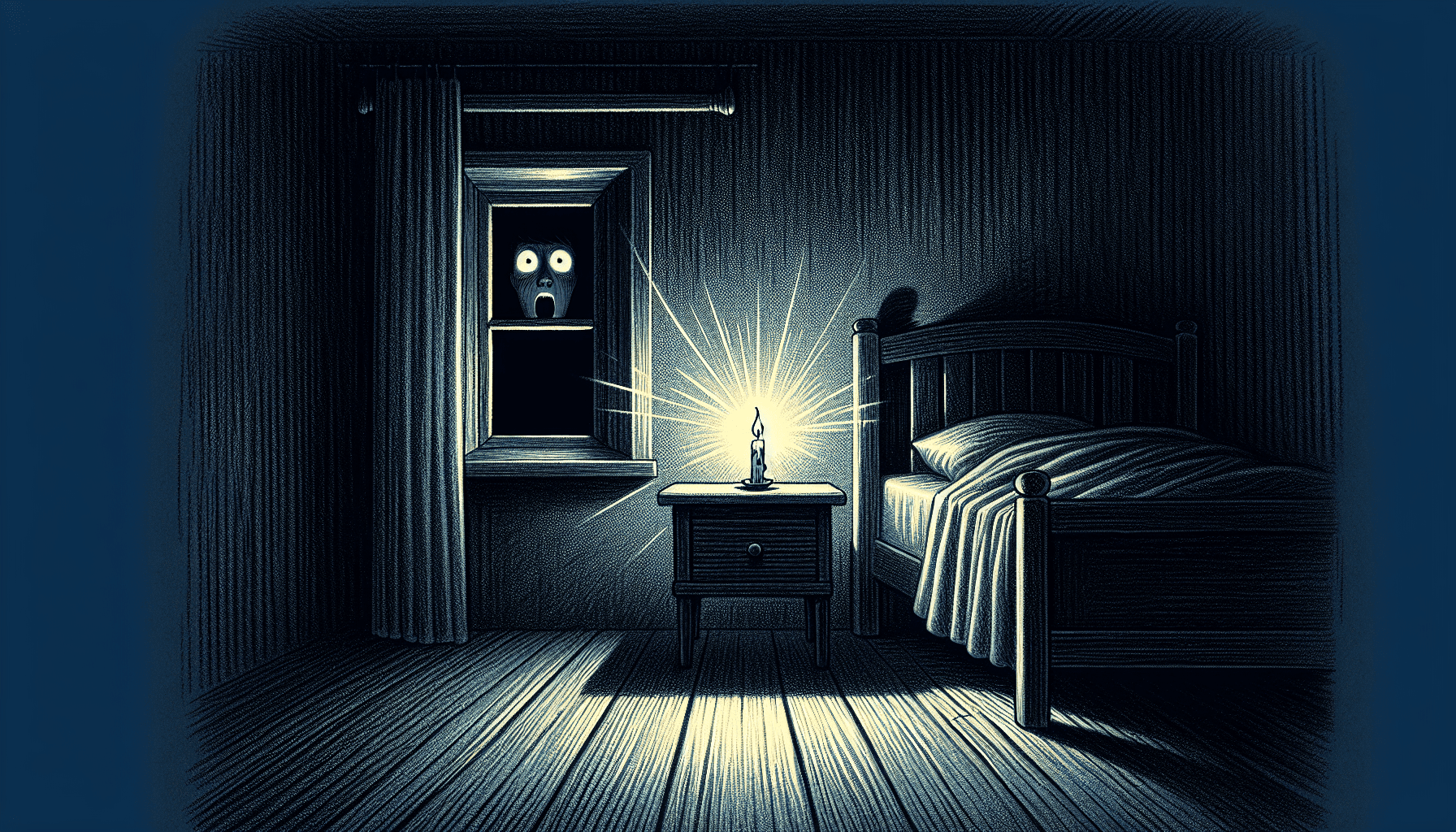
- Hallucinations, such as seeing shadowy figures or hearing strange noises
- Sense of fear or impending doom
Coping with Sleep Paralysis
While sleep paralysis can be a frightening experience, there are strategies you can employ to cope with and even prevent it from occurring. By implementing healthy sleep habits and addressing underlying stress or anxiety, you can find relief from the darkness of sleep paralysis.
Establishing a Consistent Sleep Schedule
Maintaining a regular sleep schedule is essential for ensuring quality rest and reducing the likelihood of experiencing sleep paralysis. Aim to go to bed and wake up at the same time each day, even on weekends, to regulate your sleep-wake cycle and promote restful sleep.
| Monday | Tuesday | Wednesday |
|---|---|---|
| 10:00 pm | 10:00 pm | 10:00 pm |
| Wake up at | Wake up at | Wake up at |
| 6:00 am | 6:00 am | 6:00 am |
Creating a Sleep-Inducing Environment
Design your bedroom to promote restful sleep by minimizing distractions and creating a calming atmosphere. Keep your room cool, dark, and quiet, and invest in a comfortable mattress and pillows to ensure optimal comfort. Consider using white noise machines or earplugs to block out external sounds that may disrupt your sleep.
Managing Stress and Anxiety
Stress and anxiety can exacerbate sleep paralysis, making it essential to practice stress-reducing techniques to calm your mind and body before bed. Engage in relaxation exercises, such as deep breathing or meditation, to alleviate tension and promote a sense of calmness. Additionally, consider talking to a therapist or counselor to address underlying emotional issues that may be contributing to your sleep disturbances.

Seeking Professional Help
If you continue to experience sleep paralysis despite implementing coping strategies, it may be beneficial to seek help from a healthcare professional. A sleep specialist can evaluate your symptoms, conduct a sleep study if necessary, and provide personalized treatment options to address your specific sleep-related issues.
Medical Treatments for Sleep Paralysis
In some cases, medical interventions may be recommended to manage sleep paralysis effectively. Your healthcare provider may prescribe medications to regulate your sleep patterns, such as antidepressants or anti-anxiety medications. Additionally, therapy techniques, such as cognitive-behavioral therapy for insomnia (CBT-I), can help improve your sleep quality and reduce the frequency of sleep paralysis episodes.
Alternative Therapies for Sleep Paralysis
Complementary therapies, such as acupuncture, yoga, or hypnotherapy, may also be beneficial in managing sleep paralysis symptoms. These holistic approaches can address underlying imbalances in your body and promote relaxation, helping you achieve a more restful night’s sleep without the occurrence of sleep paralysis.

Finding Hope Amidst the Darkness
While sleep paralysis can be a distressing experience, it is essential to remember that you are not alone in facing this challenge. By understanding the causes of sleep paralysis, implementing coping strategies, and seeking professional help when needed, you can find hope and relief amidst the darkness of this phenomenon.
Connecting with Others
Reach out to friends, family members, or online support groups to share your experiences and gain perspective on managing sleep paralysis. Connecting with others who have gone through similar challenges can provide you with valuable insights and emotional support, reminding you that you are not alone in your journey towards better sleep health.
Practicing Self-Care
Self-care is crucial for maintaining your overall well-being and resilience in the face of sleep paralysis. Take time to prioritize activities that bring you joy and relaxation, such as engaging in hobbies, spending time in nature, or practicing mindfulness. By nurturing your mind, body, and spirit, you can cultivate a sense of hope and empowerment in navigating the darkness of sleep paralysis.
Conclusion
As you navigate the darkness of sleep paralysis, remember that finding hope and relief is possible with the right strategies and support. By understanding the underlying causes of sleep paralysis, implementing healthy sleep habits, and seeking professional help when needed, you can overcome the challenges of this phenomenon and achieve restful, rejuvenating sleep. Remember that you are not alone in your journey, and with perseverance and self-care, you can find light amidst the darkness of sleep paralysis.