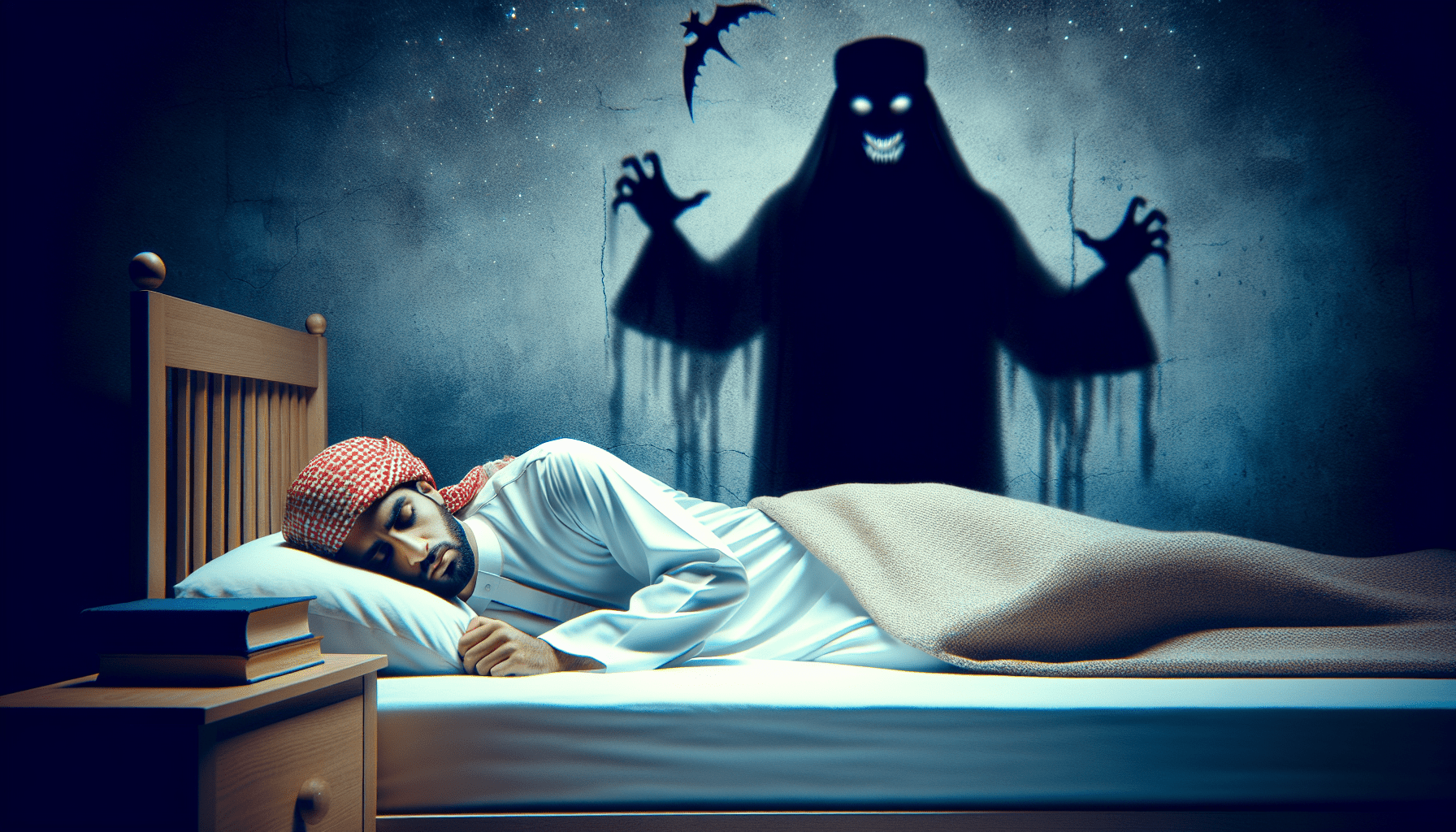
Have you ever experienced the unsettling sensation of being awake but unable to move, feeling a heavy weight pressing down on your chest, or seeing shadowy figures lurking in the corners of your room? If so, you may have experienced sleep paralysis. Despite being a relatively common phenomenon, sleep paralysis is often misunderstood and surrounded by myths. In this article, we will debunk some of the most common misconceptions about sleep paralysis and provide you with valuable information to help you better understand this peculiar sleep phenomenon.
What is Sleep Paralysis?
Sleep paralysis is a temporary inability to move or speak that occurs when you are falling asleep or waking up. During an episode of sleep paralysis, your mind is awake but your body is still in a state of sleep, resulting in the sensation of being paralyzed. This can be a frightening experience, as you may feel as though you are trapped in your own body, unable to move or call out for help.
What Causes Sleep Paralysis?
There are several factors that can contribute to the occurrence of sleep paralysis. One of the primary causes is disrupted sleep patterns, such as irregular sleep schedules or sleep deprivation. Stress and anxiety can also play a significant role in triggering episodes of sleep paralysis. Additionally, certain sleep disorders, such as narcolepsy, have been associated with an increased likelihood of experiencing sleep paralysis.

Common Myths About Sleep Paralysis
Now that we have a better understanding of what sleep paralysis is and what can cause it, let’s debunk some of the most prevalent myths surrounding this phenomenon.
Myth #1: Sleep Paralysis is a Sign of a Paranormal Experience
One of the most common misconceptions about sleep paralysis is that it is a result of paranormal activity or the presence of malevolent spirits. In reality, sleep paralysis is a well-documented physiological phenomenon that occurs due to the unique state of the brain and body during the sleep-wake transition. While the experience of sleep paralysis can be unsettling and even terrifying, it is not a sign of supernatural activity.
Myth #2: Sleep Paralysis is Harmful to Your Health
Another myth about sleep paralysis is that it is harmful to your health and can have long-term negative effects on your well-being. While experiencing sleep paralysis can be distressing, it is generally not a dangerous or harmful condition. Most episodes of sleep paralysis last only a few seconds to a few minutes and do not result in any lasting physical harm. However, chronic sleep paralysis or frequent episodes can contribute to sleep disturbances and have a negative impact on your overall sleep quality.
Myth #3: Sleep Paralysis Only Happens When You Sleep on Your Back
Some people believe that sleep paralysis only occurs when you sleep on your back. While it is true that sleeping in a supine position (on your back) can increase the likelihood of experiencing sleep paralysis, it can also occur in other sleeping positions. The key factor in the occurrence of sleep paralysis is the disruption of the normal sleep cycle, rather than the specific sleeping position.
Myth #4: You Can Die From Sleep Paralysis
A particularly alarming myth about sleep paralysis is that it can result in death. This misconception likely arises from the intense fear and panic that can accompany an episode of sleep paralysis. While the experience of being paralyzed and unable to move can be distressing, there is no evidence to suggest that sleep paralysis can lead to death. It is important to remember that sleep paralysis is a temporary and reversible condition that poses no serious threat to your health.
Myth #5: Sleep Paralysis is a Rare Phenomenon
Contrary to popular belief, sleep paralysis is not a rare phenomenon. In fact, research suggests that approximately 8% of the population experiences sleep paralysis at some point in their lives. While the frequency and severity of episodes can vary from person to person, sleep paralysis is relatively common and occurs in a significant proportion of the population.
Coping Strategies for Sleep Paralysis
If you have experienced sleep paralysis or are concerned about experiencing it in the future, there are several coping strategies you can use to help manage and reduce the likelihood of episodes.
Maintain a Regular Sleep Schedule
Establishing a consistent sleep schedule can help regulate your sleep-wake cycle and reduce the likelihood of experiencing disrupted sleep patterns that can trigger sleep paralysis. Aim to go to bed and wake up at the same time every day, even on weekends, to help maintain a healthy sleep routine.
Reduce Stress and Anxiety
Stress and anxiety are common triggers for sleep paralysis, so finding effective ways to manage and reduce stress in your daily life can help alleviate symptoms. Practice relaxation techniques such as deep breathing, meditation, or yoga to help calm your mind and body before bedtime.
Improve Sleep Environment
Creating a comfortable and conducive sleep environment can promote better sleep quality and reduce the likelihood of experiencing sleep paralysis. Ensure your bedroom is dark, quiet, and at a comfortable temperature to promote restful sleep. Invest in a supportive mattress and pillows to enhance your sleeping comfort.
Seek Professional Help
If you are experiencing frequent or distressing episodes of sleep paralysis, consider seeking professional help from a sleep specialist or healthcare provider. They can help diagnose any underlying sleep disorders or conditions that may be contributing to your symptoms and recommend appropriate treatment options to help alleviate sleep paralysis.

Conclusion
Sleep paralysis is a mysterious and often misunderstood phenomenon that can be a frightening experience for those who have experienced it. By debunking common myths and misconceptions about sleep paralysis, we can gain a better understanding of this peculiar sleep phenomenon and learn how to cope with it effectively. By implementing strategies such as maintaining a regular sleep schedule, reducing stress and anxiety, and creating a conducive sleep environment, you can help manage sleep paralysis and improve your overall sleep quality. Remember, sleep paralysis is a common and generally harmless condition that can be effectively managed with the right knowledge and coping mechanisms. Next time you find yourself unable to move or speak upon waking, rest assured that you are not alone in experiencing this peculiar sleep phenomenon.