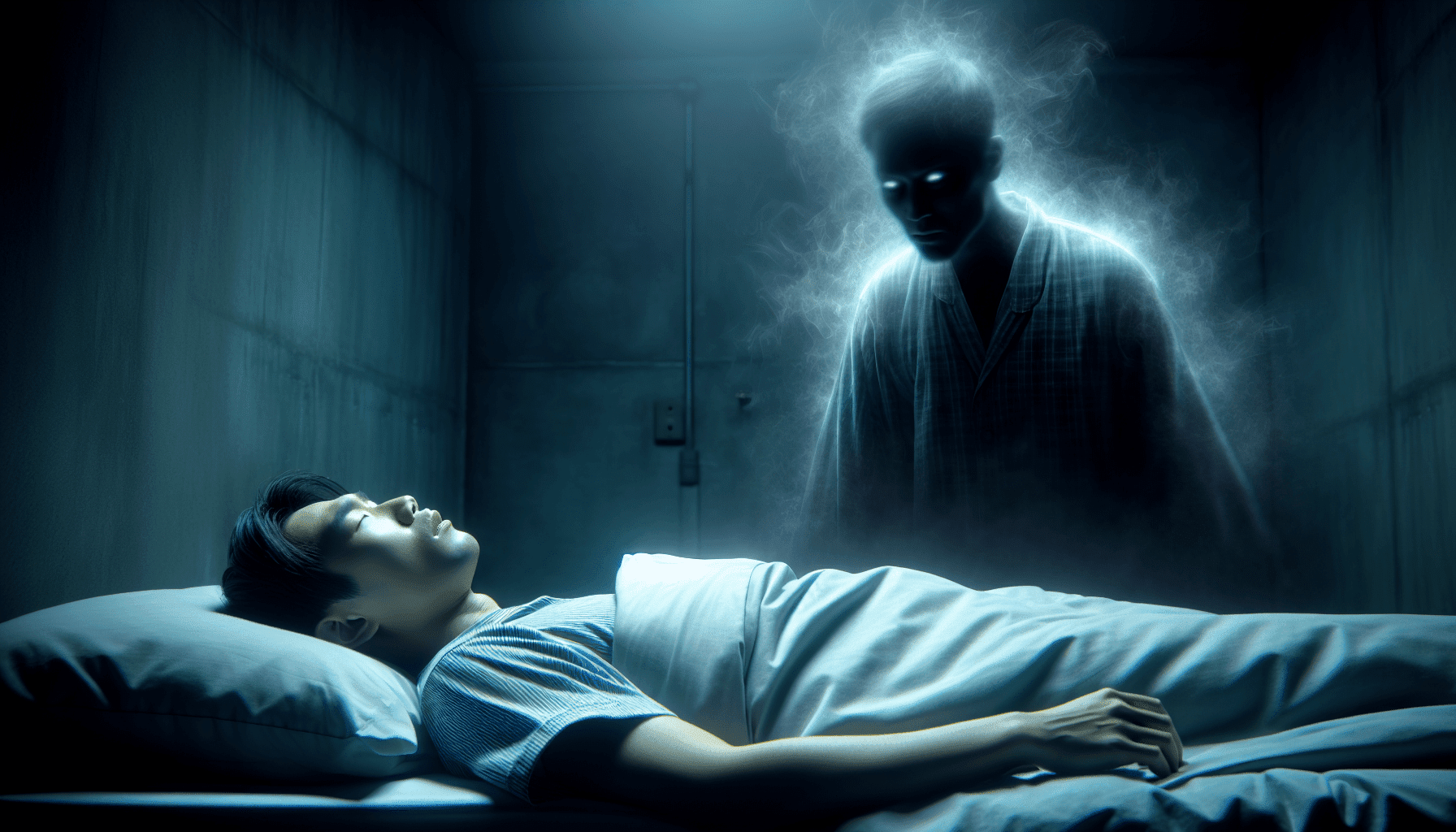
Have you ever experienced the terrifying phenomenon of sleep paralysis? If so, you’re not alone. Many people have encountered the feeling of being awake but unable to move or speak, often accompanied by frightening hallucinations. Despite the fear and anxiety that sleep paralysis can bring, there may be a silver lining to this mysterious occurrence in your life. Let’s explore how sleep paralysis can actually benefit you and how to cope with it effectively.

Understanding Sleep Paralysis
Sleep paralysis is a temporary inability to move or speak that happens when you’re waking up or falling asleep. It can vary in duration, lasting from a few seconds to a few minutes. During an episode of sleep paralysis, you may feel like you’re fully conscious but unable to move your body. This phenomenon is often accompanied by vivid hallucinations, feelings of pressure on your chest, or even the sensation of being touched or held down by an unseen force.
What Causes Sleep Paralysis?
Sleep paralysis occurs when there is a disruption in your REM (rapid eye movement) sleep cycle. During REM sleep, your brain is active, but your muscles are temporarily paralyzed to prevent you from acting out your dreams. When you experience sleep paralysis, your mind wakes up before your body fully comes out of REM sleep, resulting in the feeling of being paralyzed.
How Common Is Sleep Paralysis?
Sleep paralysis is more common than you might think. Studies suggest that approximately 8% of the population experiences sleep paralysis at least once in their lifetime. It can affect people of all ages, but it is most commonly reported in teenagers and young adults.
The Silver Lining of Sleep Paralysis
While sleep paralysis can be a frightening and unsettling experience, there may be a silver lining to this phenomenon in your life. By exploring the potential benefits of sleep paralysis, you can learn to cope with and even embrace this unique aspect of your sleep cycle.
Increased Awareness and Lucid Dreaming
One potential benefit of experiencing sleep paralysis is an increased awareness of your dream state. Some people who regularly experience sleep paralysis report being able to recognize when they are dreaming and even achieve lucid dreaming, where they can control their dreams. This heightened sense of awareness can lead to more vivid and memorable dream experiences.
Spiritual and Transcendental Experiences
For some individuals, sleep paralysis can be a gateway to spiritual or transcendental experiences. During episodes of sleep paralysis, people may report feeling a strong presence or connection to something beyond the physical realm. These experiences can be profound and transformative, leading to a deeper understanding of oneself and the universe.
Creative Inspiration
Sleep paralysis can also be a source of creative inspiration for artists, writers, and musicians. The intense and surreal nature of sleep paralysis hallucinations can spark creativity and new ideas. By channeling these experiences into their work, individuals may find a unique and innovative way to express themselves.
Overcoming Fear and Anxiety
While the fear and anxiety associated with sleep paralysis can be overwhelming, learning to cope with these emotions can lead to personal growth and resilience. By facing your fears and understanding the root causes of your anxiety, you can develop coping strategies that will not only help you manage sleep paralysis but also enhance your overall well-being.

Coping with Sleep Paralysis
If you regularly experience sleep paralysis and find it distressing, there are several ways to cope with and reduce the frequency of episodes. By implementing these strategies, you can take control of your sleep paralysis and turn it into a less frightening and more manageable experience.
Establish a Consistent Sleep Schedule
Maintaining a regular sleep schedule is essential for managing sleep paralysis. Aim to go to bed and wake up at the same time each day, even on weekends. By creating a consistent sleep routine, you can improve the quality of your sleep and reduce the likelihood of experiencing sleep paralysis episodes.
Improve Sleep Hygiene
Good sleep hygiene practices can help prevent sleep paralysis and promote better overall sleep quality. Create a relaxing bedtime routine, avoid caffeine and electronics before bed, and ensure your sleep environment is quiet, dark, and comfortable. Practicing good sleep hygiene can improve your sleep patterns and reduce the occurrence of sleep paralysis.
Reduce Stress and Anxiety
Stress and anxiety can exacerbate sleep paralysis episodes, so finding ways to reduce your stress levels is crucial. Engage in relaxation techniques such as deep breathing, meditation, or yoga to calm your mind and body before bedtime. By managing your stress and anxiety, you can create a more peaceful sleep environment and lessen the impact of sleep paralysis.
Seek Professional Help
If you’re struggling to cope with sleep paralysis on your own, don’t hesitate to seek help from a healthcare professional. A sleep specialist or therapist can provide personalized strategies and treatments to help you manage sleep paralysis and address any underlying sleep disorders or mental health issues contributing to your symptoms.

Conclusion
While sleep paralysis can be a frightening and unsettling experience, there may be a silver lining to this phenomenon in your life. By understanding the potential benefits of sleep paralysis, such as increased awareness, spiritual experiences, and creative inspiration, you can learn to cope with and even embrace this unique aspect of your sleep cycle. By implementing coping strategies and seeking professional help if needed, you can take control of your sleep paralysis and turn it into a less terrifying and more manageable experience. Remember, you are not alone in your journey to overcome sleep paralysis, and there is support available to help you navigate this mysterious aspect of your sleep.