
In order to understand the causes of sleep paralysis, it is essential to delve into the intricate workings of the human brain during sleep. Sleep paralysis occurs when there is a disruption in the normal transition between different stages of sleep, particularly during the REM (rapid eye movement) stage. During REM sleep, the body typically becomes paralyzed to prevent physical actions from occurring in response to vivid dreams. However, in cases of sleep paralysis, this paralysis can persist even after waking up, leading to feelings of helplessness and fear. Factors such as stress, disrupted sleep patterns, and underlying mental health conditions can contribute to the occurrence of sleep paralysis. By exploring these various factors, a clearer understanding of this phenomenon can be attained. What Causes Sleep Paralysis?
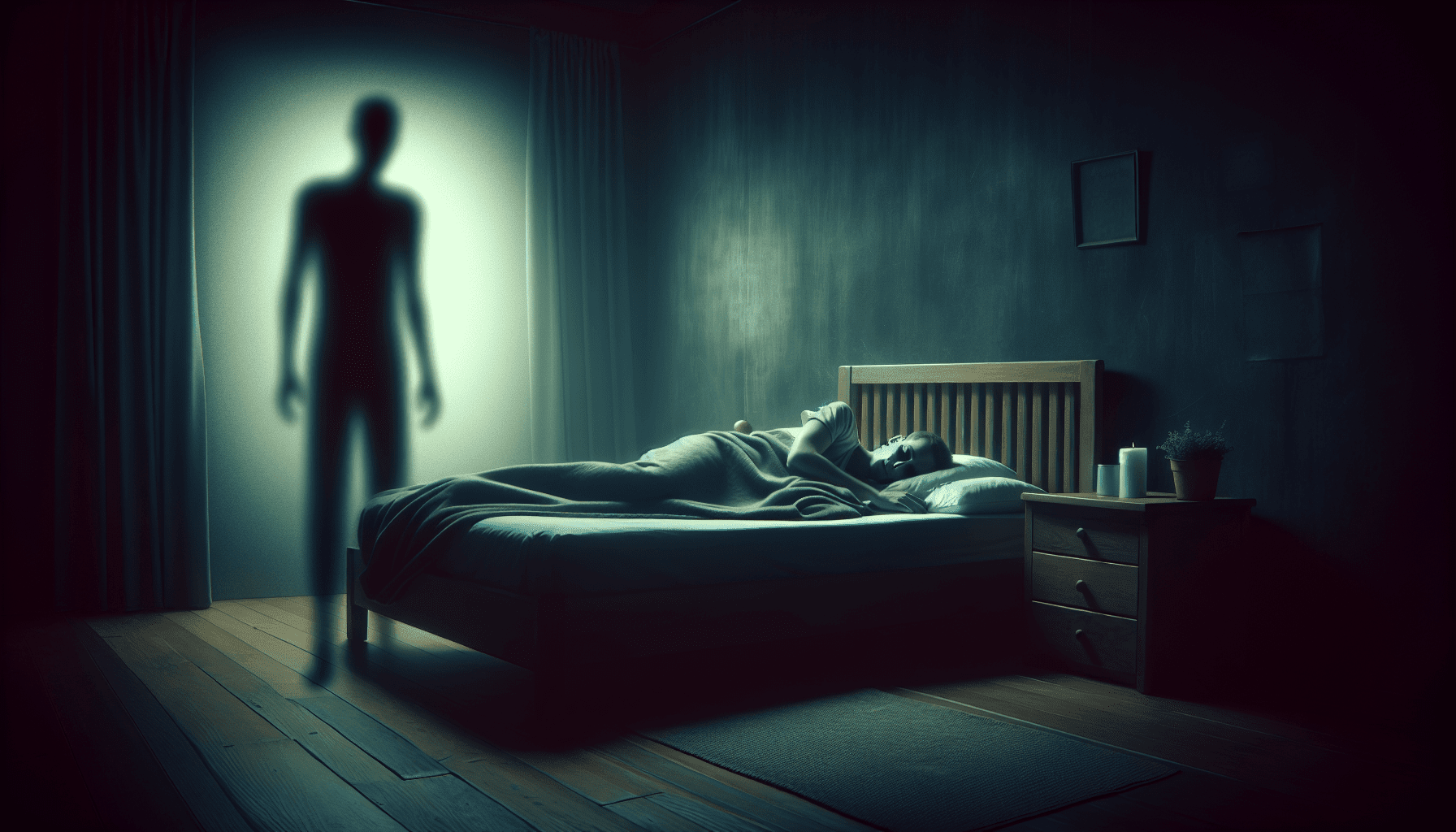
Have you ever woken up from a deep sleep unable to move, feeling like there is an invisible weight on your chest? You may have experienced sleep paralysis, a phenomenon that can be terrifying and confusing. In this article, we will explore the various causes of sleep paralysis and shed light on this mysterious experience.
Understanding Sleep Paralysis
Sleep paralysis is a phenomenon that occurs when a person wakes up but is unable to move or speak. It often occurs during the transition from sleep to wakefulness or vice versa. People who experience sleep paralysis may also report feeling pressure on their chest, hallucinations, or a sense of impending doom. While sleep paralysis is usually harmless and temporary, it can be quite frightening for those who experience it.
Types of Sleep Paralysis
There are two main types of sleep paralysis: isolated sleep paralysis and recurrent isolated sleep paralysis. Isolated sleep paralysis occurs sporadically and is not associated with any underlying sleep disorders. Recurrent isolated sleep paralysis, on the other hand, is when a person experiences episodes of sleep paralysis repeatedly over time. This type of sleep paralysis may be associated with other sleep disorders such as narcolepsy.
Isolated Sleep Paralysis
Isolated sleep paralysis typically occurs during periods of disrupted sleep, such as when a person is sleep-deprived or jet-lagged. Stress and anxiety can also trigger isolated sleep paralysis. People who have irregular sleep schedules or who work night shifts may be more prone to experiencing isolated sleep paralysis.
Recurrent Isolated Sleep Paralysis
Recurrent isolated sleep paralysis is more common in people with narcolepsy, a chronic sleep disorder characterized by excessive daytime sleepiness and sudden episodes of sleep. People with narcolepsy often experience sleep paralysis as they fall asleep or wake up. Those who have a family history of narcolepsy may be at a higher risk for recurrent isolated sleep paralysis.
Potential Causes of Sleep Paralysis
There are several factors that may contribute to the occurrence of sleep paralysis, including:
- Disrupted Sleep Patterns: Irregular sleep schedules, jet lag, and sleep deprivation can disrupt the sleep-wake cycle, making it more likely for sleep paralysis to occur.
- Stress and Anxiety: High levels of stress and anxiety can trigger episodes of sleep paralysis, as the body and mind are unable to fully relax during sleep.
- Narcolepsy: People with narcolepsy are more likely to experience sleep paralysis, as the disorder is characterized by disruptions in the REM sleep cycle.
- Family History: Genetics may play a role in the development of sleep paralysis, especially in cases of recurrent isolated sleep paralysis.
- Sleep Disorders: Other sleep disorders, such as insomnia, obstructive sleep apnea, and restless leg syndrome, may increase the risk of experiencing sleep paralysis.
Other Potential Causes
In addition to the factors mentioned above, there are other potential causes of sleep paralysis that have been identified by researchers. These include:
- Hypnagogic and Hypnopompic Hallucinations: These hallucinations occur when a person is falling asleep or waking up and may be associated with sleep paralysis.
- Brainstem Dysfunction: Dysfunction in the brainstem, the area of the brain that controls basic functions such as breathing and heart rate, may contribute to the occurrence of sleep paralysis.
- Sensory Deprivation: In some cases, sleep paralysis may be triggered by sensory deprivation, such as sleeping in a dark, quiet room with minimal sensory input.
- Medication: Certain medications, such as antidepressants and stimulants, may increase the risk of experiencing sleep paralysis.
Diagnosing Sleep Paralysis
If you suspect that you are experiencing sleep paralysis, it is important to consult with a medical professional for a proper diagnosis. A doctor may ask you about your sleep patterns, medical history, and any other symptoms you may be experiencing. In some cases, a sleep study may be recommended to monitor your sleep cycles and determine if there are any underlying sleep disorders contributing to your symptoms.
Treatment Options
Treatment for sleep paralysis usually focuses on improving sleep hygiene and managing underlying sleep disorders. Some treatment options that may be recommended by a doctor include:
- Improving Sleep Hygiene: Establishing a regular sleep schedule, creating a comfortable sleep environment, and practicing relaxation techniques may help reduce the frequency of sleep paralysis episodes.
- Medication: In some cases, medication may be prescribed to help regulate sleep cycles and reduce the risk of sleep paralysis.
- Therapy: Cognitive-behavioral therapy (CBT) may be helpful in managing stress and anxiety, which can trigger episodes of sleep paralysis.
Coping with Sleep Paralysis
If you experience sleep paralysis, there are several coping strategies that may help you manage the symptoms and reduce anxiety associated with the experience. These strategies include:
- Stay Calm: Remember that sleep paralysis is a temporary and harmless phenomenon. Stay calm and try to focus on deep breathing to help relax your body.
- Focus on Movement: If you are able to move a finger or toe, focus on that movement to help break the paralysis and transition back to a fully awake state.
- Establish a Sleep Routine: Creating a consistent sleep routine and practicing good sleep hygiene can help reduce the risk of experiencing sleep paralysis.
- Seek Support: If you are struggling to cope with sleep paralysis, consider talking to a therapist or joining a support group for people who have similar experiences.
Conclusion
Sleep paralysis is a mysterious and often frightening experience that can be triggered by a variety of factors, including disrupted sleep patterns, stress, and underlying sleep disorders. By understanding the potential causes of sleep paralysis and implementing coping strategies, you can learn to manage the symptoms and reduce the frequency of episodes. If you continue to experience sleep paralysis despite trying various coping strategies, it is important to consult with a medical professional to rule out any underlying sleep disorders and explore treatment options.