
Imagine lying in bed, unable to move or speak, with a heavy weight pressing down on your chest. You try to scream, but no sound escapes your mouth. This terrifying experience is known as sleep paralysis, a phenomenon that affects many individuals around the world. In my personal journey to understanding sleep paralysis, I’ve delved into the science behind it, explored different coping strategies, and connected with others who have experienced it. Through this journey, I have gained a newfound appreciation for the complexities of the human mind and the importance of a good night’s sleep.
What is Sleep Paralysis?
Definition and symptoms
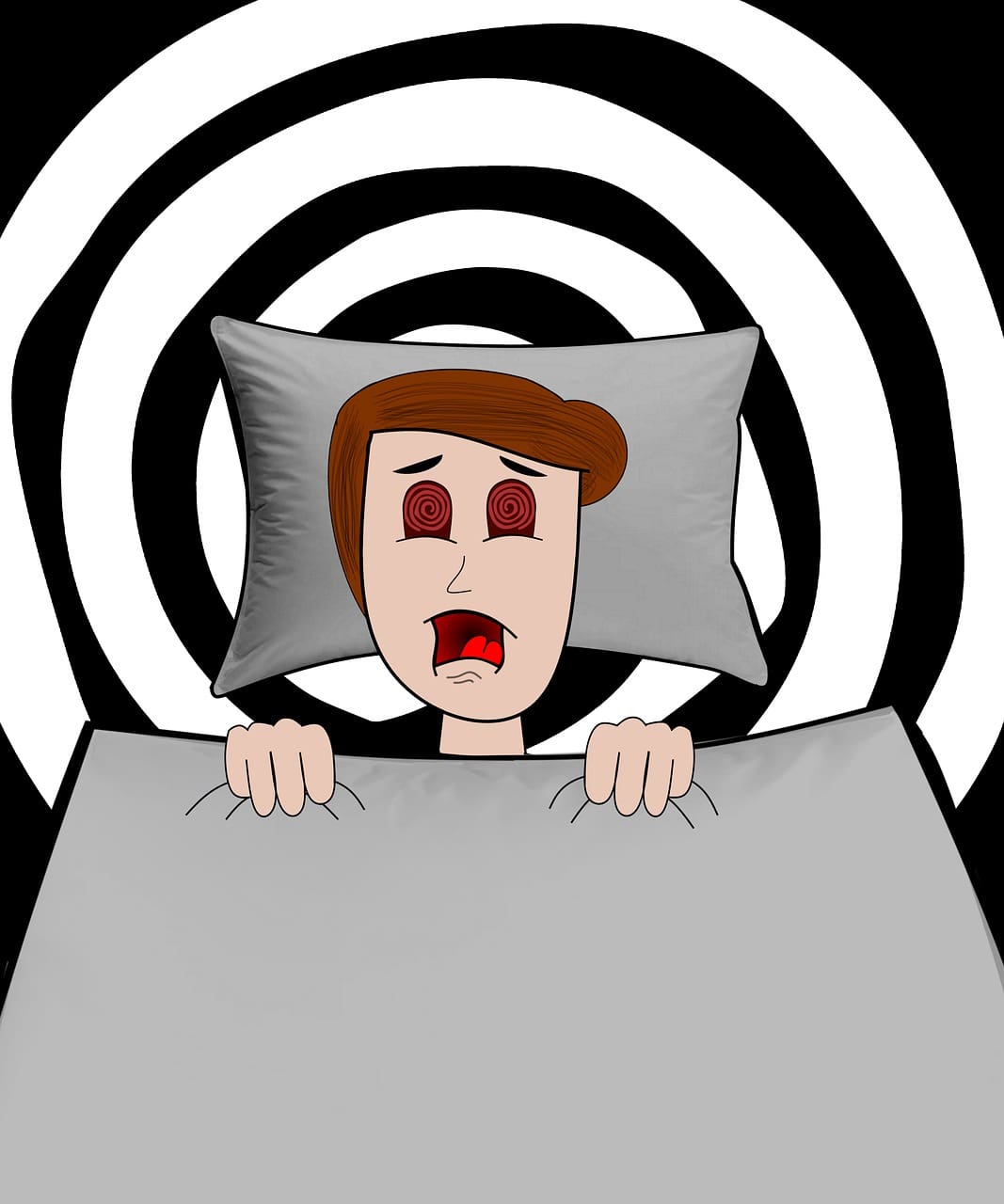
Sleep paralysis is a phenomenon that occurs when you find yourself temporarily unable to move or speak despite being fully conscious. It can be a terrifying experience, as you may feel trapped within your own body. During sleep paralysis, you may also experience hallucinations, a sense of pressure on your chest, or a feeling of being watched.
Prevalence and causes
Sleep paralysis is more common than you might think. It is estimated that around 8% of the general population experiences sleep paralysis at some point in their lives. It can occur in people of all ages, but it is most commonly reported in individuals between the ages of 20 and 40.
The exact cause of sleep paralysis is not fully understood, but there are several factors that have been linked to its occurrence. These include disrupted sleep patterns, sleep deprivation, irregular sleep schedule, and a family history of sleep paralysis. It is also more likely to occur in individuals with conditions such as narcolepsy or sleep apnea.
Personal Experience with Sleep Paralysis
First encounter and confusion
When you first experience sleep paralysis, it can be a bewildering and frightening experience. At first, you may not even realize what is happening to you. You may find yourself unable to move or speak, and the fear and confusion can be overwhelming.
Frequency and intensity
For some individuals, sleep paralysis may be a one-time occurrence, while for others, it may happen more frequently. The intensity of the experience can also vary. Some people may only have mild episodes, while others may find themselves experiencing prolonged periods of immobility and hallucinations.
Researching Sleep Paralysis
Online articles and forums
Once you become aware of sleep paralysis and its potential causes, you may turn to the internet to learn more about it. Online articles and forums can provide a wealth of information and personal experiences from others who have gone through similar encounters. These online resources can be both informative and comforting, helping you understand that you are not alone in your experiences.
Professional consultations
While online research can be helpful, it is essential to consult with medical professionals as well. Sleep specialists and neurologists can provide expert advice and guidance, helping you navigate through your sleep paralysis experiences. They can help you identify underlying causes or contributing factors and recommend appropriate treatment or management strategies.
Understanding the Science Behind Sleep Paralysis
Neurological explanations
Sleep paralysis is thought to occur due to disruptions in the normal sleep cycle. During rapid eye movement (REM) sleep, the brain sends signals to temporarily paralyze your muscles, preventing you from acting out your dreams. However, sometimes these signals continue into wakefulness, resulting in sleep paralysis. This neurological explanation helps shed light on why the experience is often accompanied by vivid hallucinations.
Role of REM sleep
REM sleep plays a crucial role in memory consolidation and emotional regulation. It is during this stage of sleep that dreams occur. Sleep paralysis typically occurs when the body awakens before the REM period is complete, causing the brain to be partially awake while the body remains paralyzed.
Physiological responses during sleep paralysis
Research has shown that individuals experiencing sleep paralysis may have increased heart rate, blood pressure, and respiratory rates. These changes in physiological responses may contribute to the sense of fear and anxiety often associated with sleep paralysis.
Exploring the Psychological Aspect
Impact on mental health
Sleep paralysis can have a significant impact on mental health. The fear and anxiety associated with the experience can lead to feelings of helplessness, isolation, and even depression. It is essential to acknowledge and address the psychological toll that sleep paralysis can take.
Fear and anxiety
The fear and anxiety experienced during sleep paralysis are often heightened by the hallucinations that occur. These hallucinations can range from innocuous sensations of floating or spinning to terrifying visions of menacing figures or entities. Understanding that these hallucinations are a natural part of the experience can help alleviate some of the fear associated with them.
Misperception of supernatural elements
In some instances, individuals may misinterpret the hallucinations during sleep paralysis as supernatural or paranormal occurrences. This misunderstanding can further contribute to fear and anxiety. Educating yourself about the scientific explanations behind sleep paralysis can help dispel these misconceptions and provide a more rational understanding of the experience.
Coping Strategies and Management Techniques
Creating a sleep routine
Establishing a regular sleep routine can help reduce the frequency and intensity of sleep paralysis episodes. Going to bed and waking up at consistent times, creating a relaxing bedtime routine, and ensuring a comfortable sleep environment can all contribute to better sleep quality and minimize the occurrence of sleep paralysis.
Relaxation and stress reduction techniques
Practicing relaxation and stress reduction techniques can help calm the mind and body, reducing anxiety and fear associated with sleep paralysis. Deep breathing exercises, meditation, and progressive muscle relaxation are all effective techniques that can be incorporated into your daily routine.
Therapeutic approaches
For individuals who are severely impacted by sleep paralysis, therapy may be a beneficial option. Cognitive-behavioral therapy (CBT) has shown promise in helping individuals cope with and manage sleep paralysis. Therapists can provide tailored strategies to address underlying fears and anxieties and help develop skills to navigate these experiences more effectively.
Connecting with Others Who Experience Sleep Paralysis
Sharing stories and finding support
Connecting with others who have experienced sleep paralysis can be incredibly comforting and relieving. Sharing stories and experiences allows you to realize that you are not alone in your struggles. Online platforms and support groups provide a space for individuals to come together, share their journeys, and offer support and guidance.
Online communities and support groups
Numerous online communities and support groups exist specifically for individuals who have experienced sleep paralysis. These platforms provide a safe and understanding space for individuals to share their experiences, ask questions, and seek advice. Engaging with these communities can help you feel more connected and less isolated.
Personal Growth and Acceptance
Accepting and embracing my experiences
Coming to terms with sleep paralysis and accepting it as a part of your life can be a significant step toward personal growth. Acknowledging that sleep paralysis does not define you and that it is a unique and individual experience can help shift the perspective from fear and confusion to acceptance and understanding.
Exploring the transformative power
Sleep paralysis experiences can be transformative and provide an opportunity for personal growth and self-reflection. By delving deeper into the emotions and thoughts that arise during sleep paralysis, you may uncover unique insights about yourself and your subconscious mind.
Finding meaning and purpose
Many individuals who have experienced sleep paralysis report finding meaning and purpose in their experiences. Some view it as a spiritual journey, while others see it as an opportunity for personal exploration. Finding your own meaning and purpose can empower you to navigate sleep paralysis experiences with a sense of curiosity and openness.
Raising Awareness and Educating Others
Dispelling myths and misconceptions
Sleep paralysis is often shrouded in myths and misconceptions. By raising awareness and educating others about the condition, you can help dispel these harmful beliefs. Sharing accurate information and personal experiences can help reduce fear and promote a better understanding of sleep paralysis.
Informing others about the condition
Many people are unaware of sleep paralysis and its potential impact on individuals who experience it. By informing others about the condition, you can help increase understanding and empathy. Sharing your own journey and providing resources for further education can make a significant difference in helping others comprehend this often misunderstood phenomenon.
Conclusion
Sleep paralysis is a unique and sometimes challenging experience that affects many individuals. By understanding the science behind sleep paralysis, exploring its psychological aspects, and implementing coping strategies and management techniques, it is possible to navigate these episodes with more ease and acceptance. By connecting with others who have shared similar experiences, embracing personal growth, and raising awareness about sleep paralysis, we can continue our journey of understanding and hope for future advancements in research and treatment options.