
Are you familiar with the phenomenon of sleep paralysis? Have you ever had the unsettling experience of being temporarily unable to move or speak while falling asleep or waking up? If so, then you are not alone. Sleep paralysis is a common occurrence that affects people of all ages and backgrounds. In this article, we will explore the different types of sleep paralysis experiences, each with its own unique characteristics and potential implications. Whether you have personally experienced sleep paralysis or simply wish to learn more about this fascinating subject, read on to discover the intriguing world of sleep paralysis.
Hypnagogic Sleep Paralysis
Definition and Explanation
Hypnagogic sleep paralysis is a type of sleep disorder that occurs during the transition from wakefulness to sleep. It is characterized by the temporary inability to move or speak while being conscious. This phenomenon happens when the brain fails to coordinate the body’s motor functions during the REM (rapid eye movement) stage of sleep.
Symptoms and Characteristics
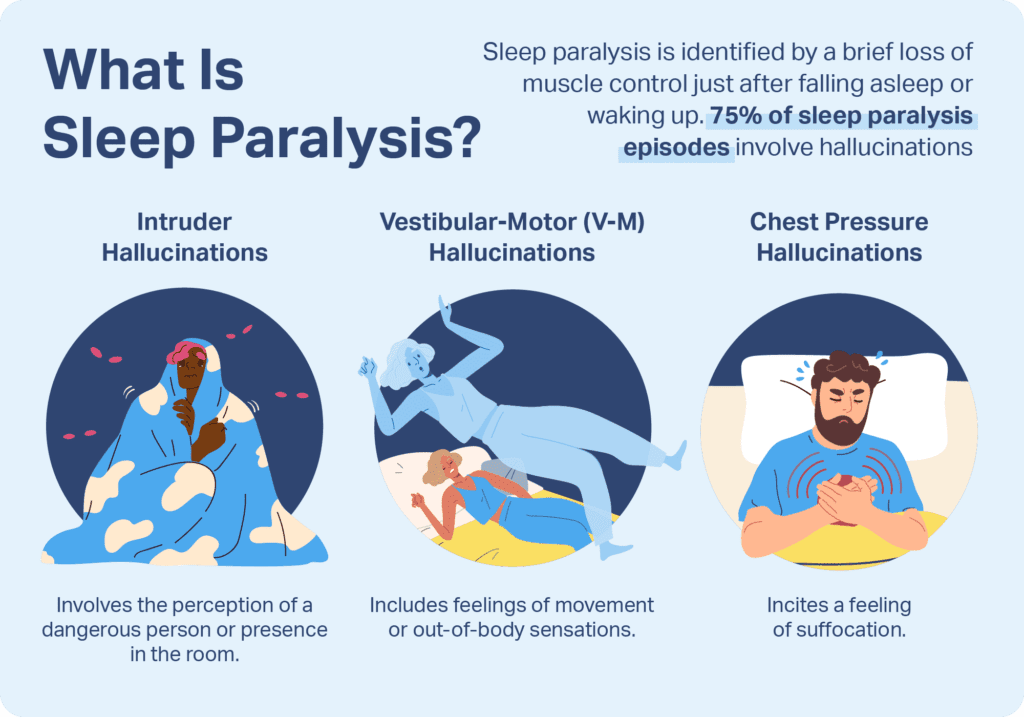
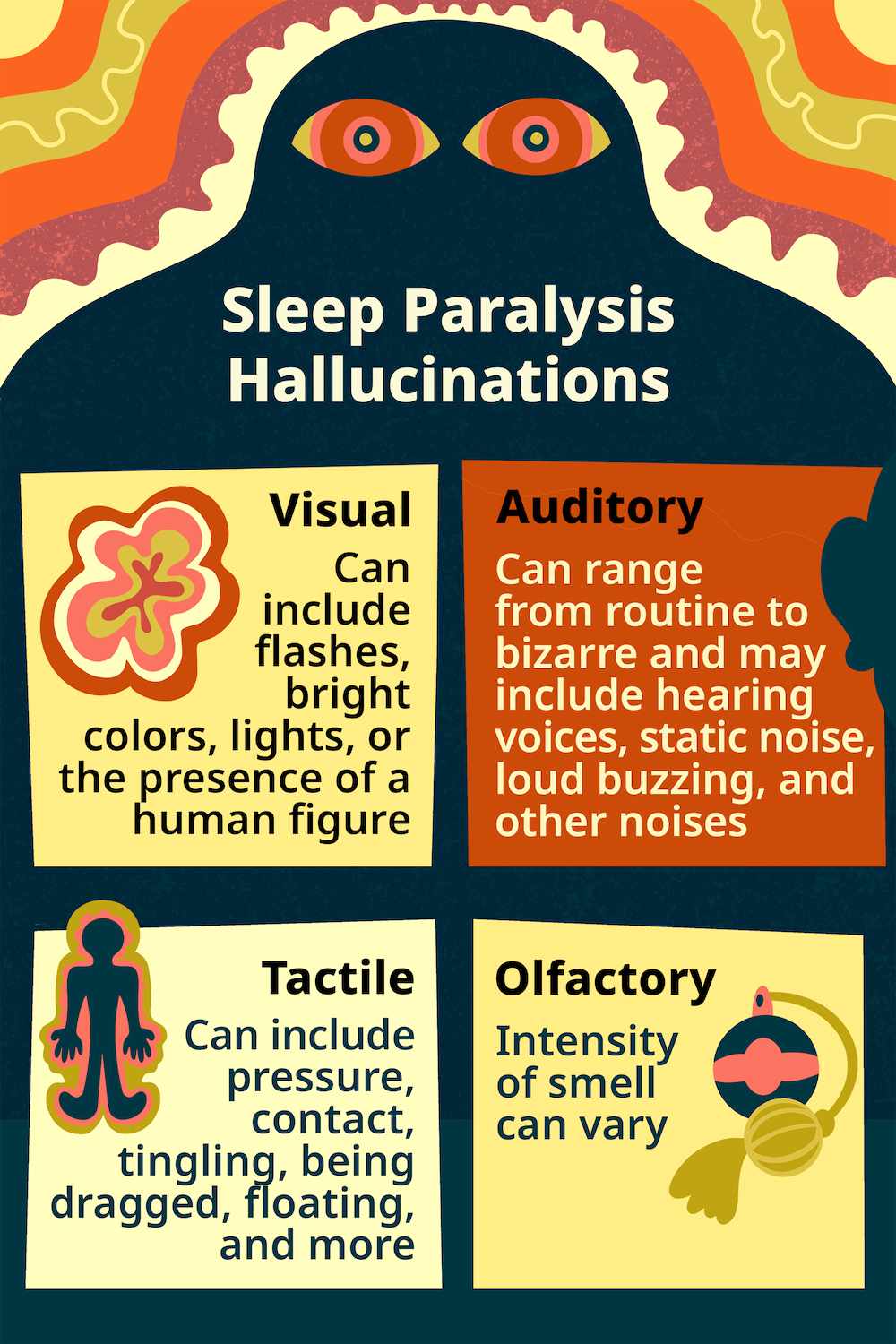
During hypnagogic sleep paralysis, you may experience a sense of pressure on your chest, difficulty breathing, or a feeling of being suffocated. Additionally, vivid hallucinations and intense emotions can accompany this condition. These hallucinations can manifest as visual, auditory, or tactile sensations, often taking the form of shadows, whispers, or a sense of a presence in the room.
Causes and Triggers
Hypnagogic sleep paralysis is believed to be caused by a disruption in the normal sleep cycle and the rapid transitions from wakefulness to REM sleep. Several factors can trigger or exacerbate the occurrence of hypnagogic sleep paralysis, including sleep deprivation, irregular sleep patterns, stress, and certain medications.
Treatment and Management Options
Although there is no specific cure for hypnagogic sleep paralysis, several strategies can help manage and reduce its frequency. Maintaining a regular sleep schedule, practicing relaxation techniques before bedtime, and reducing stress levels can be beneficial. If hypnagogic sleep paralysis is causing significant distress or negatively impacting your daily life, consulting a healthcare professional is recommended. They may suggest therapy, medication, or other treatments to alleviate the symptoms.
Hypnopompic Sleep Paralysis
Definition and Explanation
Hypnopompic sleep paralysis is a sleep disorder that occurs during the transition from sleep to wakefulness. Similar to hypnagogic sleep paralysis, it involves the temporary inability to move or speak while being consciously awake. This phenomenon occurs due to the brain’s failure to reactivate the body’s motor functions after sleep.
Symptoms and Characteristics
During hypnopompic sleep paralysis, you may experience a sense of being paralyzed, along with the feeling of pressure on your body or limbs. Additionally, vivid and often unsettling hallucinations may occur, such as seeing or hearing strange creatures, shadows, or distorted figures. These hallucinations can sometimes be accompanied by feelings of fear or dread.
Causes and Triggers
Like hypnagogic sleep paralysis, hypnopompic sleep paralysis is thought to be triggered by disruptions in the sleep-wake cycle. Factors such as sleep deprivation, irregular sleep patterns, stress, and certain medications can increase the likelihood of experiencing this type of sleep paralysis.
Treatment and Management Options
While there is no specific cure for hypnopompic sleep paralysis, adopting healthy sleep habits can help manage and reduce its occurrence. Maintaining a regular sleep schedule, creating a relaxing sleep environment, and practicing stress-reducing techniques before bedtime can be beneficial. If hypnopompic sleep paralysis significantly impacts your well-being, it is advisable to consult with a healthcare professional who may recommend therapies or medications to alleviate the symptoms.
Isolated Sleep Paralysis
Definition and Explanation
Isolated sleep paralysis is a form of sleep disorder that involves episodes of paralysis that occur either at sleep onset or upon awakening. It is characterized by the temporary inability to move or speak despite being fully aware of one’s surroundings.
Symptoms and Characteristics
During isolated sleep paralysis, you may experience a sense of being trapped in your own body, as if you are unable to control your movements. Hallucinations, similar to those experienced in other types of sleep paralysis, can accompany these episodes. These hallucinations may involve seeing human-like figures, animals, or other strange beings, and they can often be accompanied by a feeling of fear or unease.
Causes and Triggers
The exact cause of isolated sleep paralysis is not fully understood, but it is believed to involve a combination of genetic, environmental, and neurological factors. Sleep disorders such as narcolepsy can increase the likelihood of experiencing isolated sleep paralysis. Other potential triggers include sleep deprivation, irregular sleep patterns, stress, and certain medications.
Treatment and Management Options
While there is no specific cure for isolated sleep paralysis, several strategies can help manage and reduce its occurrence. Practicing good sleep hygiene, such as maintaining a regular sleep schedule, creating a comfortable sleep environment, and managing stress levels, can be beneficial. If isolated sleep paralysis significantly affects your quality of life, it is recommended to consult with a healthcare professional who may recommend therapies or medications to alleviate the symptoms.
Recurrent Isolated Sleep Paralysis
Definition and Explanation
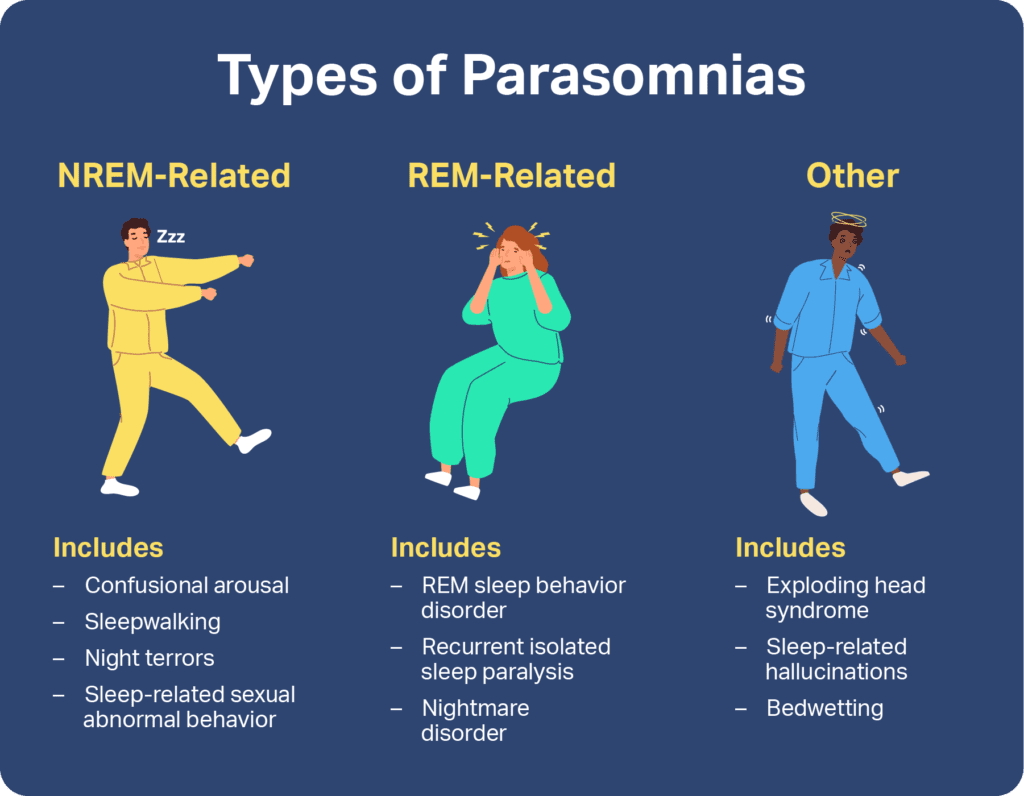
Recurrent isolated sleep paralysis refers to the repeated experience of isolated sleep paralysis episodes over an extended period. These episodes can occur at sleep onset or upon awakening, causing temporary paralysis and hallucinations.
Symptoms and Characteristics
During recurrent isolated sleep paralysis, you may experience a sense of helplessness and fear during episodes of paralysis. Visual, auditory, or tactile hallucinations can be vivid and intense, often involving menacing figures or creatures. These hallucinations, combined with the temporary inability to move or speak, can lead to significant distress.
Causes and Triggers
The underlying causes of recurrent isolated sleep paralysis appear to be similar to those of isolated sleep paralysis. Genetic predispositions, sleep disorders, environmental factors, and neurological abnormalities may contribute to the occurrence of recurrent episodes. However, further research is needed to fully understand the exact triggers and mechanisms involved.
Treatment and Management Options
Management strategies for recurrent isolated sleep paralysis are similar to those for isolated sleep paralysis. Prioritizing good sleep hygiene, practicing stress reduction techniques, and maintaining a regular sleep schedule can be helpful in minimizing the frequency and impact of episodes. Additionally, therapy or medication may be recommended by healthcare professionals to alleviate distress and manage the symptoms.

Sleep-Onset Association Type Sleep Paralysis
Definition and Explanation
Sleep-onset association type sleep paralysis, also known as SOP, is a rare form of sleep paralysis that occurs when the body’s transition from wakefulness to sleep is disrupted. It is characterized by the inability to move or speak just as one is drifting off to sleep.
Symptoms and Characteristics
During sleep-onset association type sleep paralysis, you may experience a temporary loss of control over your muscles, rendering you unable to physically respond or move. Unlike other types of sleep paralysis, SOP is not typically associated with vivid hallucinations or intense emotional experiences. However, individuals may report a feeling of heaviness or pressure in their limbs.
Causes and Triggers
The exact causes of sleep-onset association type sleep paralysis are not well understood. However, it is believed to occur due to a disruption in the normal sleep-wake cycle, possibly related to irregular sleep patterns or sleep disorders. Stress and anxiety may also contribute to the occurrence of SOP episodes.
Treatment and Management Options
As sleep-onset association type sleep paralysis is a rare form of sleep disorder, potential treatment options are limited. Maintaining a consistent sleep schedule, engaging in stress-reduction techniques, and creating a comfortable sleep environment can help manage the condition. If SOP significantly impacts your quality of life, seeking guidance from a healthcare professional is recommended to explore potential therapies or medications to alleviate the symptoms.
Posterior Cortical Arousal Type Sleep Paralysis
Definition and Explanation
Posterior cortical arousal type sleep paralysis, also known as PCASP, is a distinct form of sleep paralysis that is linked to cortical activation. It is characterized by the temporary inability to move or speak upon awakening, often accompanied by vivid hallucinations.
Symptoms and Characteristics
Individuals experiencing posterior cortical arousal type sleep paralysis may have a sense of being unable to move despite being conscious. Hallucinations, which can be visual, auditory, or tactile, can be particularly vivid and disturbing. These hallucinations often involve the presence of threatening figures or sensations.
Causes and Triggers
The precise causes of posterior cortical arousal type sleep paralysis are not fully understood. However, it is believed to be related to the activation of specific areas in the brain’s posterior cortex during sleep-wake transitions. Stress, sleep deprivation, and irregular sleep patterns can trigger or exacerbate the occurrence of PCASP episodes.
Treatment and Management Options
While there is no specific cure for posterior cortical arousal type sleep paralysis, adopting healthy sleep habits and stress management techniques can help reduce the frequency and severity of episodes. Maintaining a regular sleep schedule, practicing relaxation techniques, and creating a calm sleep environment are recommended. If PCASP significantly affects your well-being, consulting with a healthcare professional may provide additional treatment options, such as therapy or medications.
False Awakenings and Sleep Paralysis
Definition and Explanation
False awakenings are experiences in which an individual believes they have woken up from sleep, only to realize later that they are still dreaming. False awakenings can sometimes be accompanied by sleep paralysis, creating a disorienting and unsettling scenario.
Symptoms and Characteristics
During false awakenings accompanied by sleep paralysis, you may believe that you have woken up and attempt to move or speak, only to find that you are unable to do so. This can create a profound sense of confusion and frustration. Additionally, hallucinations may occur during the false awakening, further adding to the disorienting nature of the experience.
Causes and Triggers
The exact causes of false awakenings and sleep paralysis are not well understood. However, they are often associated with disruptions in the sleep-wake cycle and abnormalities in REM sleep. Sleep disorders, stress, and certain medications may increase the likelihood of experiencing false awakenings and sleep paralysis.
Treatment and Management Options
Managing false awakenings and sleep paralysis involves addressing any underlying sleep disorders or contributing factors. Adopting healthy sleep habits, reducing stress levels, and avoiding substances that may disrupt sleep can be beneficial. In cases where false awakenings and sleep paralysis significantly impact daily life, seeking guidance from a healthcare professional may provide additional treatment options.
Psychological Factors and Sleep Paralysis
Definition and Explanation
Psychological factors can play a significant role in the occurrence and experience of sleep paralysis. Emotional distress, anxiety, and PTSD (post-traumatic stress disorder) have been linked to an increased likelihood of developing sleep paralysis.
Symptoms and Characteristics
When psychological factors contribute to sleep paralysis, episodes may be more frequent and intense. Emotional experiences during episodes can include feelings of fear, terror, or a looming sense of danger. False awakenings and vivid hallucinations are also more common in individuals with underlying psychological conditions.
Causes and Triggers
Psychological factors can exacerbate sleep paralysis by increasing stress levels and disrupting sleep patterns. Individuals with a history of trauma, anxiety disorders, or post-traumatic stress disorder are more susceptible to experiencing sleep paralysis as a result of these underlying conditions. Sleep deprivation and irregular sleep patterns can also contribute to the occurrence of sleep paralysis episodes.
Treatment and Management Options
Addressing the psychological factors underlying sleep paralysis involves a comprehensive approach that may include therapy, medication, and stress reduction techniques. Cognitive-behavioral therapy can be effective in managing anxiety and trauma-related symptoms. Relaxation techniques, such as deep breathing or meditation, can help reduce stress levels and promote restful sleep. Consulting with a mental health professional can provide tailored strategies and support for managing sleep paralysis linked to psychological factors.
Cultural and Folk Beliefs about Sleep Paralysis
Definition and Explanation
Cultural and folk beliefs surrounding sleep paralysis vary across different societies and regions. These beliefs often shape how individuals interpret and understand their sleep paralysis experiences.
Symptoms and Characteristics
The symptoms and characteristics of sleep paralysis remain the same globally. However, cultural and folk beliefs attribute different meanings and explanations to these experiences. Some cultures may interpret sleep paralysis as a visitation from spirits or supernatural beings, while others may see it as a result of witchcraft or malevolent forces.
Causes and Triggers
The causes and triggers of sleep paralysis remain rooted in biological and psychological factors. However, cultural and folk beliefs may attribute sleep paralysis to spiritual or supernatural causes. These explanations can vary widely across different cultures and belief systems.
Treatment and Management Options
Cultural and folk beliefs about sleep paralysis often influence how individuals seek help or cope with their experiences. In some cultures, traditional healers or religious practices may be utilized to manage sleep paralysis. It is important to approach cultural beliefs with respect and seek support from healthcare professionals who can provide evidence-based strategies for treatment and management.
Scientific Explanations and Research on Sleep Paralysis
Definition and Explanation
Scientific research has shed light on the underlying mechanisms and causes of sleep paralysis. It is considered a normal phenomenon that occurs due to the temporary disruption of the sleep-wake cycle and REM sleep.
Symptoms and Characteristics
Scientifically, sleep paralysis is defined as the temporary inability to move or speak during sleep-wake transitions, accompanied by vivid hallucinations. These episodes typically occur during REM sleep, when the brain is highly active, but the body’s motor functions are temporarily suppressed.
Causes and Triggers
Sleep paralysis is believed to be caused by a combination of biological and environmental factors. Biological factors include irregular sleep-wake cycles, sleep deprivation, and certain sleep disorders such as narcolepsy. Environmental factors, such as stress, anxiety, and sleep position, can also contribute to the occurrence of sleep paralysis.
Treatment and Management Options
Treatment and management options for sleep paralysis vary depending on individual circumstances and the impact it has on daily life. Maintaining a regular sleep schedule, implementing relaxation techniques before bedtime, and managing stress levels can be beneficial. For individuals with severe and recurring sleep paralysis, healthcare professionals may recommend therapies, such as cognitive-behavioral therapy, to address the underlying causes and reduce the frequency of episodes. Medications may also be prescribed in certain cases.
