
Have you ever woken up in the middle of the night, completely paralyzed, unable to move or scream? If so, you might have experienced an unsettling phenomenon called sleep paralysis. This mysterious state, often accompanied by terrifying hallucinations, has long been a subject of fascination and fear. However, recent studies have revealed a surprising connection between sleep paralysis and anxiety, shedding new light on the underlying causes and potential treatments for this enigmatic condition. In this article, we will delve into the intricate relationship between sleep paralysis and anxiety, exploring the impact it has on our overall well-being and offering strategies to manage and prevent these unsettling episodes.
Understanding Sleep Paralysis
Definition of sleep paralysis
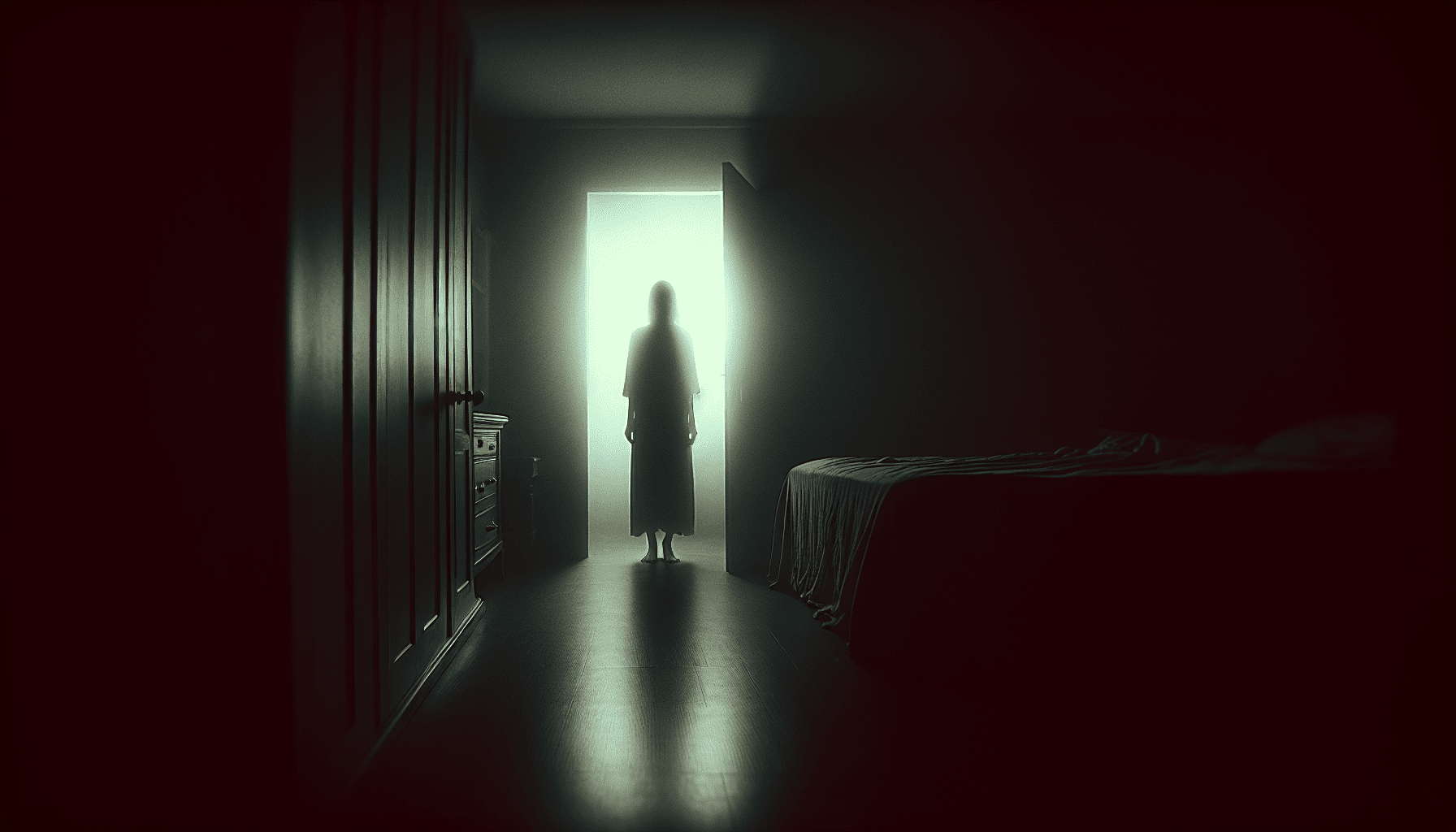
Sleep paralysis is a phenomenon that occurs during the transition between wakefulness and sleep, wherein an individual experiences temporary paralysis and is unable to move or speak. It often happens upon waking up or falling asleep and can be a frightening experience. During sleep paralysis, the mind is awake, but the body remains in a state of muscle atonia, which is a normal part of the rapid eye movement (REM) sleep cycle.
Causes of sleep paralysis
Sleep paralysis can be caused by various factors. One common cause is disrupted sleep patterns, such as irregular sleep schedules or sleep deprivation. Other triggers include sleep disorders like narcolepsy, insomnia, and sleep apnea. Stress, anxiety, and certain medications can also contribute to the occurrence of sleep paralysis.
Symptoms of sleep paralysis
The main symptom of sleep paralysis is the inability to move or speak, despite being fully aware of one’s surroundings. This immobility can be accompanied by visual and auditory hallucinations, as well as a sense of pressure or choking. Additionally, individuals may experience a rapid heartbeat, shortness of breath, and intense fear. While the actual duration of a sleep paralysis episode can vary from a few seconds to a couple of minutes, it can feel like an eternity for those going through it.
Duration of sleep paralysis episodes
Sleep paralysis episodes can occur sporadically and usually last for a few seconds to a couple of minutes. However, in some cases, individuals may experience prolonged episodes lasting up to 20 minutes or longer. The frequency of sleep paralysis episodes also differs greatly among individuals, with some experiencing it only once or twice in their lifetime and others encountering it more frequently, even multiple times a week.
Understanding Anxiety
Definition of anxiety
Anxiety is a normal emotional response to stress or potential threats. It is the body’s way of preparing for a fight-or-flight response. However, when anxiety becomes excessive, persistent, and interferes with daily life, it may be classified as an anxiety disorder. Anxiety disorders encompass a range of conditions, including generalized anxiety disorder, panic disorder, social anxiety disorder, and specific phobias.
Causes of anxiety
Anxiety can have a variety of causes, including genetic predisposition, brain chemistry imbalances, traumatic experiences, and environmental factors. Major life changes, chronic medical conditions, substance abuse, and a family history of anxiety disorders can also contribute to the development of anxiety.
Types of anxiety disorders
There are several types of anxiety disorders, each with its own characteristics and symptoms. Generalized anxiety disorder (GAD) is characterized by persistent and excessive worry about various aspects of life, such as work, relationships, and health. Panic disorder involves recurring panic attacks, which are sudden episodes of intense fear accompanied by physical symptoms like rapid heartbeat, sweating, and shortness of breath. Social anxiety disorder is marked by an overwhelming fear of social situations and a constant worry about being judged by others. Specific phobias refer to an irrational fear and avoidance of particular objects or situations.
Symptoms of anxiety
The symptoms of anxiety can manifest both physically and emotionally. Physical symptoms may include restlessness, fatigue, muscle tension, headaches, and digestive issues. Emotionally, anxiety can lead to irritability, difficulty concentrating, racing thoughts, excessive worry, and a sense of impending doom. Sleep disturbances, such as insomnia or nightmares, are also commonly associated with anxiety.

Research and Studies
Exploring the connection between sleep paralysis and anxiety
In recent years, researchers have begun to examine the link between sleep paralysis and anxiety. While the exact nature of this relationship is still being investigated, there appears to be a significant connection between the two phenomena. Understanding how sleep paralysis and anxiety are related can shed light on potential treatment approaches for individuals experiencing both conditions simultaneously.
Scientific studies on the relationship
Several scientific studies have explored the relationship between sleep paralysis and anxiety. One study published in the Journal of Clinical Sleep Medicine found that individuals with anxiety had a higher prevalence of sleep paralysis compared to those without anxiety. Another study published in the Journal of Sleep Research suggested that sleep paralysis may act as an independent risk factor for the development of anxiety disorders.
Findings and observations
The findings from these studies indicate a strong association between sleep paralysis and anxiety. It is believed that the heightened state of alertness and fear experienced during sleep paralysis may contribute to the development or worsening of anxiety symptoms. Moreover, the fear of experiencing sleep paralysis itself can lead to increased anxiety, creating a cyclical pattern that perpetuates both conditions.
Anxiety as a Potential Trigger
How anxiety can contribute to sleep paralysis
Anxiety can contribute to the occurrence of sleep paralysis in several ways. Firstly, anxiety often disrupts sleep quality, leading to an increased likelihood of experiencing sleep paralysis episodes. Additionally, anxious thoughts and heightened stress levels can make it harder for individuals to enter deep sleep stages, increasing the chances of experiencing REM-related phenomena like sleep paralysis.
The impact of stress on sleep quality
Stress plays a significant role in sleep quality and can directly impact the occurrence of sleep paralysis. Heightened stress levels can lead to difficulties falling asleep, staying asleep, or achieving restorative sleep. Stress also triggers the release of stress hormones, which can disrupt the normal sleep cycle and increase the likelihood of experiencing sleep paralysis episodes.
Anxiety-induced sleep disruptions
Anxiety-induced disruptions in sleep can overlap with sleep paralysis. Individuals with anxiety often struggle with insomnia, characterized by difficulties falling asleep or staying asleep throughout the night. This fragmented sleep can increase the occurrence of sleep paralysis, as it commonly happens during the transition between sleep stages.
Psychological factors affecting sleep paralysis
Psychological factors, such as negative thoughts, excessive worrying, and hypervigilance, can contribute to the experience of sleep paralysis. Anxiety can intensify these psychological factors, creating a hostile mental environment that increases the likelihood of sleep paralysis episodes. Addressing these psychological aspects is crucial in managing sleep paralysis and reducing its frequency.
The Role of Sleep Disorders
Comorbidity of sleep disorders and anxiety
Sleep disorders and anxiety often coexist, with one condition exacerbating the other. For example, individuals with insomnia, a common sleep disorder, are more likely to experience anxiety. Likewise, those with anxiety disorders may experience difficulties falling asleep or maintaining consistent sleep patterns, leading to the development of sleep disorders.
Conditions such as insomnia and sleep apnea
Insomnia, characterized by difficulties falling asleep or staying asleep, is strongly linked to anxiety and can contribute to sleep paralysis. Sleep apnea, a condition characterized by pauses in breathing during sleep, has also been associated with anxiety disorders. Both conditions can disrupt the natural sleep cycle, potentially leading to episodes of sleep paralysis.
How sleep disorders can lead to anxiety
Sleep disorders contribute to the development of anxiety through various mechanisms. Poor sleep quality resulting from sleep disorders can heighten stress levels, trigger negative thoughts, and impair overall cognitive function. The resulting exhaustion and emotional distress can then contribute to the development of anxiety symptoms.
The cycle of sleep disorders and anxiety
Sleep disorders and anxiety often feed into a vicious cycle, with each condition exacerbating the other. Sleep disturbances can increase anxiety levels, leading to a heightened state of arousal and vigilance that further disrupts sleep. This cycle continues unless proactive measures are taken to address both the sleep disorders and anxiety simultaneously.
Neurochemical Imbalances
The role of neurotransmitters
Neurotransmitters, chemical messengers in the brain, play a crucial role in sleep and anxiety regulation. Imbalances in neurotransmitter activity can contribute to the occurrence of sleep paralysis and anxiety disorders. Serotonin and dopamine are two neurotransmitters that have been implicated in both conditions.
Imbalances in serotonin and dopamine levels
Serotonin is involved in the regulation of mood and sleep, while dopamine influences motivation, pleasure, and movement. Imbalances in serotonin levels have been linked to anxiety disorders, while imbalances in dopamine levels can affect sleep quality. These neurotransmitter imbalances may contribute to the occurrence of sleep paralysis and anxiety.
Effects on sleep paralysis and anxiety
The role of neurochemical imbalances in sleep paralysis and anxiety is complex. Disruptions in serotonin levels may lead to increased anxiety, which in turn can contribute to the occurrence of sleep paralysis. Similarly, alterations in dopamine activity can impact sleep patterns, potentially increasing the likelihood of experiencing sleep paralysis episodes.
Psychological Factors
Stress and anxiety triggers
Stressful life events and ongoing stressors can significantly contribute to the development of anxiety and sleep paralysis. High levels of stress increase the likelihood of developing anxiety disorders and can also trigger sleep disturbances. Identifying and managing stress and anxiety triggers is essential in minimizing the occurrence of both conditions.
Traumatic experiences and PTSD
Traumatic experiences, such as physical or emotional abuse, accidents, or warfare, can lead to the development of post-traumatic stress disorder (PTSD). Individuals with PTSD often experience anxiety and have a higher prevalence of sleep disturbances, including sleep paralysis. Addressing past traumas through therapy and supportive interventions is crucial in managing both anxiety and sleep paralysis.
Emotional and cognitive factors
Emotional and cognitive factors can influence the occurrence and severity of both anxiety and sleep paralysis. Negative thoughts, excessive worry, and rumination can heighten anxiety levels and contribute to the development of sleep disturbances. Cognitive-behavioral therapy (CBT) techniques can help individuals reframe negative thoughts and develop healthier cognitive patterns, reducing both anxiety and sleep paralysis episodes.
The impact of negative thoughts on sleep
Negative thoughts and persistent worries can lead to increased arousal and difficulty falling asleep. These intrusive thoughts can carry over into sleep and influence dream content, potentially leading to sleep paralysis episodes. Managing negative thoughts through mindfulness techniques and therapy can improve sleep quality and reduce sleep paralysis occurrences.
Possible Treatment Approaches
Addressing anxiety management techniques
Effective management of anxiety can help reduce the occurrence of sleep paralysis episodes. Techniques such as deep breathing exercises, progressive muscle relaxation, and mindfulness meditation can be effective in calming the mind and reducing anxiety levels. Seeking therapy or counseling can also provide individuals with the skills to address underlying anxiety triggers and develop healthier coping mechanisms.
Therapeutic interventions for sleep disorders
Treating underlying sleep disorders is crucial in managing sleep paralysis. Therapeutic interventions such as cognitive-behavioral therapy for insomnia (CBT-I) can help individuals establish healthy sleep habits and address distorted sleep-related beliefs. Other treatments, such as continuous positive airway pressure (CPAP) therapy for sleep apnea, can also improve sleep quality and reduce the occurrence of sleep paralysis.
Cognitive-behavioral therapy for anxiety
Cognitive-behavioral therapy (CBT) is a widely recognized and effective treatment for anxiety disorders. By working with a trained therapist, individuals can identify and challenge negative thought patterns, develop coping strategies, and gradually confront anxiety-provoking situations. CBT can be tailored to address the specific needs of individuals experiencing anxiety-related sleep paralysis.
Medication options
In some cases, medication may be considered as part of the treatment approach for anxiety disorders and sleep disorders. Antidepressants, such as selective serotonin reuptake inhibitors (SSRIs), can help regulate neurotransmitter imbalances and reduce anxiety symptoms. However, medication should always be prescribed and monitored by a healthcare professional, considering individual needs and potential side effects.
Improving Sleep Health
Creating a conducive sleep environment
Optimizing the sleep environment can significantly improve sleep quality and reduce the occurrence of sleep paralysis. A dark, quiet, and comfortable bedroom can promote a restful sleep environment. Investing in a supportive mattress, comfortable pillows, and high-quality bedding can also enhance sleep comfort.
Establishing a consistent sleep routine
Maintaining a consistent sleep routine is essential for regulating the sleep-wake cycle and minimizing sleep disturbances. Going to bed and waking up at consistent times, even on weekends, can help regulate circadian rhythms and promote better sleep quality. Avoiding stimulating activities and electronic devices before bedtime can also contribute to a more peaceful sleep.
Relaxation techniques for better sleep
Incorporating relaxation techniques into the pre-sleep routine can help individuals unwind and prepare for sleep. Activities such as reading a book, taking a warm bath, or practicing gentle stretching or yoga can promote relaxation and signal the body to transition into a restful sleep state.
Managing stress and anxiety
Managing stress and anxiety is vital for reducing the occurrence of sleep paralysis. Engaging in stress-reducing activities, such as exercise, mindfulness meditation, and hobbies, can help individuals cope with daily stressors and promote better sleep. Seeking support from loved ones or joining support groups can provide additional avenues for managing anxiety and stress.
Seeking Professional Help
Importance of consulting a healthcare professional
When experiencing sleep paralysis and anxiety, it is essential to consult a healthcare professional. A healthcare provider, such as a primary care physician or a sleep specialist, can evaluate the individual’s symptoms, medical history, and potential underlying causes. This professional guidance can aid in developing an appropriate treatment plan tailored to the individual’s needs.
When to seek medical advice
Individuals should consider seeking medical advice if sleep paralysis or anxiety significantly impact their daily functioning, interfere with their overall well-being, or lead to feelings of distress. Additionally, if sleep paralysis episodes become more frequent or prolonged, or if anxiety symptoms escalate, it is crucial to consult a healthcare professional for proper assessment and guidance.
Finding the right specialists
Finding the right specialists to address sleep paralysis and anxiety can be vital in achieving effective treatment outcomes. Sleep specialists, psychologists, psychiatrists, or therapists who specialize in sleep disorders and anxiety disorders can provide comprehensive evaluations, offer appropriate treatment options, and guide individuals throughout their healing process.
Other resources and support
In addition to professional help, seeking support from friends, family, or support groups can be beneficial for individuals experiencing sleep paralysis and anxiety. Connecting with others who have gone through similar experiences can provide reassurance, validation, and a sense of community. Online resources, educational materials, and books can also offer valuable information and coping strategies for managing sleep paralysis and anxiety.
In conclusion, understanding the link between sleep paralysis and anxiety is crucial in effectively managing both conditions. The relationship between these phenomena is complex, involving various factors such as disrupted sleep patterns, neurochemical imbalances, psychological factors, and the coexistence of sleep disorders and anxiety. By addressing anxiety management techniques, treating underlying sleep disorders, and seeking professional help, individuals can find relief and improve both their sleep health and overall well-being. Creating a conducive sleep environment, establishing consistent sleep routines, practicing relaxation techniques, and managing stress and anxiety are additional strategies that can contribute to better sleep quality and reduced occurrence of sleep paralysis episodes. Remember, seeking professional guidance and support is essential in navigating the complexities of sleep paralysis and anxiety, helping individuals find the appropriate treatment and strategies to regain control of their sleep and mental well-being.