Have you ever experienced a terrifying moment when you wake up from a deep sleep, unable to move or speak? This eerie phenomenon is known as sleep paralysis, a condition that affects numerous individuals worldwide. While the experience itself can be frightening and unsettling, there is often a lingering question regarding its potential physical harm. Can sleep paralysis cause any lasting damage? In this article, we will explore this intriguing subject and determine whether this sleep disorder poses any genuine threats to your health. So, if you’ve ever found yourself frozen in fear during those lone moments before dawn, read on to unravel the mystery behind sleep paralysis and its potential consequences.
What is Sleep Paralysis?
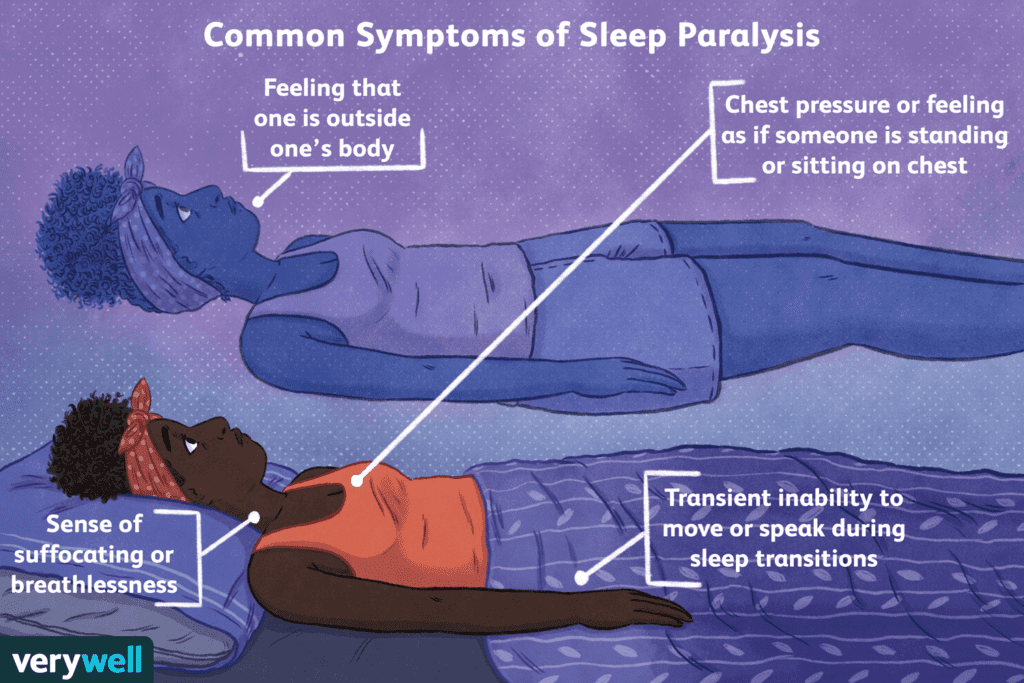
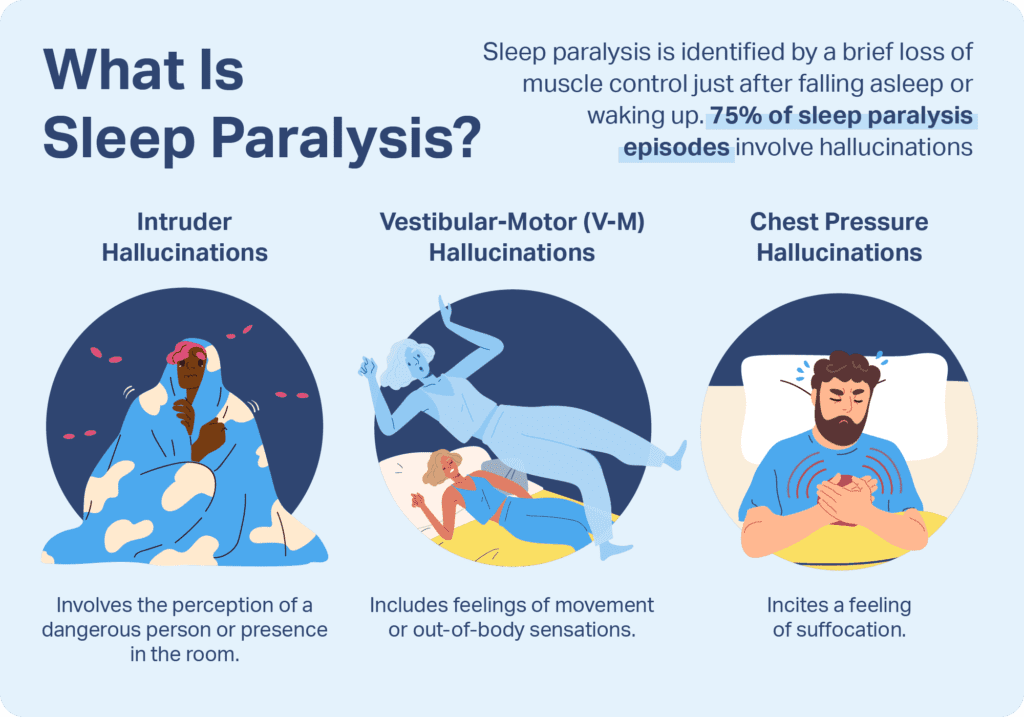
Sleep Paralysis is a phenomenon that occurs during the transition between wakefulness and sleep, where your mind is awake but your body is temporarily unable to move. It is a relatively common experience that can be quite unsettling and even frightening for those who experience it. During sleep paralysis, you may also have vivid hallucinations or a sense of pressure on your chest, making it feel like something is sitting on top of you.
Definition
Sleep paralysis can be defined as a state of temporary muscle paralysis that occurs during the sleep-wake transition. It is often accompanied by vivid hallucinations, a feeling of pressure on the chest, and an inability to speak or move. The paralysis typically lasts for a few seconds to a few minutes, but it can feel much longer for those experiencing it.
Causes
The exact causes of sleep paralysis are not fully understood, but there are several factors that are believed to contribute to its occurrence. One possible cause is disrupted sleep patterns, such as irregular sleep schedules or a lack of sleep. Sleep disorders, such as narcolepsy or sleep apnea, have also been linked to an increased risk of experiencing sleep paralysis. Other potential causes include stress, anxiety, and sleep deprivation.
Symptoms
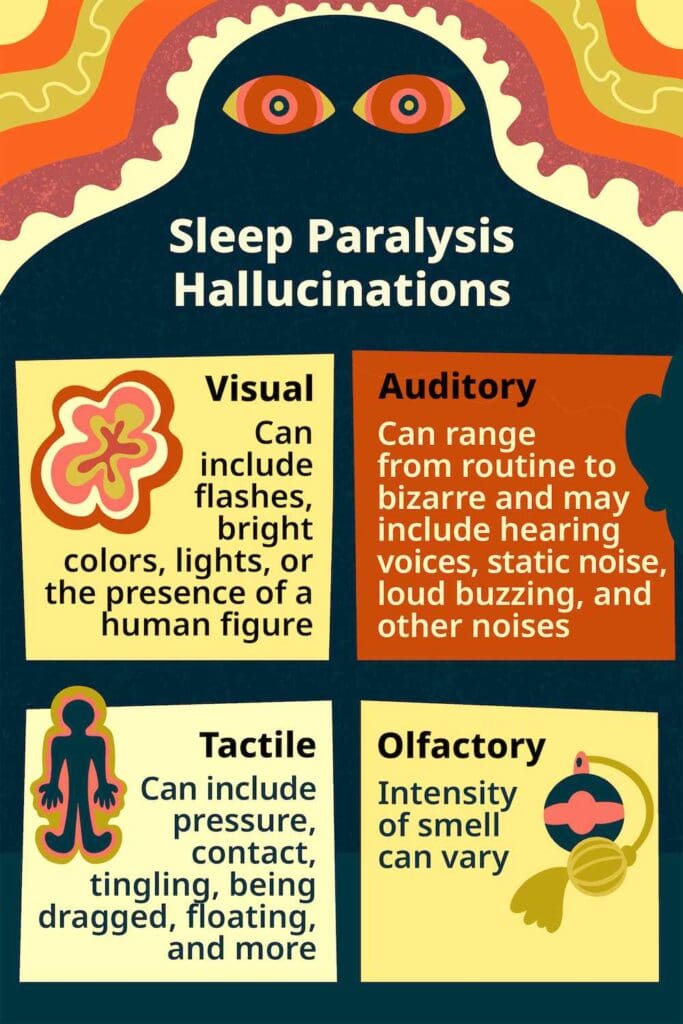
The main symptom of sleep paralysis is the temporary inability to move or speak while being fully aware of your surroundings. This can be accompanied by hallucinations, which can be visual, auditory, or tactile in nature. Individuals may also experience a feeling of pressure on their chest or a sense of impending doom. Sleep paralysis episodes can vary in frequency, with some people experiencing them occasionally and others having them regularly.
Effects of Sleep Paralysis
While sleep paralysis itself is not physically harmful, it can have significant psychological and physical effects on those who experience it.
Psychological Impact
Experiencing sleep paralysis can be incredibly distressing and may lead to feelings of fear, anxiety, and a loss of control. The vivid hallucinations that often accompany sleep paralysis can be extremely realistic and may leave individuals feeling disoriented or terrified. Over time, this can take a toll on one’s mental well-being and overall quality of life.
Physical Effects
Although sleep paralysis does not directly cause physical harm, the experience itself can be physically exhausting. The fear and anxiety associated with sleep paralysis can lead to increased heart rate and elevated stress levels, which can have negative effects on the body. Additionally, the constant disruption of sleep associated with sleep paralysis can contribute to daytime fatigue, impaired cognitive function, and difficulties with concentration.
Physical Harm Associated with Sleep Paralysis
While sleep paralysis is generally considered safe, there have been rare cases where physical harm has occurred during episodes. These instances are relatively uncommon, but it is important to be aware of the potential risks.
Injuries During Sleep Paralysis
During sleep paralysis episodes, individuals may attempt to move or escape the perceived danger in their hallucinations. This can result in injuries such as bruises, cuts, or even broken bones if they fall or collide with objects in their environment. However, it is important to note that these incidents are rare and most people do not experience any physical harm during sleep paralysis.
Exacerbation of Existing Conditions
For individuals with certain pre-existing medical conditions, sleep paralysis can potentially worsen their symptoms or contribute to complications. Conditions such as epilepsy or breathing disorders like sleep apnea may be exacerbated by the disruption of sleep associated with sleep paralysis. If you have any underlying health conditions, it is important to consult with a healthcare professional to address any concerns or risks associated with sleep paralysis.
Risk Factors for Experiencing Physical Harm
While physical harm during sleep paralysis is rare, certain factors increase the likelihood of experiencing injuries or complications.
Sleep Position
Sleeping in certain positions, such as on your back, can increase the risk of sleep paralysis and potential physical harm. This is because the supine position is associated with a higher incidence of sleep paralysis episodes. Changing your sleep position to sleeping on your side may help reduce the likelihood of experiencing sleep paralysis and any associated injuries.
Sleep Disorders
Individuals with certain sleep disorders, such as narcolepsy or sleep apnea, have a higher risk of experiencing sleep paralysis. These underlying sleep conditions can disrupt normal sleep patterns and increase the likelihood of sleep paralysis episodes. Managing and treating these sleep disorders through appropriate medical interventions can help reduce the occurrence of sleep paralysis and any associated physical harm.
Mental Health Conditions
There is a strong link between mental health conditions, such as anxiety and depression, and sleep paralysis. Individuals with these conditions may experience more frequent episodes of sleep paralysis, which can further exacerbate their mental health symptoms. Seeking appropriate treatment for mental health conditions can help manage sleep paralysis and reduce the risk of physical harm.
Ways to Prevent Physical Harm During Sleep Paralysis
While physical harm is rare during sleep paralysis, there are steps you can take to minimize any potential risks.
Maintain a Regular Sleep Schedule
Establishing a regular sleep schedule can help regulate your sleep-wake cycles and reduce the occurrence of sleep paralysis episodes. Aim for consistent bedtimes and wake-up times, even on weekends, to promote a more stable sleep pattern.
Manage Stress Levels
Stress and anxiety are common triggers for sleep paralysis episodes. Adopting stress management techniques, such as practicing relaxation exercises or engaging in regular physical activity, can help reduce stress levels and minimize the likelihood of experiencing sleep paralysis.
Create a Comfortable Sleep Environment
Ensure that your sleep environment is conducive to a good night’s rest. Create a calm and relaxing space by keeping your bedroom cool, dark, and quiet. Invest in a comfortable mattress and pillow to promote optimal sleep posture.
Avoid Stimulants and Certain Medications
Stimulants, such as caffeine and nicotine, can disrupt sleep patterns and increase the risk of sleep paralysis. Avoid consuming these substances close to bedtime. Additionally, certain medications, such as those used to treat sleep disorders or mental health conditions, may contribute to sleep paralysis. Consult with your healthcare provider if you have concerns about any medications you are taking.
Seeking Medical Help for Sleep Paralysis
If you are regularly experiencing sleep paralysis or it is significantly impacting your daily life, it may be beneficial to seek medical help. A healthcare professional can evaluate your symptoms, provide a proper diagnosis, and offer appropriate treatment options.
Diagnosis
To diagnose sleep paralysis, a healthcare provider will review your medical history and conduct a physical examination. They may also recommend a sleep study, known as polysomnography, to monitor your sleep patterns and identify any underlying sleep disorders.
Treatment Options
Treatment for sleep paralysis focuses on managing any underlying sleep disorders and reducing the frequency of episodes. This may involve utilizing techniques such as improving sleep hygiene, implementing relaxation strategies, or using certain medications to regulate sleep patterns. Cognitive-behavioral therapy (CBT) may also be beneficial in addressing any anxiety or fear associated with sleep paralysis.

Sleep Paralysis vs. Sleep Disorders
While sleep paralysis can be a symptom of certain sleep disorders, it is important to distinguish it from other conditions that may have similar symptoms.
Distinguishing Sleep Paralysis from Other Sleep Disorders
Sleep paralysis is characterized by the temporary inability to move or speak, usually accompanied by vivid hallucinations. Other sleep disorders, such as narcolepsy or sleep apnea, may cause similar symptoms but also come with additional signs, such as excessive daytime sleepiness or loud snoring. Consulting with a healthcare professional can help differentiate sleep paralysis from other sleep disorders and guide appropriate treatment.
Case Studies on Physical Harm from Sleep Paralysis
While physical harm during sleep paralysis is rare, there have been some documented cases highlighting the potential risks involved.
Study 1: Sleep Paralysis-Related Injuries
In a case study published in the Journal of Sleep Research, a 28-year-old male experienced a sleep paralysis episode that resulted in injuries. During the episode, he attempted to flee from hallucinated threats and fell, sustaining a fracture in his right forearm. This case demonstrates the potential for physical harm during sleep paralysis in some individuals.
Study 2: The Impact of Sleep Paralysis on Daily Functioning
A study published in the Journal of Sleep Research examined the impact of sleep paralysis on daily functioning. The researchers found that individuals who experienced sleep paralysis reported higher levels of daytime sleepiness, fatigue, and impairments in cognitive function compared to those who did not experience sleep paralysis. These findings highlight the potential physical and cognitive effects associated with sleep paralysis.
Physiological Explanations for Physical Harm During Sleep Paralysis
While the exact physiological mechanisms behind physical harm during sleep paralysis are not fully understood, there are two main theories that are often discussed.
Sleep Stage Disruption
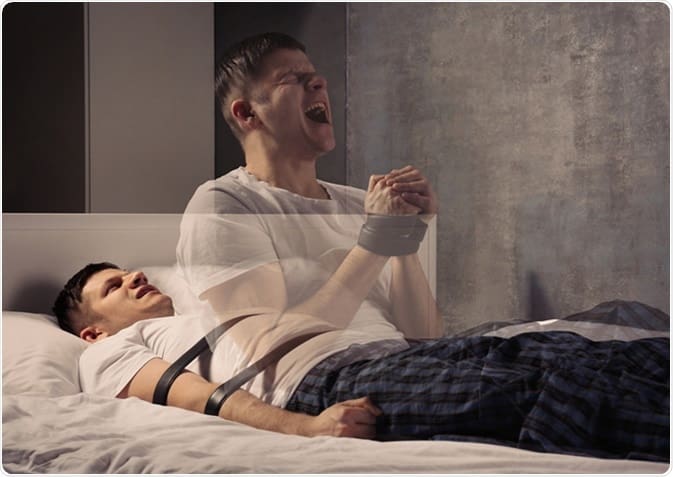
During sleep paralysis, the normal progression through sleep stages is disrupted, leading to a state of muscle atonia and vivid hallucinations. This disruption may contribute to an increased risk of physical harm as individuals attempt to escape from their hallucinations while their muscles remain temporarily paralyzed.
Muscle Atonia Dysfunction
Muscle atonia, or the temporary loss of muscle tone, is a normal part of the sleep cycle that prevents individuals from physically acting out their dreams. In sleep paralysis, this muscle atonia dysfunction may not be regulated properly, leading to a prolonged state of paralysis. This dysfunction may increase the likelihood of physical harm during episodes of sleep paralysis.
Conclusion
Sleep paralysis is a relatively common phenomenon that can be distressing for those who experience it. While physical harm during sleep paralysis is rare, it is important to be aware of the potential risks and take steps to minimize them. By maintaining a regular sleep schedule, managing stress levels, and creating a comfortable sleep environment, the likelihood of physical harm during sleep paralysis can be greatly reduced. Consulting with a healthcare professional can also provide valuable guidance and appropriate treatment options if sleep paralysis becomes a significant concern. Remember, sleep paralysis may be unsettling, but with the right knowledge and strategies, you can navigate through these episodes safely.