
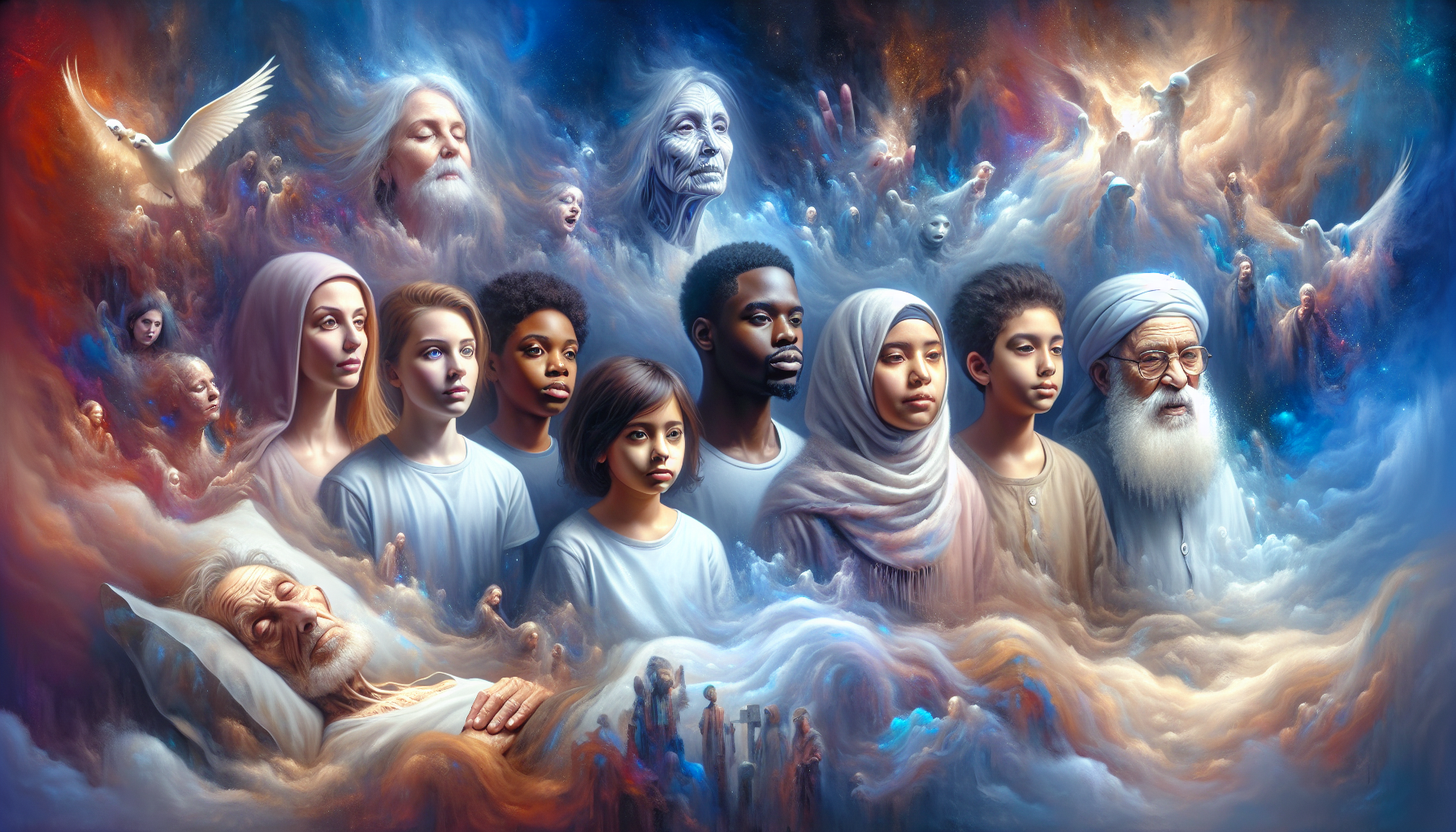
Have you ever experienced the sensation of being awake but unable to move? If so, you may have encountered sleep paralysis, a phenomenon that has perplexed and fascinated people across various cultures and time periods. In this article, we will explore the intriguing question of why different cultures have different beliefs about sleep paralysis. We will venture into the realms of folklore, spirituality, and neuroscience to uncover the diverse interpretations and understandings of this mysterious sleep disorder. So, buckle up and prepare to unravel the captivating tapestry of cultural beliefs surrounding sleep paralysis.
Beliefs about Sleep Paralysis in Different Cultures
Sleep paralysis, a phenomenon where a person is temporarily unable to move or speak while falling asleep or waking up, has intrigued and perplexed people across different cultures for centuries. The cultural perspectives on sleep paralysis vary greatly, with each culture imparting its unique beliefs and interpretations to this intriguing phenomenon. In this article, we will explore the historical, religious, folkloric, psychological, and scientific explanations for sleep paralysis and how they differ across cultures.
Cultural Perspectives on Sleep Paralysis
One of the most fascinating aspects of sleep paralysis is how the experiences and interpretations differ between cultures. While some cultures perceive sleep paralysis as a benign experience, others associate it with malevolent forces such as demons or spirits. These variations can be attributed to a combination of cultural conditioning, ancestral beliefs, and the influence of religious and spiritual ideologies.
Cultural Variations in Experiences
Cultural variations in experiences of sleep paralysis are reflected in the way people describe their encounters. In Western cultures, sleep paralysis is often described as a terrifying and distressing experience, characterized by feelings of suffocation and a looming presence. In contrast, some African cultures view sleep paralysis as a positive encounter with ancestors or guardian spirits, providing guidance or protection. These cultural variations in experiences shape the beliefs and interpretations surrounding sleep paralysis.
Role of Cultural Conditioning
Cultural conditioning plays a significant role in shaping the way individuals perceive and interpret sleep paralysis. In societies where supernatural beliefs and practices are widespread, sleep paralysis is often attributed to the intrusion of spirits or supernatural entities. On the other hand, cultures with a more scientific worldview tend to view sleep paralysis as a natural occurrence with physiological explanations, such as sleep disorders or psychological factors. Cultural conditioning impacts not only the interpretation of sleep paralysis but also the emotional response and coping mechanisms employed by individuals.
Impact of Ancestral Beliefs
Ancestral beliefs have a profound influence on the interpretation of sleep paralysis. In some cultures, the belief in an interconnectedness between the living and the deceased shapes the perception of sleep paralysis as a spiritual encounter. These ancestral beliefs emphasize the presence and influence of departed souls, who may visit their living relatives during sleep paralysis. Such beliefs not only provide comfort but also reinforce cultural identity and heritage.

Historical and Traditional Beliefs
The historical and traditional beliefs surrounding sleep paralysis offer insight into its significance in various ancient cultures. These beliefs often revolve around the intersection of spirituality, healing practices, and shamanism.
Sleep Paralysis in Ancient Cultures
Sleep paralysis has been documented in ancient cultures throughout history. In ancient Greece, sleep paralysis was attributed to visits from spirits or the gods. Similarly, ancient Egyptians associated sleep paralysis with the presence of demons or evil spirits. These beliefs highlight the recurring theme of supernatural involvement in sleep paralysis within diverse historical cultures.
Traditional Healing Practices
Traditional healing practices in many cultures incorporate the notion of spiritual influences on health and well-being. In some tribal cultures, sleep paralysis is seen as a channel through which shamans communicate with the spirit realm. Shamans may interpret sleep paralysis as a means of diagnosing and treating spiritual imbalances or disturbances. These traditional healing practices reveal the deep-rooted connection between sleep paralysis, spirituality, and the practice of alternative medicine.
Connections to Spirituality and Shamanism
Spirituality and shamanism often intertwine with sleep paralysis, serving as a common theme in many cultural beliefs and practices. In various indigenous cultures, sleep paralysis is regarded as an opportunity for spiritual growth and personal transformation. It is seen as a doorway to the spirit world, allowing individuals to connect with their ancestors or spirit guides. The spiritual connotations associated with sleep paralysis provide a framework for interpreting the experience in a context that aligns with traditional beliefs.
Religious Interpretations
Religion has played a significant role in shaping beliefs and interpretations surrounding sleep paralysis in different cultures. The influence of religious texts, divine beings, and spiritual explanations varies across religions and contributes to the understanding of this enigmatic phenomenon.
Sleep Paralysis in Different Religions
Different religions have provided unique interpretations of sleep paralysis. In Islamic culture, sleep paralysis is associated with supernatural beings, such as jinn, who can afflict humans during sleep. In Hinduism, sleep paralysis is linked to the visitation of deities or celestial beings. Christianity often views sleep paralysis as a spiritual battle between good and evil, with demonic forces attempting to torment individuals. These religious interpretations illustrate how diverse belief systems shape the understanding of sleep paralysis.
Religious Texts and References
Religious texts and references have been used to explain and understand sleep paralysis within various religious contexts. The Quran, for example, contains references to jinn and their ability to influence human experiences, including sleep paralysis. Hindu scriptures describe encounters with celestial beings during sleep, which aligns with the experiences reported by individuals in Hindu cultures. Religious texts provide believers with a framework to interpret sleep paralysis and situate it within their religious worldview.
Divine Influences and Spiritual Explanations
Religious beliefs often attribute sleep paralysis experiences to divine or supernatural influences. Many believers interpret sleep paralysis as a spiritual encounter or a form of divine communication. It is seen as an opportunity for individuals to receive messages or guidance from higher powers. These spiritual explanations offer solace and a sense of purpose, reinforcing the religious ideologies of believers.

Folklore and Superstitions
Folklore and superstitions contribute greatly to the cultural understanding of sleep paralysis, perpetuating tales of supernatural entities and prescribing various protective measures against them.
Folklore Stories and Legends
Across numerous cultures, folklore stories and legends have emerged to explain sleep paralysis. In Japanese folklore, the phenomenon is associated with a creature called the “kanashibari,” a malevolent spirit. In Mexican folklore, it is believed that a supernatural entity known as “the old hag” sits on the chest of the paralyzed person. These folklore stories and legends serve as cautionary tales, highlighting the potential dangers associated with sleep paralysis and the need for protective measures.
Supernatural Entities and Creatures
Sleep paralysis is often associated with the presence of supernatural entities or creatures in folklore and superstitions. These entities, ranging from demons and witches to shadowy creatures, are believed to be responsible for causing feelings of helplessness and fear during sleep paralysis episodes. The belief in these supernatural entities reinforces the notion that sleep paralysis is an otherworldly phenomenon rather than a purely physiological one.
Warding off Evil Spirits
Various cultures have developed rituals or protective measures to ward off evil spirits believed to cause sleep paralysis. In African traditions, amulets or talismans are worn to protect against malevolent forces during sleep. Burning specific herbs or reciting prayers is also practiced in many cultures to ensure a safe and uninterrupted sleep. These rituals and practices reflect the cultural belief in the existence of malevolent spirits and the desire for protection against them.
Psychological and Scientific Explanations
While cultural and religious beliefs play a significant role in shaping interpretations of sleep paralysis, psychological and scientific explanations offer valuable insights into the physiological and neurological processes occurring during these episodes.
Neuroscientific Understanding of Sleep Paralysis
The field of neuroscience has shed light on the neurobiological processes underlying sleep paralysis. It is now understood that during REM sleep, a stage characterized by vivid dreams, the brain initiates temporary paralysis to prevent individuals from physically acting out their dreams. Sleep paralysis occurs when individuals suddenly awaken while their muscles remain temporarily paralyzed. This neuroscientific understanding provides a framework to explain the physiological basis of sleep paralysis experiences.
Biological Factors
Sleep disorders and certain biological factors can contribute to the frequency and intensity of sleep paralysis episodes. Conditions such as narcolepsy, sleep apnea, and insomnia have been linked to an increased likelihood of experiencing sleep paralysis. Additionally, genetic factors and individual variations in brain chemistry may also play a role in predisposing individuals to sleep paralysis. These biological factors offer scientific explanations for the occurrence of sleep paralysis and highlight the importance of considering individual differences in experiences.
Sleep Disorders and Mental Health
Sleep paralysis is commonly associated with sleep disorders and mental health conditions. Individuals diagnosed with narcolepsy often experience sleep paralysis as a symptom of their condition. Furthermore, anxiety, stress, and post-traumatic stress disorder (PTSD) have been found to be correlated with higher reports of sleep paralysis. The psychological and emotional impact of sleep paralysis should not be underestimated, and the identification and treatment of underlying sleep disorders and mental health conditions are essential.
Cultural Differences in Seeking Help
Seeking help for sleep paralysis varies across cultures due to factors such as stigma, traditional healing practices, and the integration of Western approaches to healthcare.
Stigma and Taboos
In some cultures, sleep paralysis is seen as a taboo or an indication of personal weakness or spiritual susceptibility. This stigma may prevent individuals from seeking professional help or discussing their experiences openly. There may be a cultural reluctance to acknowledge sleep paralysis as a legitimate concern, leading to a lack of awareness and understanding among healthcare professionals as well.
Traditional Healers and Medicine
In many cultures, traditional healers and alternative medicine practitioners play a crucial role in addressing sleep paralysis. These healers may employ rituals, herbs, or spiritual practices to treat or alleviate symptoms associated with sleep paralysis. The reliance on traditional healing approaches often reflects the cultural belief in the supernatural origins of sleep paralysis and the influence of spiritual forces.
Integration of Western and Traditional Approaches
In cultures where modern medical practices are more widely accepted, there is an increasing integration of Western approaches to addressing sleep paralysis. Healthcare professionals may combine pharmacological interventions, such as medications for sleep disorders, with psychological treatments to manage sleep paralysis symptoms. The integration of Western and traditional approaches allows individuals to benefit from a comprehensive treatment plan tailored to their cultural beliefs and preferences.
In conclusion, the beliefs and interpretations surrounding sleep paralysis vary across different cultures, encompassing a vast array of historical, religious, folkloric, psychological, and scientific explanations. While cultural conditioning, ancestral beliefs, and religious ideologies shape these interpretations, scientific understanding and neurological research shed light on the physiological processes occurring during sleep paralysis. Recognizing and respecting the cultural perspectives on sleep paralysis enriches our understanding of this fascinating phenomenon and provides a holistic approach to its interpretation and management.