
Have you ever woken up in the middle of the night unable to move, with a feeling of dread washing over you? This could be a symptom of sleep paralysis, a phenomenon that affects many people around the world. In this article, we will explore what sleep paralysis is, its potential causes, and how practicing self-compassion can help you navigate the difficult emotions that come with experiencing it.
Understanding Sleep Paralysis
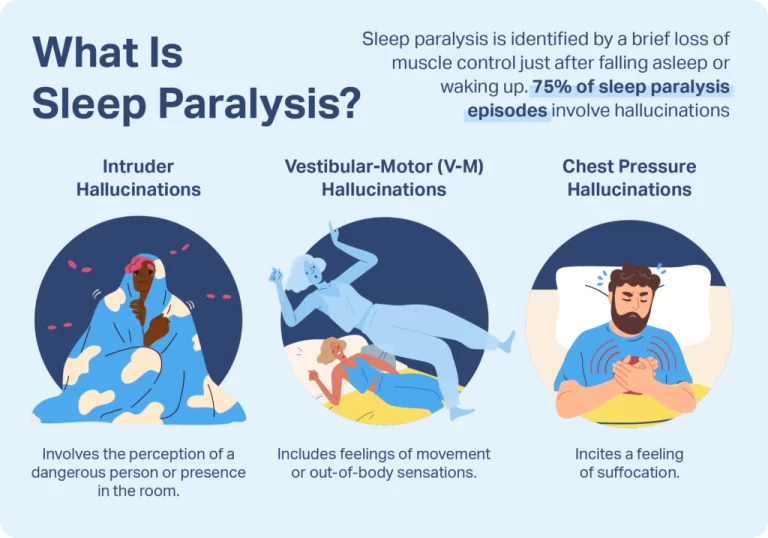
Sleep paralysis is a temporary inability to move or speak that occurs when you wake up from sleep. It can be a frightening experience, as you are conscious but unable to move your body. This phenomenon often comes with hallucinations and a feeling of pressure on your chest, making it feel like there is a presence in the room with you.
What Happens During Sleep Paralysis
During REM (rapid eye movement) sleep, your body enters a state of muscle atonia, which prevents you from acting out your dreams and potentially harming yourself. In some cases, this muscle atonia continues into the waking state, leading to sleep paralysis. Your mind is awake, but your body is still in a state of sleep-induced paralysis, causing feelings of helplessness and fear.
How Long Does Sleep Paralysis Last?
Episodes of sleep paralysis usually last for a few seconds to a few minutes, but they can feel much longer when you are in the midst of experiencing it. The fear and panic that often accompany sleep paralysis can make it seem like an eternity, but it is usually a short-lived phenomenon.
The Causes of Sleep Paralysis
While the exact cause of sleep paralysis is not fully understood, there are a few factors that can contribute to its occurrence. Understanding these potential causes can help you navigate through the experience with more clarity and self-compassion.
Sleep Deprivation and Disrupted Sleep Patterns
Lack of sleep or irregular sleep schedules can increase your chances of experiencing sleep paralysis. When your body is deprived of the rest it needs, it can disrupt the natural sleep cycle and lead to episodes of sleep paralysis.
Stress and Anxiety
High levels of stress and anxiety can also trigger sleep paralysis episodes. The body’s response to stress can impact the quality of your sleep and make you more susceptible to disruptions in your REM cycle, leading to paralysis upon waking.
Other Potential Causes
Other factors that may contribute to sleep paralysis include:
- Sleeping on your back
- Narcolepsy
- Post-traumatic stress disorder (PTSD)
- Substance abuse
Coping Strategies for Dealing with Sleep Paralysis
Experiencing sleep paralysis can be a terrifying and disorienting experience, but there are strategies you can use to cope with and navigate through these episodes. Implementing self-compassion practices into your routine can help you manage the difficult emotions that come with sleep paralysis.
Mindfulness and Grounding Techniques
Practicing mindfulness and grounding techniques can help you stay present and calm during an episode of sleep paralysis. Focusing on your breath, listening to calming music, or gently wiggling your fingers and toes can help ground you in the present moment and reduce feelings of anxiety.
Creating a Relaxing Sleep Environment
Establishing a relaxing sleep environment can promote better sleep hygiene and reduce the likelihood of experiencing sleep paralysis. Make sure your bedroom is dark, quiet, and at a comfortable temperature to create an optimal sleep environment.
Seeking Support from Loved Ones
Talking to loved ones about your experiences with sleep paralysis can help you feel heard and supported. Sharing your feelings and fears with others can provide a sense of connection and reassurance during difficult times.
The Role of Self-Compassion in Navigating Difficult Emotions
Self-compassion is the practice of treating yourself with kindness, understanding, and acceptance in times of struggle or suffering. Cultivating self-compassion can help you navigate through difficult emotions like fear, helplessness, and anxiety that often accompany sleep paralysis.
Recognizing Your Emotions
Acknowledge and validate your emotions when you experience sleep paralysis. It is okay to feel scared, anxious, or frustrated during these episodes. Recognizing and accepting your feelings is the first step towards practicing self-compassion.
Offering Yourself Kindness and Understanding
Instead of criticizing yourself for feeling frightened or helpless, offer yourself kindness and understanding. Treat yourself as you would a close friend going through a difficult time, with gentleness and compassion.
Being Mindful of Self-Talk
Pay attention to the way you talk to yourself during episodes of sleep paralysis. Avoid negative self-talk and self-criticism, and instead, focus on offering yourself words of encouragement and reassurance.

Implementing Self-Compassion Practices into Your Daily Routine
Incorporating self-compassion practices into your daily routine can help you build resilience and emotional strength when dealing with sleep paralysis. Here are some strategies you can use to cultivate self-compassion in your life:
Self-Compassion Meditation
Practice self-compassion meditation to cultivate feelings of kindness and compassion towards yourself. Sit quietly, close your eyes, and repeat affirmations of self-love and acceptance to promote a sense of inner peace and calm.
Journaling
Keep a journal to record your thoughts and feelings during episodes of sleep paralysis. Writing about your experiences can help you process your emotions and gain insights into patterns or triggers that may contribute to your symptoms.
Self-Care Practices
Engage in activities that bring you joy and relaxation to nurture your emotional well-being. Take time to prioritize self-care through activities like yoga, meditation, reading, or spending time in nature.
Seeking Professional Help and Support
If you find that your episodes of sleep paralysis are impacting your daily life or causing significant distress, it may be helpful to seek professional help and support. A mental health professional, such as a therapist or counselor, can provide guidance and strategies for managing difficult emotions and coping with sleep paralysis.
Therapy
Therapy can be an effective tool for addressing the underlying causes of sleep paralysis and developing coping strategies for dealing with the associated emotions. Cognitive-behavioral therapy (CBT) and exposure therapy are often used to help individuals manage feelings of fear and anxiety related to sleep paralysis.
Support Groups
Joining a support group for individuals who experience sleep paralysis can provide a sense of community and understanding. Connecting with others who share similar experiences can help you feel less alone and more supported in your journey towards healing.
Medication
In some cases, medications may be prescribed to help manage symptoms of anxiety or sleep disturbances related to sleep paralysis. Talk to your healthcare provider about the potential benefits and risks of medication as part of your treatment plan.

Conclusion: Embracing Self-Compassion in the Face of Sleep Paralysis
Navigating through episodes of sleep paralysis can be a challenging and unsettling experience, but incorporating self-compassion practices into your life can help you manage the difficult emotions that come with it. By recognizing your emotions, offering yourself kindness and understanding, and implementing self-compassion practices into your daily routine, you can build resilience and emotional strength to cope with sleep paralysis and its associated fears. Remember, you are not alone in this journey, and there is help and support available to guide you towards healing and well-being.