

Imagine waking up in the middle of the night, feeling a heavy weight on your chest, unable to move or speak. Panic starts to set in as you realize you’re experiencing sleep paralysis. In this article, we will explore the realm of sleep paralysis from a personal perspective, discussing the various techniques and coping mechanisms that can help you navigate through this eerie and unsettling phenomenon. Join us as we delve into the mysterious and often misunderstood world of sleep paralysis, offering insights and strategies to find comfort and peace during these unsettling episodes.
Understanding Sleep Paralysis
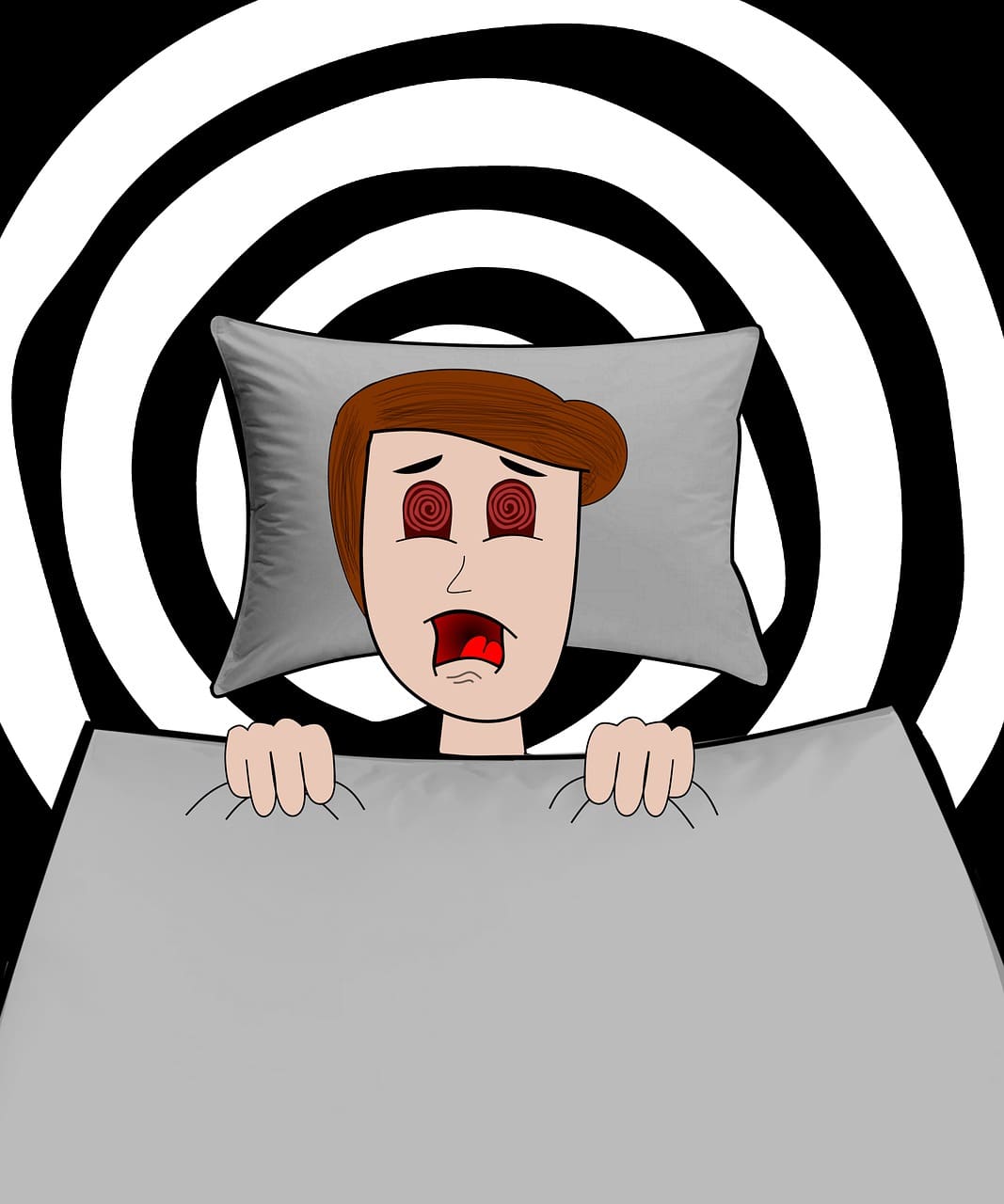
Sleep paralysis is a phenomenon that occurs during the transition between wakefulness and sleep, leaving you temporarily unable to move or speak. It is a fairly common sleep disorder that can be quite unsettling if one is not familiar with it. In this article, we will explore the definition and explanation of sleep paralysis, the possible causes, and the common symptoms associated with it.
Definition and Explanation
Sleep paralysis is a sleep disorder that causes a temporary inability to move or speak while falling asleep or waking up. During an episode of sleep paralysis, you may feel awake and aware of your surroundings, but your body remains in a state of paralysis. This phenomenon can last from a few seconds to a couple of minutes, leaving you feeling trapped and helpless. It is important to note that although sleep paralysis can be frightening, it is generally harmless and does not cause any physical harm.
Causes of Sleep Paralysis
The exact cause of sleep paralysis is still unknown, but it is believed to be closely tied to disrupted sleep patterns and certain sleep disorders. Some of the common causes include:
-
Sleep deprivation: A lack of sufficient sleep can increase the likelihood of experiencing sleep paralysis. When your body is sleep-deprived, it can disrupt the normal sleep cycle, leading to episodes of paralysis.
-
Irregular sleep schedule: Frequently changing your sleep schedule or having an inconsistent sleep routine can also trigger sleep paralysis. Your body relies on a consistent sleep pattern to transition smoothly between sleep stages, and disruptions to this routine can increase the chances of experiencing paralysis.
-
Sleep disorders: Conditions such as narcolepsy, insomnia, and sleep apnea have been linked to sleep paralysis. These disorders can disrupt the normal sleep patterns and increase the likelihood of experiencing episodes of paralysis.
-
Stress and anxiety: High levels of stress and anxiety can have a significant impact on your sleep quality and increase the chances of sleep paralysis. Mental and emotional stress can disrupt the normal sleep cycle, leading to episodes of paralysis.
Common Symptoms
The symptoms experienced during sleep paralysis can vary from person to person, but there are some common characteristics that are often reported. These symptoms may include:
-
Inability to move: The most prominent symptom of sleep paralysis is the temporary inability to move or speak. You may feel completely paralyzed, unable to control any muscle movements, even though you are fully aware of your surroundings.
-
Sensation of pressure or weight on the chest: Many individuals with sleep paralysis report a sensation of pressure or weight on their chest. This can make breathing difficult and intensify the feeling of fear or panic during an episode.
-
Hallucinations: Sleep paralysis can sometimes be accompanied by vivid auditory or visual hallucinations. These hallucinations may involve seeing or hearing things that are not actually there, adding to the overall sense of fear and confusion.
-
Rapid heartbeat and breathing: During an episode, it is common to experience an increased heart rate and rapid breathing. The feeling of helplessness and fear can trigger a fight-or-flight response, leading to these physiological reactions.
Personal Experience with Sleep Paralysis
Sleep paralysis is not something that can be fully understood without experiencing it firsthand. As someone who has dealt with sleep paralysis for several years, I can provide a personal perspective on the matter. From my first encounter to the frequent occurrences and the effects on my daily life, sleep paralysis has had a significant impact on my overall well-being.
My First Encounter
My first encounter with sleep paralysis was both terrifying and confusing. I remember waking up in the middle of the night unable to move or speak, with a distinct feeling of someone being in the room with me. I could hear faint whispers and footsteps, but I was completely paralyzed. It felt like an eternity before the episode finally ended, leaving me feeling shaken and afraid to sleep.
Frequent Occurrences
Unfortunately, my experiences with sleep paralysis did not end with that initial encounter. Over the years, I have had frequent episodes of sleep paralysis, sometimes multiple times in a single night. Each episode brings with it a sense of dread and helplessness, knowing that I am about to endure another bout of temporary paralysis. It has become a routine part of my sleep pattern, and I often find myself dreading going to bed.
Effects on Daily Life
The effects of sleep paralysis extend far beyond the night itself. The constant lack of quality sleep has taken a toll on my overall well-being. I often wake up feeling exhausted and drained, struggling to find the energy to tackle the day ahead. It has also affected my mood and mental health, as the fear and anxiety associated with sleep paralysis seep into other areas of my life. It is difficult to explain to others who have never experienced it, leading to feelings of isolation and a sense that no one truly understands what I am going through.
Coping Mechanisms
Dealing with sleep paralysis can be challenging, but there are coping mechanisms that can help alleviate its impact on your daily life. From seeking professional help to developing a sleep routine and creating a comfortable sleep environment, these strategies have been valuable in managing my experiences with sleep paralysis.
Seeking Professional Help
One of the first steps I took in coping with sleep paralysis was seeking the help of a healthcare professional. They were able to provide a clearer understanding of the condition and suggest various methods to manage it. This included exploring potential underlying sleep disorders, such as sleep apnea or narcolepsy, which could be contributing to the frequency of sleep paralysis episodes. With their guidance, I was able to develop a personalized approach to managing my condition.
Developing a Sleep Routine
Establishing a consistent sleep routine has been crucial in managing sleep paralysis. Going to bed and waking up at the same time every day helps regulate the sleep-wake cycle, minimizing disruptions that can trigger episodes of paralysis. This routine includes creating a relaxing bedtime routine, such as reading a book or taking a warm bath, to prepare my mind and body for sleep. Avoiding stimulating activities or electronics close to bedtime has also been essential in promoting a restful night’s sleep.
Creating a Comfortable Sleep Environment
Creating a comfortable sleep environment is another important aspect of coping with sleep paralysis. Ensuring that your bedroom is conducive to sleep can help reduce anxiety and promote relaxation. This includes keeping the room cool, dark, and quiet, and investing in a comfortable mattress and pillows that support good sleep posture. It can also be helpful to eliminate any potential sleep disruptors, such as excessive noise or light, to create an environment that promotes restful sleep.
In conclusion, sleep paralysis is a sleep disorder that can be quite distressing, but it is important to remember that it is generally harmless and does not cause any physical harm. Understanding the definition and explanation of sleep paralysis, the possible causes, and the common symptoms associated with it is crucial in managing and coping with this condition. By seeking professional help, developing a consistent sleep routine, and creating a comfortable sleep environment, you can take control of your experiences and minimize the impact of sleep paralysis on your daily life.