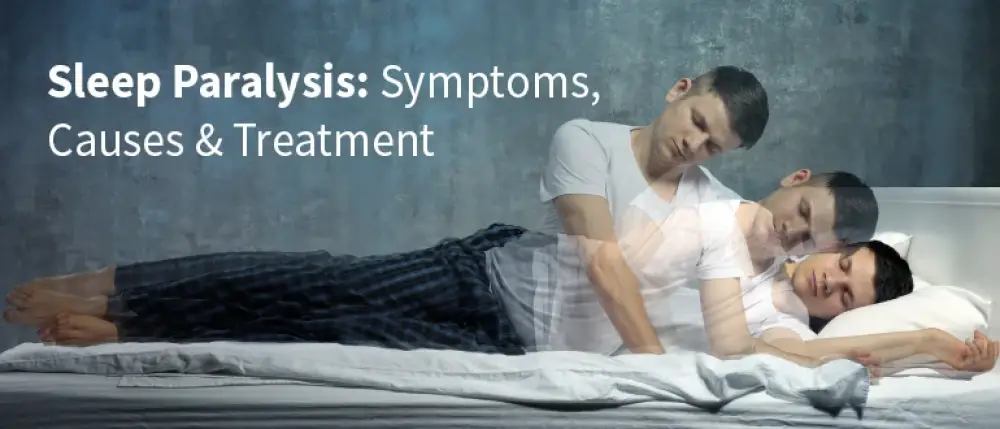
Have you ever experienced sleep paralysis?
Sleep paralysis is a common phenomenon that many people experience at least once in their lifetime. It can be a frightening and unsettling experience, leaving you feeling vulnerable and anxious. But what exactly is sleep paralysis, and how does it affect your physical health?
Understanding sleep paralysis
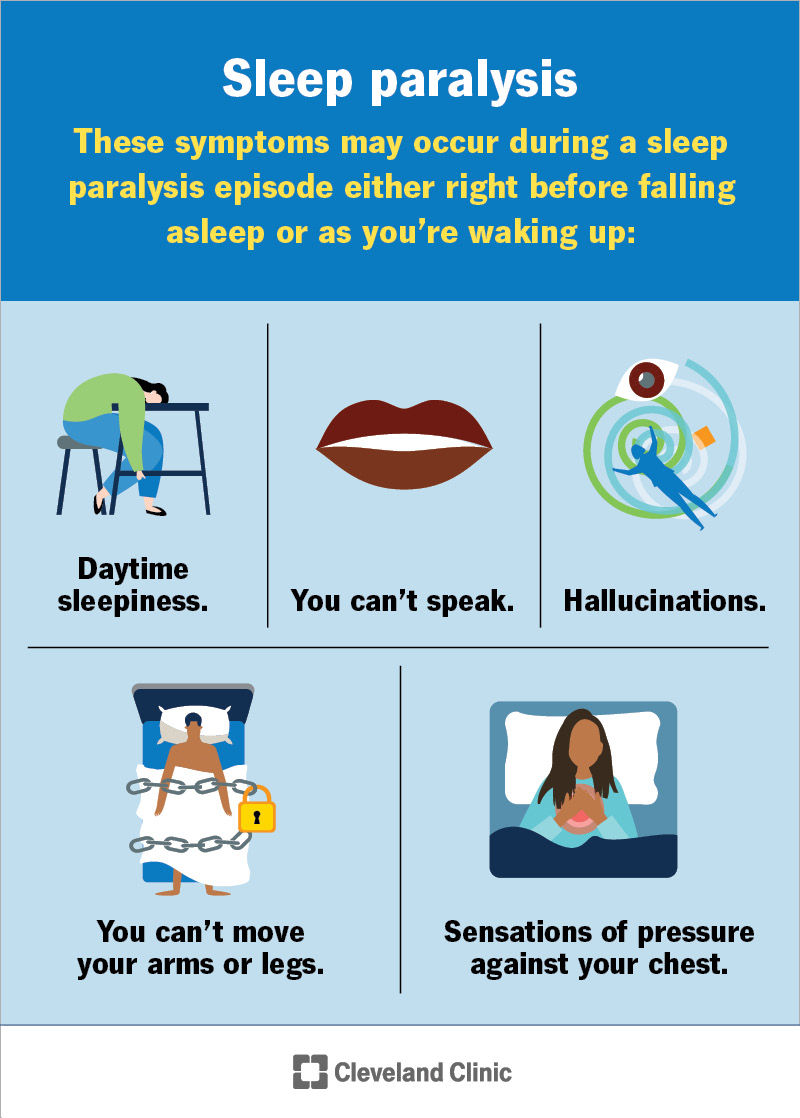
Sleep paralysis is a condition in which you are unable to move or speak while falling asleep or waking up. It occurs when the body is in a state of rest, known as REM (rapid eye movement) sleep. During REM sleep, the body is essentially paralyzed to prevent you from acting out your dreams. However, in some cases, the brain wakes up before the body fully exits this state, leading to the sensation of paralysis.
The science behind sleep paralysis
When you enter REM sleep, your brain sends signals to your spinal cord to inhibit muscle movement. This is known as REM atonia. In cases of sleep paralysis, one theory suggests that the brain wakes up before the REM atonia wears off, leading to the feeling of being paralyzed.
The experience of sleep paralysis
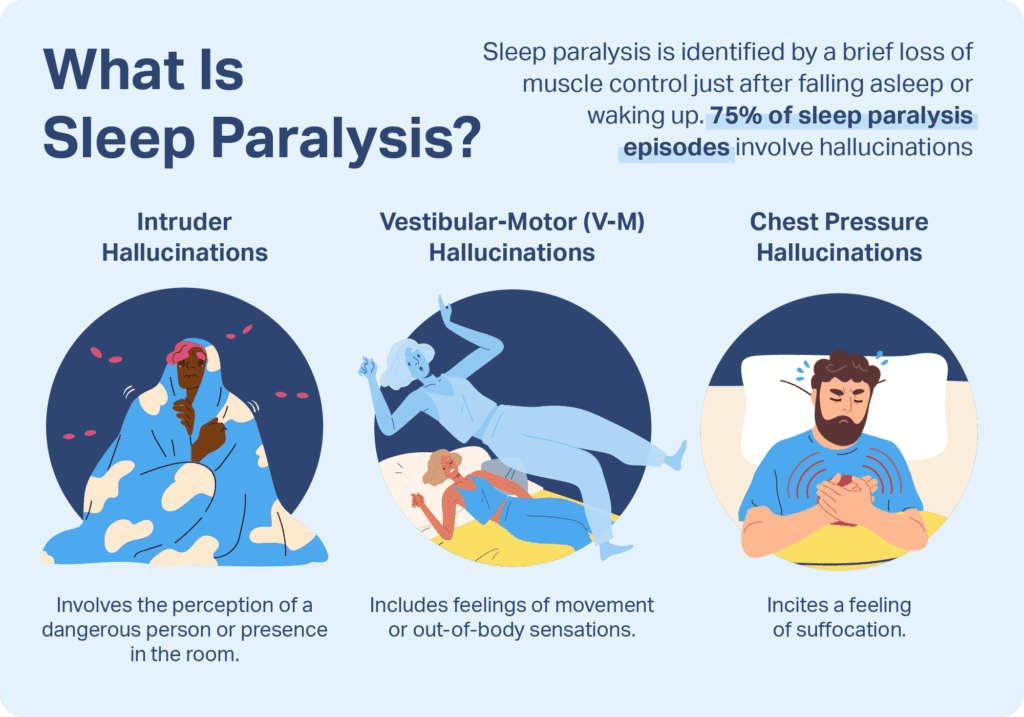
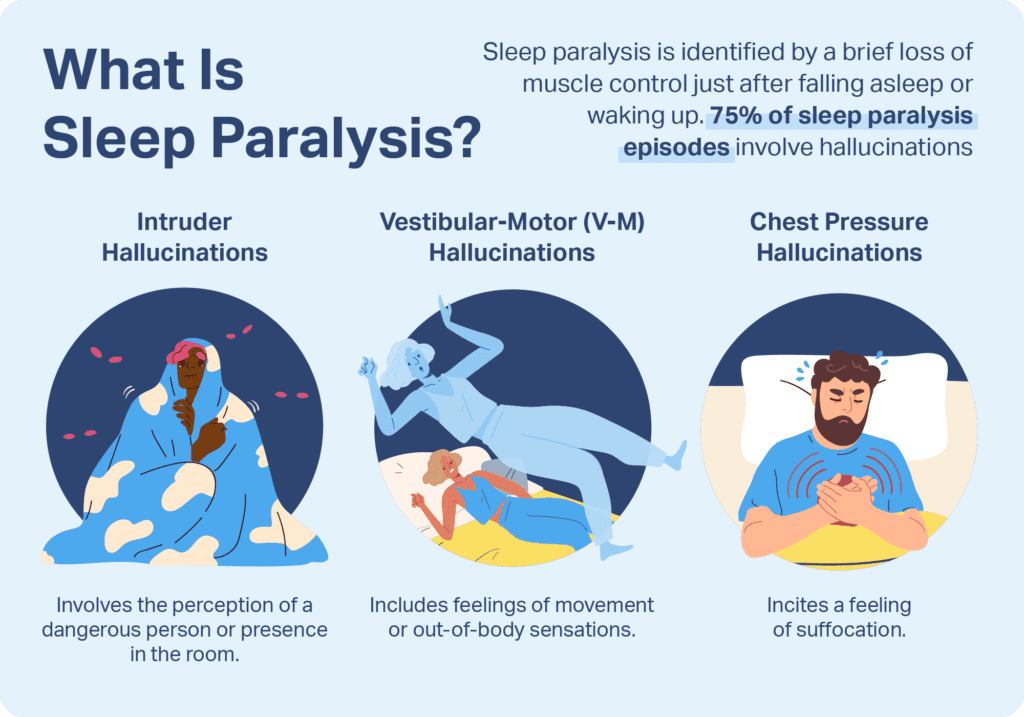
During an episode of sleep paralysis, you may feel like you are fully conscious but unable to move or speak. Some people report feeling pressure on their chest or a sense of impending doom. These hallucinations are known as hypnagogic or hypnopompic hallucinations and can be a terrifying aspect of sleep paralysis.
The impact of sleep paralysis on physical health
Sleep paralysis can have a significant impact on your physical health due to the disruptions it causes in your sleep patterns. Understanding these effects can help you take steps to manage and mitigate the impact of sleep paralysis on your overall well-being.
Disrupted sleep patterns
One of the most immediate effects of sleep paralysis is the disruption it causes in your sleep patterns. Episodes of sleep paralysis can jolt you out of a restful sleep, leading to feelings of fatigue and grogginess the next day. Poor quality sleep can also have long-term effects on your physical health, including an increased risk of chronic conditions such as heart disease and diabetes.
Increased risk of sleep disorders
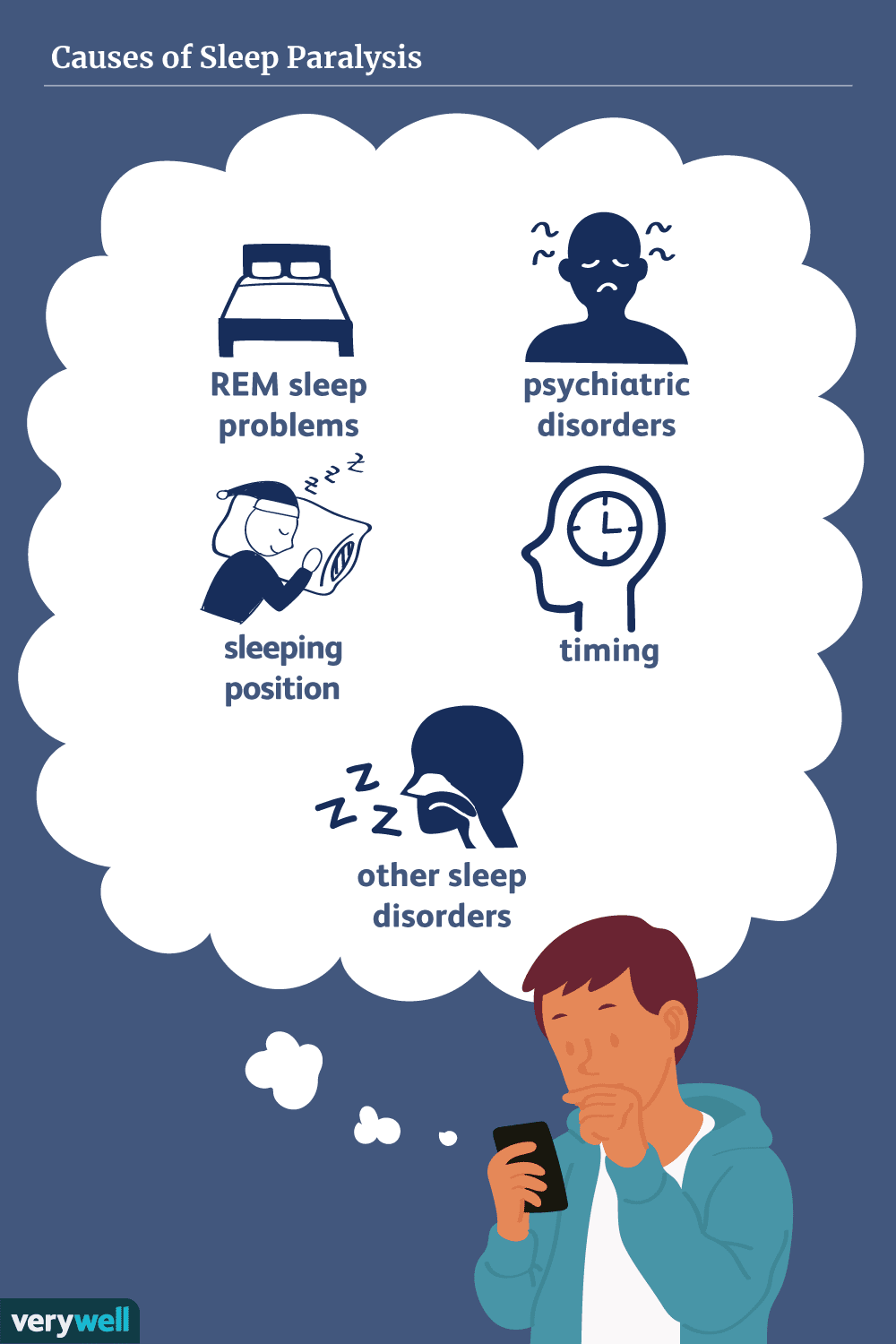
Sleep paralysis is often associated with other sleep disorders, such as insomnia and sleep apnea. These conditions can further disrupt your sleep patterns and lead to a cycle of poor sleep quality. It is important to address these underlying sleep disorders to prevent the recurrence of sleep paralysis and improve your overall physical health.
Stress and anxiety
The fear and anxiety caused by episodes of sleep paralysis can also take a toll on your physical health. Chronic stress and anxiety can lead to a variety of health problems, including high blood pressure, weakened immune function, and digestive issues. Learning to manage stress and anxiety can help reduce the frequency and severity of sleep paralysis episodes.
Managing and coping with sleep paralysis
While sleep paralysis can be a challenging condition to deal with, there are strategies you can use to manage and cope with its effects on your physical health. By implementing healthy sleep habits and addressing any underlying issues, you can improve your overall well-being and reduce the impact of sleep paralysis on your physical health.
Establishing a bedtime routine
Creating a consistent bedtime routine can help regulate your sleep patterns and reduce the frequency of sleep paralysis episodes. Try to go to bed and wake up at the same time every day, avoid caffeine and electronics before bed, and create a relaxing sleep environment. These habits can signal to your body that it is time to rest and can help improve the quality of your sleep.
Addressing underlying sleep disorders
If you are experiencing frequent episodes of sleep paralysis, it may be a sign of an underlying sleep disorder. Conditions such as insomnia, sleep apnea, and narcolepsy can exacerbate the symptoms of sleep paralysis. Speaking with a healthcare provider or sleep specialist can help you identify and address these issues to improve your sleep quality and overall physical health.
Practicing stress-reduction techniques
Stress and anxiety can worsen the symptoms of sleep paralysis and impact your physical health. Incorporating stress-reduction techniques into your daily routine, such as mindfulness meditation, deep breathing exercises, or yoga, can help you manage your stress levels and promote relaxation. These practices can also improve your overall sleep quality and reduce the likelihood of sleep paralysis episodes.
Seeking support from a healthcare provider
If you are struggling to cope with the effects of sleep paralysis on your physical health, it may be helpful to consult with a healthcare provider. A doctor or sleep specialist can evaluate your symptoms, identify any underlying issues, and develop a treatment plan to improve your sleep quality and overall well-being. They can also provide guidance on managing stress, anxiety, and other factors that may contribute to sleep paralysis.
Conclusion
Sleep paralysis can have a significant impact on your physical health, leading to disrupted sleep patterns, increased risk of sleep disorders, and heightened stress and anxiety. By understanding the effects of sleep paralysis and implementing strategies to manage and cope with its symptoms, you can improve your overall well-being and reduce the impact of sleep paralysis on your physical health. Remember to prioritize healthy sleep habits, address underlying sleep disorders, practice stress-reduction techniques, and seek support from a healthcare provider to effectively manage sleep paralysis and protect your physical health.