
Welcome to an exploration of how sleep paralysis is perceived in Eastern cultures. Sleep paralysis is a phenomenon that affects people worldwide, but cultural beliefs and interpretations can vary greatly. In Eastern cultures, sleep paralysis is often viewed through a lens of spirituality and mysticism, with some traditions attributing it to supernatural beings or negative energies. Understanding the diverse cultural perspectives on sleep paralysis can provide valuable insight into the human experience of this mysterious phenomenon. How is sleep paralysis perceived in Eastern cultures?
Understanding Sleep Paralysis: A Brief Overview
Sleep paralysis is a phenomenon that occurs when a person is unable to move or speak while falling asleep or waking up. This can be a terrifying experience, as individuals may feel awake but unable to move or talk. In Western cultures, sleep paralysis is often attributed to scientific explanations such as sleep disorders or stress. However, in Eastern cultures, the perception of sleep paralysis is often influenced by cultural and spiritual beliefs. Let’s explore how sleep paralysis is perceived in various Eastern cultures.
The Cultural Significance of Sleep Paralysis
Sleep paralysis has been experienced and documented throughout history, with many cultures attributing different meanings to this phenomenon. In Eastern cultures, sleep paralysis is often seen as a spiritual or supernatural occurrence rather than a medical condition. This can influence how individuals perceive and cope with sleep paralysis experiences.
Sleep Paralysis in Chinese Culture
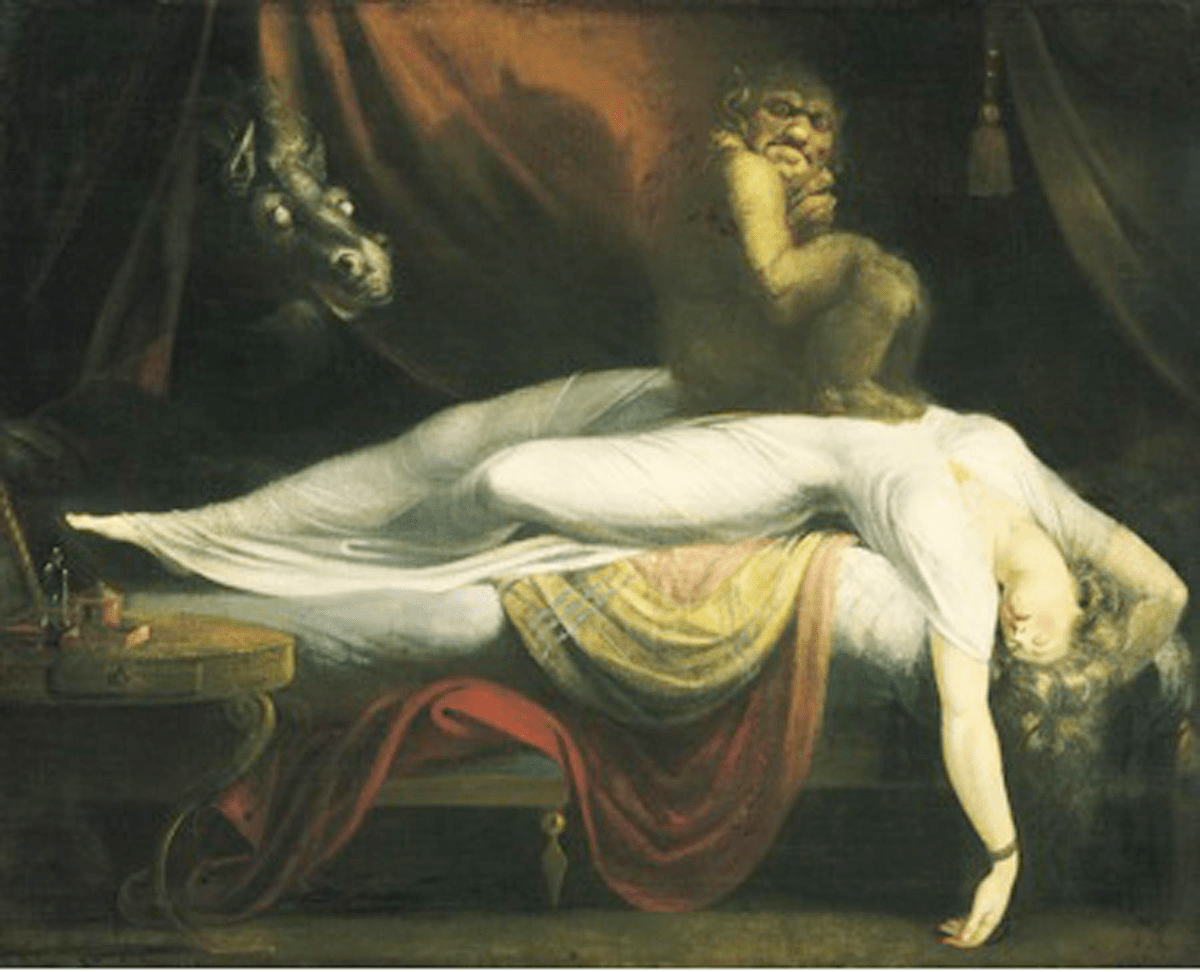
In Chinese culture, sleep paralysis is often linked to the concept of “ghost oppression.” This belief suggests that evil spirits or ghosts may be responsible for causing sleep paralysis by preventing a person’s soul from re-entering their body after dreaming. According to traditional Chinese medicine, sleep paralysis may also be linked to imbalances in the body’s Qi (energy flow) or disruptions in the balance of Yin and Yang.
Coping with Sleep Paralysis in Chinese Culture
To prevent or cope with sleep paralysis in Chinese culture, individuals may turn to traditional practices such as acupuncture, herbal remedies, or Feng Shui to rebalance the body’s energy. Some may also seek guidance from spiritual leaders or perform rituals to ward off supernatural entities thought to be causing sleep paralysis.
Sleep Paralysis in Japanese Culture
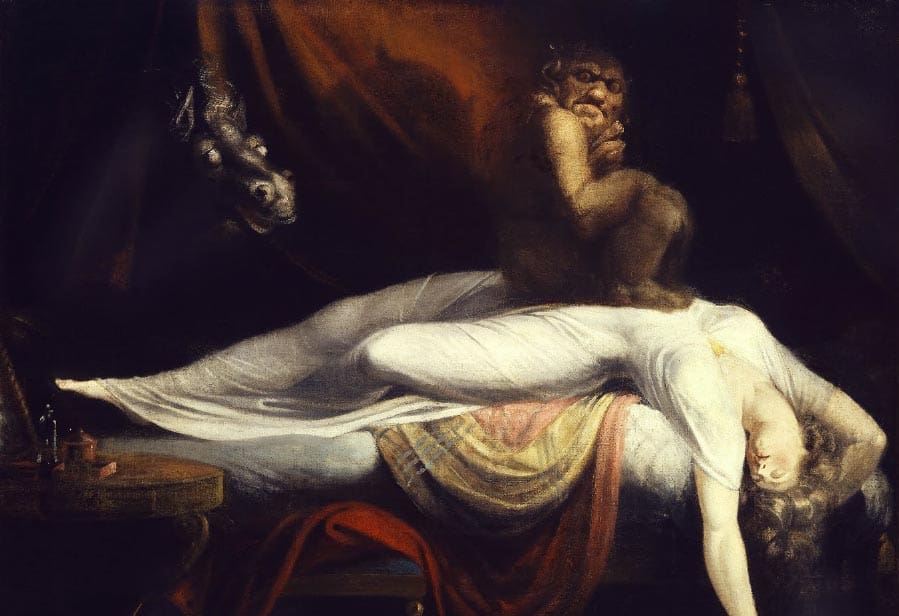
In Japanese culture, sleep paralysis is referred to as “kanashibari” or “kara-kasa-obake.” Similar to Chinese beliefs, sleep paralysis in Japan is often associated with supernatural beings or spirits. It is believed that during sleep paralysis, an individual’s body becomes vulnerable to possession or attack by malevolent entities.
Coping with Sleep Paralysis in Japanese Culture
To protect against sleep paralysis in Japan, individuals may place protective amulets or talismans under their pillows, hang charms near their beds, or perform rituals to ward off evil spirits. Some may also seek the help of Shinto priests or visit temples to receive blessings for protection against sleep paralysis.
Sleep Paralysis in Indian Culture
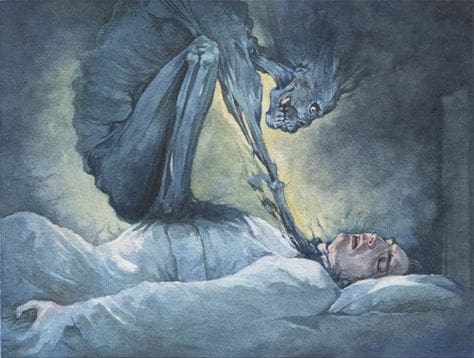
In Indian culture, sleep paralysis is often viewed through the lens of spirituality and karma. Some believe that sleep paralysis is a result of past life sins or negative energy that has carried over into the current life. This perspective suggests that individuals experiencing sleep paralysis may need to purify their karma or seek spiritual guidance to overcome these challenges.
Coping with Sleep Paralysis in Indian Culture
To address sleep paralysis in Indian culture, individuals may practice yoga, meditation, or engage in religious rituals to cleanse their energy and purify their karma. Seeking the guidance of spiritual gurus or performing self-reflection practices may also be recommended to overcome the spiritual aspects of sleep paralysis.
Sleep Paralysis in Korean Culture
In Korean culture, sleep paralysis is often referred to as “Gawi Nul” or “Gawi-Bul-Lyeot.” Similar to other Eastern cultures, sleep paralysis in Korea is associated with supernatural encounters or haunting experiences. It is believed that during sleep paralysis, individuals may come face to face with malevolent spirits or entities that may elicit fear or harm.
Coping with Sleep Paralysis in Korean Culture
To protect against sleep paralysis in Korea, individuals may engage in protective rituals, such as burning incense, reciting prayers, or seeking guidance from shamans or spiritual leaders. Some may also incorporate traditional Korean practices, such as herbal remedies or energy healing, to counteract the negative effects of sleep paralysis.
Conclusion
In Eastern cultures, the perception of sleep paralysis is often intertwined with cultural, spiritual, and supernatural beliefs. While Western perspectives on sleep paralysis tend to focus on scientific explanations and medical interventions, Eastern cultures offer a unique lens through which to understand and cope with this phenomenon. By exploring the cultural significance of sleep paralysis in Chinese, Japanese, Indian, and Korean cultures, we can gain a deeper appreciation for the diverse ways in which individuals around the world interpret and address this mysterious sleep phenomenon. Remember, while the experience of sleep paralysis may vary across cultures, it is essential to seek support and guidance if you are struggling to cope with this phenomenon.