Welcome to an exploration of cultural rituals related to sleep paralysis. From the eerie tales of spirits holding you down as you sleep to the ancient practices of warding off evil entities, different cultures around the world have developed unique rituals to deal with this unsettling phenomenon. Join us as we dive into the fascinating traditions that have been passed down through generations to help individuals cope with the mysterious experience of sleep paralysis.
Have you ever woken up in the middle of the night unable to move, with a feeling of heaviness on your chest?
Sleep paralysis can be a terrifying experience, leaving you feeling trapped and helpless. However, did you know that different cultures around the world have their own unique beliefs and rituals related to sleep paralysis? In this article, we will explore the fascinating cultural rituals surrounding sleep paralysis and how they can provide insight into this mysterious phenomenon. So grab a cup of tea, get cozy, and let’s delve into the world of cultural rituals related to sleep paralysis together!
Understanding Sleep Paralysis
Before we dive into the cultural rituals related to sleep paralysis, let’s first understand what sleep paralysis is.
Sleep paralysis is a phenomenon that occurs when a person wakes up during the REM (rapid eye movement) stage of sleep and finds themselves unable to move or speak. This state can be accompanied by hallucinations, a feeling of pressure on the chest, and an intense sense of fear. While sleep paralysis is a relatively common experience, with about 8% of the general population experiencing it at least once in their life, it can be a distressing and confusing ordeal for those who have not encountered it before.
What Causes Sleep Paralysis?
The exact cause of sleep paralysis is not fully understood, but it is believed to be linked to disrupted REM sleep patterns. During REM sleep, the body undergoes temporary muscle paralysis to prevent us from acting out our dreams. In some cases, this paralysis can persist even after waking up, leading to the sensation of being unable to move.
Cultural Beliefs Surrounding Sleep Paralysis
Throughout history, different cultures have developed their own interpretations and rituals surrounding sleep paralysis. These beliefs often stem from a mix of folklore, religion, and cultural traditions. Let’s explore some of the fascinating cultural rituals related to sleep paralysis from around the globe.
African and African-American Cultures
In many African cultures, sleep paralysis is often attributed to spiritual entities such as evil spirits, demons, or ancestral ghosts. It is believed that these entities can possess a person’s body during sleep paralysis, leading to feelings of suffocation and fear.
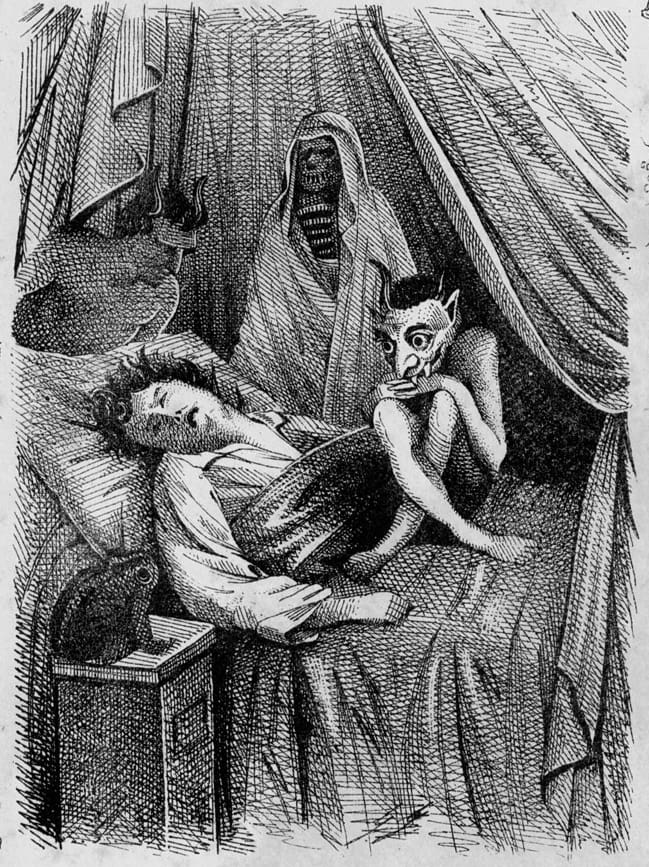
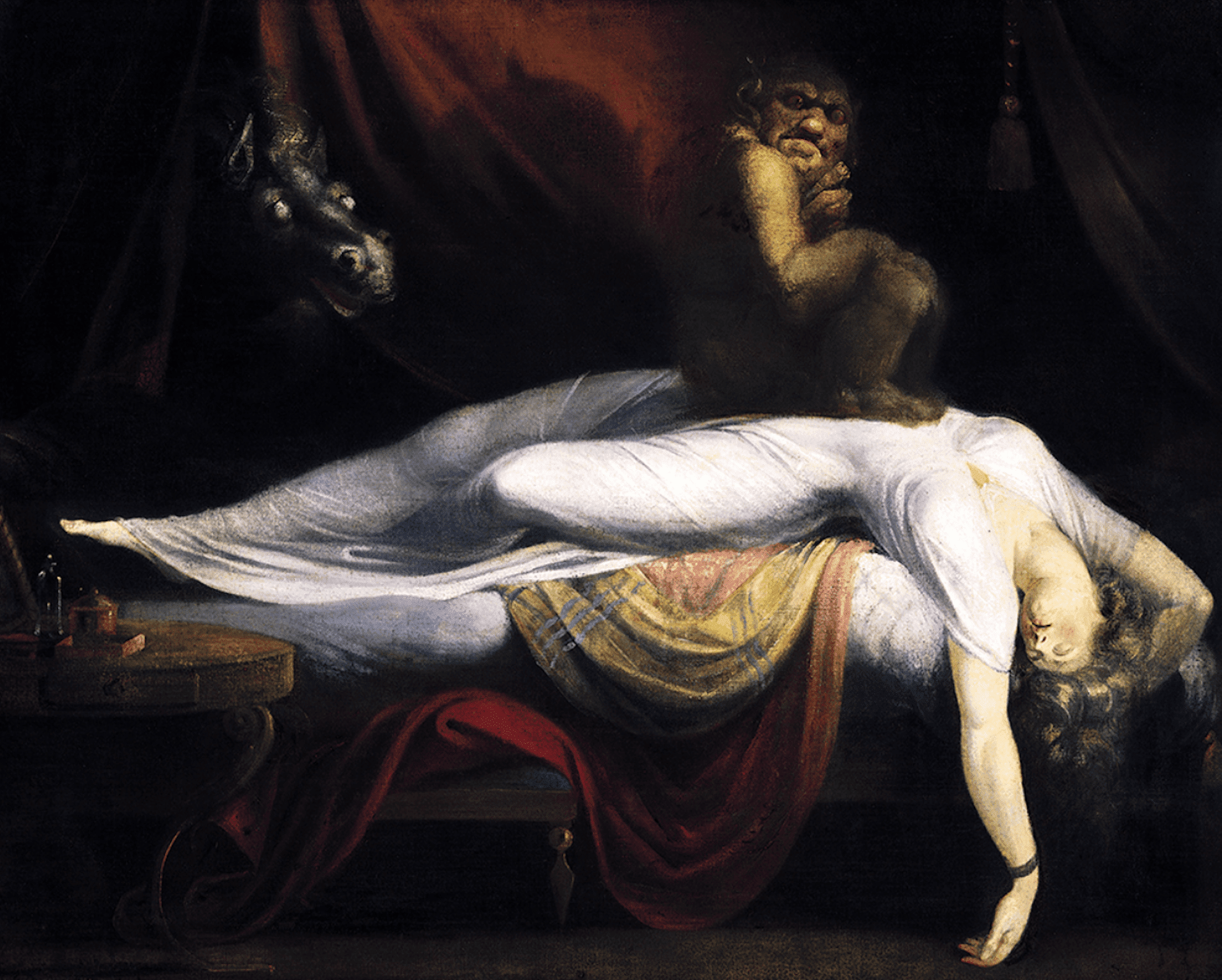
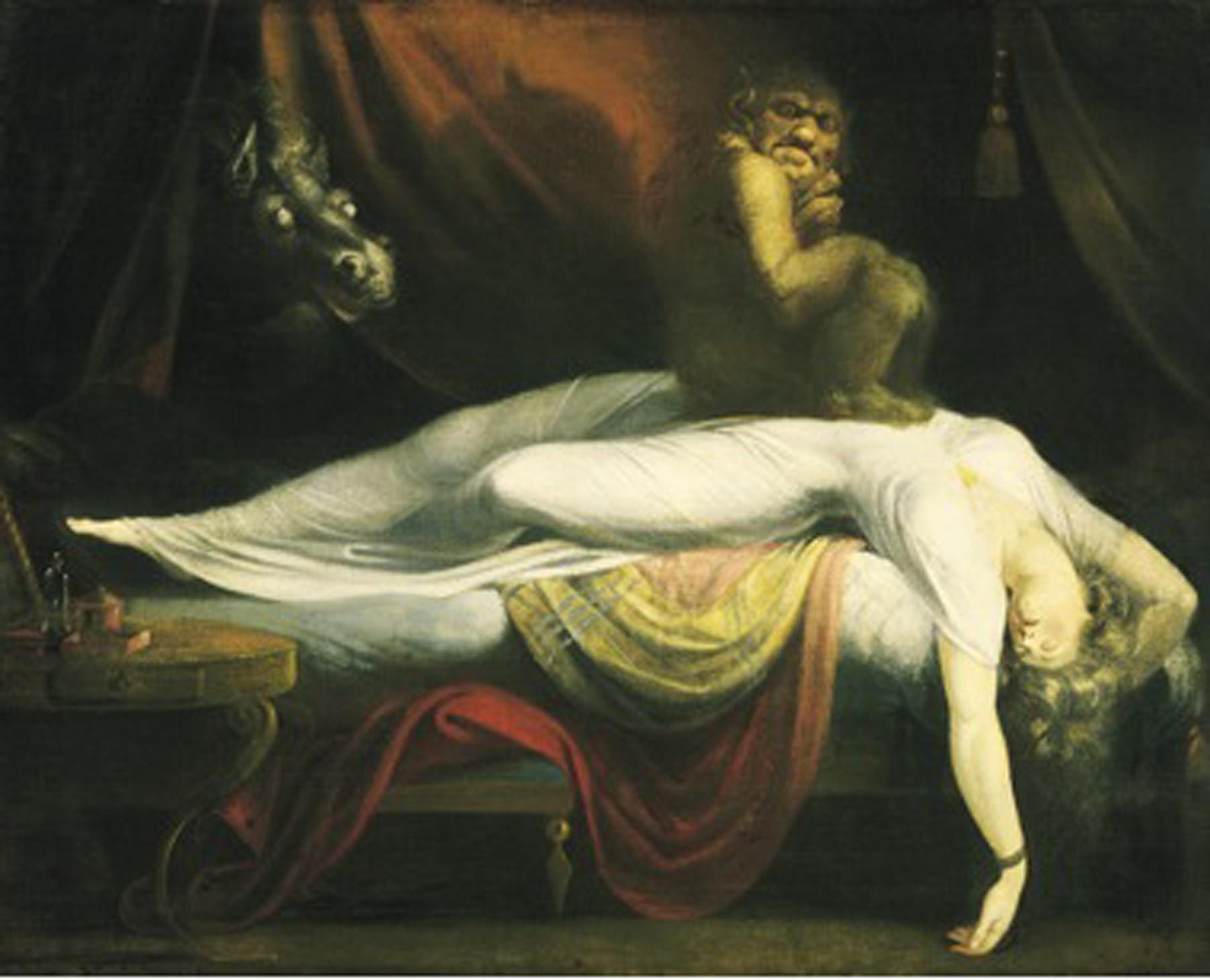
In African-American folklore, the “Old Hag Syndrome” is a common explanation for sleep paralysis. This belief holds that a malevolent spirit called the “old hag” sits on the chest of the sleeping person, causing the feeling of pressure and heaviness.
Asian Cultures
In Asian cultures such as Japan and China, sleep paralysis is often associated with supernatural beings like ghosts, demons, or fox spirits. These entities are believed to be attracted to vulnerable individuals during sleep paralysis, leading to a sense of dread and terror.
In Japan, a creature known as the “kanashibari” is said to be responsible for sleep paralysis. It is depicted as a ghostly figure that sits on the sleeping person’s chest, making it difficult for them to move or breathe.
Caribbean and Latin American Cultures
In the Caribbean and Latin American regions, sleep paralysis is often viewed as a form of spiritual attack or witchcraft. It is believed that malevolent forces or witches can enter a person’s room at night and paralyze them as a form of punishment or revenge.
In some cultures, protective rituals such as placing charms or crosses near the bed are practiced to ward off evil spirits and prevent sleep paralysis from occurring.
European and Western Cultures
In European and Western cultures, sleep paralysis has been linked to folklore creatures such as vampires, witches, and demons. It is often viewed as a sign of supernatural interference or malevolent spirits haunting the sleeper.
In some Christian traditions, reciting prayers or invoking the name of God during sleep paralysis is believed to offer protection and ward off evil influences. Similarly, wearing an amulet or carrying a talisman is thought to provide spiritual protection against negative forces.

Cultural Rituals and Remedies for Sleep Paralysis
In response to the perceived spiritual nature of sleep paralysis, many cultures have developed rituals and remedies to ward off evil spirits and protect against supernatural attacks. These rituals often involve invoking divine or ancestral beings, using protective talismans, or performing cleansing ceremonies.
African Rituals
In African cultures, rituals for dealing with sleep paralysis often involve calling upon ancestral spirits or shamans to intervene and protect the individual. Offerings of food, drink, or other gifts may be made to appease the spirits and seek their assistance in warding off evil entities.
Drinking herbal teas or concoctions made from specific plants and roots is also a common practice in African folklore to protect against malevolent forces during sleep paralysis. These herbs are believed to possess protective qualities and spiritual properties that can ward off evil influences.
Asian Rituals
In Asian cultures, rituals for dealing with sleep paralysis often center around protection and purification. Burning incense, reciting prayers, and creating intricate mandalas or yantras are common practices to invoke divine protection and ward off negative energies.
In some traditions, wearing protective amulets or charms inscribed with sacred symbols is believed to offer spiritual protection against malevolent spirits during sleep paralysis. These talismans are often blessed by priests or shamans to enhance their effectiveness.
Caribbean and Latin American Rituals
In the Caribbean and Latin American regions, rituals for dealing with sleep paralysis often involve a mix of Catholic prayers, shamanic rituals, and local folk remedies. Lighting candles, sprinkling holy water, and reciting prayers to saints or guardian angels are common practices to seek protection and ward off evil spirits.
In some cultures, carrying a small bag of protective herbs or crystals is believed to offer spiritual protection against malevolent forces during sleep paralysis. These objects are often blessed by a spiritual healer or curandero to strengthen their protective properties.
European and Western Rituals
In European and Western cultures, rituals for dealing with sleep paralysis often involve invoking the aid of guardian angels, saints, or other divine beings for protection. Reciting prayers, wearing religious symbols, and displaying holy objects in the bedroom are common practices to seek divine intervention and ward off evil influences.
In some traditions, placing a small glass of water or salt under the bed is believed to absorb negative energies and protect against malevolent spirits during sleep paralysis. Taking a salt bath or smudging the bedroom with sage is also thought to cleanse the space of negative influences and promote restful sleep.

Conclusion: Embracing Cultural Diversity in Understanding Sleep Paralysis
As we have seen, cultural rituals related to sleep paralysis offer a diverse and fascinating glimpse into the spiritual beliefs and traditions of different societies around the world. Whether it’s invoking ancestral spirits in Africa, wearing protective amulets in Asia, or reciting prayers in Europe, these rituals reflect a universal human desire to seek protection and comfort in the face of the unknown.
So the next time you find yourself in the grip of sleep paralysis, take a moment to reflect on the rich tapestry of beliefs and practices that have evolved over centuries to explain and alleviate this mysterious phenomenon. By embracing cultural diversity and understanding the rituals of others, we can gain a deeper appreciation for the complexity and interconnectedness of human experiences across the globe.
Remember, sleep paralysis may be a frightening and disorienting experience, but it can also be a window into the rich tapestry of human culture and spirituality. So the next time you find yourself unable to move in the dark of night, remember that you are not alone – you are part of a global community of dreamers, seers, and believers who have walked this path before.
Sweet dreams, dear reader, and may you find solace and strength in the embrace of cultural rituals and traditions as you navigate the mysterious realm of sleep paralysis. Good night, and sleep well.