

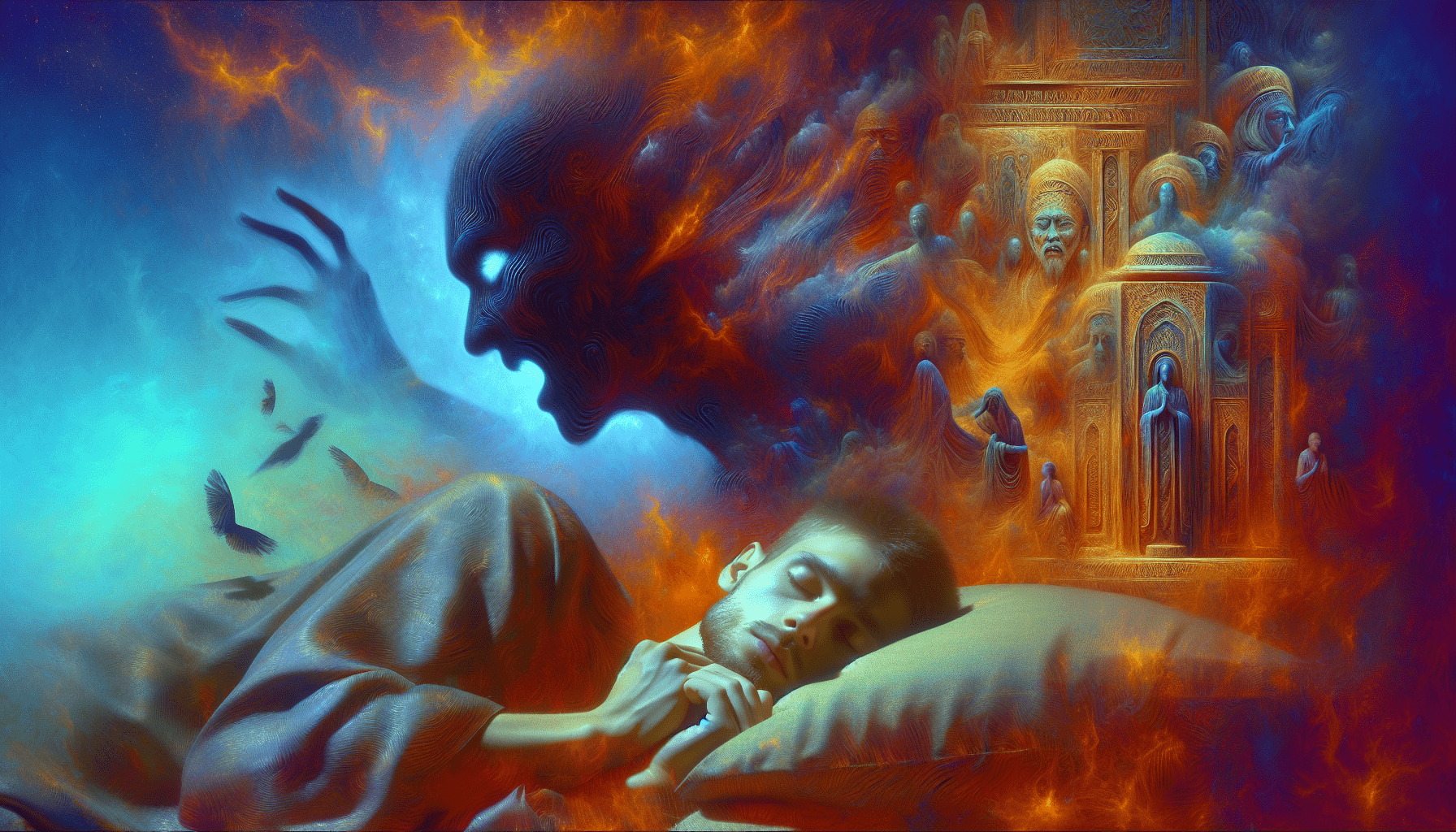
Have you ever experienced the unsettling phenomenon of sleep paralysis? While science explains this as a sleep disorder where your mind is awake but your body is still in a state of sleep, various religions have their own interpretations of this eerie experience. Some believe it to be a form of spiritual attack or visitation, while others see it as a battle between good and evil forces. Regardless of your beliefs, learning about the different perspectives on sleep paralysis from a religious standpoint can be both fascinating and eye-opening. How Does Religion View Sleep Paralysis?
How does religion perceive the phenomenon of sleep paralysis? It’s a question that has puzzled many, as this intriguing experience has been interpreted in various ways across different belief systems. In this article, we will explore the perspectives of different religions on sleep paralysis, shedding light on the spiritual and cultural significance attributed to this mysterious occurrence. So, sit back, relax, and let’s delve into the world of sleep paralysis through the lens of religion.
Sleep Paralysis: A Brief Overview
Before we delve into the religious viewpoints on sleep paralysis, let’s first understand what sleep paralysis is. Sleep paralysis is a phenomenon in which a person is temporarily unable to move or speak while either falling asleep or waking up. It is often accompanied by a feeling of pressure on the chest or a sense of being suffocated. This experience can be quite terrifying for those who go through it, leading to feelings of fear and distress.
The Science Behind Sleep Paralysis
From a scientific perspective, sleep paralysis is believed to occur when the body transitions between different stages of sleep, specifically during rapid eye movement (REM) sleep. During REM sleep, the body is typically in a state of muscle atonia to prevent individuals from acting out their dreams physically. However, in cases of sleep paralysis, this muscle atonia persists even as the person becomes partially conscious, leading to the sensation of being unable to move.

Religious Interpretations of Sleep Paralysis
Now, let’s explore how different religions view and interpret the phenomenon of sleep paralysis. It is essential to understand that these interpretations are based on cultural beliefs, spiritual doctrines, and traditional practices unique to each religion.
Christianity
In Christianity, sleep paralysis has often been associated with demonic entities or spiritual attacks. Some believers interpret sleep paralysis as a form of spiritual warfare, where the individual is under the influence of malevolent forces seeking to harm or torment them. It is not uncommon for Christians to turn to prayer, religious rituals, or seeking the assistance of clergy to combat perceived demonic influences during episodes of sleep paralysis.
Islam
In Islam, sleep paralysis is commonly referred to as “the jinn.” Jinn are supernatural beings in Islamic theology that are thought to have free will and can interact with humans in various ways. Within Islamic beliefs, sleep paralysis is often attributed to jinn trying to harm or influence individuals during their vulnerable state of transitioning between wakefulness and sleep. As such, Islamic teachings emphasize seeking protection through reciting verses from the Quran and practicing religious rituals to ward off malevolent jinn during episodes of sleep paralysis.
Hinduism
In Hinduism, sleep paralysis is viewed through the lens of spirituality and the concept of astral projection. Some adherents of Hindu beliefs interpret sleep paralysis as an opportunity for the soul to detach from the physical body and travel to spiritual realms or astral planes. This perspective aligns with the idea of the subtle body (sukshma sharira) or spirit being capable of moving beyond the constraints of the physical body during sleep paralysis. Practices such as meditation, yoga, and mantra recitation are often recommended to harness the spiritual potential of sleep paralysis in Hindu traditions.
Buddhism
In Buddhism, sleep paralysis is seen as a manifestation of the mind’s tendencies towards fear, attachment, and aversion. Buddhist teachings emphasize the impermanent and illusory nature of phenomena, including the frightening experiences that may arise during sleep paralysis. Practitioners are encouraged to cultivate mindfulness, compassion, and insight into the nature of the mind to transcend the fear and distress associated with sleep paralysis. The practice of meditation and mindfulness serves as a tool for Buddhists to navigate the psychological and spiritual dimensions of sleep paralysis.
Indigenous Spiritual Traditions
In indigenous spiritual traditions around the world, sleep paralysis is often viewed as a sacred experience that connects individuals to the spirit world. Shamanic practices, rituals, and ceremonies are employed to guide individuals through the realms of sleep paralysis, harnessing its transformative potential for healing, divine communication, and spiritual growth. In these traditions, sleep paralysis is not feared but revered as a doorway to the mysteries of the unseen realms.
Coping Strategies for Sleep Paralysis
Regardless of one’s religious beliefs, coping with sleep paralysis can be challenging due to its unsettling nature. Here are some practical tips and strategies that may help individuals manage and cope with episodes of sleep paralysis:
Establish a Relaxing Bedtime Routine
Creating a calming bedtime routine that promotes relaxation and quality sleep can reduce the likelihood of experiencing sleep paralysis. Practicing mindfulness, deep breathing exercises, or gentle yoga before bed can help alleviate stress and anxiety, leading to a more restful sleep.
Improve Sleep Hygiene
Maintaining good sleep hygiene practices, such as avoiding caffeine and electronic devices before bed, establishing a comfortable sleep environment, and sticking to a regular sleep schedule, can improve the quality of sleep and reduce the frequency of sleep paralysis episodes.
Seek Professional Help
If sleep paralysis becomes a persistent problem that impacts your daily life and well-being, consider seeking help from a healthcare professional or sleep specialist. They can provide guidance, support, and treatment options to address underlying sleep disorders or conditions contributing to sleep paralysis.
Spiritual Practices
For those who find comfort in their religious or spiritual beliefs, incorporating prayers, rituals, or meditation practices before bed may offer a sense of protection and guidance during episodes of sleep paralysis. Seeking counsel from religious leaders or spiritual mentors can also provide valuable insights and support in navigating the spiritual aspects of this phenomenon.

Conclusion
In conclusion, the phenomenon of sleep paralysis continues to intrigue and mystify individuals across different religious traditions. From perceptions of demonic attacks to spiritual awakenings, the interpretations of sleep paralysis vary widely within the context of religious beliefs and practices. By understanding the cultural and spiritual significance attributed to sleep paralysis, individuals can gain insight into their own experiences and develop coping strategies that align with their beliefs and values.
Remember, sleep paralysis is a natural and temporary phenomenon that can be managed with patience, self-care, and support from healthcare providers or religious communities. Whether you view sleep paralysis as a spiritual encounter, a psychological experience, or a combination of both, know that you are not alone in navigating this mysterious realm between wakefulness and sleep. Embrace the opportunity to explore the depths of your consciousness and soul through the lens of religion, spirituality, and personal growth. Sweet dreams and peaceful slumbers await you on your journey through the world of sleep paralysis.
