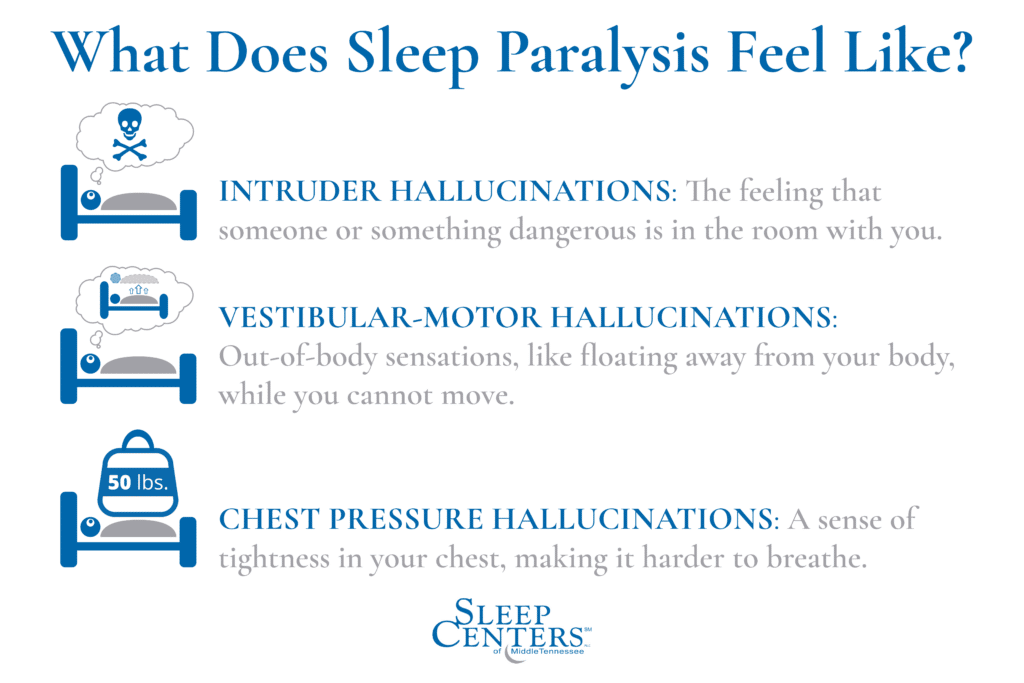
Welcome to this article on how to advocate for better understanding and support for those with sleep paralysis. Sleep paralysis is a terrifying experience that can leave individuals feeling helpless and misunderstood. By raising awareness, sharing personal stories, and educating others on this condition, you can help create a more supportive and understanding community for those who suffer from sleep paralysis. Together, we can make a positive impact and provide comfort to those in need. Let’s work together to advocate for better understanding and support for individuals with sleep paralysis. Have you ever experienced the terrifying feeling of being awake but unable to move or speak? If so, you may have experienced sleep paralysis. This common sleep disorder can be incredibly frightening and isolating for those who suffer from it. In this article, we will discuss how you can advocate for better understanding and support for those with sleep paralysis.
Understanding Sleep Paralysis
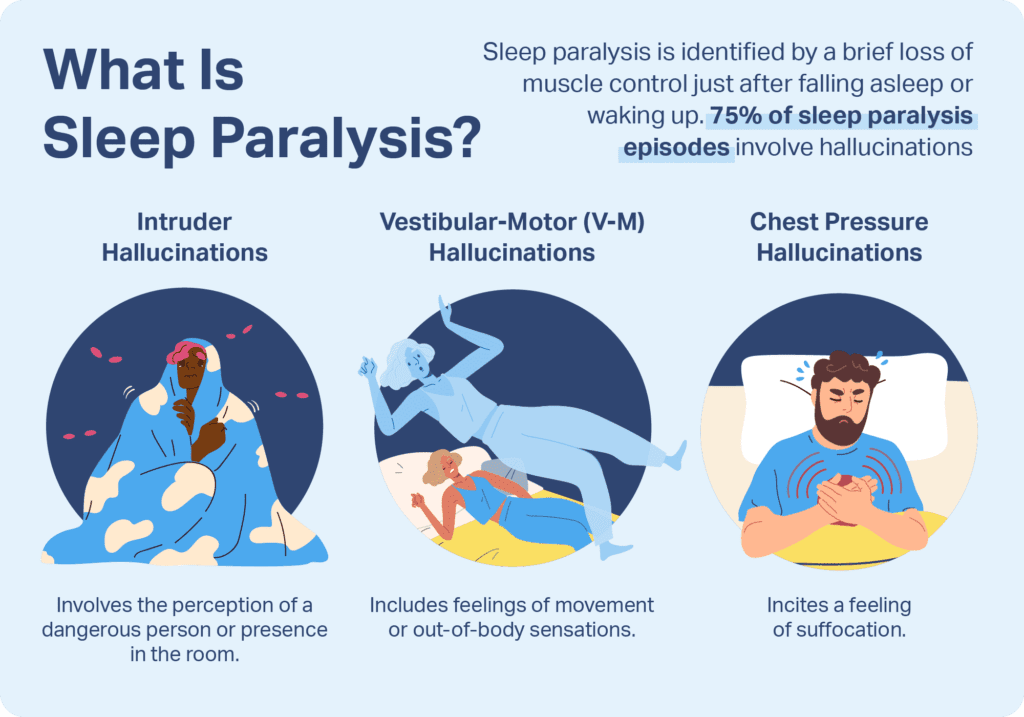
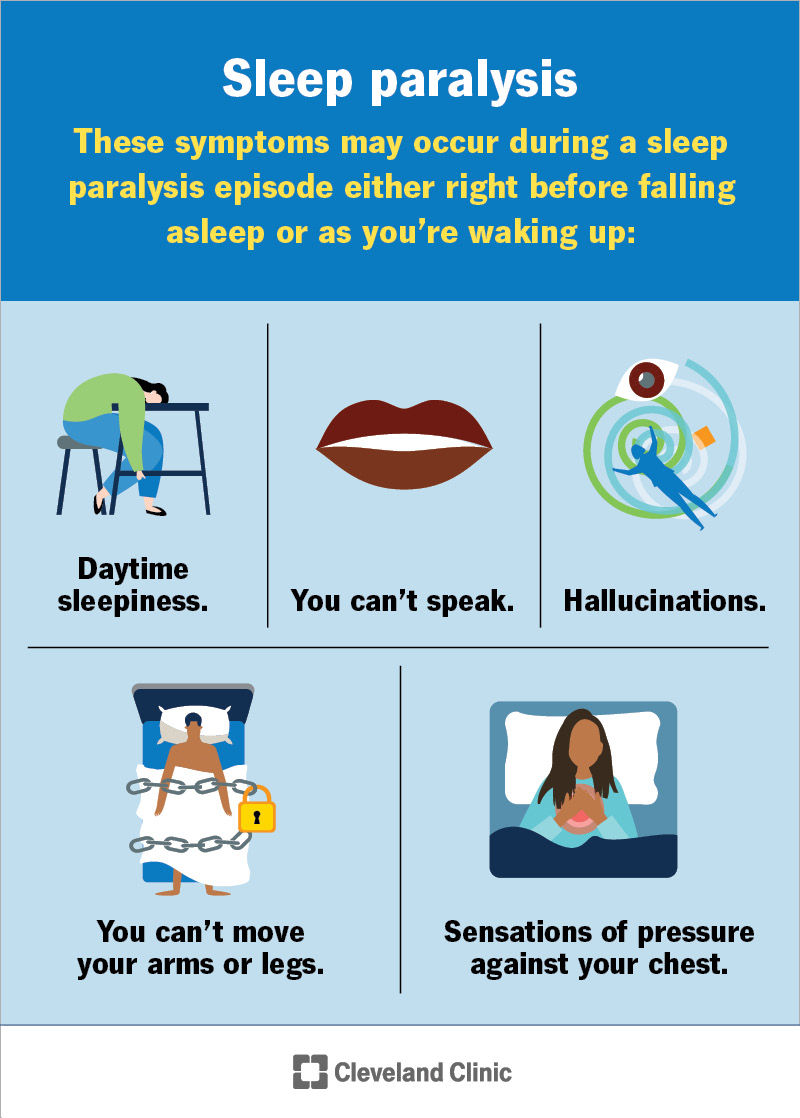
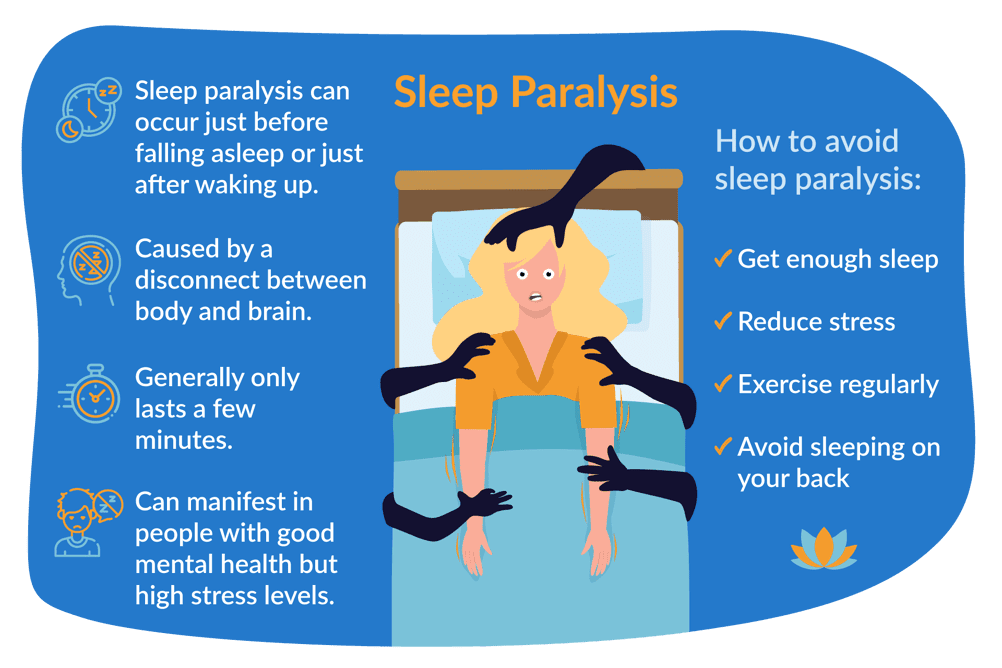
Sleep paralysis is a phenomenon in which an individual experiences a temporary inability to move or speak while falling asleep or waking up. This can be accompanied by vivid hallucinations and a sense of fear or dread. The experience can range from mild to severe, with some individuals experiencing sleep paralysis only once in their lifetime, while others may experience it frequently. It is important to understand that sleep paralysis is a real and often terrifying experience for those who suffer from it.
What Causes Sleep Paralysis
While the exact cause of sleep paralysis is not fully understood, it is believed to occur when the body transitions between different stages of sleep. During rapid eye movement (REM) sleep, the body is typically paralyzed to prevent individuals from acting out their dreams. In some cases, this paralysis may persist as the individual wakes up, leading to the experience of sleep paralysis. Other factors such as stress, disrupted sleep patterns, and underlying sleep disorders may also contribute to the occurrence of sleep paralysis.
Educating Others About Sleep Paralysis
One of the most important ways to advocate for better understanding and support for those with sleep paralysis is to educate others about the condition. By raising awareness and dispelling myths surrounding sleep paralysis, you can help create a more supportive and empathetic community for individuals who experience this sleep disorder.
Sharing Your Own Experience
If you have personally experienced sleep paralysis, sharing your own story can be a powerful way to educate others about the condition. By describing your symptoms, emotions, and coping mechanisms, you can help others understand what it feels like to live with sleep paralysis. This personal touch can humanize the experience and make it easier for others to relate and empathize with those who suffer from sleep paralysis.
Providing Information and Resources
Educating others about sleep paralysis also involves providing accurate information and resources on the condition. This can include sharing articles, books, and online resources that offer insights into the causes, symptoms, and treatments of sleep paralysis. By arming others with knowledge, you can help create a more informed and compassionate support system for individuals with sleep paralysis.
Advocating for Better Support Systems
In addition to educating others about sleep paralysis, advocating for better support systems is essential for ensuring that individuals with this sleep disorder receive the care and understanding they need.
Improving Access to Healthcare
One of the key ways to advocate for better support for those with sleep paralysis is to improve access to healthcare services. This includes increasing awareness among healthcare providers about sleep paralysis and its symptoms, as well as ensuring that individuals with this condition have access to appropriate diagnostic and treatment options. By advocating for better healthcare services, you can help ensure that individuals with sleep paralysis receive the care they need to manage their symptoms effectively.
Seeking Support Groups and Community Resources
Another important aspect of advocating for better support systems for individuals with sleep paralysis is promoting the availability of support groups and community resources. These resources can provide individuals with opportunities to connect with others who share similar experiences, seek advice and support, and access coping strategies for managing sleep paralysis. By advocating for the establishment and promotion of support groups and community resources, you can help create a more inclusive and understanding environment for those with sleep paralysis.
Self-Care Strategies for Managing Sleep Paralysis
While advocating for better understanding and support for those with sleep paralysis is important, it is also essential for individuals with this condition to practice self-care strategies to manage their symptoms and improve their quality of life.
Establishing a Regular Sleep Routine
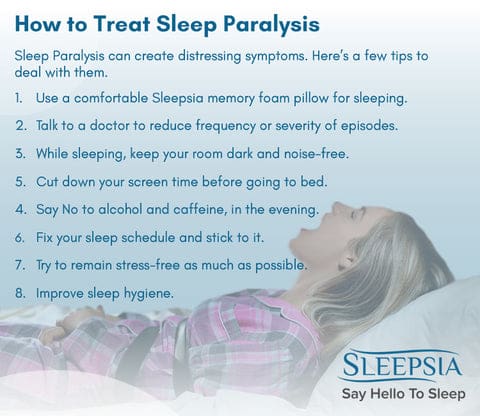
Maintaining a regular sleep routine can help reduce the likelihood of experiencing sleep paralysis episodes. This includes going to bed and waking up at the same time each day, creating a sleep-conducive environment, and practicing relaxation techniques before bedtime. By prioritizing healthy sleep habits, individuals with sleep paralysis can improve the quality of their sleep and reduce the frequency of sleep paralysis episodes.
Managing Stress and Anxiety
Stress and anxiety can exacerbate symptoms of sleep paralysis, making it important for individuals with this condition to prioritize stress management techniques. This can include practicing mindfulness, engaging in regular physical activity, and seeking professional support from therapists or counselors. By addressing underlying stress and anxiety, individuals with sleep paralysis can reduce the impact of these factors on their sleep quality and overall well-being.
Seeking Professional Help
For individuals with severe or persistent sleep paralysis episodes, seeking professional help from sleep specialists or mental health professionals may be necessary. These professionals can provide a comprehensive evaluation of the individual’s symptoms, offer personalized treatment recommendations, and monitor progress over time. By seeking help from qualified professionals, individuals with sleep paralysis can receive the support and guidance they need to manage their condition effectively.
Conclusion
Advocating for better understanding and support for those with sleep paralysis is crucial for creating a more inclusive and compassionate community for individuals with this sleep disorder. By educating others, advocating for better support systems, and practicing self-care strategies, individuals with sleep paralysis can improve their quality of life and receive the care they need to manage their symptoms effectively. Together, we can work towards creating a better world for individuals with sleep paralysis, where they feel understood, supported, and empowered to live their lives to the fullest.