Understanding Sleep Paralysis
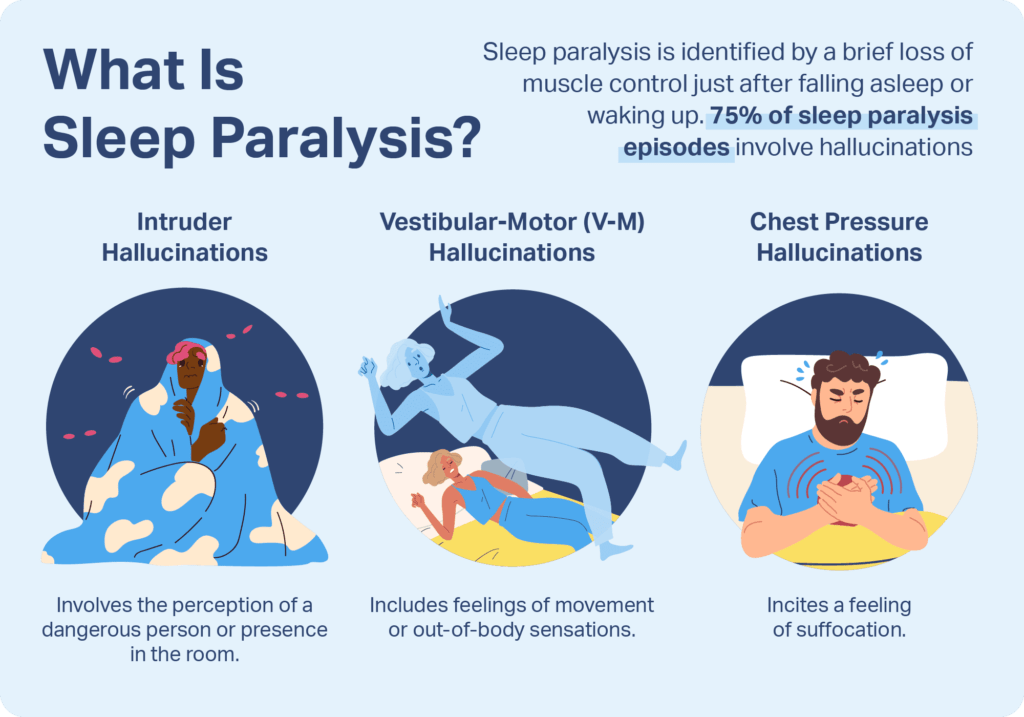
Have you ever woken up in the middle of the night unable to move or speak, feeling a heavy weight on your chest? This phenomenon is known as sleep paralysis, a temporary condition where your body is temporarily paralyzed as you transition between sleep and wakefulness.
The Science Behind Sleep Paralysis
During REM (rapid eye movement) sleep, your brain is active while your muscles are relaxed to the point of virtual paralysis. This is a natural process that prevents you from acting out your dreams and potentially harming yourself or others. However, during sleep paralysis, your mind wakes up before your body, causing a disconnect between the two.
Cultural Interpretations of Sleep Paralysis
Sleep paralysis has been interpreted differently across cultures throughout history. While some view it as a purely scientific phenomenon, others see it as a spiritual or supernatural experience. In many cultures, sleep paralysis is associated with evil spirits, demons, or supernatural entities that visit individuals during the night.

Sleep Paralysis in Folklore and Myths
In various folklore and myths around the world, sleep paralysis is often attributed to demonic forces or malevolent spirits. For example, in the Southern United States, the phenomenon is known as being “hag-ridden” or “witch-ridden,” as it is believed to be caused by witches or evil spirits sitting on a person’s chest as they sleep.
Sleep Paralysis in Artistic Expression
Artists and writers have often been inspired by the eerie and surreal experiences of sleep paralysis. Paintings, drawings, literature, and films frequently depict the terror and helplessness that individuals feel during episodes of sleep paralysis. This artistic expression helps shed light on the psychological and emotional impact of this phenomenon.

Scientific Explanations for Sleep Paralysis
While cultural beliefs and folklore have painted sleep paralysis as a supernatural occurrence, scientists offer a more rational explanation. Understanding the physiological processes that occur during sleep paralysis can help demystify this frightening experience.
Hypnagogic and Hypnopompic Hallucinations
During sleep paralysis, individuals may also experience hallucinations that can be visual, auditory, or tactile. These hallucinations can range from feeling a presence in the room to seeing shadowy figures looming over you. These hallucinations are a result of the brain being in a state between dreaming and wakefulness.
Sleep Disorders and Sleep Paralysis
Sleep paralysis is often associated with various sleep disorders, such as narcolepsy or disrupted sleep patterns. Individuals with narcolepsy are more likely to experience sleep paralysis due to the rapid transitions between wakefulness and REM sleep. Understanding the relationship between sleep disorders and sleep paralysis is crucial for managing and treating the condition.
Stress, Anxiety, and Sleep Paralysis
Psychological factors such as stress, anxiety, and trauma can also contribute to the likelihood of experiencing sleep paralysis. High levels of stress or anxiety can disrupt the normal sleep cycle and increase the frequency of sleep paralysis episodes. Managing stress and anxiety through relaxation techniques and therapy can help reduce the occurrence of sleep paralysis.
Coping Strategies for Sleep Paralysis
If you frequently experience sleep paralysis, there are various coping strategies that can help you feel more in control of the situation and reduce the fear associated with these episodes.
Establishing a Consistent Sleep Routine
Maintaining a regular sleep schedule can help regulate your sleep cycles and reduce the likelihood of experiencing sleep paralysis. Going to bed and waking up at the same time every day can improve the quality of your sleep and decrease the chances of disruptions that lead to sleep paralysis.
Improving Sleep Environment
Creating a comfortable and relaxing sleep environment can also help prevent sleep paralysis episodes. Make sure your bedroom is dark, quiet, and at a comfortable temperature to promote restful sleep. Removing distractions such as electronics and ensuring your bed is comfortable can contribute to a better night’s sleep.
Stress Management Techniques
Practicing stress management techniques such as meditation, deep breathing, yoga, or mindfulness can help reduce stress levels and promote relaxation before bedtime. Engaging in calming activities before sleep can prepare your mind and body for a restful night’s sleep, reducing the risk of sleep paralysis.

Seeking Professional Help
If you continue to experience frequent episodes of sleep paralysis despite trying coping strategies, it may be beneficial to seek help from a healthcare professional. A sleep specialist can conduct a thorough evaluation, identify any underlying sleep disorders, and recommend appropriate treatment options to improve your sleep quality and reduce the occurrence of sleep paralysis.
Keeping a Sleep Journal
Keeping a sleep journal can help track patterns and triggers of sleep paralysis episodes. Note down the timing of each episode, your sleep environment, stress levels, and any significant events or emotions before bedtime. This information can provide valuable insights for healthcare professionals in diagnosing and effectively treating your sleep paralysis.
Sleep Studies and Diagnostic Tests
In some cases, a sleep study or diagnostic test may be necessary to identify any underlying sleep disorders contributing to sleep paralysis. A sleep study involves monitoring your brain activity, breathing patterns, and movements during sleep to detect abnormalities that may be causing disruptions in your sleep cycles. Based on the results of these tests, healthcare professionals can recommend appropriate treatment options tailored to your specific needs.
Conclusion
Sleep paralysis is a mysterious and often terrifying experience that has fascinated cultures and individuals for centuries. By exploring the cultural significance, scientific explanations, coping strategies, and seeking professional help, you can gain a better understanding of this phenomenon and find ways to manage it effectively. Remember, you are not alone in your experience of sleep paralysis, and there are resources and support available to help you navigate this challenging aspect of sleep.