
How Does Trauma And Abuse Impact Sleep Paralysis?
How does trauma and abuse impact sleep paralysis? Are there connections between past traumatic experiences and the occurrence of sleep paralysis episodes? In this article, we will delve into the relationship between trauma, abuse, and sleep paralysis, and how these experiences may be linked.
Understanding Trauma and Abuse
Trauma and abuse can have long-lasting effects on an individual’s mental, emotional, and physical well-being. Trauma is defined as a deeply distressing or disturbing experience that can have a lasting impact on a person’s life. Abuse, on the other hand, refers to the mistreatment of someone through physical, emotional, psychological, or sexual harm. Both trauma and abuse can lead to a variety of mental health issues, including anxiety, depression, PTSD, and sleep disorders like sleep paralysis.
What is Trauma?
Trauma can manifest in many different forms, such as physical abuse, emotional neglect, sexual assault, natural disasters, accidents, or witnessing violence. The experience of trauma can overwhelm an individual’s ability to cope, leading to feelings of helplessness, fear, and distress.
What is Abuse?
Abuse involves the mistreatment of an individual, whether it be through physical violence, emotional manipulation, sexual coercion, or neglect. Abuse can occur in various settings, such as within the family, in relationships, at work, or in institutions. The effects of abuse can be long-lasting and have profound impacts on a person’s mental health.
Understanding Sleep Paralysis
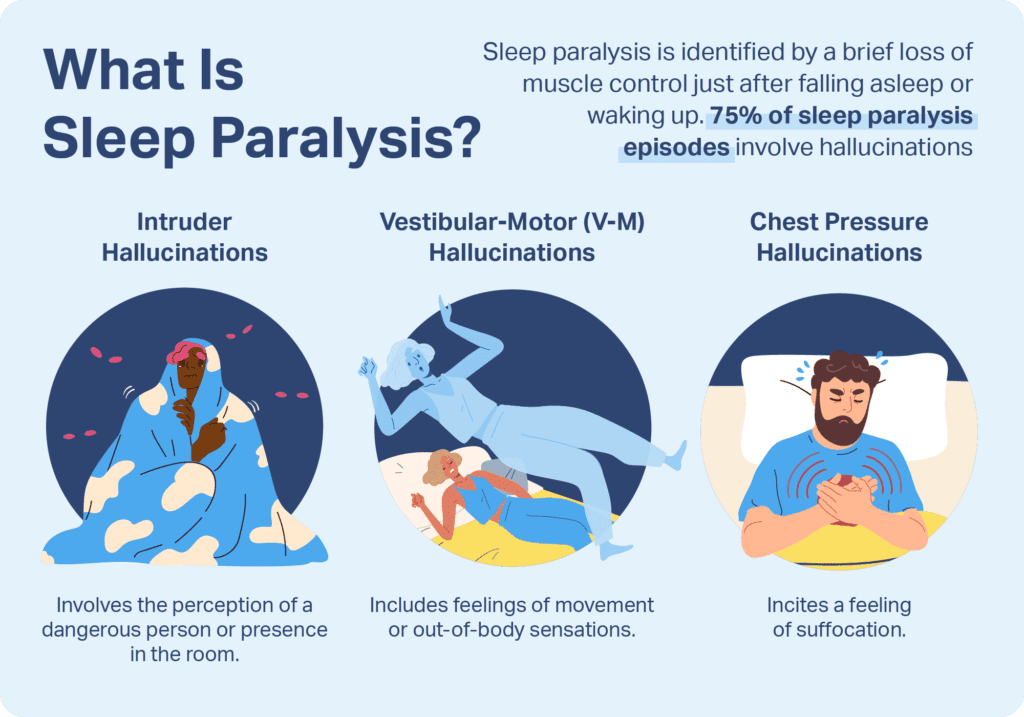
Sleep paralysis is a sleep disorder that occurs when an individual experiences the inability to move or speak while falling asleep or waking up. During episodes of sleep paralysis, a person may feel paralyzed, hear strange noises, see frightening hallucinations, and experience a sense of impending doom.
What Causes Sleep Paralysis?
Sleep paralysis is caused by a disruption in the REM (rapid eye movement) stage of sleep. During REM sleep, the body becomes paralyzed to prevent individuals from acting out their dreams. However, when someone experiences sleep paralysis, they may become aware of their surroundings while still in a paralyzed state, leading to feelings of fear and helplessness.
Common Symptoms of Sleep Paralysis
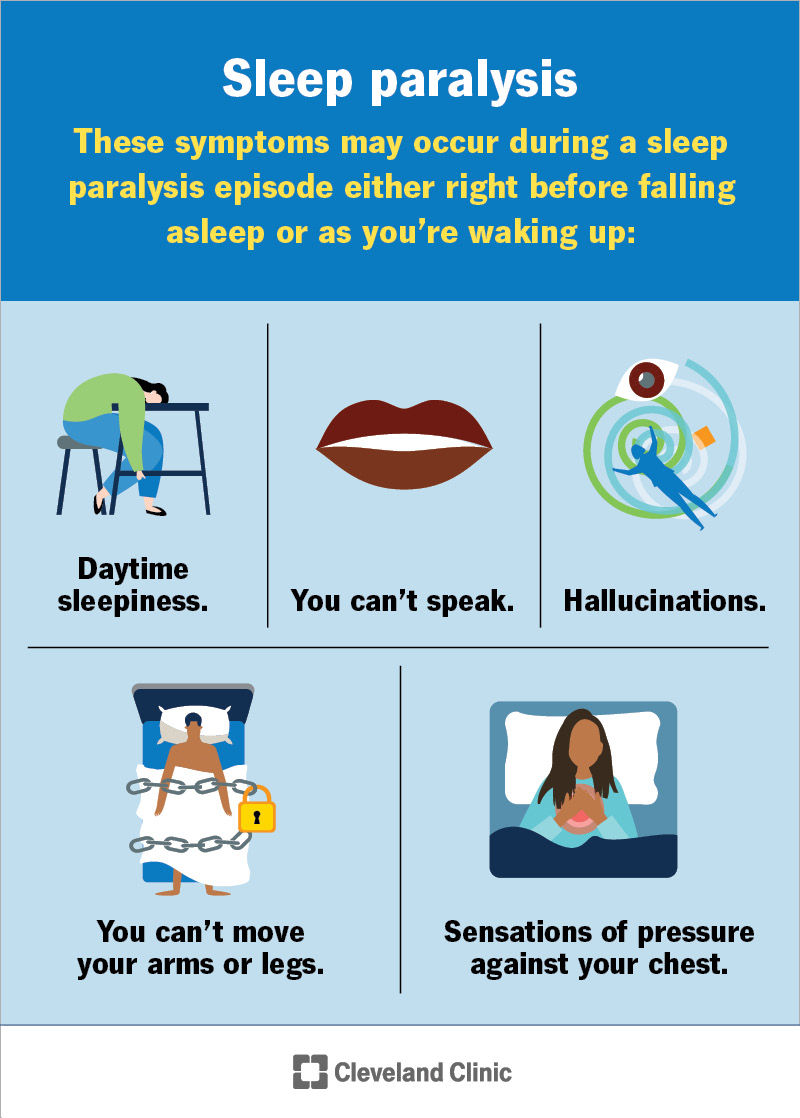
Some common symptoms of sleep paralysis include:
- Inability to move or speak
- Feeling of pressure on the chest
- Hallucinations
- Feeling of impending doom
- Difficulty breathing
The Connection Between Trauma, Abuse, and Sleep Paralysis
Research has shown that there may be a connection between trauma, abuse, and sleep paralysis. Individuals who have experienced traumatic events or abuse may be more likely to develop sleep paralysis episodes.
Impact of Trauma and Abuse on Sleep
Trauma and abuse can have a profound impact on an individual’s sleep patterns and quality of sleep. People who have experienced trauma or abuse may be more likely to suffer from sleep disturbances, nightmares, insomnia, and other sleep disorders. These sleep disturbances can increase the likelihood of experiencing sleep paralysis episodes.
Psychological Effects of Trauma and Abuse on Sleep Paralysis
The psychological effects of trauma and abuse can also contribute to the occurrence of sleep paralysis. Individuals who have experienced trauma or abuse may be more prone to anxiety, depression, PTSD, and other mental health issues, which can increase the risk of experiencing sleep paralysis episodes.
Stress and Sleep Paralysis
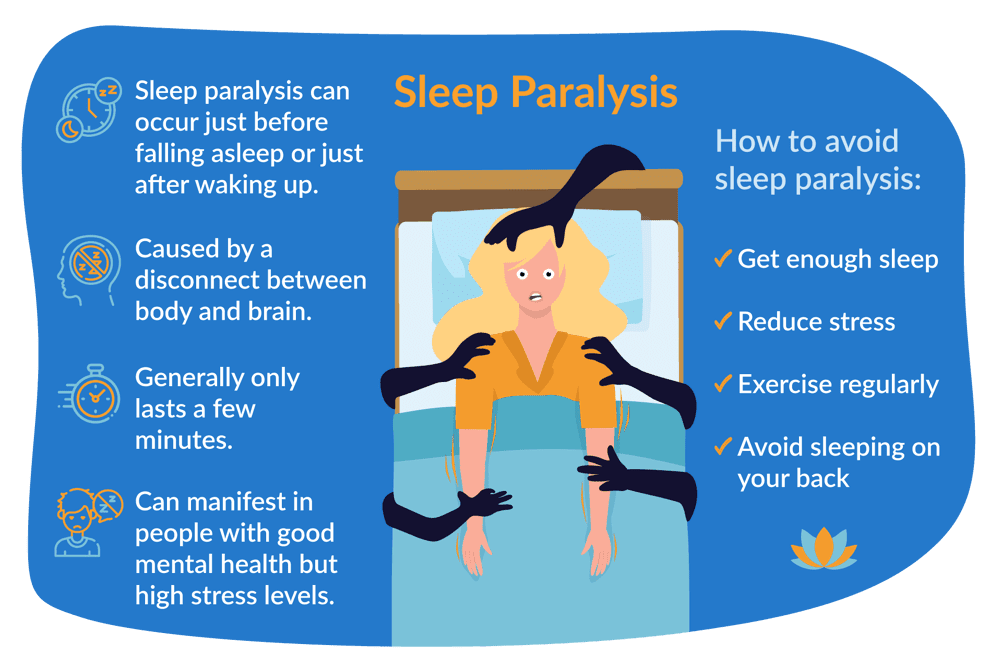
Stress is a common trigger for sleep paralysis episodes. Individuals who have experienced trauma or abuse may have higher levels of stress and anxiety, which can exacerbate the occurrence of sleep paralysis. The impact of trauma and abuse on an individual’s stress levels can contribute to the development of sleep paralysis episodes.

Seeking Support and Treatment
If you have experienced trauma, abuse, or are struggling with sleep paralysis, it is essential to seek support and treatment. Speaking to a therapist, counselor, or mental health professional can help you process your experiences, develop coping strategies, and improve your sleep quality.
Therapy and Counseling
Therapy and counseling can be beneficial for individuals who have experienced trauma or abuse and are struggling with sleep paralysis. Therapy can provide a safe space to explore your emotions, develop healthy coping mechanisms, and address any underlying issues contributing to sleep disturbances.
Medication
In some cases, medication may be prescribed to help manage sleep disturbances, anxiety, depression, or other mental health issues related to trauma, abuse, and sleep paralysis. It is important to consult with a healthcare provider before starting any medication to determine the best treatment plan for your individual needs.

Improving Sleep Quality
Improving sleep quality is essential for managing sleep paralysis episodes and promoting overall well-being. There are several strategies you can incorporate into your daily routine to help improve your sleep quality.
Establishing a Bedtime Routine
Creating a consistent bedtime routine can help signal to your body that it is time to wind down and prepare for sleep. Engaging in relaxing activities before bed, such as reading, meditating, or taking a warm bath, can help promote better sleep quality.
Creating a Comfortable Sleep Environment
Creating a comfortable sleep environment can also contribute to better sleep quality. Make sure your bedroom is cool, dark, and quiet, and invest in a comfortable mattress and pillows to promote restful sleep.
Practicing Relaxation Techniques
Incorporating relaxation techniques into your daily routine can help reduce stress and anxiety, which can be beneficial for managing sleep paralysis. Techniques such as deep breathing, progressive muscle relaxation, and guided imagery can help promote relaxation and improve sleep quality.
Conclusion
In conclusion, trauma and abuse can have a significant impact on an individual’s mental health and well-being, potentially leading to sleep disturbances like sleep paralysis. By seeking support, understanding the connection between trauma, abuse, and sleep paralysis, and developing healthy coping mechanisms, individuals can effectively manage their symptoms and improve their overall quality of life. Remember that you are not alone in your experiences, and reaching out for support is the first step towards healing and recovery.