

Have you ever experienced the frightening phenomenon of sleep paralysis?
Some of us have experienced the terrifying sensation of being awake but unable to move or speak while falling asleep or waking up. This phenomenon is known as sleep paralysis, and it can have a significant impact not only on the person experiencing it but also on their caregivers and loved ones who witness or experience the aftermath. In this article, we will explore the psychological toll of sleep paralysis on caregivers and loved ones and provide insights and tips on how to cope with this challenging experience.
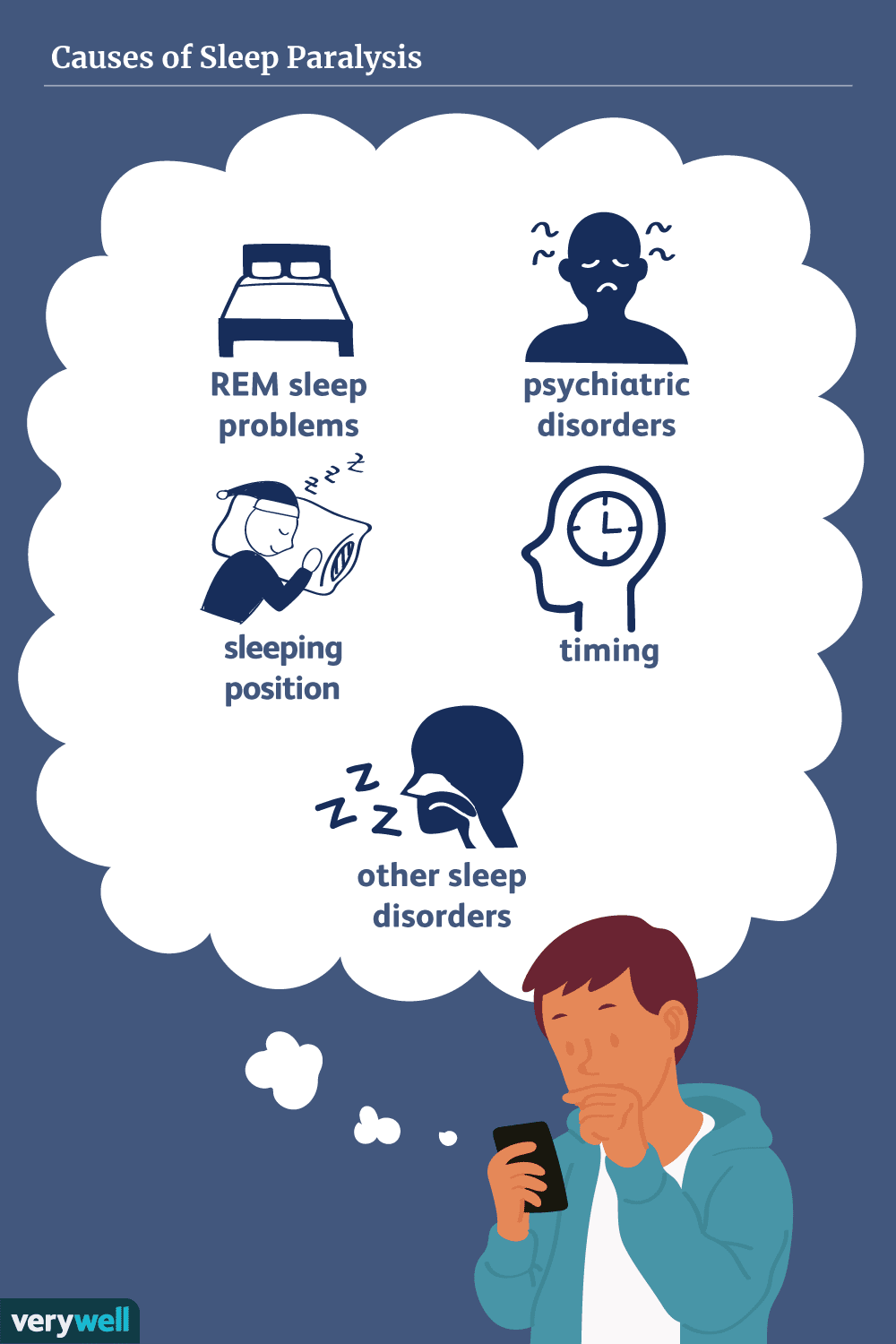
Understanding sleep paralysis: What is it, and why does it happen?
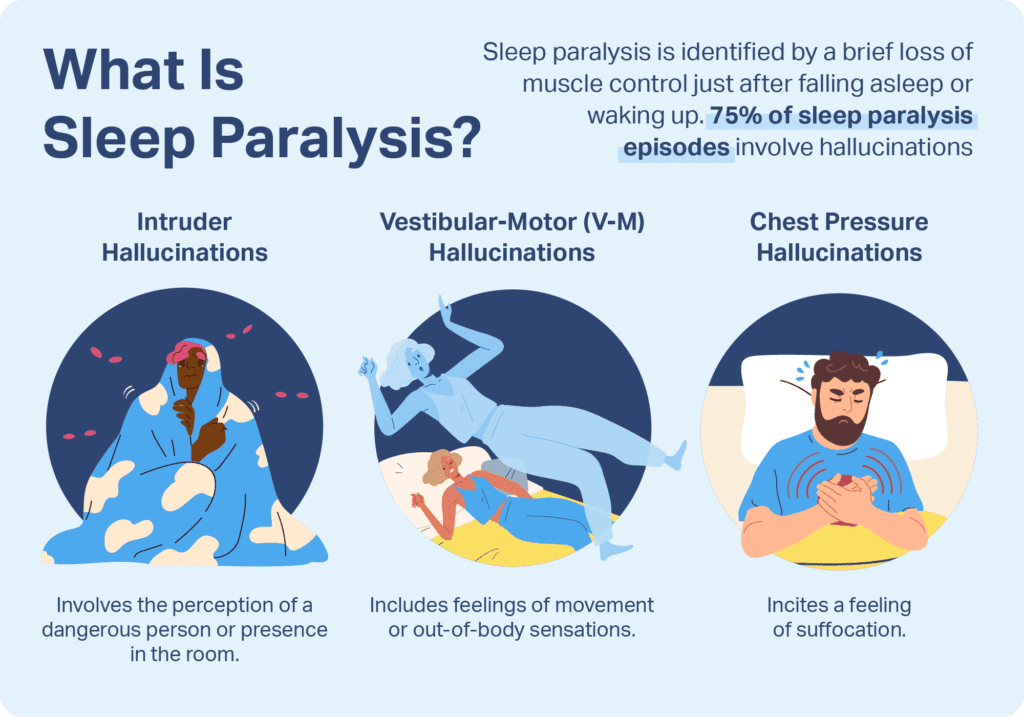
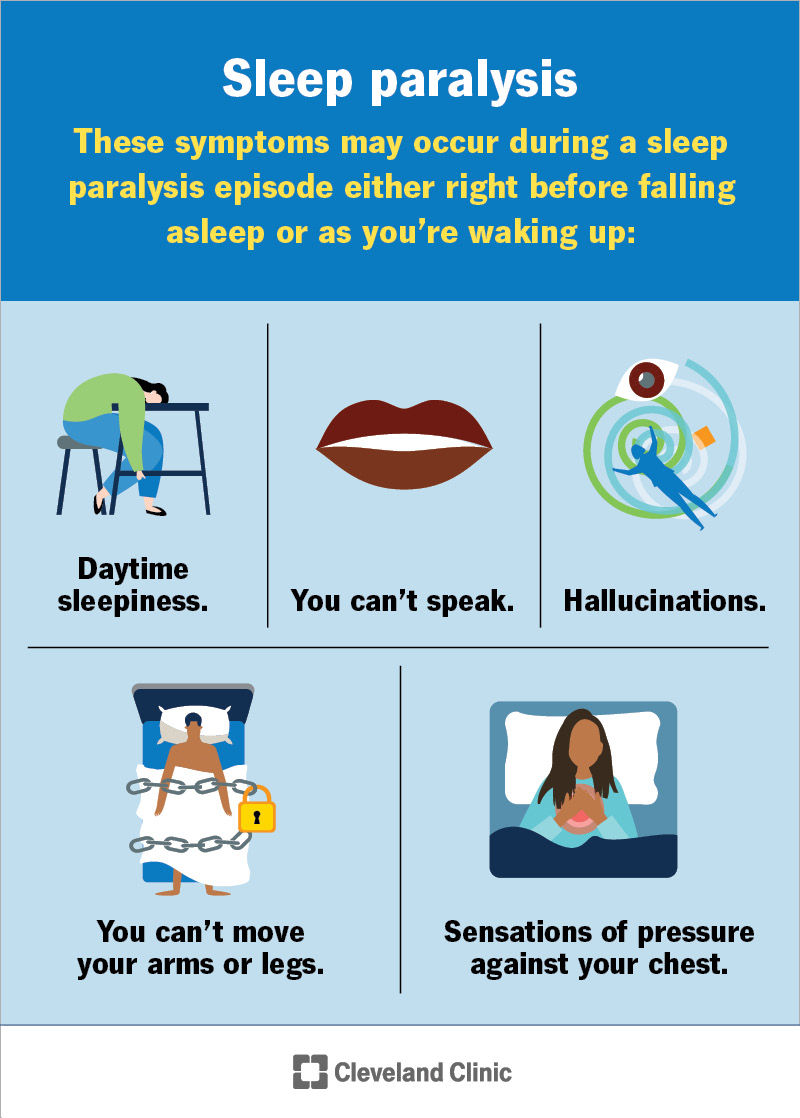
Sleep paralysis is a condition in which a person feels conscious but is unable to move or speak. It often occurs when falling asleep or waking up and can be accompanied by vivid hallucinations and a sensation of pressure on the chest. The exact cause of sleep paralysis is not fully understood, but it is believed to be related to disruptions in the REM (rapid eye movement) stage of sleep.
If you or a loved one has experienced sleep paralysis, it can be a frightening and confusing experience. It is essential to understand what causes sleep paralysis and how it can impact both the person experiencing it and those around them.
The impact on caregivers: How does witnessing sleep paralysis affect you?
As a caregiver or loved one of someone who experiences sleep paralysis, witnessing the phenomenon can be distressing and challenging. Seeing a person you care about in a state of paralysis and distress can evoke feelings of helplessness and fear. You may also experience feelings of guilt or responsibility for not being able to prevent or stop the episode.
It is essential to acknowledge and address the impact that witnessing sleep paralysis can have on caregivers and loved ones. By understanding the psychological toll it can take on you, you can better support yourself and the person experiencing sleep paralysis.
Strategies for coping as a caregiver:
- Communicate openly with the person experiencing sleep paralysis to understand their feelings and experiences.
- Seek support from other caregivers or professionals who can provide guidance and help you process your emotions.
- Engage in self-care activities such as exercise, meditation, or therapy to manage stress and anxiety related to witnessing sleep paralysis.
The impact on loved ones: How does sleep paralysis affect your relationships?
For loved ones of individuals who experience sleep paralysis, the condition can impact relationships and interactions in various ways. Sleep paralysis episodes may lead to disruptions in sleep patterns, increased anxiety, and changes in behavior, which can strain relationships and communication.
If you have a loved one who experiences sleep paralysis, it is crucial to understand how the condition can affect your relationship and how you can provide support and understanding to help them cope with the challenges they face.
Tips for supporting a loved one with sleep paralysis:
- Listen actively to their experiences and feelings without judgment or criticism.
- Offer reassurance and support during and after sleep paralysis episodes to help them feel safe and comforted.
- Educate yourself about sleep paralysis and its effects to better understand what your loved one is going through.
Seeking professional help: When to consider therapy or counseling
If you or your loved one are struggling to cope with the psychological toll of sleep paralysis, it may be beneficial to seek therapy or counseling. A mental health professional can provide support, guidance, and coping strategies to help you manage the emotional and psychological impact of sleep paralysis on caregivers and loved ones.
Signs that therapy or counseling may be helpful:
- Persistent feelings of anxiety, fear, or helplessness related to sleep paralysis
- Difficulty sleeping or maintaining healthy sleep patterns due to the fear of experiencing sleep paralysis
- Strained relationships with caregivers, loved ones, or partners due to the effects of sleep paralysis
Remember that seeking help is a sign of strength, not weakness. Therapy or counseling can provide a safe space for you to explore and address the psychological toll of sleep paralysis and develop coping strategies to improve your mental well-being.
Taking care of yourself: Self-care tips for caregivers and loved ones
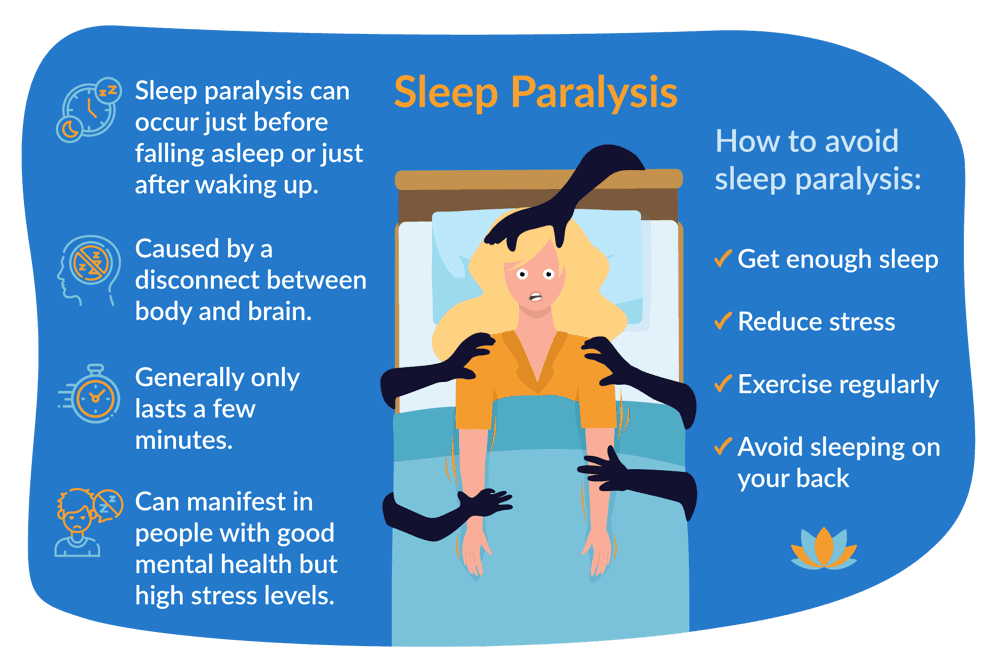
As a caregiver or loved one of someone experiencing sleep paralysis, it is essential to prioritize self-care and well-being to effectively support yourself and the person you care about. Taking care of yourself physically, emotionally, and mentally can help you navigate the challenges of coping with the psychological toll of sleep paralysis.
Self-care tips for caregivers and loved ones:
- Make time for activities that bring you joy and relaxation, such as hobbies, exercise, or spending time outdoors.
- Practice mindfulness and stress-reduction techniques such as deep breathing, meditation, or yoga to manage anxiety and promote calmness.
- Set boundaries and communicate your needs to ensure that you have the support and space necessary to care for yourself while supporting your loved one.
By prioritizing self-care and well-being, you can better cope with the psychological toll of sleep paralysis and support your loved one in managing their condition effectively. Remember that taking care of yourself is essential to providing the best possible care and support to others.
Conclusion: Navigating the psychological toll of sleep paralysis as a caregiver or loved one
In conclusion, sleep paralysis can have a significant psychological impact on caregivers and loved ones of individuals who experience this condition. Witnessing or experiencing sleep paralysis can evoke feelings of fear, helplessness, and anxiety, leading to challenges in relationships and mental well-being.
It is crucial to understand the causes and effects of sleep paralysis, communicate openly with the person experiencing it, seek professional help when needed, and prioritize self-care to cope effectively with the psychological toll of this phenomenon. By acknowledging and addressing the impact of sleep paralysis on caregivers and loved ones, you can navigate the challenges with compassion, empathy, and resilience. Remember that you are not alone in this experience, and support is available to help you and your loved one through this challenging journey.